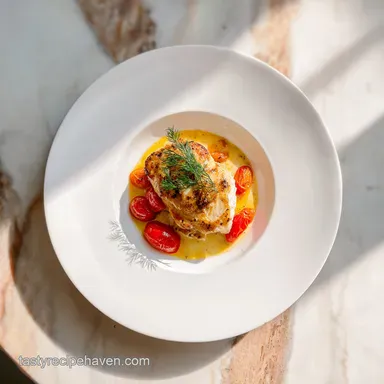
Marry Me Chicken: Creamy and Pan-Seared
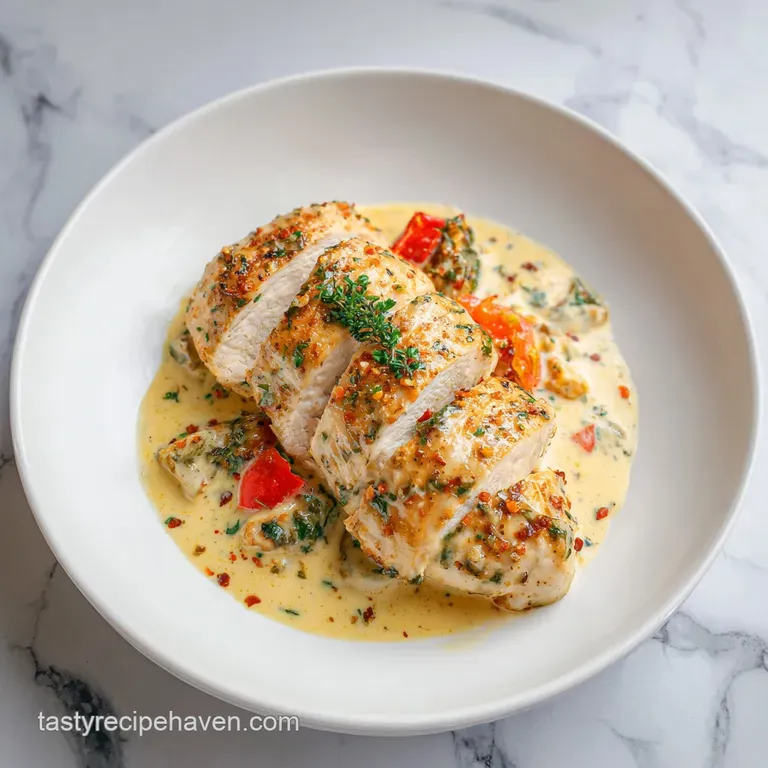
- Time: Active 10 minutes, Passive 20 minutes, Total 30 minutes
- Flavor/Texture Hook: Velvety cream sauce meeting a golden brown sear
- Perfect for: Impressing a date or a low effort weeknight comfort meal
- Why Everyone Is Absolutely Obsessed With This Marry Me Chicken
- Why This Works
- The Flavor Specs You Need to Know
- The Few Simple Tools You Will Need
- Bringing the Golden Chicken and Cream Together
- Pro Tips to Avoid A Kitchen Disaster
- Adapting the Dish for Every Single Diet
- Make-Ahead Strategies and Savvy Leftover Hacks
- The Best Side Dishes for This Meal
- Kitchen Wisdom and Myths
- Recipe FAQs
- 📝 Recipe Card
Why Everyone Is Absolutely Obsessed With This Marry Me Chicken
You've probably heard the myth that a legendary meal requires hours of laboring over a hot stove or a pantry full of ingredients you can't pronounce. Honestly, forget everything you know about complex "gourmet" cooking.
The magic of this dish doesn't come from technical difficulty; it comes from the strategic layering of fats and acids. People call it "Marry Me Chicken" because it tastes like a proposal on a plate, but between us, it's really just the smartest way to cook a chicken breast without it turning into a dry piece of cardboard.
The first time I made this, I was skeptical. I thought the heavy cream would make it too heavy, or the sun dried tomatoes would be too overpowering. But when that first sizzle of the chicken hit the oil and butter, and the aroma of toasted oregano started wafting through my kitchen, I knew I was wrong.
The contrast is what makes it. You get the rich, velvety sauce against the bright, citrusy punch of lemon and the deep, concentrated umami of the tomatoes. It’s a comfort food classic that feels way more expensive than it actually is.
We’ve all had those chicken dinners that feel like a chore to eat bland, stringy, and drowning in a one note sauce. This is the opposite. It’s a one pot wonder that minimizes cleanup while maximizing flavor.
We’re going to focus on a few simple techniques: pounding the meat for even cooking, creating a proper "fond" on the bottom of the skillet, and emulsifying the cheese into the cream so it never breaks. Let's get into the "why" behind the magic.
Why This Works
- Maillard Reaction: Pounding the chicken to 1/2 inch thickness and dredging it in flour creates a massive surface area for browning. This creates that golden brown crust (the fond) which is the literal foundation of the sauce's flavor.
- Fat to Acid Balance: The heavy cream and Parmesan provide a rich, fatty base that would be cloying on its own. The addition of sun dried tomatoes and a final splash of lemon juice cuts through that fat, keeping your palate refreshed with every bite.
- Starch Stabilization: The light coating of flour on the chicken doesn't just help with browning; as the chicken simmers in the sauce, tiny amounts of that starch leach into the liquid. This acts as a natural thickener and prevents the heavy cream from separating.
- Umami Concentration: Sun dried tomatoes are essentially flavor bombs. By sautéing them briefly in the butter and chicken fat before adding the liquids, we release their oil soluble flavor compounds, tinting the sauce a beautiful sunset orange and deepening the savory profile.
| Method | Time | Texture | Best For |
|---|---|---|---|
| Stovetop | 20 minutes | Crispy skin, velvety sauce | Quick weeknight meals |
| Oven Finish | 25 minutes | More tender, less "crunch" | Cooking for a large group |
| Slow Cooker | 4 hours | Shredded and soft | Set and forget days |
Choosing your method depends on how much you value that initial "shatter" of the flour coating. For me, the stovetop is the only way to go because it keeps the chicken from getting that "boiled" texture. If you're looking for something even simpler for a busy day, you might want to try a Honey Garlic Chicken in the crockpot instead, but for this specific flavor profile, the skillet is king.
| Component | Science Role | Pro Secret |
|---|---|---|
| Garlic | Sulfur compounds | Mince it fresh; jarred garlic lacks the sharp bite needed to cut through cream. |
| Heavy Cream | Fat emulsion | Use room temperature cream to prevent the sauce from "shocking" and curdling. |
| Parmesan | Protein/Salt | Always grate from a block. Pre shredded cheese is coated in potato starch and won't melt smoothly. |
The Flavor Specs You Need to Know
When you're gathering your elements, think about quality over quantity. Because this is a short ingredient list meal, every item has to pull its weight. We are using 4 large chicken breasts, which is about 1.5 lbs. You want to butterfly them and pound them down to 1/2 inch thickness.
This isn't just to vent your frustrations; it ensures the chicken cooks in exactly 4–5 minutes per side, leaving the center juicy while the outside gets that gorgeous crust.
For the dredging station, you'll need 0.5 cup all purpose flour mixed with 1 tsp kosher salt and 0.5 tsp freshly cracked black pepper. Don't skip the pepper it provides a subtle heat that lingers.
For the fat, we’re using a combo: 2 tbsp extra virgin olive oil for its high smoke point and 2 tbsp unsalted butter for that nutty, rich flavor. The rest of the aromatics include 3 cloves of minced garlic, 1 tsp dried oregano, and 0.5 tsp red pepper flakes for a tiny kick.
The liquid gold of the sauce comes from 0.75 cup unsalted chicken stock and 0.5 cup heavy cream. Make sure that cream is at room temperature! Cold cream hitting a hot pan is a recipe for a grainy sauce.
You'll also need 0.5 cup sun dried tomatoes (the ones packed in oil are best, just drain and julienne them), and 0.5 cup freshly grated Parmesan. To finish, a 0.25 cup of fresh basil chiffonade and the juice from half a lemon will provide that bright, aromatic finish.
- Chicken Breasts (4): Substitute with chicken thighs for a richer, more forgiving meat. Why this? Breasts are lean and soak up the sauce beautifully.
- Heavy Cream (0.5 cup): Substitute with full fat coconut milk for a dairy-free twist. Why this? Provides the necessary fat for a velvety mouthfeel.
- Sun dried Tomatoes (0.5 cup): Substitute with roasted red peppers if you hate tomatoes. Why this? Adds a concentrated sweet savory punch.
- Parmesan Cheese (0.5 cup): Substitute with Pecorino Romano for a saltier, funkier bite. Why this? Acts as a thickener and salt source.
The Few Simple Tools You Will Need
To get that perfect sear, you absolutely need a large 12 inch heavy bottomed skillet. A cast iron pan or a heavy stainless steel skillet (like an All Clad) is your best friend here. These pans hold heat much better than thin non stick ones, which is crucial for achieving the golden crust we’re looking for.
If you use a pan that's too small, you'll crowd the chicken, and instead of searing, it will steam in its own juices. No one wants grey, sad chicken.
You’ll also need a meat mallet or even just a heavy rolling pin to pound the chicken flat. For the sauce, a sturdy wooden spoon is essential for deglazing. You want to be able to really scrape those brown bits off the bottom of the pan that's where the concentrated flavor lives.
A whisk is also handy for incorporating the heavy cream and Parmesan to ensure the sauce stays silky and doesn't clump.
Finally,, make sure you have a reliable instant read thermometer. We are looking for an internal temperature of 165°F (74°C). Cooking chicken is a game of precision; even two minutes over can turn a succulent breast into something resembling a pencil eraser.
Having a warm plate ready to hold the chicken while you build the sauce is a pro move that keeps the meat from cooling down too much before the final simmer.
Bringing the Golden Chicken and Cream Together
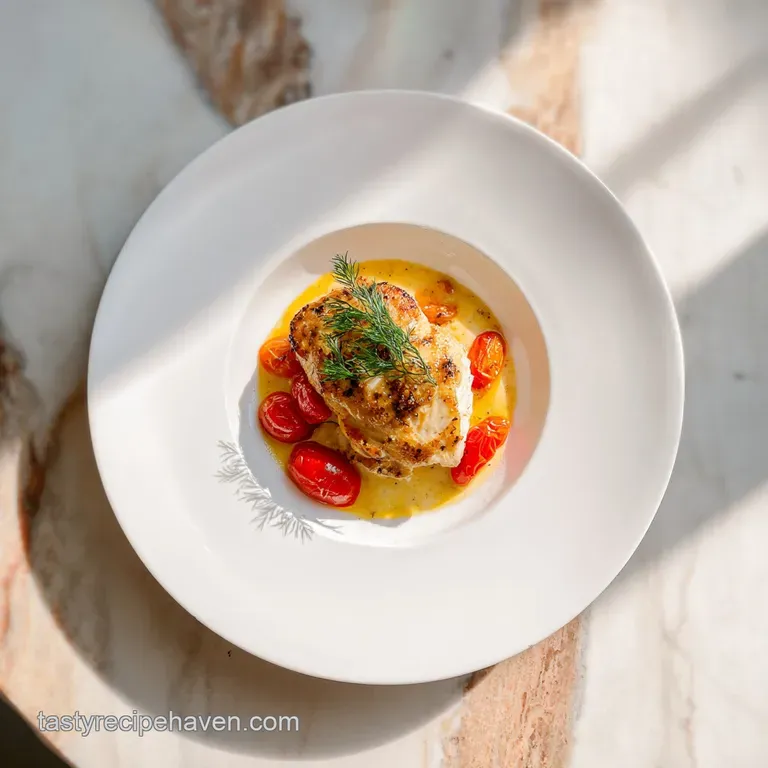
- Prep the protein. Pat the chicken breasts completely dry with paper towels to ensure a crisp sear. In a shallow bowl, whisk the flour, salt, and pepper, then dredge each piece, shaking off the excess until only a very fine dust remains.
- Sear for gold. Heat the olive oil and butter in your 12 inch skillet over medium high heat. Once the butter foam subsides and starts to smell nutty, add the chicken in batches. Note: Crowding the pan drops the temperature and ruins the crust.
- Monitor the heat. Cook the chicken for 4–5 minutes per side until a deep golden crust forms and the internal temperature hits 165°F. Remove the pieces to a warm plate and let them rest.
- Bloom the aromatics. Reduce the heat to medium. In that same skillet (don't you dare wash it!), add the minced garlic, oregano, and red pepper flakes. Sauté for exactly 1 minute until the garlic is fragrant and golden but not burnt.
- Add the tomatoes. Stir in the julienned sun dried tomatoes, letting them pick up some of the residual fat and heat for about 30 seconds.
- Deglaze the pan. Pour in the chicken stock and use your wooden spoon to scrape every single brown bit (the fond) off the bottom. Simmer for 2-3 minutes until the liquid reduces by half.
- Build the velvet. Slowly whisk in the room temperature heavy cream and the grated Parmesan cheese. Keep the heat at a gentle simmer for 2-3 minutes until the sauce thickens and coats the back of a spoon.
- Reunite and finish. Return the chicken and any juices from the plate back into the skillet. Spoon that luxurious sauce over the meat and simmer for 1 minute.
- The final touch. Remove from the heat and stir in the fresh lemon juice and basil. The residual heat will wilt the basil perfectly without turning it black.
- Serve immediately. Plate the chicken over your choice of pasta or grains, making sure to use every last drop of that sauce.
Pro Tips to Avoid A Kitchen Disaster
The biggest mistake I see people make with "Marry Me Chicken" is letting the sauce boil once the cream is added. High heat can cause the dairy proteins to clump and the fat to separate, leaving you with an oily, grainy mess. You want a "lazy bubble" think of it like a gentle simmer, not a rolling boil.
If you see the sauce starting to break, immediately pull it off the heat and whisk in a tablespoon of cold chicken stock to bring the temperature down.
Mastering the Maillard Sear
The "shatter" of the crust depends entirely on how dry your chicken is before it hits the flour. If it's damp, the flour becomes a paste, which then turns into a soggy skin. Use more paper towels than you think you need. Also, don't be afraid of high heat during the searing phase.
You want to hear an immediate, aggressive sizzle. If it sounds quiet, your pan isn't hot enough, and you'll end up overcooking the inside before the outside is brown.
Fixing a Broken Sauce
If your sauce looks oily or separated, it's usually because the heat was too high or the cheese was added too quickly. To fix this, remove the chicken, turn the heat to low, and add a splash of heavy cream while whisking vigorously. The fresh fats will help re emulsify the sauce.
Another trick is to add a tiny squeeze of lemon juice; the acid can sometimes help bring an emulsion back together.
| Problem | Root Cause | Solution |
|---|---|---|
| Grainy Sauce | Pre shredded cheese or high heat | Use block cheese and keep the simmer very low. |
| Bland Flavor | Under seasoned chicken or stock | Add a pinch more salt or a splash of lemon juice at the end. |
| Soggy Crust | Crowding the pan | Sear in batches to maintain high pan temperature. |
Common Mistakes Checklist
- ✓ Pat chicken completely dry (crucial for a crispy sear)
- ✓ Ensure heavy cream is room temperature before adding to the pan
- ✓ Grate your Parmesan by hand to avoid anti clumping starches
- ✓ Don't let the sauce reach a hard boil once the dairy is in
- ✓ Let the chicken rest for a few minutes while the sauce thickens
- ✓ Add the basil at the very end to keep the flavor bright and green
Adapting the Dish for Every Single Diet
If you're looking to lower the carb count, this recipe is naturally quite friendly once you swap out the flour dredge. You can actually sear the chicken with just salt and pepper, or use a light coating of almond flour. Instead of serving it over pasta, try zoodles or a big bed of sautéed spinach. The sauce is so flavorful that you won't even miss the noodles. For another creamy, low effort option that feels just as indulgent, check out my Million Dollar Chicken Bake.
For a dairy-free version, use a high-quality canned coconut milk (the full fat kind) in place of the heavy cream. You'll lose the Parmesan flavor, so I recommend adding a tablespoon of nutritional yeast to the sauce to mimic that nutty, cheesy depth.
Use a vegan butter substitute or just stick with olive oil for the sautéing. It won't be identical, but the sun dried tomatoes and garlic still do most of the heavy lifting.
Creating a dairy-free Alternative
When using coconut milk, the sauce might be slightly thinner. You can remedy this by letting the sauce simmer for an extra two minutes during the reduction phase. Also, be sure to use a splash more lemon juice to balance the natural sweetness of the coconut.
Lowering the Carb Count
To keep this keto friendly, skip the flour entirely. Use a heavy bottomed cast iron skillet to get a good sear on the naked chicken. You might lose that slight "crunch," but the internal temperature of 165°F will ensure the meat stays juicy.
Serving this over roasted cauliflower is a fantastic way to soak up all that extra cream sauce.
| Serving Size | Chicken Weight | Pan Size | Cook Time Adjust |
|---|---|---|---|
| 2 People | 0.75 lbs | 10 inch skillet | No change |
| 4 People | 1.5 lbs | 12 inch skillet | No change |
| 8 People | 3.0 lbs | Two 12 inch skillets | Work in batches |
Make-ahead Strategies and Savvy Leftover Hacks
This dish stores surprisingly well, though the chicken will lose its initial crispness. You can keep leftovers in an airtight container in the fridge for up to 3 days. When reheating, I highly recommend doing it on the stovetop over low heat.
Add a tiny splash of water or chicken stock to the pan to loosen the sauce back up, as the Parmesan will cause it to thicken significantly while cold.
I don't recommend freezing this dish as a finished product. Heavy cream based sauces have a tendency to "split" or become grainy when thawed and reheated. However, you can freeze the seared chicken separately.
If you must freeze the whole dish, be prepared to whisk it vigorously during the reheating process to try and bring the emulsion back together.
For a zero waste tip: don't throw away the oil from the sun dried tomato jar! That oil is infused with incredible tomato and herb flavor. Use it instead of the plain olive oil to sear your chicken for an extra layer of depth.
Also, if you have leftover sauce but no chicken, it makes an incredible dressing for a cold pasta salad the next day just thin it out with a little extra lemon juice and olive oil.
The Best Side Dishes for This Meal
This recipe is famous for its "Marry Me Chicken sauce," so you need a vessel to catch all that liquid gold. The most traditional choice is pasta something with nooks and crannies like penne, fusilli, or even a wide pappardelle.
If you want something a bit more sophisticated, serving this over a bed of creamy orzo is a game changer. The orzo acts like a sponge, soaking up the garlic and cream.
If you're not in the mood for pasta, a crusty piece of sourdough or a warm baguette is mandatory for "swiping" the plate. You can also serve it over mashed potatoes for the ultimate comfort food experience.
To balance the richness of the meal, I always suggest a bright, acidic side dish like a simple arugula salad with a lemon vinaigrette or some quickly blanched green beans tossed in garlic.
Another great option is to pair this with a vegetable heavy casserole. If you're hosting a bigger dinner and need something to fill the table, the flavors in this dish pair beautifully with a Broccoli Casserole recipe or even a simple roasted asparagus. The key is to keep the sides relatively simple so they don't compete with the complex, umami rich flavors of the chicken sauce.
Kitchen Wisdom and Myths
There's a common myth that searing meat "seals in the juices." In reality, moisture loss happens no matter what. The real reason we sear is for the Maillard reaction that complex chemical process that creates hundreds of new flavor compounds.
Without that golden crust, you're missing out on 50% of the dish's flavor. Another myth is that you can't use dried herbs. While fresh is often better, dried oregano actually stands up to the heat of the skillet much better than fresh, providing a more consistent herbal backbone to the sauce.
One thing people often worry about is the "pink" near the bone or in the center. If your thermometer reads 165°F (74°C), the chicken is safe to eat. Sometimes the color is just a result of the chicken's age or the way it was processed. Trust the temperature, not the color.
Finally,, don't be afraid of the red pepper flakes. Half a teaspoon spread across four servings provides a warmth that balances the cream, but it definitely won't make the dish "spicy" in a way that burns.
When you're finished, you'll have a pan full of what I truly believe is one of the best chicken dinners ever conceived. It’s hearty, it’s efficient, and it uses techniques that you can apply to almost any other protein.
Whether you're actually looking for a proposal or just a really good Tuesday night meal, this one never fails to deliver. Let me know how yours turns out and don't forget to scrape the pan!
Recipe FAQs
What is Marry Me Chicken actually?
It is a quick, creamy chicken dish featuring a sun-dried tomato and Parmesan based sauce. The name implies the flavor is so impressive it could secure a marriage proposal, but it essentially relies on the high contrast balance of rich cream and tangy aromatics.
Is Tuscan chicken the same as Marry Me Chicken?
No, they are different recipes. While both utilize heavy cream and sun-dried tomatoes, the Marry Me version specifically prioritizes a golden crust sear and a bright lemon basil finish that distinguishes its flavor profile.
What are the ingredients for Marry Me Chicken?
You will need chicken breasts, flour, olive oil, butter, garlic, oregano, and red pepper flakes. The sauce is built using chicken stock, heavy cream, sun-dried tomatoes, Parmesan cheese, fresh basil, and lemon juice.
Can you do Marry Me Chicken in the slow cooker?
No, the cooking method is not suitable for a slow cooker. The recipe relies on a high heat sear in a heavy bottomed skillet to build the fond and crust necessary for the final sauce texture, similar to how we manage flavor development in our Creamy Chicken Bake.
How to ensure the chicken breast stays tender?
Butterfly and pound the meat to an even 1/2 inch thickness before cooking. This ensures the chicken cooks through in exactly 4 5 minutes per side without the exterior drying out while waiting for the center to reach 165°F.
How to fix a sauce that is too thin?
Simmer the liquid longer to reduce the stock and cream base further. You can also increase the heat slightly, stirring constantly for 1 2 minutes to allow the moisture to evaporate until the sauce reaches a velvety consistency.
How to get the perfect golden crust on the chicken?
Pat the chicken completely dry with paper towels and dredge in flour before hitting the hot pan. Ensure the olive oil and butter are hot enough that the butter foam subsides before adding the meat, which allows for a crisp sear without the chicken sticking.
Creamy Marry Me Chicken