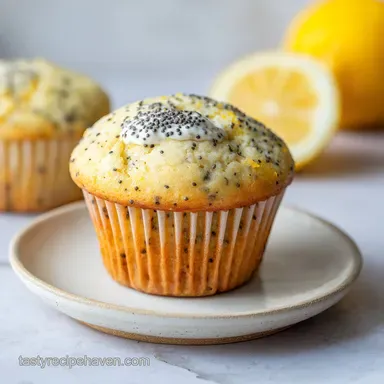
Healthy Lemon Poppyseed Protein Muffins
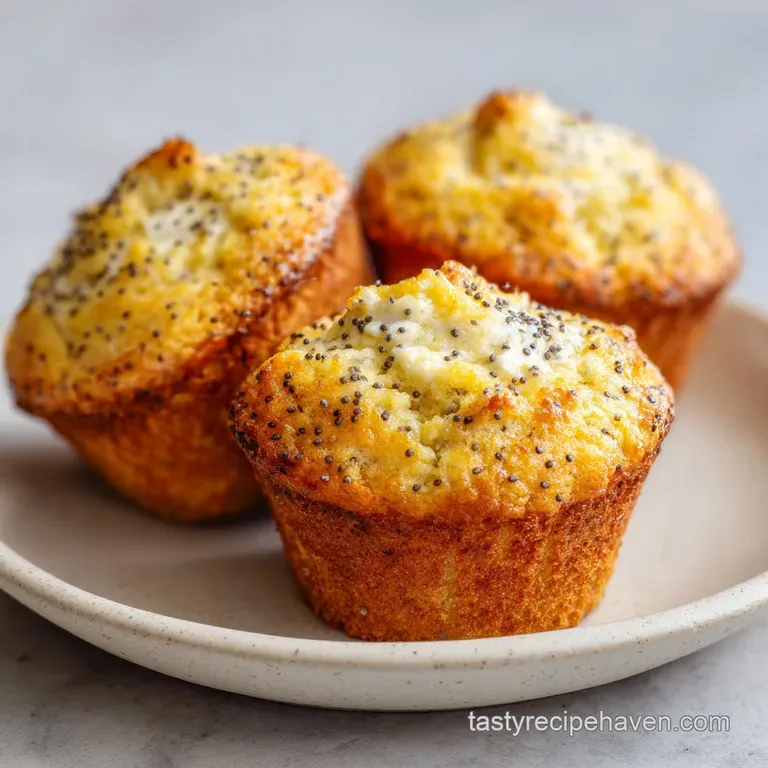
- Time: Active 10 minutes, Passive 15 minutes, Total 25 minutes
- Flavor/Texture Hook: Zesty, velvety crumb with a poppy seed crunch
- Perfect for: Post workout snacks or a nutrient dense breakfast prep
- Healthy Easy Quick Lemon Poppyseed Protein Muffin with Greek Yogurt
- The Ancient Roots of Citrus
- Nutrient Dense Flavor Layering Guide
- Core Baking Specifications Explained
- Essential Nutrient Dense Components
- Necessary Kitchen Baking Tools
- Layering Flavors Step By Step
- Preventing Common Baking Mistakes
- Sustainable Flavor Variations To Try
- Storage And Waste Reduction Tips
- Debunking Common Baking Myths
- Nutrient Dense Pairing Suggestions
- Recipe FAQs
- 📝 Recipe Card
Healthy Easy Quick Lemon Poppyseed Protein Muffin with Greek Yogurt
Discover a single, standout recipe for Healthy Easy Quick Lemon Poppyseed Protein Muffins featuring Greek Yogurt. If you've ever bitten into a bakery muffin only to feel that immediate sugar crash twenty minutes later, you know exactly why I started tweaking this citrus classic.
We want that bright, zingy punch of lemon and the satisfying "pop" of the seeds, but we also want to feel sustained through the morning.
Right then, let's talk about why this particular version is a staple in my kitchen. It isn't just a snack; it's a strategic piece of fuel that happens to taste like a sunny morning.
By swapping out refined flours for oat flour and boosting the protein with vanilla whey and Greek yogurt, we're creating a snack that actually respects your hunger levels.
The aroma that fills your kitchen when these hit the 10 minute mark in the oven is truly something else. It's that sharp, clean scent of lemon zest warming up, mingled with the sweet, mellow toasted scent of oats.
You'll find yourself standing by the oven door, waiting for that golden brown finish, just so you can break one open while the steam is still rising from the center.
The Ancient Roots of Citrus
The combination of lemon and poppy seeds isn't just a modern "health food" trend; it has deep roots in Central and Eastern European baking. If you look at the history of "Mohnkuchen" or traditional poppy seed rolls in Poland and Hungary, these tiny black seeds were often associated with luck and prosperity.
They were paired with citrus or honey to create dense, flavorful treats for celebrations.
In the Mediterranean, lemons have always been the star of the show, prized for their ability to cut through richness and brighten up even the simplest ingredients. When these two traditions collided in Western kitchens, the lemon poppy seed muffin was born.
It became a bakery window icon because of that striking visual contrast the bright yellow cake speckled with hundreds of tiny, dark seeds.
This recipe takes that cultural legacy and adapts it for our modern, fast paced lives. We're keeping the soul of the dish the zing and the crunch but updating the structural components.
Instead of the heavy butter and white sugar found in 19th-century recipes, we're using coconut oil and maple syrup to achieve a more sustainable energy profile without losing that classic, nostalgic flavor profile.
Nutrient Dense Flavor Layering Guide
The magic here happens because we don't just dump everything in a bowl. We build flavor in stages, ensuring the lemon is the hero of the story.
- Aromatic Solvent: Massaging zest into maple syrup dissolves essential oils, intensifying the citrus profile throughout the batter.
- Acid Base Lift: The lactic acid in Greek yogurt reacts with baking soda to create immediate carbon dioxide bubbles for a light rise.
- Protein Scaffolding: Whey protein provides structure that mimics gluten, preventing the oat flour from becoming too crumbly or dense.
- Moisture Retention: Oat flour and Greek yogurt work together to trap water molecules, ensuring the muffins stay velvety for days.
| Baking Checkpoint | Metric Value | Rest Time | Visual Cue |
|---|---|---|---|
| Batter Density | Thick/Lumpy | 2 minutes | Sticks to a spoon without running |
| Oven Temperature | 175°C | N/A | Consistent heat for even rising |
| Internal Finish | 95°C | 5 minutes | Tops spring back when pressed |
Before you dive into the dry ingredients, it is worth considering how you want to balance your meal. If you are looking for another way to use your yogurt, this yogurt blueberry muffins recipe offers a different fruit forward profile that works beautifully with the same base techniques.
Core Baking Specifications Explained
When we look at the components of this recipe, every item has a specific job to do. It’s not just about the calories; it’s about how the ingredients interact to create that specific, silky mouthfeel we’re chasing.
| Component | Scientific Role | Pro Secret |
|---|---|---|
| Greek Yogurt | Moisture & Acid | Use room temp yogurt to keep coconut oil from seizing up. |
| Oat Flour | Complex Carbohydrate | Let the batter sit for 2 mins to hydrate the oat fibers. |
| Whey Protein | Structural Integrity | Don't overmix; excess heat/friction can make whey rubbery. |
| Poppy Seeds | Texture & Fat | Toasted seeds provide a nutty depth that raw seeds lack. |
The Greek yogurt is arguably the hardest worker here. It provides the fat needed for a tender crumb while bringing in a tangy note that underscores the fresh lemon juice. Because we're using a non fat version, we supplement it with a small amount of coconut oil to ensure the muffins don't turn out "gummy," which is a common pitfall in fat free baking.
Essential Nutrient Dense Components
To get the best results, you'll want to gather these specific items. I always suggest weighing your protein powder if you can, as "scoops" can vary wildly between brands.
- 1.5 cups oat flour: Why this? Provides a nutty flavor and higher fiber content than all purpose flour.
- 60g vanilla whey protein powder: Why this? Adds sweetness and necessary structure to the flourless base.
- 2 tbsp poppy seeds: Why this? Essential for that classic crunch and a boost of minerals.
- 1.5 tsp baking powder: Why this? Provides the primary lift for a fluffy dome.
- 0.5 tsp baking soda: Why this? Reacts with the yogurt for extra browning and rise.
- 0.25 tsp fine sea salt: Why this? Sharpens the citrus notes and balances the maple sweetness.
- 1 cup plain non fat Greek yogurt: Why this? The moisture engine that keeps these muffins nutrient dense.
- 0.5 cup pure maple syrup: Why this? A liquid sweetener that adds subtle caramel undertones.
- 2 large eggs: Why this? Binds the ingredients and adds healthy fats and protein.
- 2 tbsp lemon zest: Why this? Contains the oils that provide 90% of the lemon flavor.
- 3 tbsp fresh lemon juice: Why this? Provides the acidity needed for the leavening reaction.
- 1 tsp pure vanilla extract: Why this? Smooths out the sharp citrus for a bakery style finish.
- 2 tbsp melted coconut oil: Why this? Adds a velvety fat source that stays solid at room temp.
| Original Ingredient | Substitute | Why It Works |
|---|---|---|
| Pure Maple Syrup | Honey | Similar viscosity; adds a floral note but browns faster. |
| Oat Flour | Spelt Flour | Adds a nutty flavor but contains gluten; better structure. |
| Coconut Oil | Avocado Oil | Stays liquid; Note: Result will be slightly more moist and soft. |
Necessary Kitchen Baking Tools
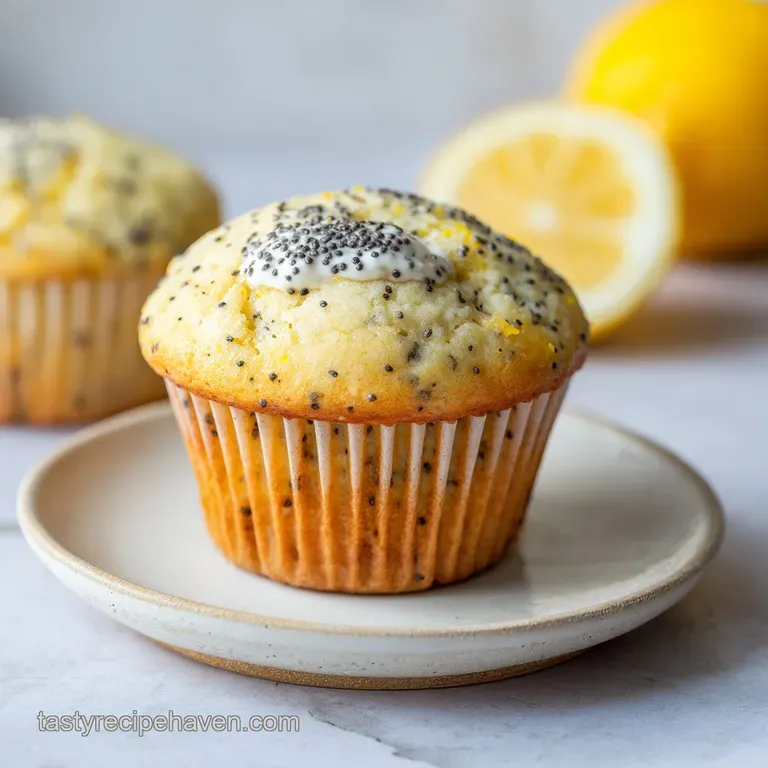
You don't need a high end lab to make these, but a few specific tools will make the process much smoother. I personally love using a silicone muffin tin if you have one, as protein based bakes can sometimes be a bit clingy to paper liners.
- 12 cup muffin tin: Standard size is best for the timing provided.
- Microplane or fine zester: Crucial for getting only the yellow part of the lemon skin (the white pith is bitter!).
- Large glass mixing bowl: Allows you to see if any dry pockets of flour are hiding at the bottom.
- Whisk and silicone spatula: You'll use the whisk for the wet emulsion and the spatula for the gentle folding of the dry bits.
- Measuring scales: Especially for the 60g of protein powder, as "scoops" are notoriously inaccurate.
Layering Flavors step by step
1. The Citrus Infusion Phase
Preheat your oven to 175°C and prepare your muffin tin. In your large bowl, combine the 2 tbsp of lemon zest and 0.5 cup of maple syrup. Take a sturdy spoon and press the zest into the syrup for a full 60 seconds.
Note: This friction breaks the zest's cells, releasing the oils into the syrup so the flavor is baked into the "DNA" of the muffin.
2. The Wet Emulsion
Whisk in 1 cup of Greek yogurt, 2 eggs, 3 tbsp of lemon juice, 1 tsp of vanilla, and 2 tbsp of melted coconut oil. Continue whisking until the mixture is pale, smooth, and no streaks of egg remain. You're looking for a velvety consistency here.
3. Combining the Base
Add the 1.5 cups of oat flour, 60g vanilla whey, 1.5 tsp baking powder, 0.5 tsp baking soda, 2 tbsp poppy seeds, and sea salt directly into the bowl. Note: Adding the poppy seeds now ensures they are evenly suspended in the thick batter rather than sinking to the bottom.
4. The Gentle Fold
Use your whisk or spatula to combine the ingredients until just moistened. The batter should look thick and a little lumpy. Do not keep mixing until it's perfectly smooth; that’s how you end up with tough, rubbery muffins.
5. Portioning and Baking
Distribute the batter evenly among the 12 cups. They should be about three quarters full. Slide them into the center of the oven and bake for 15 minutes. Wait until the tops are golden and spring back when you give them a light tap with your finger.
6. The Cooling Process
Let the muffins sit in the tin for 5 minutes before moving them to a wire rack. This "carryover" cooking time helps the center set perfectly without drying out the edges.
Preventing Common Baking Mistakes
Even with a quick recipe, things can go sideways if you aren't careful with the heat or the mixing. Most "failed" protein bakes come down to overworking the batter or using the wrong type of protein powder (casein, for instance, absorbs way more liquid than whey).
Why Your Muffins Are Rubbery
If your muffins have the texture of a bouncy ball, you likely overmixed the batter. When you mix whey protein and eggs too vigorously after the dry ingredients are added, you create a dense, elastic structure. Think of it like a pancake the more you stir, the tougher it gets.
Stop the moment you see the last streak of flour disappear.
Why Your Muffins Didn't Rise
This usually comes down to old leavening agents or a slow trip to the oven. Once the lemon juice and yogurt hit the baking soda, the clock starts ticking. If you let the batter sit on the counter for 20 minutes while the oven preheats, all those beautiful bubbles will pop before they ever hit the heat.
| Problem | Root Cause | Solution |
|---|---|---|
| Gummy center | Underbaked or too much yogurt | Bake 2 mins longer; check with a toothpick. |
| Dry/Crumbly | Too much protein powder | Ensure you used exactly 60g; don't "pack" the scoop. |
| No lemon flavor | Old zest or bottled juice | Always use fresh zest and freshly squeezed juice. |
Common Mistakes Checklist:
- ✓ Ensure the oven is fully preheated to 175°C before the batter is finished.
- ✓ Check the expiration date on your baking soda; it's the engine of this recipe.
- ✓ Use room temperature eggs so the melted coconut oil doesn't clump up.
- ✓ Don't skip the zest massaging step it's the difference between "okay" and "amazing."
- ✓ Fill the muffin liners immediately after mixing to capture the chemical lift.
Sustainable Flavor Variations To Try
If you want to keep your breakfast routine interesting, there are plenty of ways to pivot this recipe while keeping the nutrition on point.
For a Zesty Glaze Twist
If you aren't worried about the extra few grams of sugar, whisk together a bit of powdered erythritol (or monk fruit) with a splash of lemon juice. Drizzle this over the cooled muffins. It creates a "shatter" effect on the crust that mimics high end bakery treats.
The dairy-free Alternative
You can swap the Greek yogurt for a thick coconut based yogurt. Just keep in mind that the protein content will drop significantly, so you might want to add an extra 10g of protein powder to compensate for the structural loss.
For an Extra Protein Boost
If you're using these as a specific post workout recovery tool, you can replace 1/4 cup of the oat flour with an additional scoop of collagen peptides. This won't change the flavor, but it will add a different amino acid profile to the mix.
If you find yourself with extra yogurt and want to meal prep something for the next day, these greek yogurt pancakes-3 ways are an excellent sustainable option that follows similar nutritional principles.
| Variation | Change | Outcome |
|---|---|---|
| Lime Poppyseed | Swap lemon for lime | More tropical, slightly more tart flavor. |
| Almond Extract | Add 0.5 tsp | Creates a "wedding cake" flavor profile. |
| Blueberries | Add 0.5 cup | Extra moisture; Note: Increases bake time by 3 mins. |
Storage And Waste Reduction Tips
One of the best things about using oat flour and Greek yogurt is how well these muffins hold onto their moisture. Unlike traditional white flour muffins that turn into hockey pucks by day two, these stay velvety.
- Fridge: Store in an airtight container for up to 5 days. The lemon flavor actually deepens slightly on day two.
- Freezer: Wrap individual muffins in parchment paper and place them in a freezer bag. They’ll stay fresh for 3 months. To reheat, just zap them in the microwave for 30 seconds.
- Zero Waste: Don't throw away your "naked" lemons! After zesting and juicing, throw the husks into a jar of white vinegar. After two weeks, you'll have a powerful, citrus scented natural cleaner for your kitchen counters.
If you have leftover oats but not enough for another batch of muffins, you can always blend them into a healthy pineapple smoothie for a fiber boost that pairs beautifully with the tropical notes of the coconut oil used in this bake.
Debunking Common Baking Myths
Myth: "You must use oil for a moist muffin." Truth: While fat is essential, Greek yogurt provides a massive amount of moisture through its water and protein content. The small amount of coconut oil here is just for mouthfeel, not the primary source of hydration.
Myth: "Protein powder always makes baking dry." Truth: Dryness happens when you use too much powder or the wrong type. Whey protein, when balanced with a "wet" ingredient like yogurt or fruit puree, can actually create a very tender, cake like crumb.
Myth: "Fresh lemons and bottled juice are the same." Truth: Bottled juice often has a "cooked" or metallic taste due to pasteurization. Freshly squeezed juice contains active enzymes and a brighter acidity that is necessary for the baking soda to react properly.
Nutrient Dense Pairing Suggestions
To turn these muffins into a complete, sustainable meal, I like to think about what else I can add to the plate. While they are great on their own, a few additions can make them even more satisfying.
I often serve a warm muffin alongside a bowl of fresh berries or a dollop of extra Greek yogurt mixed with a little cinnamon. The contrast between the cold yogurt and the warm, zesty muffin is incredible.
If you're looking for a more decadent, yet still nutrient dense topping, a thin layer of almond butter provides some healthy fats that slow down digestion even further.
For a mid afternoon treat that feels like a total indulgence, try pairing a muffin with a small portion of raw avocado lime mousse. The lime in the mousse echoes the lemon in the muffin, creating a citrus layered experience that is both silky and satisfying. It’s a great way to get in those healthy fats while keeping the overall meal profile clean and energizing.
Right then, I think you're ready to get baking. These muffins are honestly the easiest way to keep your healthy eating goals on track without feeling like you're missing out on the good stuff. Just remember: don't overmix, use fresh lemons, and let them rest for those few minutes after baking. You've got this!
Recipe FAQs
Is it true I must use high heat to get these to rise?
No, this is a common misconception. You should preheat your oven to 350°F (175°C) and bake for exactly 15 minutes; higher heat will burn the edges before the center sets.
How to ensure the muffins don't turn out dry?
Combine the ingredients until just moistened and stop immediately. Over mixing develops too much structure in the protein powder and oat flour, leading to a tough texture rather than the desired velvety crumb.
How to get the most lemon flavor without extra ingredients?
Press the lemon zest into the maple syrup with the back of a spoon for 60 seconds. This technique releases the essential oils into the syrup, infusing the entire base. If you enjoy mastering this kind of flavor extraction technique, you can apply similar principles to your dressings for deeper complexity.
Is it necessary to use muffin liners for this recipe?
Yes, always use liners or grease your tin thoroughly. Because these use Greek yogurt and oat flour rather than traditional fats, they have a tendency to stick to the pan if not properly prepared.
How to store leftovers so they stay moist?
Place them in an airtight container for up to 5 days in the refrigerator. The Greek yogurt acts as a natural humectant, keeping the crumb soft and flavorful for several days.
Can I freeze these muffins for later?
Yes, wrap each muffin in parchment paper and store them in a freezer bag for up to 3 months. When you are ready to eat, simply microwave one for 30 seconds to restore that fresh baked texture.
How to tell when the muffins are finished baking?
Check that the tops are golden and spring back when touched. If they remain indented, they require an additional minute, though they should be done by the 15-minute mark at 350°F.
Lemon Poppyseed Protein Muffins