Velvety Cheddar Cheese Sauce: 10 Minutes
Smooth and flour-free, this cheddar-based sauce is designed for those who need a glossy finish for their macaroni or steamed vegetables without the extra steps of a roux.
flour-free technique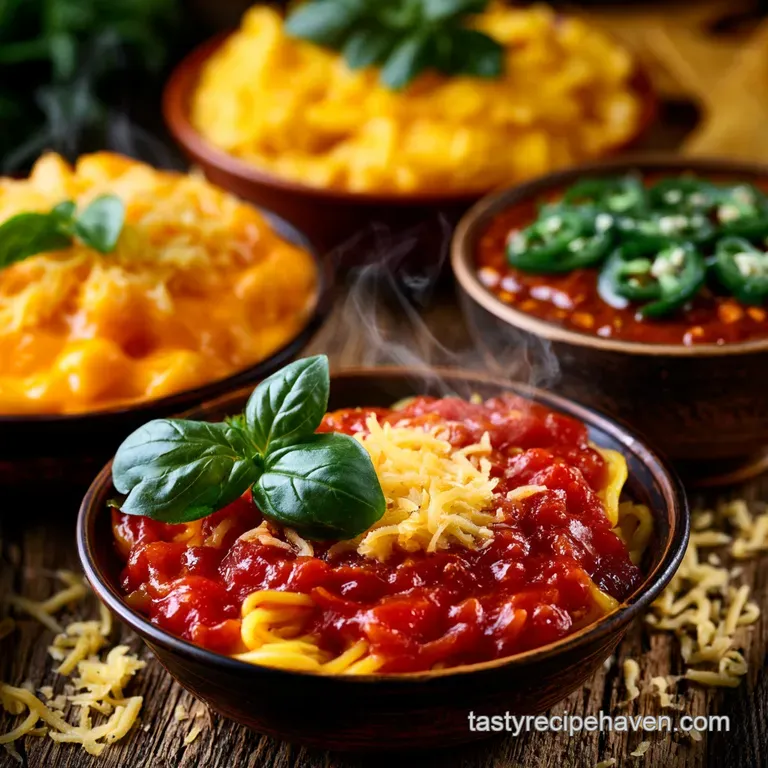
Making sauce at home changes the profile of a simple meal, moving it away from the predictable taste of jarred options. These recipes focus on straightforward techniques and common pantry ingredients to help you prepare a fresh dinner without spending hours in the kitchen.
Whether you're looking for a rich cheese topping for macaroni or a simmered tomato base for traditional pasta, these options cover several popular flavor profiles. Most of these sauces come together in under 20 minutes, making them a practical choice for busy evenings.
These cheese-based options work well for classic macaroni, stuffed shells, or even topping baked potatoes. They focus on achieving a smooth, glossy finish without the need for complex roux-making, ensuring a consistent texture every time.
Smooth and flour-free, this cheddar-based sauce is designed for those who need a glossy finish for their macaroni or steamed vegetables without the extra steps of a roux.
flour-free techniqueUsing a one-pot approach, this recipe focuses on a smooth, stovetop-prepared sauce that coats every noodle evenly, making it a reliable solution for fast weeknight meals.
one-pot comfortThis spicy cheese dip doubles as a bold sauce for southwest-style pasta or taco-inspired noodle dishes, providing a zesty alternative to traditional mac and cheese flavors.
spicy jalapeno kickWhether you want a simmered red sauce or a savory glaze for noodles, these recipes offer depth beyond standard cheese toppings. They provide the foundation for more structured dinner formats like spaghetti or fusion-style stir-fry pasta.
Traditional San Marzano tomatoes form the base of this authentic sauce, simmered to develop a rich profile that pairs perfectly with spaghetti or large pasta shapes like penne.
traditional san marzanoWhile typically used for stir-fry, this sweet and savory Japanese-inspired glaze creates an excellent fusion pasta when tossed with thick noodles and fresh sautéed garden vegetables.
savory japanese glaze| Recipes | Best For | Time | Difficulty | Style |
|---|---|---|---|---|
| Nacho Cheese Sauce with Jalapeños | taco-style pasta | 10 min | Easy | Spicy Cheese |
| Authentic Italian Tomato Sauce for Pasta | traditional spaghetti | 55 min | Intermediate | Traditional Red |
| Cheddar Cheese Sauce | homemade macaroni | 10 min | Easy | Cheddar Cheese |
| Teriyaki Sauce | fusion noodle dishes | 15 min | Easy | Japanese Glaze |
| Stovetop Macaroni Cheese | one-pot family meals | 20 min | Beginner | Creamy Cheese |
Discover more curated recipe collections
Explore more recipe collections →