Velvety Cheddar Cheese Sauce: 10 Minutes
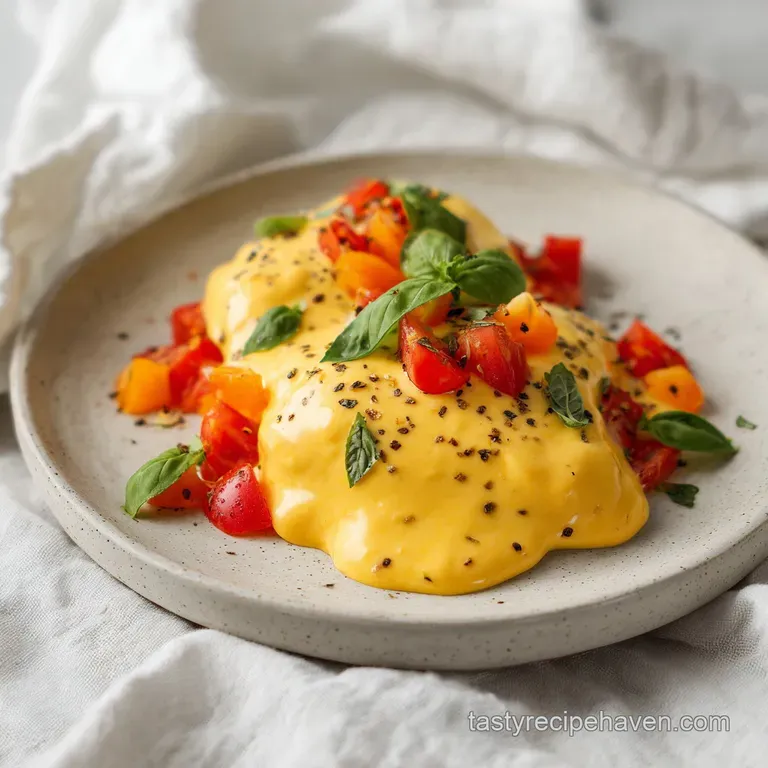
- Time: Active 5 minutes, Passive 5 minutes, Total 10 minutes
- Flavor/Texture Hook: Sharp, savory, and incredibly silky
- Perfect for: Weeknight dinners, game day dips, or vegetable sides
- Creating a Silky Cheddar Cheese Sauce
- Key Techniques for Texture
- Essential Building Blocks
- Minimal Tools Required
- Bringing the Sauce Together
- Troubleshooting and Fixes
- Creative Sauce Variations
- Precise Scaling Guidelines
- Debunking Common Kitchen Myths
- Storage and Reheating
- Best Pairing Ideas
- Recipe FAQs
- 📝 Recipe Card
Creating a Silky Cheddar Cheese Sauce
There is nothing quite like the sizzle of butter hitting a warm pan and that specific, nutty aroma of flour whisking into a golden paste. I remember the first time I tried to make a homemade cheese sauce for a family movie night.
I thought I could just toss a bag of pre shredded cheddar into some warm milk and call it a day. What I ended up with was a gritty, oily puddle that looked more like a science experiment gone wrong than a topping for nachos.
It was a total mess, and my kids just looked at me with those "are we really eating this?" eyes.
That failure sent me down a rabbit hole of cheese chemistry. I learned that the secret isn't just in the cheese itself, but in how you build the foundation to hold that fat and protein together.
Once you see that moment when the milk thickens into a glossy ribbon and the cheese melts into a velvety stream, you'll feel like a kitchen wizard. This Cheddar Cheese Sauce is the recipe I use when I need something reliable, fast, and better than anything from a jar.
It's about taking ten minutes to do it right so you can enjoy every single bite.
We've all been there, staring at a pot of lumpy sauce wondering where it went south. But trust me on this: once you nail the roux and the slow pour technique, you’ll be making this on autopilot.
Whether you're pouring this over a big bowl of steamed cauliflower or using it as a base for an incredible mac and cheese, this recipe is your new best friend. Let's crack on and get into the nitty gritty of why this works so well every single time.
Key Techniques for Texture
The magic behind this recipe lies in the science of emulsification and starch stabilization. If you just melted cheese on its own, the proteins would clump together and the fat would separate, leaving you with a greasy mess.
By using a flour based roux, we create a structural web that keeps those ingredients in harmony.
- Starch Gelatinization: The flour particles swell and trap water molecules as they heat, creating a thick base that prevents the cheese from breaking.
- Casein Stabilization: The proteins in the cheddar (caseins) are prone to tightening under high heat; the milk fats and roux act as a buffer to keep them fluid.
- Fat Suspension: Whisking the milk slowly into the roux ensures the fat from the butter stays evenly distributed throughout the liquid.
- Thermal Control: Adding the cheese off the heat prevents it from reaching the "break point" where it becomes stringy and tough.
| Method | Prep Time | Flavor Depth | Texture Outcome |
|---|---|---|---|
| Freshly Grated Block | 5 minutes | Intense and sharp | Silky, glossy melt |
| Pre shredded Bag | 1 minute | Muted and starchy | Grainy or clumpy finish |
Choosing the right approach matters because pre shredded cheeses are coated in potato starch or cellulose to prevent clumping in the bag. While convenient, that extra coating prevents the cheese from integrating smoothly into your sauce.
If you want that "liquid gold" look, spend the extra three minutes with a box grater. It makes a world of difference in how the sauce feels on your tongue.
Essential Building Blocks
To get the most out of your Cheddar Cheese Sauce, you need to understand what each component brings to the table. We aren't just tossing things in a pot; we're building layers of flavor and stability. This isn't a place for low-fat substitutions if you want the best result.
| Ingredient | Science Role | Pro Secret |
|---|---|---|
| Unsalted Butter | Fat base for roux | Use high-quality butter for a creamier mouthfeel |
| All Purpose Flour | Thickening agent | Cook it for 60 seconds to remove the raw grain taste |
| Sharp Cheddar | Flavor & Body | Grate it fine so it melts instantly without high heat |
| Dry Mustard | Emulsifier | Acts as a bridge between fat and water for stability |
For the liquid, I always reach for whole milk. It has the right balance of water and fat to create a sauce that is rich but not overly heavy. If you're looking for a similar creamy vibe in a different dish, you might notice this technique is very close to the one used in my Broccoli Cheese and recipe. The goal is a consistent, smooth liquid that coats the back of a spoon perfectly.
The Component List
- 2 tablespoons unsalted butter: Provides the fat for our roux. Why this? Butter adds a depth of flavor that oil simply cannot match here.
- Substitute: Salted butter (just reduce the added salt later).
- 2 tablespoons all purpose flour: Our primary thickener. Why this? It creates a stable structure that prevents the cheese from separating.
- Substitute: Sweet rice flour for a gluten-free option.
- 1 cup whole milk: The liquid base. Why this? Whole milk offers the best fat content for a silky finish.
- Substitute: 2% milk (it will be slightly thinner).
- 1.5 cups sharp cheddar cheese, freshly grated: The star of the show. Why this? Sharp cheddar provides the most punchy, classic cheese flavor.
- Substitute: Mild cheddar for a kid friendly, mellow version.
- 0.25 teaspoon dry mustard powder: An invisible flavor booster. Why this? It cuts through the richness and helps emulsify the sauce.
- Substitute: 1 teaspoon of Dijon mustard.
- 0.25 teaspoon salt: To bring out all the flavors.
- Substitute: Smoked salt for a campfire vibe.
- 1 pinch black pepper: For a tiny bit of bite.
- 1 pinch garlic powder or cayenne pepper: Adds complexity or heat.
Minimal Tools Required
You don't need a kitchen full of gadgets for this. In fact, keeping it simple is better. A heavy bottomed saucepan is your best friend here because it distributes heat evenly, preventing the bottom from scorching while you whisk.
If you use a thin pan, you'll find the sauce catches and burns before the flour is even cooked.
A silicone coated whisk is also a game changer. It gets into the "corners" of the pan where flour likes to hide and clump up. Since we're working with dairy, a gentle touch is better than aggressive beating. You'll also need a box grater.
Honestly, don't even bother with the pre shredded stuff; the manual effort of grating a 6 oz block of cheese is the single biggest "trick" to a perfect sauce.
Bringing the Sauce Together
- Melt the butter. Place your saucepan over medium low heat and add the 2 tablespoons of unsalted butter. Note: Don't let it brown; you just want it liquid and bubbling slightly.
- Create the roux. Sprinkle in the 2 tablespoons of all purpose flour. whisk constantly for about 1 minute until the mixture looks like wet sand and smells slightly nutty.
- Add the dry spices. Stir in the 0.25 teaspoon dry mustard powder, 0.25 teaspoon salt, pepper, and garlic powder. Note: Toasting the spices in the fat wakes up their oils.
- Pour the milk slowly. Gradually drizzle in about 2 tablespoons of the 1 cup of whole milk while whisking vigorously. Note: This creates a thick paste first, preventing lumps later.
- Incorporate remaining milk. Continue adding the milk in a slow, steady stream, whisking the entire time until the mixture is completely smooth and liquid.
- Thicken the base. Increase the heat to medium and cook for 3 to 5 minutes, whisking occasionally. Note: It's ready when the sauce thickens enough to coat the back of a spoon.
- Remove from heat. This is the most important step. Pull the pan off the burner entirely.
- Fold in the cheese. Add the 1.5 cups of freshly grated sharp cheddar in three small batches.
- Stir until velvety. Use a spatula or whisk to gently stir until the cheese is completely melted and the sauce is glossy.
- Taste and adjust. Give it a quick try and add more salt or a dash of cayenne if you want more kick.
| Serving Size | Butter/Flour | Milk | Cheese |
|---|---|---|---|
| 2-3 People | 1 tbsp each | 0.5 cup | 0.75 cup |
| 6 People (Standard) | 2 tbsp each | 1 cup | 1.5 cups |
| 12 People (Party) | 4 tbsp each | 2 cups | 3 cups |
If you find yourself needing a punchier, more dip like consistency for chips, you might want to try a Nacho Cheese Sauce recipe which uses similar principles but adds a bit more liquid and spice. For this version, the focus is on that pure, sharp cheddar essence.
Troubleshooting and Fixes

Even with the best intentions, things can go sideways. The most common issue is a sauce that looks "broken" or oily. This usually happens when the heat is too high, causing the proteins in the cheese to clump together and squeeze out the fat. If you see oil beads on top, don't panic.
Another frequent headache is a floury aftertaste. This means the roux wasn't cooked long enough at the start. You really need that full minute of bubbling to transform the raw starch. If the sauce is already done and tastes like flour, there isn't a perfect fix, but adding a touch more cheese and salt can help mask it.
Why Your Sauce Is Grainy
A grainy texture is usually the result of using pre shredded cheese or overheating the dairy. When cheese gets too hot, the proteins denature and turn into little "grains" that feel like sand.
| Problem | Root Cause | Solution |
|---|---|---|
| Grainy texture | Heat was too high when adding cheese | Whisk in a splash of cold milk off the heat |
| Too thick to pour | Milk evaporated too much | Stir in extra milk 1 tablespoon at a time |
| Broken or oily | Temperature shock | Remove from heat and whisk vigorously with a tiny bit of lemon juice |
Common Mistakes Checklist
- ✓ Never use pre shredded cheese; the cellulose coating ruins the texture.
- ✓ Always remove the pan from the heat before adding the cheese.
- ✓ Whisk the milk in slowly at first to prevent stubborn flour lumps.
- ✓ Use a heavy bottomed pan to avoid scorching the milk on the bottom.
- ✓ Cook the flour and butter for at least a minute to avoid a "pasty" flavor.
Creative Sauce Variations
Once you have the base down, you can take this in a dozen different directions. For a spicy kick, I love adding a tablespoon of diced canned green chiles or a splash of hot sauce right at the end. It transforms the sauce from a simple topping into a bold dip. If you're looking for something even more festive, check out my Cheese Ball Recipe for your next gathering.
For a gluten free Cheese Sauce Recipe
To make this gluten-free, swap the 2 tablespoons of all purpose flour for 1 tablespoon of cornstarch. However, do not make a roux with it. Instead, whisk the cornstarch into the cold milk first, then heat the milk and butter together until thickened before adding the cheese.
The result is a slightly more translucent sauce that is incredibly smooth.
For a Spicy Nacho Variation
If you want that classic ballpark feel, use Monterey Jack or a Colby Jack blend instead of sharp cheddar. Add a pinch of cumin, a teaspoon of chili powder, and a splash of pickled jalapeño juice. It gives the sauce that tangy, addictive bite that everyone loves on game day.
Precise Scaling Guidelines
Scaling this recipe is fairly straightforward, but there are a few things to keep in mind as you grow the volume. When doubling the recipe to 12 servings, you don't necessarily need to double the salt and spices right away. Start with 1.5 times the amount and taste as you go.
If you are cutting the recipe in half, the process happens much faster. Use a smaller saucepan so the liquid doesn't evaporate too quickly. A large skillet might make the milk disappear before you can even get the cheese grated!
For baking applications where you double the recipe, like a large casserole, reduce the oven temperature by 25°F (approx. 15°C) to prevent the edges of the cheese sauce from curdling before the center is hot.
Debunking Common Kitchen Myths
One big myth is that you need "cheese product" like Velveeta to get a smooth melt. While those products are designed to be stable, a proper roux provides the same emulsifying power with much better flavor. You don't need additives when you have starch and fat on your side.
Another misconception is that the fat content of the milk doesn't matter. While you can make this with skim milk, the lack of fat makes the sauce more prone to breaking and gives it a "thin" mouthfeel.
The fat in whole milk acts as a literal cushion for the cheese proteins, so it’s worth the extra calories for the texture alone.
Storage and Reheating
This sauce keeps remarkably well in the fridge for up to 4 days. Store it in an airtight glass container to prevent it from picking up other food odors. When it cools, it will firm up into a thick, almost spreadable paste. That is completely normal don't think it's ruined!
For zero waste, if you have just a little bit left over, don't throw it out. Use it as a spread for a gourmet grilled cheese or stir it into a bowl of plain rice. You can even freeze the sauce in silicone ice cube trays for up to 2 months.
Just pop out a cube or two whenever you need a quick flavor boost for steamed veggies.
To reheat, the microwave is usually too aggressive. Instead, place the sauce in a small saucepan over low heat. Add a splash of milk (about 1 teaspoon per half cup of sauce) and whisk constantly as it warms up.
This re introduces moisture and helps the emulsion reform, bringing back that silky, pourable gold you started with. Keep the heat low and be patient; high heat during reheating is the fastest way to make a sauce turn oily.
Best Pairing Ideas
This Cheddar Cheese Sauce is incredibly versatile. My favorite way to serve it is over a massive pile of roasted broccoli or roasted potatoes. The char from the vegetables against the creamy, sharp sauce is a match made in heaven. It also works beautifully as a quick "fondue" for crusty bread cubes or apple slices.
If you're looking for a simple weeknight main, boil some elbow pasta and toss it with this sauce for an instant mac and cheese that blows the boxed stuff out of the water. It also makes a fantastic topping for baked potatoes, especially if you add some crispy bacon bits and chives on top. For another comforting option, try pairing this technique with the flavors in my Crockpot Mac and recipe. No matter how you serve it, this sauce is the ultimate comfort food upgrade.
Recipe FAQs
What are the ingredients in cheddar cheese sauce?
The core ingredients are butter, all-purpose flour, whole milk, and freshly grated sharp cheddar cheese. You also need key flavor stabilizers like dry mustard powder, salt, and pepper to ensure a smooth, savory finish.
How to make a very simple cheese sauce?
Melt butter, whisk in flour to form a roux, cook for one minute, then slowly whisk in milk until thickened. Remove from heat and gently stir in grated cheddar until fully melted and glossy.
What's the secret to a perfect cheddar cheese sauce?
Removing the pan from the heat before adding the cheese is the secret to avoiding separation. High heat causes the cheese proteins to seize, leading to graininess; adding it off the burner allows the fat and liquid to incorporate smoothly.
Will cheddar cheese melt into a sauce without flour?
No, pure melted cheddar will almost always break and become oily or grainy without a stabilizer. The flour (or starch) in the roux creates a structure to hold the fat and liquid together, creating the necessary smooth emulsion.
What type of cheddar cheese should I use for the best flavor?
Always use freshly grated sharp cheddar cheese for the strongest flavor profile. Pre-shredded cheese contains anti caking agents that prevent it from melting properly into a velvety sauce.
What is the correct temperature to add milk to the roux?
Add the milk very slowly while whisking vigorously, regardless of the roux's temperature, after you have cooked the flour base. This ensures you are creating a stable paste before introducing the bulk of the liquid, which helps prevent lumps from forming.
Can I substitute whole milk for a lower fat option in this sauce?
Yes, but you risk a less creamy and more delicate sauce texture. Whole milk fat provides necessary cushioning against the cheese proteins; using skim milk increases the chance of the sauce breaking, similar to what happens if you rush the emulsification in our Smoked Cheese Jalapeno recipe.
Quick Cheddar Cheese Sauce