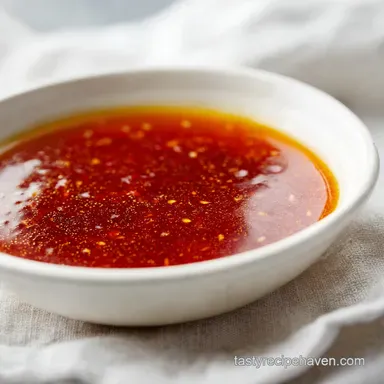
Easy Homemade Teriyaki Sauce
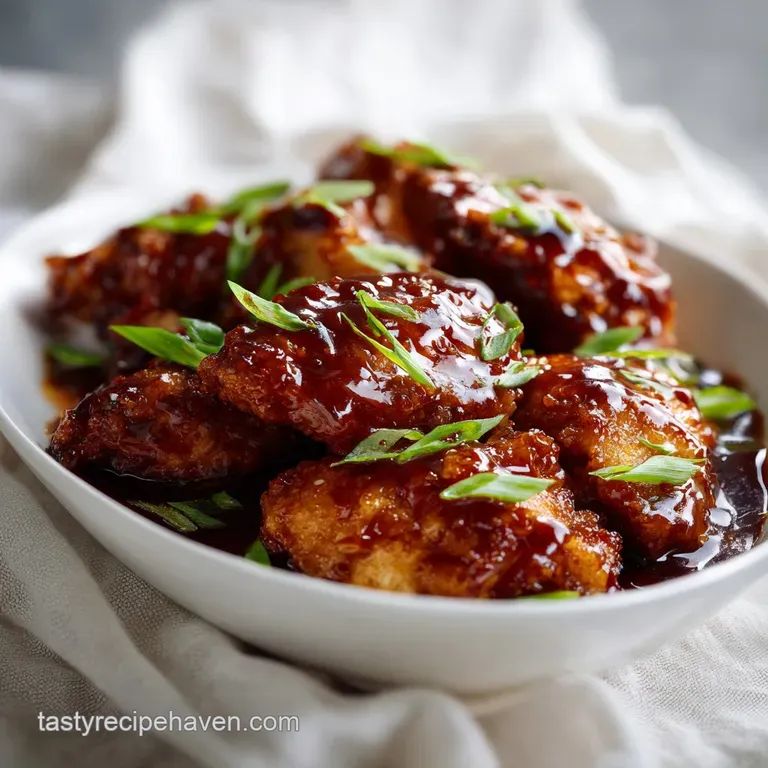
- Time: Active 5 minutes, Passive 10 minutes, Total 15 minutes
- Flavor/Texture Hook: Velvety, glossy, and pungent with fresh aromatics
- Perfect for: Weeknight stir fry, meal prep, and beginner friendly glazing
- Creating the Ultimate Homemade Teriyaki Sauce
- Essential Specs for This Recipe
- Analyzing Our Key Sauce Ingredients
- Minimal Tools for Big Flavor
- Simple Steps to Silky Glaze
- Fixing Your Common Sauce Problems
- Clever Substitutions and Flavor Variations
- Managing Your Leftovers and Prep
- Perfect Pairings for Your Dinner
- Teriyaki Sauce FAQs
- 📝 Recipe Card
Creating the Ultimate Homemade Teriyaki Sauce
Right then, let's talk about that specific sizzle when a cold glaze hits a hot pan. You know the one where the sugar starts to caramelize almost instantly and that pungent, gingery aroma fills the whole kitchen.
For years, I just grabbed whatever bottle was on sale at the grocery store, thinking it was just "salty brown liquid." I couldn't have been more wrong. The store-bought stuff is often thickened with way too much cheap stabilizer, leaving it with a weird, jelly like texture that never quite clings to the chicken the right way.
I remember one Tuesday night I was in a total scramble. I had the chicken thighs ready, the broccoli chopped, but the bottle in the fridge was bone dry. I looked at my pantry, saw the soy sauce and a dusty bottle of mirin, and decided to just wing it. That was the night everything changed.
When you make your own Teriyaki Sauce, you control the "gloss factor." You get that deep, mahogany color and a velvety mouthfeel that simply doesn't exist in a plastic bottle. It’s the difference between a sad, watery stir fry and a meal that looks like it came out of a high end kitchen.
Essential Specs for This Recipe
Before we get the stove going, let's look at the numbers. We’ve all been there trying to scale a recipe for a big family dinner and ending up with a sauce that's either way too thin or salty enough to pickle a shoe. This version is designed to be manageable and reliable.
The Physics of the Gloss: Mirin and honey work together to create a high viscosity sugar bond that reflects light. This creates the "mirror finish" typical of high-quality Japanese glazes without requiring hours of reduction.
| Feature | Fresh Homemade | store-bought Shortcut | Impact on Dish |
|---|---|---|---|
| Aroma | Sharp ginger and garlic | Muted, artificial | Fresh brings out meat flavors |
| Texture | Silky and clinging | Gloopy or watery | Clinging ensures flavor in every bite |
| Sugar Type | Honey and Brown Sugar | High Fructose Corn Syrup | Natural sugars caramelize better |
This recipe yields about 12 servings, which is roughly 1.5 cups of sauce. It’s the perfect amount for a family stir fry with enough left over for a little extra drizzling at the table. If you're looking for something with a different flavor profile, you might enjoy trying a 3 Ingredient Homemade recipe for those nights when the pantry is truly bare.
Analyzing Our Key Sauce Ingredients
Every ingredient here has a specific job. We aren't just throwing things in a pot; we're building a structural glaze. The soy sauce provides the salt and the deep color, while the sake and mirin add the acidity and that characteristic Japanese "funk" that makes the sauce feel authentic rather than just a sweet syrup.
| Ingredient | Science Role | Pro Secret |
|---|---|---|
| Low Sodium Soy Sauce | Amino acid base for umami | Always use low sodium to control the final salt concentration during reduction. |
| Mirin | Sugar alcohol luster | The alcohol prevents the sugar from crystallizing, keeping the sauce translucent. |
| Cornstarch | Starch gelatinization | Must be dissolved in cold water first to prevent "flour clumps" in the heat. |
Chef Tip: I like to freeze my fresh ginger root for about 10 minutes before grating. It makes the fibers firm so the grater slices right through them instead of turning the ginger into a stringy mess.
Minimal Tools for Big Flavor
You don't need a professional setup for this. In fact, keeping the tools simple makes the cleanup a breeze, which is my number one priority on a weeknight. You'll need a small saucepan something with a heavy bottom is best to prevent the sugar from scorching.
A simple whisk is non negotiable here; it's the only way to ensure that cornstarch slurry incorporates into the soy base without leaving those tiny white beads of starch behind.
I also recommend using a microplane or a very fine grater for the garlic and ginger. We want these aromatics to almost melt into the liquid. If you leave them in big chunks, they’ll burn in the pan later when you're searing your protein.
A small jar for mixing the slurry is also helpful just shake it up and you're good to go.
Simple Steps to Silky Glaze
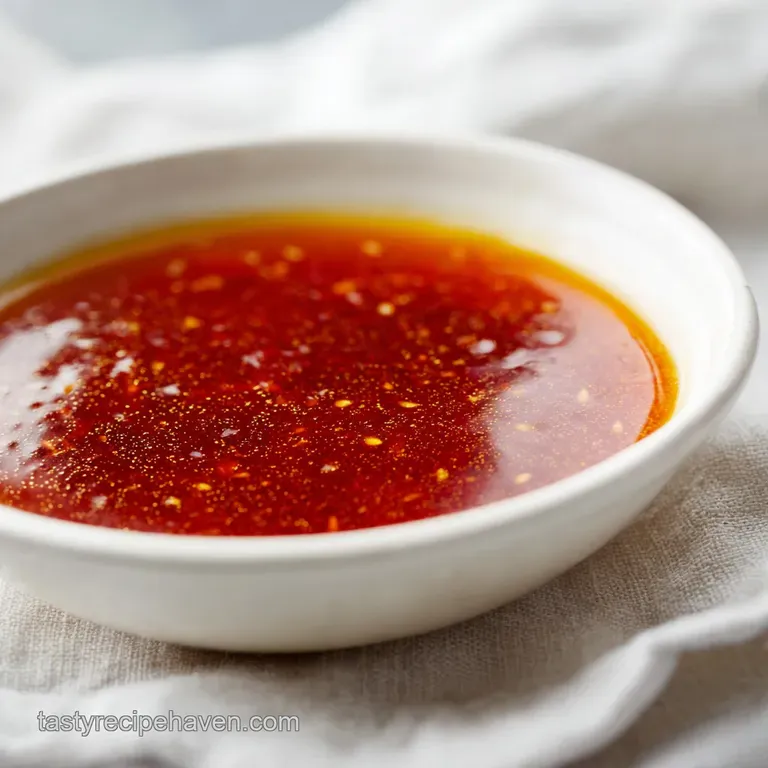
- Combine the liquids. Pour the 1/2 cup low sodium soy sauce, 1/4 cup mirin, and 1/4 cup sake into your small saucepan. Note: Using sake adds a layer of complexity that water just can't match.
- Add the sweetness. Whisk in the 1/2 cup firmly packed light brown sugar and the 1 tablespoon of honey.
- Infuse the aromatics. Stir in the 1 tablespoon of finely grated ginger and the 2 minced garlic cloves.
- Heat the base. Bring the mixture to a gentle simmer over medium heat until the sugar completely dissolves and the liquid bubbles slightly.
- Prepare the thickener. While the pot heats, whisk 2 tablespoons of cornstarch into 2 tablespoons of cold water in a separate small bowl. Note: This is your slurry; it must be lump free before adding.
- Thicken the sauce. Slowly pour the slurry into the simmering liquid while whisking constantly.
- Final simmer. Continue to cook for 1 to 2 minutes until the sauce coats the back of a spoon and looks glassy.
- Cool and set. Remove from heat and let it sit for a few minutes. It will continue to thicken as the temperature drops.
If you’re serving this with dumplings, it actually makes a fantastic base for a dipping liquid, similar to what you'd use for a Fried Gyoza Recipe.
Fixing Your Common Sauce Problems
Sometimes things go sideways. Maybe you got distracted by a phone call and the pot simmered too long, or maybe the cornstarch didn't behave. Don't toss it out! Most sauce issues are easily fixed with a little bit of kitchen chemistry.
Why Your Sauce Is Overly Salty
If the sauce tastes like a salt lick, it usually means the soy sauce reduced too much or you didn't use a low sodium version. Salt doesn't evaporate, but water does, so the concentration goes up as it cooks. To fix this, stir in a tablespoon of water or a splash of rice vinegar.
The acidity of the vinegar helps mask the saltiness without making the sauce too thin.
Why Your Sauce Is Too Thick
If your glaze has turned into a thick, gummy paste, the cornstarch has over gelatinized. This happens if the heat was too high or if you let it boil for more than a few minutes after adding the slurry. Simply whisk in a tablespoon of sake or water over low heat until it reaches a velvety consistency again.
| Problem | Root Cause | Solution |
|---|---|---|
| Grainy Texture | Slurry added to boiling liquid too fast | Whisk vigorously or strain through a fine mesh sieve. |
| Dull Appearance | Not enough sugar or mirin | Stir in an extra teaspoon of honey for an instant shine. |
| Weak Flavor | Ginger and garlic were old | Add a pinch of dried ginger or a drop of sesame oil at the end. |
- ✓ Always use cold water for your cornstarch slurry to prevent immediate clumping.
- ✓ Don't walk away from the stove; sugar based sauces can go from simmer to scorched in 30 seconds.
- ✓ Use fresh ginger whenever possible; the enzymes in fresh ginger help tenderize meat if you're using this as a marinade.
- ✓ If using as a marinade, reserve half the sauce for glazing so you don't cross contaminate.
Clever Substitutions and Flavor Variations
We’ve all had those "oops" moments where the pantry isn't as stocked as we thought. The beauty of a homemade Teriyaki Sauce is how flexible it is. You can swap things around based on what you have on hand, though it might slightly change the "shatter" of the glaze or the depth of the flavor.
| Original Ingredient | Substitute | Why It Works |
|---|---|---|
| Sake (1/4 cup) | Dry Sherry or Water | Similar acidity. Note: Sherry is slightly sweeter; reduce sugar by 1 tsp. |
| Mirin (1/4 cup) | White Wine + 1 tsp Sugar | Mimics the sugar alcohol balance of mirin. |
| Light Brown Sugar | Dark Brown Sugar | Adds more molasses notes. Note: Will make the sauce darker and richer. |
If you're out of cornstarch, you can use arrowroot powder in the same ratio. It actually provides an even clearer, more "shattery" gloss than cornstarch, though it doesn't hold up as well to reheating. For those looking for a different kind of savory topping, our Cheddar Cheese Sauce recipe is another great one to keep in your back pocket for different meal types.
Managing Your Leftovers and Prep
I love making a double batch of this. It stays good in the fridge for up to 2 weeks if stored in an airtight glass jar. Because of the high sugar and salt content, it’s quite stable. When you want to use it again, you might notice it has turned into a bit of a jelly. Don't panic!
That’s just the cornstarch doing its thing in the cold. Just pop it in the microwave for 20 seconds or warm it in a pan with a teaspoon of water, and it will return to its velvety state.
Freezing: You can freeze this sauce in ice cube trays for up to 3 months. Once frozen, pop the cubes into a freezer bag. This is a total lifesaver for "scramble" nights just toss two cubes into a pan with some frozen veggies and leftover rice.
Zero Waste Tip: If you have leftover ginger peels, don't throw them away! Throw them into a pot of boiling water with a bit of honey for a quick ginger tea while your sauce simmers.
Perfect Pairings for Your Dinner
This glaze is incredibly versatile. While chicken is the classic choice, I’ve found it works wonders on firmer fish like salmon or even thick slices of cauliflower. If you want a "Decision Shortcut" for your next meal, here are three ways to use it:
- If you want crispy skin: Brush the sauce on chicken thighs ONLY in the last 3 minutes of cooking to prevent the sugar from burning.
- If you want a deep marinade: Use the sauce before thickening (omit the cornstarch slurry) to let the flavors penetrate the meat for 2 hours.
- If you want a veggie boost: Toss steamed broccoli and carrots in the thickened glaze just before serving to keep the veggies vibrant and snappy.
There’s a common myth that you need to "seal in the juices" by searing meat before adding sauce. In reality, searing is about the Maillard reaction creating new flavor compounds on the surface.
Adding the Teriyaki Sauce at the end allows those seared flavors to mingle with the sweet and salty glaze without the sauce burning during the over high heat sear. Also, don't believe the myth that you can't make this without sake.
While sake adds a beautiful fermented depth, water or extra mirin will still get you a result that's miles ahead of anything in a jar. Trust me, once you see that first batch bubbling in your own pan, you’ll never look at the condiment aisle the same way again.
Teriyaki Sauce FAQs
What is teriyaki sauce made of?
Soy sauce, mirin, sake, sugar, and aromatics like ginger and garlic. The core components create the classic balance of salty umami and sweet depth; the addition of starch thickens it into a proper glaze.
What are the three main ingredients in teriyaki sauce?
Soy sauce, sugar, and mirin are the three essential flavor anchors. While sake adds authentic depth, these three provide the foundational salt, sweetness, and glossy luster required for a true teriyaki.
What are the two ingredients needed for a basic teriyaki liquid base?
Soy sauce and sugar are the absolute minimum flavor components. However, without acidity from sake or mirin, the resulting liquid will taste flat and overly sweet rather than complex.
What is teriyaki marinade made of?
Teriyaki marinade uses the standard sauce ingredients but without the thickening agent. Omit the cornstarch entirely, as you want a thinner liquid that penetrates the meat, rather than a heavy glaze that sits on the surface.
How do I thicken my homemade teriyaki sauce to get a glossy finish?
Whisk a cornstarch slurry into the simmering liquid until it coats the back of a spoon. This process, called starch gelatinization, builds viscosity rapidly; if you master this technique here, you can apply the principle to stabilize many other pan sauces.
Can I use honey instead of sugar in my teriyaki sauce?
Yes, but use slightly less than the sugar called for. Honey provides moisture and a deeper flavor, but it is sweeter than granulated sugar; you may want to compensate by adding a splash of vinegar for balance, similar to techniques in our Chipotle Spices Recipe to balance heat.
Is it true that store-bought teriyaki sauce is mostly corn syrup?
No, this is a common misconception, though many utilize high fructose corn syrup. Authentic homemade versions rely on the caramelization of natural sugars from mirin and honey, resulting in a superior texture that doesn't break down easily.
Homemade Teriyaki Sauce Recipe