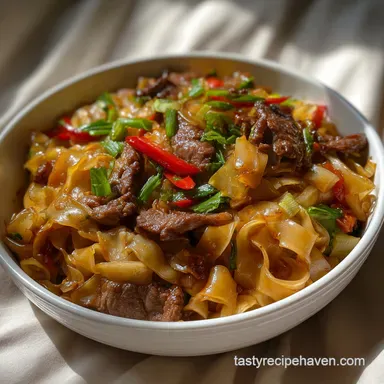
The Best Chow Fun Beef Recipe: 30-Minute Wok Magic
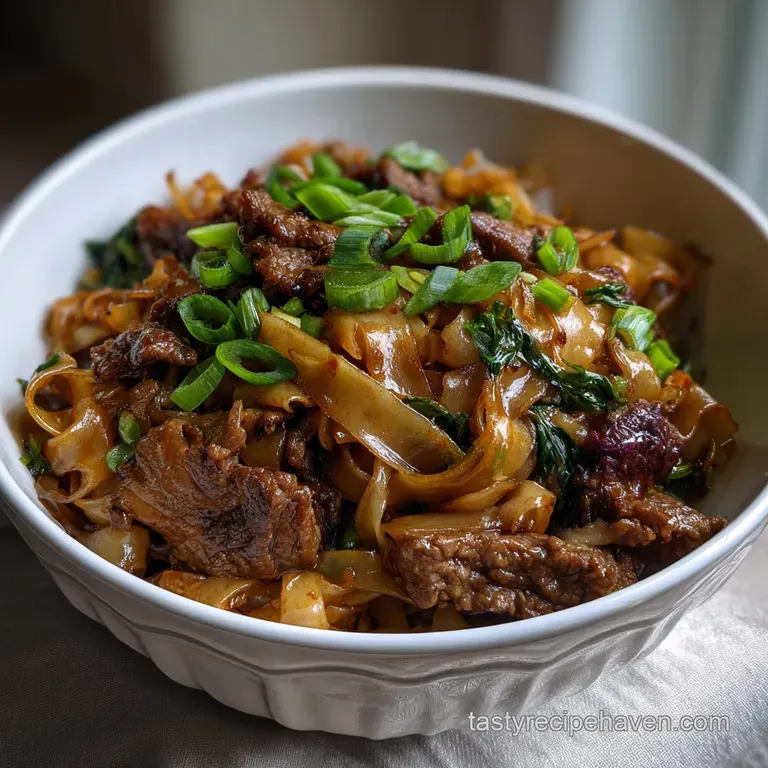
- The Only Beef Chow Fun Recipe You’ll Ever Need (30 Minute Wok Magic)
- Mastering the Authentic Beef Chow Fun Recipe: An Overview
- Achieving Tender Beef and Perfect Wok Hei: The Science
- Essential Ingredients Checklist and Necessary Substitutions
- How to Make the Best Beef Chow Fun Recipe (Step-by-Step)
- Nutrition Information
- Expert Tips and Common Mistakes to Avoid
- Storage, Reheating, and Serving Suggestions
- Recipe FAQs
- 📝 Recipe Card
The Only Beef Chow Fun Recipe You’ll Ever Need (30 Minute Wok Magic)
Forget sloppy takeout! You know that intoxicating, deep smoky aroma that hits you when you walk into a great Cantonese spot? That’s wok hei , and I swear, you can nail it at home.
For years, my homemade attempts at chow fun beef recipe resulted in gray, chewy beef and gummy, broken noodles. But after dialing in the heat, perfecting the beef velvet, and understanding the science of the sauce, I cracked the code.
This fun beef recipe is fast just 10 minutes of intense, over high heat cooking after a 20 minute prep. We’re talking tender, velvety strips of beef coated in a savory, complex sauce draped over smoky, wide ho fun noodles.
Learning this chow fun beef recipe is your key to takeout glory.
If you’re ready to ditch the soggy results and achieve that restaurant quality char, pull out your largest skillet or wok. We’re going to master the authentic Cantonese staple, the classic beef chow fun. Every detail in this chow fun beef recipe is designed for success.
Mastering the Authentic Beef Chow Fun Recipe: An Overview
This specific chow fun beef recipe works because we prioritize three things: speed, separation, and heat. Cantonese stir fries are sprinting, not jogging. The total time listed is 30 minutes, and every second counts when perfecting this chow fun beef recipe .
We are making a classic Dry-Fried Beef Ho Fun (干炒牛河). This means the sauce doesn't pool on the plate; it coats the noodles perfectly. To succeed, you must commit to the mise en place .
That 20 minutes of prep time is non-negotiable because once the wok is hot, you’re committed to making this definitive chow fun beef recipe .
| Data Point | Value |
|---|
Achieving Tender Beef and Perfect Wok Hei: The Science
A great chow fun beef dish isn't about fancy ingredients; it’s about technique. Following the proper steps for this chow fun beef recipe guarantees superior flavor.
Velveting Beef: The Secret to Meltingly Tender Slices
If you skip velveting, your beef will be tough. Period. Velveting involves coating thinly sliced meat in cornstarch, baking soda, and a liquid (usually Shaoxing wine or water). The baking soda tenderizes the meat by raising the pH, which loosens the protein fibers.
The cornstarch forms a protective barrier, preventing the beef proteins from seizing up under intense heat. This results in strips of beef that are truly “velvety” silky smooth and meltingly tender.
What is Ho Fun and Why is Wok Hei Essential?
Ho Fun (or He Fen) are wide, flat, fresh rice noodles. They are wonderfully slippery and chewy, but they break easily. They need to be separated before hitting the wok. Wok Hei (the "breath of the wok") is that magical smoky char and flavor achieved when ingredients hit a blistering hot surface, causing small bits of food and oils to vaporize instantly, infusing the dish with an incomparable smoky depth.
If you don't hear a high pitched sizzle immediately, your wok isn't hot enough for a proper chow fun beef recipe .
Differences Between Beef Chow Fun and Lo Mein
The difference comes down to the noodle and the sauce. Lo Mein uses long, round, egg-based wheat noodles and tends to have a wetter, thicker sauce. Beef Chow Fun uses flat, wide rice noodles and relies on a dry-fry technique to coat the noodles perfectly without leaving excess moisture.
Essential Ingredients Checklist and Necessary Substitutions
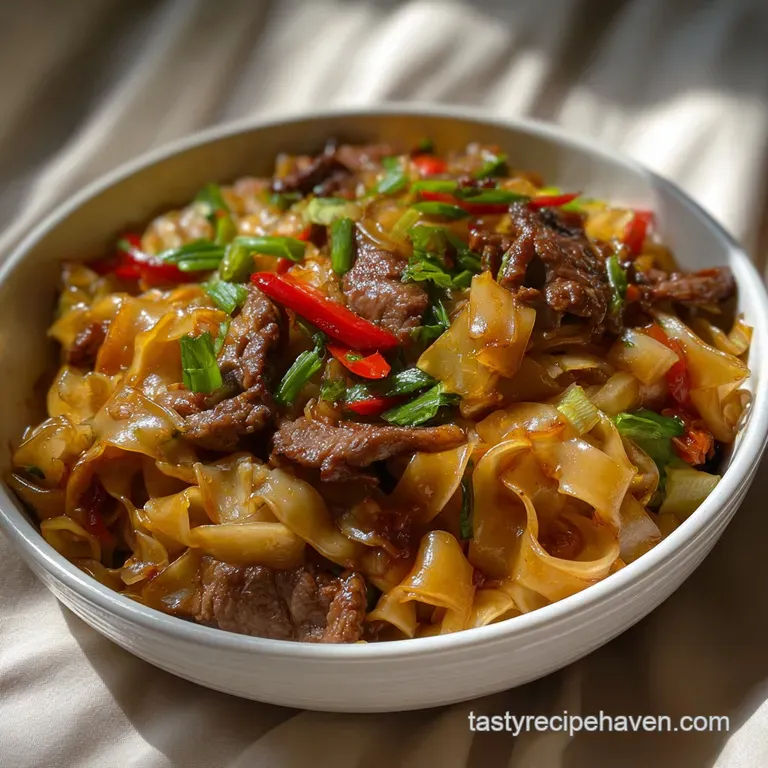
We need about 17 ingredients here, but most of them live in your pantry already. The sauce is where the complexity comes from! Success with this chow fun beef recipe hinges on ingredient quality.
The Must Have Beef Marinade Ingredients
| Original Star | Best Swap | Why It Works |
|---|---|---|
| Fresh Ho Fun Noodles | Dried wide rice noodles (soaked 30 min, then boiled 60 seconds) | Provides the necessary width for coating, but the texture will be chewier and less silken than fresh. Fresh noodles are highly recommended for the best texture in this chow fun beef recipe . |
| Skirt Steak (Beef) | Flank Steak or Sirloin | Flank is the common substitute and holds up well to high heat. Always slice thinly against the grain regardless of the cut. |
| Shaoxing Rice Wine | Dry Sherry (Spanish or American) | Essential for flavor complexity and the traditional fermented note. Dry sherry is closest in acidity and subtle sweetness. (Do not use cooking wine labeled as ‘rice wine’). |
| Dark Soy Sauce | Molasses + Regular Soy Sauce (2:1 ratio) | Dark soy provides color and body. Molasses mimics the depth and sweetness, but you sacrifice some salty umami. |
| Chinese Broccolini (Gai Lan) | Bok Choy (Baby) | Maintains the necessary high water content to create steam for Wok Hei and provides a quick cooking green crunch. |
Choosing the Right Cut of Beef for This Chow Fun Recipe
You want a cut that is relatively lean but has great flavor and holds its shape during fast cooking. Skirt steak is my favorite for this fun beef recipe because its fibers run visibly, making it easy to slice against the grain. Flank steak is also excellent.
Slice it paper thin no more than ¼ inch thick. This careful preparation elevates the final chow fun beef recipe .
Why Fresh Ho Fun Noodles Are Non-Negotiable
While you can use dried rice noodles, fresh noodles have a high water content and natural elasticity that dried ones simply lack. They absorb the smoky flavor better and are the core of an authentic ho fun beef recipe .
You can often find them refrigerated or frozen at Asian specialty markets. Make sure you gently separate them before cooking! Like tucking a baby in, be extremely gentle or they will shatter when they hit the wok.
How to Make the Best Beef Chow Fun Recipe (step-by-step)
Remember: Prep takes 20 minutes, cook takes 10 minutes. Go fast! Executing this chow fun beef recipe quickly is crucial.
Nutrition Information
| Nutrient | Amount |
|---|---|
| Calories | 631 kcal |
| Protein | 29.4 g |
| Fat | 29.1 g |
| Carbs | 66.7 g |
Mise en Place: Prepping the Beef, Noodles, and Sauce
- Velvet the Beef ( 15 minutes): Slice your beef (about 1 lb) thinly against the grain. In a bowl, toss the beef with the marinade ingredients: ½ tsp baking soda, 1 tsp cornstarch, 1 Tbsp Shaoxing wine, 1 tsp light soy sauce, and a pinch of white pepper. Mix well until tacky, then let it sit while you chop the rest of the vegetables.
- Separate Noodles & Chop Veggies: Gently separate the fresh ho fun noodles by hand, ensuring they are loose and not clumped. Chop your gai lan (or bok choy) and slice your onions and green onions. Keep the white parts of the green onions separate from the green tops.
- Mix the Sauce: Whisk together the sauce ingredients: light soy sauce, dark soy sauce, remaining Shaoxing wine, sugar, and sesame oil. Set aside near your wok.
The over High heat Stir Fry: Cooking the Beef and Vegetables First
- Sear the Beef (1- 2 minutes): Heat your wok or large skillet over high heat until smoking. Add 1 Tbsp over high heat oil (like peanut or grapeseed). Add half the marinated beef in a single layer. Let it sear untouched for 30 seconds until the edges turn golden brown. Stir rapidly for another minute until just cooked (it should still look slightly pink inside). Remove immediately and set aside. Repeat with the remaining beef. If you love a over high heat, savory cook like this, you should definitely try my [Baked Pork Riblets Recipe: Ultra Tender Oven Method] next.
- Sauté Aromatics (1 minute): Add another drizzle of oil to the wok. Add the sliced onion and the white parts of the green onion. Stir fry aggressively for about 60 seconds until fragrant and slightly caramelized.
- Add Greens (1 minute): Throw in the gai lan (or bok choy). Stir fry until they wilt slightly but retain a crisp bite. Push the vegetables to the side of the wok.
Combining Noodles and Sauce for Wok Hei Infusion
- Searing the Noodles (2- 3 minutes): Pour the fresh, separated ho fun noodles directly into the center of the wok. Pour half of the prepared sauce directly over the noodles. Let the noodles sit, untouched, for about 30 seconds before tossing. This allows them to soak up heat and develop that essential wok hei . The goal is to toast the noodles slightly, which is key to this specific chow fun beef recipe .
- Toss and Fold: Using wide tongs, toss and fold the noodles gently, incorporating the sauce and vegetables. Keep the heat high. If they start to stick, add the smallest splash of water to lift them. Avoid over stirring, which causes them to break.
- Return the Beef: Add the seared beef strips (and any collected juices!) back into the wok. Pour the remaining sauce over the mixture.
Final Seasoning and Plating the Classic Cantonese Dish
- Final Toss and Serve (30 seconds): Give it one last aggressive toss to ensure everything is coated and the beef is heated through. Sprinkle with the green tops of the scallions. Serve immediately in wide bowls, garnished with a side of chili sauce if desired. Enjoy your authentic best beef chow fun recipe ! This finished chow fun beef recipe should have a beautiful char.
Expert Tips and Common Mistakes to Avoid
This easy beef chow fun recipe requires attention to detail. Don't fall into these common pitfalls!
| Common Mistake | Root Cause | The Fix |
|---|---|---|
| Beef is tough/chewy | Overcooked or not velveted properly | Slice against the grain, velvet for at least 15 minutes, and cook the beef in over high heat batches (30 seconds to 1 minute per side). Always remove it before it's 100% done; it will finish cooking when returned to the wok. |
| Noodles are gummy/broken | Too much moisture in the wok or stirring too aggressively | Ensure the noodles are completely separated before adding. Cook veggies/beef completely before adding noodles. Use wide tongs, not a spatula, for gentle folding and scooping rather than aggressive stirring. |
| The dish tastes bland/lacks smoke | Wok temperature too low or ingredients crowded | Use the highest possible heat setting (high gas burner is best). Cook the beef and the noodles in separate, small batches to prevent the temperature from dropping below the searing point. |
Storage, Reheating, and Serving Suggestions
Because the noodles are the most fragile part of this steak chow fun recipe , handling leftovers requires a gentle touch. Making this chow fun beef recipe for meal prep requires careful reheating.
Best Practices for Storing Leftover Chow Fun Beef
Store leftovers in an airtight container in the refrigerator for up to 3 days. Unlike many saucy noodle dishes, this one tends to dry out quickly because it's a "dry-fry." I highly discourage freezing ho fun noodles, as the fresh rice starch tends to break down and become mushy upon thawing.
Reheating Noodles Without Losing Texture
The microwave is the enemy of leftover beef chow fun. The best way to reheat this chow mein beef recipe variation is in a pan or a wok.
- Heat a tablespoon of oil in your wok over medium high heat.
- Add the noodles. Add 1 2 teaspoons of water or unsalted broth.
- Cover the wok for 30 seconds to allow the steam to moisten the noodles gently.
- Remove the lid and toss vigorously until heated through (about 2 minutes). The steam prevents them from hardening or breaking.
Classic Side Dishes to Serve with Ho Fun
This easy beef chow fun is robust and needs contrast. Serve it with something light and vinegary, like a simple cucumber salad with rice vinegar, or a bowl of hot egg drop soup to balance the richness.
Enjoying the complexity of this chow fun beef recipe is best when balanced with simple sides.
Recipe FAQs
How to make beef chow fun?
To successfully make beef chow fun, you must master two key techniques: velvet the beef first and achieve high heat to develop wok hei. Proper velvet preparation ensures the beef stays tender and doesn't turn gray or chewy when stir fried.
What is the difference between dry chow fun and chow fun with gravy?
Dry chow fun (Gan Chao Niu He) relies on high heat, minimal liquid, and a concentrated sauce coating applied quickly to achieve that smoky flavor, whereas gravy versions incorporate a thickened sauce poured over the finished product. This recipe focuses on nailing the dry style to capture authentic Cantonese char, which is crucial for the flavor profile found in our Authentic Greek Moussaka Dinner preparation for maximum flavor concentration.
Why are my chow fun noodles broken or gummy?
Gummy or broken noodles usually result from overcooking the rice noodles before stir frying or stirring too vigorously over insufficient heat. Always soak or briefly boil the noodles until just pliable, then toss them gently in the very hot wok at the end to prevent breakage and gumminess.
How do I make beef chow fun without a high powered wok burner?
You can still achieve great flavor by using the largest wok or cast iron skillet you own and cooking in smaller batches to ensure the pan temperature doesn't drop too low when adding ingredients. This high heat technique is vital, much like ensuring proper searing when preparing Easy Honey Garlic Soy Pork Loin Marinade.
How can I make beef chow fun taste like takeout?
The secret to the takeout flavor is achieving wok hei, the intoxicating smoky aroma, which comes from properly heating your wok until it just begins to smoke before adding oil and aromatics. Also, ensure your sauce uses dark soy sauce for that signature rich color and depth.
Can I substitute rice noodles for chow mein noodles in this recipe?
No, you should use wide, flat rice noodles specifically labeled as Ho Fun or Shahe Fen for authentic beef chow fun. Chow mein noodles are thin egg noodles, which behave entirely differently under high heat and will yield a texture closer to chow mein rather than the intended chewy, wide chow fun.
Can this recipe be made ahead of time or stored?
It is best eaten immediately, as the noodles tend to absorb moisture and clump up when refrigerated, losing the desired texture. If you must store leftovers, quickly cool them and store them dry (no extra sauce); reheat very quickly in a hot, dry pan to revitalize the texture.
Best Beef Chow Fun Recipe