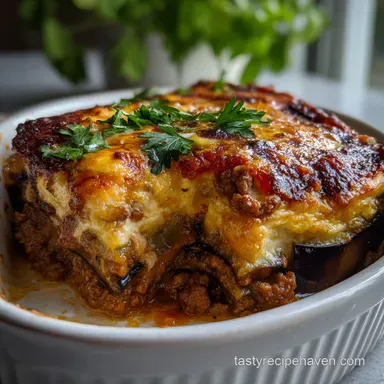
Greek Dinner Recipes: Authentic Moussaka Bake
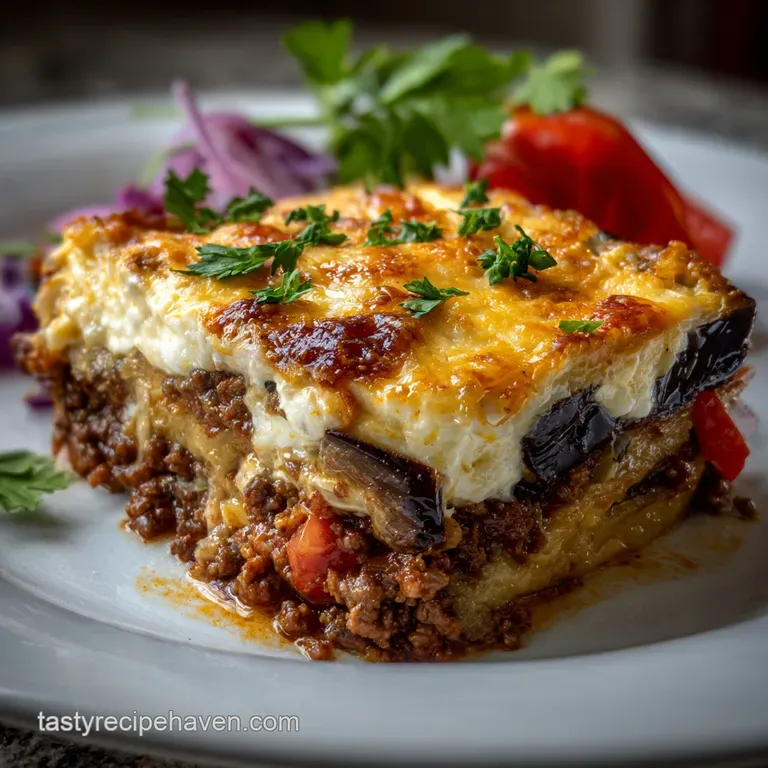
- Authentic Greek Moussaka: Layered Eggplant and Beef Bake
- Why This Recipe Works: The Science of Mediterranean Flavor
- Essential Ingredients & Flavor Substitutions
- Step-by-Step Guide to Preparing Your Greek Dinner
- Tips & Common Mistakes to Avoid
- Storage, Freezing, and Make-Ahead Instructions
- Serving Suggestions: What to Pair with Your Meal
- Recipe FAQs
- 📝 Recipe Card
Authentic Greek Moussaka: Layered Eggplant and Beef Bake
Remember that specific, soul warming smell? It's the sound of butter sizzling into a velvety roux, mixed with the deep, earthy scent of cinnamon and oregano simmering in a rich meat sauce.
That, my friends, is the smell of truly great Greek Dinner Recipes cooking, and specifically, the definitive comfort food: Moussaka. If you’ve been intimidated by the layers and the béchamel, stop right now.
I’ve made all the mistakes soggy bottoms, broken sauces and I’m here to tell you exactly how to skip the heartache and go straight to perfection. This version is rich, deeply savory, and absolutely worth the effort for your next Greek Dinner Recipes Family night.
This isn't just a recipe; it’s an education in texture and balance. When done right, Moussaka is sturdy enough to slice clean, yet the meat filling should feel almost velvety, while the cheesy topping holds a gorgeous golden crunch.
It’s the ultimate centerpiece for any Greek Dinner Party Recipes menu.
Why This Recipe Works: The Science of Mediterranean Flavor
The Pillars of Authentic Greek Cuisine
Moussaka is a symphony, not a solo, and its success hinges on strict moisture control and balanced fats. If you want proper Authentic Greek Moussaka that doesn't collapse into a soupy mess, you must respect the integrity of the layers.
Mastering the Essential Flavor Profiles (Lemon, Oregano, Olive Oil)
The key to the Ragu is the generous use of cinnamon and allspice. I know, I know cinnamon in meat? Trust me. That warmth is the non-negotiable hallmark of traditional Greek Dinner Recipes .
But even more critical is ensuring your eggplant and ragu are drier than the Sahara before assembly. This prevents the steam from compromising the foundation, allowing the béchamel to shatter beautifully when you break the crust.
Balancing Acidity and Richness in Greek Meals
We pre-bake (or gently fry) the eggplant because raw eggplant acts like a thirsty sponge, soaking up oil and then leaching moisture back out during the final bake. By salting and baking the slices first, you seal them.
This process is the secret sauce for preventing a soggy bottom layer, which is the nemesis of great Moussaka.
Essential Ingredients & Flavor Substitutions
We are aiming for a luxurious, multi textured experience. You should splurge a little on ingredients, especially the olive oil!
| Ingredient | Why We Use It | The Smart Swap |
|---|---|---|
| Eggplant (Salted) | Provides a sturdy, meaty base that is essential for structural integrity. | Zucchini slices (less prep needed) or thinly sliced, par-boiled potato rounds. |
| Ground Beef/Lamb | Traditional richness; lamb adds depth and a classic gaminess. | Ground turkey (leaner) or a lentil/walnut mix (perfect for Greek Dinner Recipes Vegetarian ). |
| Cinnamon/Allspice | The crucial Greek spice profile for savory dishes; imparts warmth. | A very small pinch of clove or additional dried oregano, though the flavor changes drastically. |
| Kefalotyri Cheese | Sharp, salty cheese for the crust that holds up to high heat. | Aged Parmesan or a 50/50 mix of Asiago and Gruyère. |
| Red Wine (in Ragu) | Deglazes the pan and deepens the umami complexity. | Beef broth mixed with a splash of red wine vinegar for acidity. |
Sourcing the Best Greek Olive Oil and Feta
If you can get high-quality, cold pressed Greek olive oil, use it here. It’s the backbone of all great Greek Dinner Recipes . And while Feta isn't strictly in Moussaka (it goes on the side!), make sure you have the good stuff for your Horiatiki salad later.
Step-by-step Guide to Preparing Your Greek Dinner
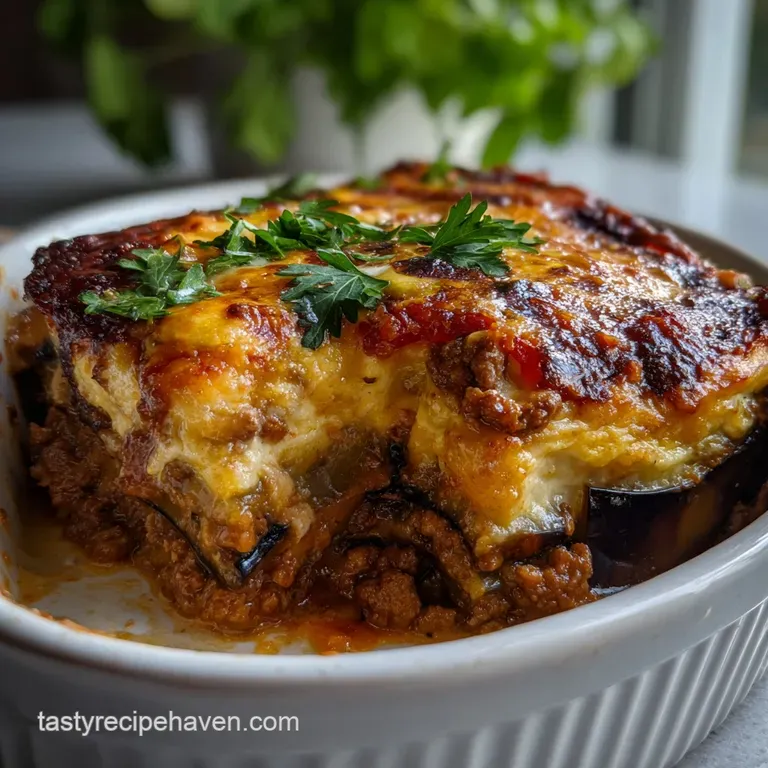
Follow these steps precisely. That 20 minute resting period is non-negotiable for success!
Step 1: Prepping the Vegetables and Aromatic Base
- Sweat the Eggplant: Slice your eggplant into 1/2 inch thick planks. Lay them out and sprinkle heavily with coarse salt. Let them sit in a colander for 30 minutes. You will see beads of brown, bitter moisture emerge. Rinse thoroughly and pat them aggressively dry with paper towels. This step is mandatory.
- Bake the Eggplant: Brush the dry slices lightly with olive oil. Bake at 400°F (200°C) for 15- 20 minutes, until softened and lightly golden. Set aside.
Step 2: Simmering the Rich Meat Ragu
- Build Flavor: Sauté the onion in olive oil until soft, then add the garlic until fragrant (about 1 minute). Add the ground meat and brown deeply, breaking it up as you go. Drain off the excess fat we want flavor, not grease.
- Deepen the Ragu: Deglaze the pan with red wine (if using), scraping up the browned bits. Stir in the crushed tomatoes, bay leaf, cinnamon, allspice, salt, and pepper.
- Simmer Until Thick: Bring to a boil, then immediately reduce to a gentle simmer. Cook uncovered for 30– 40 minutes. The goal is an extremely reduced sauce that is thick enough to hold a spoon upright. If your ragu is runny, your Moussaka will be runny. (If you’re looking for a faster Easy Greek Dinner Recipes option on a weeknight, you might want to check out my Weeknight Recipes: 30 Min Lemon Herb Chicken Potatoes .) Remove the bay leaf before assembling.
Step 3: Achieving a Velvety Béchamel Sauce
- The Roux: Melt the butter in a medium saucepan. Whisk in the flour to create a smooth paste (the roux) and cook for just 60 seconds to cook off the raw flour taste.
- Add Warm Milk: This is a science tip: Warm the milk first! Gradually whisk the warm milk into the roux. Warming the milk prevents temperature shock, guaranteeing a lump free, velvety sauce. Simmer gently until the béchamel coats the back of a spoon.
- Finish: Remove from heat and stir in the nutmeg, salt, and pepper. Now, quickly whisk in the egg yolk and half the grated cheese. The heat of the sauce will pasteurize the yolk, adding richness and stability.
Step 4: Layering and Baking the Greek Casserole
- Assemble: Preheat the oven to 350°F (180°C). Start with a thin smear of ragu on the bottom of the casserole dish. Layer half the baked eggplant slices tightly over the ragu. Spread the remaining ragu over the eggplant, then top with the final layer of eggplant.
- Crown the Dish: Gently pour the béchamel over the top, tilting the dish so it fills every corner. Sprinkle with the remaining cheese.
- Bake: Bake for 45– 55 minutes until the topping is a deep, rich, golden brown and the interior is bubbling furiously.
- Critical Rest: Take the Moussaka out and let it rest at room temperature for a minimum of 15– 20 minutes before cutting. I know it’s painful, but this time allows the layers to set and the starches in the béchamel to stabilize. This ensures those beautiful, clean slices.
Tips & Common Mistakes to Avoid
Making complex Greek Dinner Recipes involves a few potential pitfalls, but they are easy to fix if you know what to watch out for.
| Mistake | The Problem & Effect | The Fix |
|---|---|---|
| Soggy Bottom Layer | Eggplant wasn't dried enough, or the ragu was too watery. | Ensure the ragu simmers until extremely thick. Bake the eggplant until it’s fully cooked, not just softened. |
| Lumpy Béchamel | Adding cold milk too quickly to the hot roux creates instant clumps. | Always use warmed milk. If lumps form, don't panic! Use an immersion blender to quickly smooth the sauce before layering. |
| Cutting Too Soon | The casserole's internal liquids haven't reabsorbed and set yet, leading to collapse. | You must let the final dish rest for 15- 20 minutes. Like lasagna, the structure needs to cool slightly to stabilize. |
Storage, Freezing, and make-ahead Instructions
Moussaka, like many great Greek Food Recipes , is often even better the next day.
Reheating Leftovers for Optimal Texture
- Fridge: Store tightly covered for up to 4 days.
- Reheating: To maintain that beautiful crust, reheat individual slices in the oven (350°F / 175°C) until warm through (about 15- 20 minutes). If microwaving, cover loosely to trap some moisture, but the crust will soften.
Freezing Instructions for Unbaked Dishes
Moussaka freezes beautifully, especially if prepared ahead of time.
- make-ahead/Freezing: Assemble the entire dish (Steps 1 7) in a foil lined casserole dish. Prepare the béchamel separately and store it in an airtight container. When ready to bake, thaw overnight, pour the refrigerated béchamel over the top, and bake as directed. It makes Greek Dinner Recipes feasible even on busy nights!
Serving Suggestions: What to Pair with Your Meal
Because Moussaka is rich and heavy, you need something bright and acidic to cut through that fat.
Essential Greek Side Dishes (e.g., Roasted Potatoes)
Keep it simple. A handful of fresh parsley scattered over the top is a must. If you want something quick, pair it with my Cherry Tomato Recipes: Slow Roasted Confit with Burrata . The burst of sweet, slow roasted tomato acidity is perfect against the creamy béchamel.
Complementary Salad Options (Horiatiki Salad)
The classic accompaniment is the Horiatiki Salata (Village Salad): roughly chopped tomatoes, cucumbers, red onion, Kalamata olives, and a big slab of good Feta. Dress it simply with quality olive oil, a splash of red wine vinegar, and oregano.
The fresh crunch contrasts perfectly with the decadent, slow baked texture of the Moussaka. Enjoy the very best of Greek Recipes Dinner !
Recipe FAQs
What kind of ground meat is traditional for the ragu, and can I substitute it?
Traditionally, Moussaka uses ground beef or a mix of beef and lamb, which adds a deeper, more robust flavor profile to the layered casserole. While these are preferred for authenticity, you can successfully substitute with ground turkey for a lighter dish, or use lentils or mushrooms for a vegetarian version.
Do I really need to pre-bake or salt the eggplant before assembling the layers?
Yes, pre-baking or shallow frying the eggplant slices is crucial as it removes excess moisture and prevents the final dish from becoming watery or spongy. Salting the eggplant beforehand is highly recommended as it draws out bitterness and further aids in reducing liquid content before cooking.
How do I ensure my béchamel sauce is smooth and lump free?
The key to a smooth béchamel is ensuring the milk is added very slowly and whisked continuously into the roux (the melted butter and flour mixture). Make sure the roux cooks for at least one minute before adding the milk to cook out the raw flour taste.
If lumps still form, you can briefly use an immersion blender or push the sauce through a fine mesh sieve.
Can I prepare Moussaka in advance, and how should I store leftovers?
Moussaka is an excellent dish for preparing ahead; you can assemble the entire dish, minus the béchamel topping, up to 24 hours in advance and keep it covered in the refrigerator. Leftovers should be tightly covered and refrigerated for up to 3 days, or portioned for freezing.
Why are cinnamon and nutmeg used in this savory dish?
Cinnamon in the meat ragu is a signature spice used widely in savory Greek and Mediterranean cooking, adding a unique warmth and complexity that distinguishes it from Italian meat sauces. Nutmeg is essential in the béchamel sauce, providing aromatic depth that perfectly complements the creamy, rich topping.
What is the best way to freeze Moussaka?
For optimal results, bake the Moussaka fully, let it cool completely, and then cut it into individual serving sizes. Wrap each portion tightly in plastic wrap and then foil, freezing for up to three months. Thaw frozen portions overnight in the refrigerator before reheating gently in the oven.
Authentic Greek Moussaka Dinner