Chicken Wing Brine Recipe
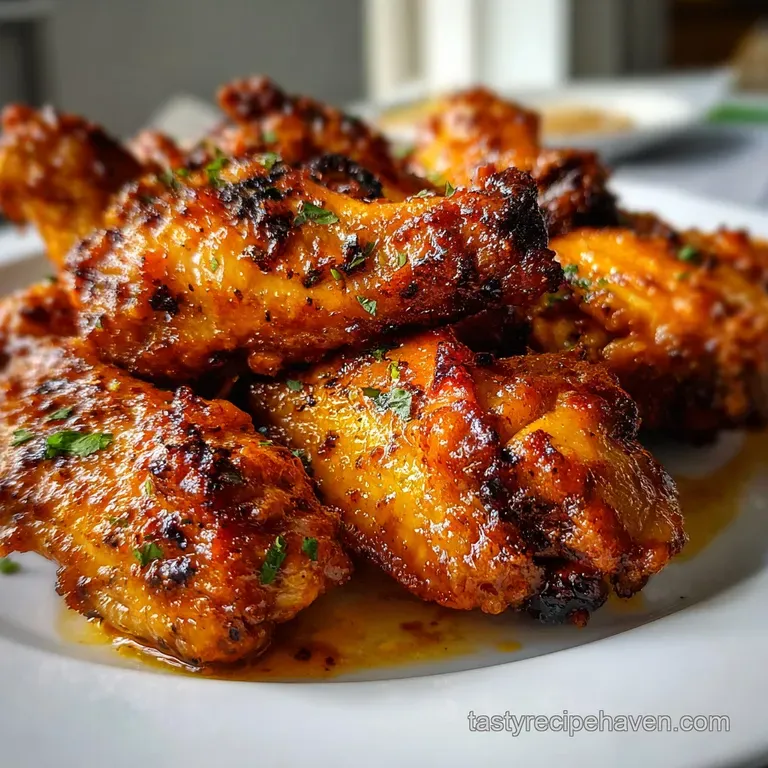
- Time: Active 15 minutes, Passive 25 minutes, Total 40 minutes
- Flavor/Texture Hook: Shatter crisp skin with a zingy, garlic infused interior
- Perfect for: Game day crowds, weekend meal prep, or beginner smokers
- Understanding Chemical Reactions That Create Tender Meat
- Essential Timing and Ratios for the Best Results
- Gathering the Essential Aromatics and Brining Agents
- The Basic Kitchen Tools Required for Brining Success
- A Step-By-Step Guide to Preparing Your Wings
- How to Prevent Sogginess and Overly Salty Meat
- Innovative Ways to Customize Your Wing Flavor Profile
- Best Practices for Storage and Minimizing Kitchen Waste
- Choosing the Right Sides to Balance the Richness
- Common Brining Misconceptions
- Critical Sodium Level 🚨
- Recipe FAQs
- 📝 Recipe Card
Picture this: you pull a tray of wings out of the oven, and the sound of the skin crackling is louder than the TV. You take a bite, and instead of that sad, rubbery tug, the skin snaps like a potato chip, revealing meat so tender it practically falls off the bone.
That is the magic of a solid brine, and honestly, once you try this, you'll never just throw "naked" wings into a fryer again.
I learned this the hard way during a disastrous Super Bowl party a few years back. I spent a fortune on high-quality wings, tossed them straight in the heat, and ended up serving what felt like unseasoned rubber bands. It was embarrassing, but it sent me down a rabbit hole of salt ratios and acid balances.
Now, my kitchen is the go to spot for wings, and it's all because of this specific liquid soak.
We've all seen those shortcut recipes that tell you to just "toss in salt," but there is a specific logic to the ingredients we're using here. We are balancing the salinity with the brightness of apple cider vinegar and the science of baking soda.
It sounds like a lot for a simple snack, but trust me on this, the results speak for themselves. Let's crack on and get these wings ready for the best cook of their lives.
Understanding Chemical Reactions That Create Tender Meat
The science of why it works: Osmosis and Denaturation: Salt draws water into the muscle fibers, while the vinegar slightly breaks down tough proteins, creating a built in moisture reservoir.
Maillard Reaction Booster: The addition of baking soda raises the skin's pH, which speeds up the browning process and creates a more porous surface for maximum crispiness.
Chef's Tip: If you have the space, let your wings sit uncovered on a wire rack in the fridge for 4 hours after brining. This "air drying" phase is the secret to skin that shatters rather than chews.
Essential Timing and Ratios for the Best Results
When we talk about how to brine chicken wings, precision is your best friend. Too little time and the flavor stays on the surface; too long, and you're eating a salt lick. I've tested various windows, and for 3 lbs (1.36 kg) of wings, there is a sweet spot you don't want to miss.
| Checkpoint | Target Metric | Why It Matters |
|---|---|---|
| Brine Temp | Below 4.5°C (40°F) | Prevents bacterial growth before the soak |
| Soak Duration | 4 hours to 12 hours | Allows deep seasoning without curing the meat |
| Internal Temp | 74°C (165°F) | Ensures safety while keeping the juices intact |
Getting the temperature of the liquid right is just as important as the salt. If you put raw chicken into warm water, you're asking for trouble. That’s why we divide the water: half to melt the salt and bloom the spices, and the other half as ice or cold water to crash the temperature instantly.
It saves time and keeps your kitchen safe.
Gathering the Essential Aromatics and Brining Agents
This chicken wing brine recipe relies on a specific balance of pantry staples. Don't be tempted to use fine table salt here; the grains are too small, and you'll end up with wings that are aggressively salty. Kosher salt (like Diamond Crystal) has a much fluffier structure that dissolves beautifully and seasons gently.
- 3 lbs chicken wings (~1.36 kg): Use fresh or fully thawed wings for even penetration.
- 1 quart water (~950 ml): Divided into two halves for the heating and cooling process.
- 1/4 cup kosher salt (~60 g): Why this? Provides the osmotic pressure needed to season the deep muscle fibers.
- 2 tbsp granulated sugar: Why this? Balances the salt and aids in the caramelization of the skin.
- 1/2 cup apple cider vinegar (~120 ml): Why this? Acts as a mild tenderizer and adds a subtle fruity tang.
- 4 cloves garlic, smashed: Why this? Releases sulfur compounds that infuse the meat with savory depth.
- 1 tbsp whole black peppercorns: Provides a slow, woody heat.
- 2 dried bay leaves: Adds a floral, herbal backbone to the liquid.
- 1 tsp red pepper flakes: Gives the wings a tiny hint of back of-the throat warmth.
- 1 tsp baking soda: Why this? The "pro secret" for achieving a brittle, crispy skin texture.
| Ingredient | Science Role | Pro Secret |
|---|---|---|
| Kosher Salt | Protein Solubilization | Always weigh it if you can for 100% consistency |
| Baking Soda | pH Alteration | Use it only in the final dry rub or last soak stage |
| Apple Cider Vinegar | Acidic Tenderization | Don't go over 1/2 cup or meat becomes mushy |
If you're looking to vary the flavor, you can swap the aromatics quite easily. For instance, similar to the flavor balancing in my Franks Buffalo Chicken recipe, you can add a dash of hot sauce directly into the brine for an extra kick.
The Basic Kitchen Tools Required for Brining Success
You don't need fancy gadgets to make a dry brine chicken wings setup or a wet soak, but a few basics make it much cleaner. I usually use a large glass bowl or a dedicated brining container. Avoid reactive metals like aluminum, as the vinegar and salt can pick up a metallic taste that ruins the whole batch.
- Large Pot: For simmering the initial brine concentrate.
- Non reactive Bowl: Glass or food grade plastic for the long soak.
- Whisk: To ensure the salt and sugar are completely dissolved.
- Wire Rack and Sheet Pan: Critical for the air drying phase.
- Paper Towels: You’ll need plenty to get that skin bone dry before cooking.
If you find yourself making large batches of poultry often, investing in a digital thermometer is the best move you'll ever make. It's the same tool I rely on for my Instant Pot Whole recipe to ensure everything is juicy and safe.
A step-by-step Guide to Preparing Your Wings
Right then, let's get into the actual process. It’s simple, but the order of operations matters. We want to bloom those spices in hot water first to wake up the oils in the peppercorns and garlic.
- Simmer the concentrate. Place 500 ml of the water into a pot with the salt, sugar, garlic, peppercorns, bay leaves, and red pepper flakes.
- Dissolve the solids. Heat over medium until the salt and sugar grains completely disappear. Note: Don't let it boil vigorously; a gentle simmer is enough.
- Chill the liquid. Remove from heat and stir in the remaining 450 ml of cold water and the apple cider vinegar. Note: The liquid must be cold to the touch before proceeding.
- Prepare the wings. Pat your 3 lbs (1.36 kg) of chicken wings dry with paper towels.
- Combine and submerge. Place the wings in your non reactive bowl and pour the brine over them until every wing is fully under water.
- Refrigerate the batch. Cover the bowl and chill for 4 hours minimum, but 12 hours is even better for deep flavor.
- Drain and rinse. Remove the wings from the brine and discard the liquid. Note: A quick rinse removes excess surface salt that might burn.
- The alkaline toss. Pat the wings very dry, then toss them with the 1 tsp of baking soda. Note: This will look like a fine dust on the skin.
- The final air dry. Place wings on a wire rack over a baking sheet and refrigerate uncovered for at least 1 hour.
- Cook as desired. Fry, bake, or smoke until the skin is golden and the internal temp hits 74°C.
| Original Ingredient | Substitute | Why It Works |
|---|---|---|
| Kosher Salt | Sea Salt (fine) | Use 20% less by volume as it is denser. |
| Apple Cider Vinegar | White Wine Vinegar | Provides similar acidity but with a cleaner, sharper finish. |
| Granulated Sugar | Honey or Maple | Adds a deeper, floral sweetness. Note: Can burn faster at high heat. |
Always remember that the air dry phase is just as important as the soak. If the skin is wet when it hits the heat, it will steam instead of crisping. We want to avoid that "boiled" texture at all costs.
How to Prevent Sogginess and Overly Salty Meat
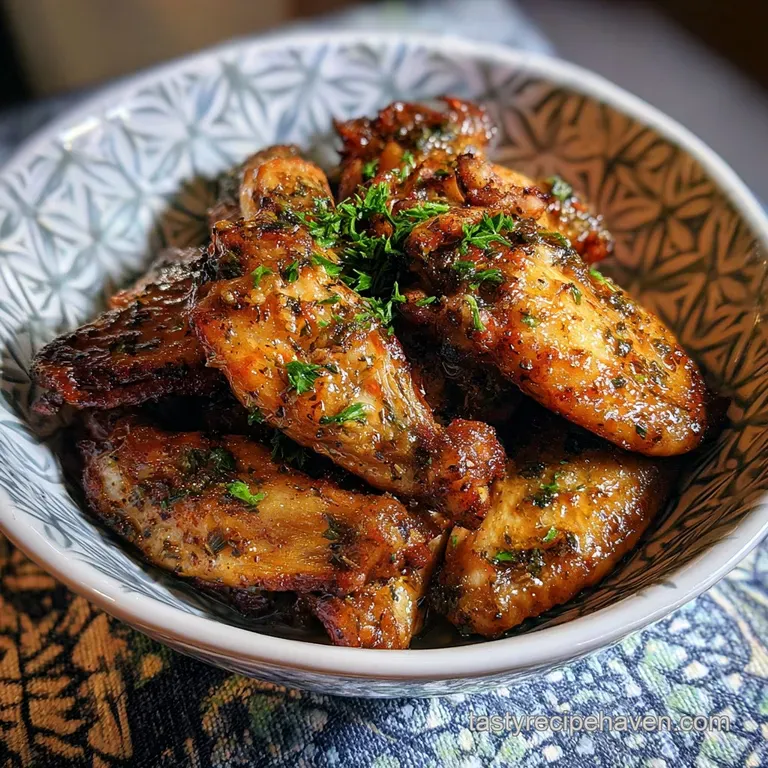
The biggest mistake people make with a chicken wing brine recipe is leaving the meat in the liquid for two days. By that point, the cellular structure of the chicken has broken down too much, and you're left with ham flavored mush. Stick to the 12 hour limit for the best texture.
Why Your Wings Are Too Salty
This usually happens if you use table salt instead of kosher salt, or if you forget to rinse the wings after the soak. The brine's job is to season the inside; any liquid left on the surface will concentrate during the cook and become overwhelming. Always give them a quick pass under cold water and a thorough pat dry.
The Problem of Rubbery Skin
If you're using wet brine chicken wings for smoking, the low heat can sometimes leave the skin chewy. This is where that baking soda comes in. It breaks down the peptide bonds in the skin. If you still have trouble, try increasing the heat for the last 10 minutes of the cook to "set" the crunch.
| Problem | Root Cause | Solution |
|---|---|---|
| Skin is tough/grey | Moisture on the surface | Pat dry with more towels and use a wire rack. |
| Meat is mushy | Over brined (too much time) | Limit soak to 12 hours max for wings. |
| Bland flavor | Brine was too cold to bloom | Simmer the spices in 500 ml water first. |
Another common trap is overcrowding the pan. Whether you're frying or baking, if the wings are touching, they're sharing steam. Give them at least 2 cm of space so the hot air can circulate around the entire surface. This is how you get that 360 degree crunch.
Innovative Ways to Customize Your Wing Flavor Profile
This base recipe is a blank canvas. I personally love the contrast of the tangy vinegar against the savory garlic, but you can take this in a hundred different directions. The "contrast story" here is all about balancing the rich fat of the wing with bright, punchy additions.
- The Buttermilk Brine Twist: Swap the water and vinegar for 1 liter of buttermilk. The lactic acid tenderizes even more gently, and it’s the best choice if you’re planning on a heavy flour dredging for fried wings.
- The Smokehouse Dry Brine: If you’re short on fridge space, toss the wings in the salt, sugar, and spices without the water. Let them sit on a rack for 24 hours. This creates a very tight, flavorful skin perfect for long smokes.
- The Pub Style Spicy Kick: Add 2 tbsp of your favorite hot sauce and 1 tbsp of smoked paprika to the liquid concentrate. It gives the meat an orange hue and a built in heat that survives the cooking process.
| Method | Texture Outcome | Best For |
|---|---|---|
| Fresh (Wet Brine) | Plump, juicy, and very tender | Smoking and Grilling |
| Shortcut (Dry Rub) | Very crispy, slightly drier meat | Air Frying and Roasting |
Decision Shortcut: If you want ultra crispy skin, do the 4 hour air dry after the soak. If you want deep smoky notes, do a wet brine before hitting the smoker. If you're in a rush, do a concentrated 1 hour dry brine with just salt and baking soda.
Best Practices for Storage and Minimizing Kitchen Waste
Once your wings are brined and dried, you don't have to cook them immediately. You can actually keep the "air drying" wings in the fridge for up to 24 hours. In fact, they only get better as the skin continues to dehydrate.
Storage: Cooked wings will stay fresh in an airtight container in the fridge for up to 4 days. To reheat, avoid the microwave it turns that glorious skin back into rubber.
Instead, pop them in an air fryer at 190°C for 5 minutes or a hot oven until they sizzle again.
Freezing: You can freeze brined, raw wings! After the soak and pat dry (but before the baking soda), wrap them tightly in plastic wrap and freeze for up to 3 months. When you're ready to eat, thaw them completely in the fridge, then do the baking soda toss and air dry step.
Zero Waste: Don't throw away those garlic cloves and peppercorns from the brine! While they've given up most of their life to the liquid, the garlic can be smashed into a paste and added to a compound butter for dipping.
Also, if you buy whole wings and tip them yourself, save those wing tips in a freezer bag. They are packed with collagen and make the most incredible chicken stock for later use.
Choosing the Right Sides to Balance the Richness
When you've put this much effort into the perfect wing, you need sides that can keep up. I usually go for something bright and crunchy to cut through the richness of the chicken fat. A classic slaw with a lime heavy dressing or some quick pickled cucumbers works wonders.
If you’re hosting a larger party, these wings are the natural companion to a spread of dips. They pair perfectly with a cool blue cheese dressing or even a spicy buffalo dip. For another heavy hitter at the snack table, consider making my Franks Buffalo Chicken recipe alongside these whole wings. The contrast between the shredded dip and the crispy whole wings is always a crowd pleaser.
And don't forget the drinks! The salt and vinegar profile of these wings cries out for something effervescent. A cold lager or a sparkling apple cider complements the tang of the brine beautifully. Honestly, once you've mastered this brine, your house will be the only place people want to watch the game.
Common Brining Misconceptions
One of the biggest myths is that "Searing meat seals in juices." As I've learned through many failed attempts, moisture loss happens regardless of a sear. The brine is what actually holds the water inside by changing the protein structure.
The crust we create with the baking soda is purely for flavor and texture, not for "trapping" juice.
Another myth is that you can use any salt interchangeably. As we discussed, 1/4 cup of table salt is nearly double the weight of 1/4 cup of kosher salt. If you make that mistake, your wings will be inedible. Always go by weight if you're unsure, or stick strictly to the kosher variety.
Finally,, some people think you have to brine for 24 hours or more. For a whole turkey, sure. For a tiny chicken wing? Anything past 12 hours starts to turn the meat into the texture of a hot dog. It’s too much of a good thing.
Keep it between 4 and 12 hours, and you'll have the best wings of your life. Trust me, the patience pays off the moment you hear that first crunch.
Critical Sodium Level 🚨
1145 mg 1145 mg (50% 50%)
The American Heart Association recommends limiting sodium intake to no more than 2,300 mg per day for most adults. Reducing sodium can significantly benefit your heart health.
Sodium Reduction Tips for Your Chicken Wings
-
Reduce Kosher Salt-25%
The most significant source of sodium is the kosher salt. Try reducing the amount by half (1/8 cup) or even a quarter (1/16 cup).
-
Brining Duration-15%
Reduce the brining time. A shorter brining period allows the chicken to absorb less salt. Try brining for only 2 hours instead of longer periods.
-
Garlic Powder-10%
Consider using garlic powder instead of smashed garlic. This can provide similar flavor with less need for high concentrations of salt to draw out the flavors. Use 1 tsp of garlic powder.
-
Adjust Baking Soda-5%
While baking soda is not a major sodium contributor in small amounts, ensure it is accurately measured to avoid altering the taste profile and potentially needing to add more salt to compensate. Use only 1 tsp or less.
-
Flavor Boost
Enhance the flavor with other herbs and spices! Experiment with onion powder, smoked paprika, or chili powder to add depth without sodium.
Recipe FAQs
What is a good brine for chicken wings?
A brine with salt, sugar, aromatics, and a touch of acid is excellent. This classic chicken wing brine recipe combines salt for osmosis, sugar for caramelization, and apple cider vinegar for tenderizing, creating juicy, flavorful wings with a crisp skin.
What is a good brine to soak chicken in?
A solution of water, kosher salt, sugar, and flavorings like garlic and peppercorns makes a great chicken soak. This recipe's brine uses these components to deeply season the chicken and enhance its moisture retention before cooking.
How long does it take to brine wings?
A minimum of 4 hours, with 12 hours being ideal. For best results with this chicken wing brine recipe, aim for at least 4 hours to allow flavors to penetrate, but up to 12 hours will yield even deeper seasoning without making the meat too salty.
How long should you let chicken sit in brine?
Between 4 to 12 hours is the sweet spot. Letting chicken sit in this brine recipe for this duration allows the salt and other ingredients to work effectively, ensuring tender and flavorful meat. Anything longer can make the chicken overly salty or mushy.
Can I use table salt instead of kosher salt in my brine?
No, it's best to use kosher salt. Table salt is much denser than kosher salt, meaning 1/4 cup of table salt contains significantly more sodium. Using it can easily lead to an unpleasantly salty brine and over seasoned wings.
What's the secret to crispy chicken wing skin after brining?
The addition of baking soda and an air-drying phase. After rinsing and patting the wings dry, a toss with baking soda helps crisp the skin, and letting them air dry uncovered in the fridge for at least an hour is crucial for achieving that shatter crisp texture, similar to the precision needed in techniques like Grilled Brussel Sprouts Recipe: Crispy Char in 7 Mins.
How do I avoid mushy chicken wings after brining?
Limit the brining time and ensure proper drying. Don't let the chicken sit in the brine for more than 12 hours, as this can break down the meat too much. After brining, thoroughly pat them dry and consider an air-drying step to remove surface moisture that can lead to steaming instead of crisping.
Chicken Wing Brine Recipe