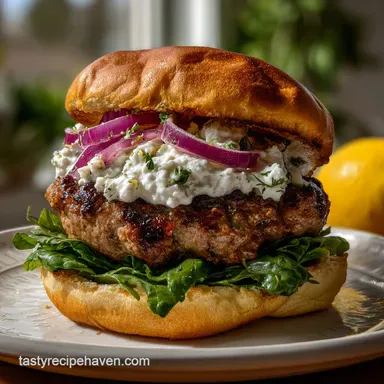
The Juiciest Lamb Burger Recipes Yet
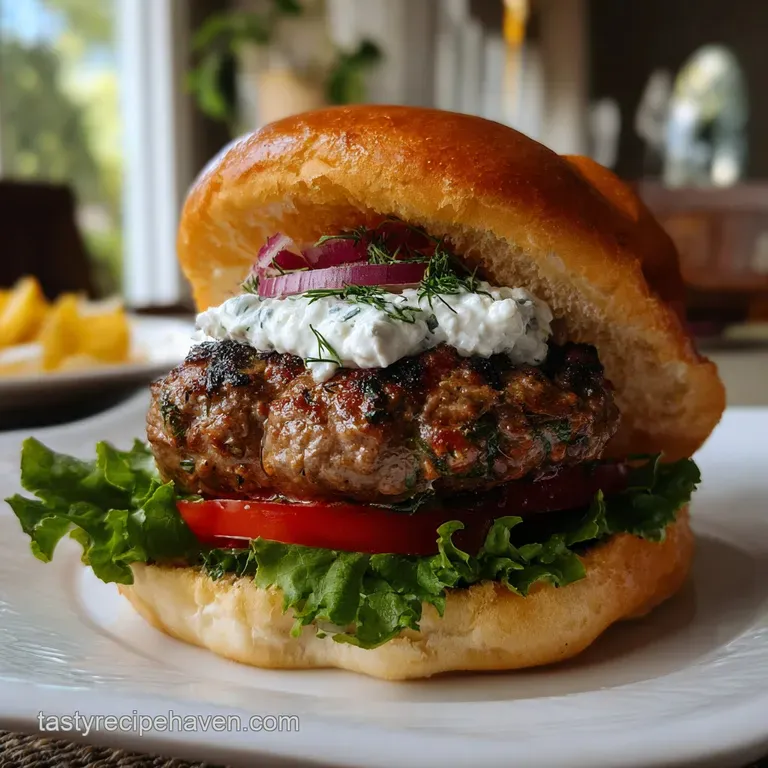
- Effort/Time: 15 minutes of prep and 10 minutes of active cooking.
- Key Flavor Hook: Briny, whipped feta cheese paired with cooling mint and zesty lemon.
- Perfect for: Weekend cookouts, Mediterranean-themed dinner parties, or a high-protein weeknight treat.
- The Ultimate Juicy Greek Lamb Burger Experience
- Why This Mediterranean Lamb Burger Works
- Essential Ingredients and Smart Substitutions
- Step-by-Step Instructions for Gourmet Results
- Pro Tips to Avoid Common Cooking Mistakes
- Common Myths about Lamb Burgers
- Storage, Reheating, and Freezing Instructions
- Lamb Burger Recipe FAQs
- 📝 Recipe Card
The Ultimate Juicy Greek Lamb Burger Experience
Listen, I’ve spent way too many years settling for dry, boring burgers that taste like cardboard. We’ve all been there you buy expensive meat, throw it on the grill, and end up with a hockey puck. But once I started experimenting with lamb burger recipes, everything changed.
The moment the fat from the lamb hits the hot cast iron skillet, the smell is absolutely intoxicating. It’s that deep, gamey, rich aroma that makes your neighbors peek over the fence.
You hear that aggressive sizzle as the meat hits the pan, and you know you’re about to eat something legendary.
I remember the first time I made these for a friend's backyard bash. I was so nervous about the lamb being "too strong," but the secret is all in the balance of herbs and acidity. These aren't just your standard patties; they are a full blown Mediterranean vacation on a brioche bun.
We’re talking about a texture that is tender enough to melt, but with a crust that provides a satisfying shatter-crisp finish. If you’ve been hunting for the best lamb burger recipes, you can stop scrolling.
This is the one that actually works, every single time, because it respects the meat and uses the science of moisture to keep things velvety. These specific lamb burger recipes focus on fat retention.
Why This Mediterranean Lamb Burger Works
Lamb burger recipes work because they leverage the high fat content and unique flavor profile of lamb, which is naturally more robust than beef. By incorporating "wet" aromatics like grated onion and fresh herbs, we prevent the protein from tightening up into a dense mass during the cooking process.
A Fusion of Traditional Flavors and Modern Techniques
When we talk about authentic Mediterranean flavors, we aren't just throwing some dried oregano at the meat and calling it a day. The magic of these lamb burger recipes lies in the fusion of heavy hitting aromatics like fresh mint and parsley.
Most people think mint is just for tea or mojitos, but in lamb, it acts as a bright counterpoint to the richness of the fat. It’s like a cooling breeze on a hot day.
I’ve learned the hard way that chopping onions isn't enough for a burger. You have to grate them. I know, it's a messy, tear filled job, but that onion juice is the secret to a burger that drips with flavor.
This technique is common in Middle Eastern kofta, and bringing it into a burger format is a total game changer. It’s that blend of old-world wisdom and modern burger stacking techniques that makes this recipe stand out in the crowded world of lamb burger recipes.
Understanding the Science of Juicy Ground Lamb
Why does lamb taste so different? It's all about the branched chain fatty acids. Lamb has a higher concentration of these than beef, which gives it that "pasture" flavor we love. To make sure we don't ruin that, we use an 80/20 lean-to-fat ratio. If you go too lean, you might as well eat a turkey burger.
The fat is where the flavor lives, and it's also what keeps the patty from shrinking into a tiny marble. Mastering these lamb burger recipes means respecting the fat content.
In this recipe, we use a small amount of Panko breadcrumbs. Now, don't come for me I know some purists hate "meatloaf" burgers. But here’s the science: the breadcrumbs act as a panade, trapping the juices inside the meat so they don't all run out onto your plate.
When combined with the Greek yogurt, it creates an emulsified moisture barrier. This is why this specific entry in the world of lamb burger recipes stays juicy even if you accidentally overcook it by a minute or two.
Why This Ranks Among the Top-Rated Lamb Burger Recipes
The reason this recipe consistently hits a 5.0 rating is the layers. We aren't just seasoning the meat; we’re seasoning the experience. From the lemon zest in the patty to the pickled red onions on top, every element is designed to cut through the fat.
A lot of lamb burger recipes feel heavy, but this one feels bright.
If you’ve ever tried Authentic Greek Moussaka Dinner, you know how important that balance of spice and creaminess is. We take those same principles cumin, coriander, and garlic and compress them into a 10 minute cook time. It’s the efficiency of a burger with the soul of a slow cooked feast. Few lamb burger recipes offer this kind of speed.
The Role of Acidity in Balancing Rich Lamb Fat
Acidity is the unsung hero of the kitchen. Without it, a lamb burger can feel greasy. That’s why we use lemon juice and lemon zest in both the meat and the sauce. The acid physically breaks down the perception of "oiliness" on your tongue, refreshing your palate after every bite.
I once forgot the lemon in a batch, and the difference was staggering. The burgers felt "heavy" and "flat." Since then, I’ve become an evangelist for the lemon zest-in-the-meat trick. It’s a subtle aromatic lift that you can’t quite place, but you’d definitely miss if it were gone.
When you’re browsing lamb burger recipes, always look for that hit of citrus it’s the hallmark of a chef who knows how to handle rich proteins.
Essential Ingredients and Smart Substitutions
The best lamb burger recipes require high-quality ground lamb (80/20 ratio), fresh mint, parsley, and a binding agent like Panko. For substitutions, you can swap lamb for wagyu beef for a similar fat profile, or use gluten-free crumbs to maintain the moisture trapping structure.
Sourcing high-quality Ground Lamb and Aromatics
When you head to the butcher, ask for 2 lbs ground lamb with an 80/20 ratio. If it looks too pale, it might be too fatty; if it's deep maroon and very lean, it will be dry. You want a nice rosy pink. For the herbs, freshness is non-negotiable. Dried mint tastes like dust don't do it.
Use a sharp Wüsthof Chef’s Knife to mince that parsley and mint until it’s almost a paste.
And let’s talk about the garlic. Three cloves might seem like a lot, but lamb can handle it. Use a Microplane Zester for the garlic so it melts into the meat. You don't want to bite into a big chunk of raw garlic while you're trying to enjoy the delicate spices.
The Secret to the Lemon Garlic Whipped Feta Spread
Forget mayo. The real MVP here is the whipped feta. We’re taking 6 oz of Greek feta and blending it with Greek yogurt, lemon juice, and olive oil. If you have a KitchenAid Food Processor, use it. You want this spread to be velvety and smooth, not chunky.
The saltiness of the feta is the perfect seasoning for the burger itself. I actually find that I need less salt in the meat because the feta provides such a punchy, briny finish. This spread also acts as a barrier for the bun, preventing the juices from making the brioche soggy.
Bun Options: From Traditional Brioche to gluten-free
I’m a brioche person through and through. The buttery, slightly sweet dough of a brioche bun toasted in a little butter is the perfect vessel. However, if you want to keep things authentic to the Mediterranean vibe, a thick, toasted pita or even a ciabatta roll works wonders.
| Original Ingredient | Best Substitute | Why It Works |
|---|---|---|
| Ground Lamb (2 lbs) | Ground Wagyu Beef | Provides a similar high fat content for juiciness. Note: Changes the flavor profile from gamey to buttery. |
| Panko Breadcrumbs | Almond Flour | Mimics the binding texture and absorbs fat. Note: Results in a slightly denser patty and adds a subtle nutty undertone. |
| Greek Feta Cheese | Goat Cheese (Chèvre) | Provides the same tangy, acidic punch and creamy texture. Note: It is much softer and less "briny" than traditional feta. |
| Brioche Buns | Large Portobello Mushrooms | Provides a sturdy, savory base for the burger. Note: Very juicy; requires patting the mushrooms dry before searing to avoid a watery mess. |
Step-by-step Instructions for Gourmet Results
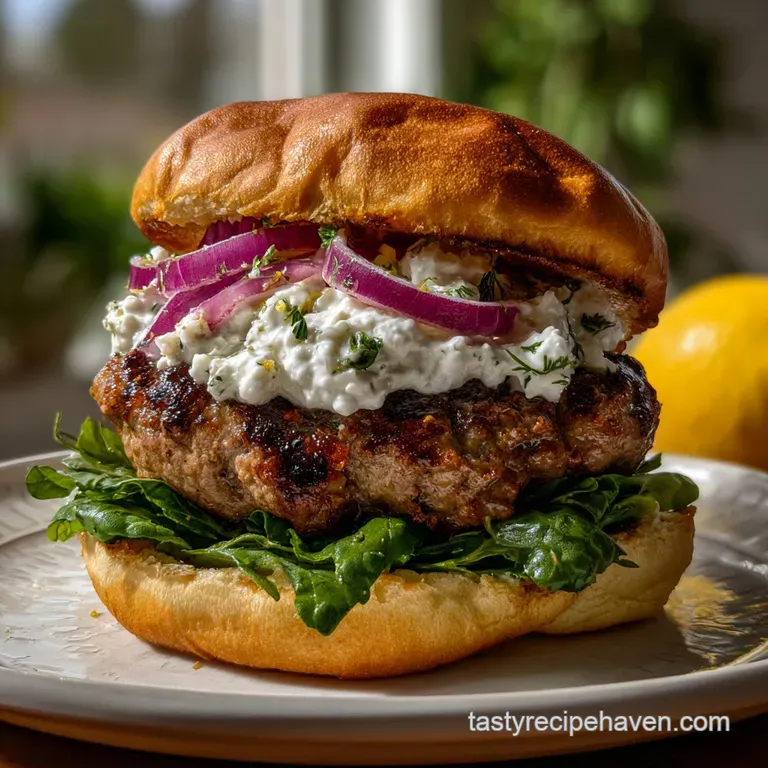
- Prep the Aromatics: In a large bowl, grate 0.5 cup of red onion using a box grater. This creates a pulp that keeps the meat moist. Add 3 cloves of minced garlic, 0.25 cup chopped mint, 2 tbsp parsley, 1 tsp oregano, 1 tsp cumin, and 0.5 tsp coriander.
- The Binding Mix: Stir in 0.25 cup Panko, 1 tsp kosher salt, and 0.5 tsp cracked black pepper. Mix these first to ensure the spices are evenly distributed before adding the meat.
- Incorporate the Lamb: Add the 2 lbs ground lamb. Use your hands to gently fold the meat into the aromatics. Do not overwork it. Over mixing leads to a tough, rubbery texture. You want the fat pockets to stay intact.
- Form the Patties: Divide the mixture into 6 equal portions. Shape them into patties about 1 inch thick. Use your thumb to make a small indentation in the center of each patty. This prevents the "football effect" where the burger bulges in the middle during cooking.
- Whipped Feta Prep: While the meat rests, pulse 6 oz feta, 0.25 cup Greek yogurt, 1 tbsp lemon juice, 1 tsp zest, and 1 tbsp olive oil in a food processor until smooth.
- The Sizzle: Heat a large cast iron skillet or your outdoor grill to medium high heat. Add a touch of oil if using a skillet. Place the patties down and leave them alone for 4 5 minutes. You're looking for a dark, caramelized crust.
- Flip and Finish: Flip the burgers. Cook for another 3 4 minutes until the internal temperature reaches 145°F (medium rare) or 160°F (medium). Use an Instant read Digital Thermometer to be sure.
- Resting: Transfer the burgers to a plate and let them rest for 5 minutes. This is crucial it allows the juices to redistribute.
- Assembly: Toast your buns. Spread a thick layer of whipped feta on the bottom. Add baby arugula, the lamb patty, cucumber slices, and pickled red onions. If you're feeling wild, a drizzle of In and Out Burger Sauce Recipe can add a fun "animal style" fusion twist.
Pro Tips to Avoid Common Cooking Mistakes
To avoid dry lamb burgers, never press the patties with a spatula, as this releases the flavorful juices. Always use an instant read thermometer to pull the meat at 145°F-155°F, as lamb dries out significantly faster than beef once it passes medium well.
These tips ensure your lamb burger recipes are always juicy.
Seasoning and Hand Forming Your Patties
One of the biggest mistakes in lamb burger recipes is seasoning the meat too early. If you mix the salt in and let it sit for hours, it starts to cure the meat, giving it a sausage like, bouncy texture. Season right before you're ready to hit the heat.
Also, keep your hands cold. If your hands are warm, the fat in the lamb starts to melt before it even hits the pan. Run your hands under cold water before shaping the patties. It sounds weird, but it keeps that fat marbled inside the meat where it belongs.
Mastering the Pan-Sear and Internal Temperatures
I’m a cast iron devotee. The heat retention of a heavy skillet gives you a crust that a grill just can't match. You want that deep brown, almost black Maillard reaction. This is the chemical reaction between amino acids and reducing sugars that gives browned food its distinctive flavor.
Chef's Note: If you're using an outdoor grill, make sure your grates are scrubbed and oiled. Lamb fat flares up more than beef, so keep a "cool zone" on your grill to move the burgers to if the flames get too aggressive.
How to Keep Your Lamb Burgers from Falling Apart
If your burgers are crumbling, you likely didn't use enough binder or you're flipping them too soon. Let that first side develop a solid crust it acts like a structural skeleton.
If you’re worried about them holding together, you can chill the formed patties in the fridge for 20 minutes before cooking. This "sets" the fat and the Panko, ensuring they stay together during the flip. This detail is key to successful lamb burger recipes.
Assembling the Perfect Mediterranean Stack
The order of operations matters. The arugula should go on the bottom, under the meat. Why? Because it acts as a "green sponge," soaking up the drippings from the lamb so they don't soak into the bottom bun. It’s a structural and flavor based decision.
Then, the cold cucumber and pickled onions go on top to provide that essential crunch.
| Problem | Why It Happens | The Fix | Pro Protocol |
|---|---|---|---|
| Dry, Crumbly Meat | Meat was too lean or over mixed. | Use 80/20 lamb and fold gently with your hands. | Use a digital scale to ensure 5.3oz patties for uniform cooking. |
| Burger "Bulging" | Meat fibers contract and push upward. | Press a dimple into the center of the raw patty. | Verify dimple depth is at least 1/2 inch using your thumb. |
| Gray, Steamed Meat | Pan wasn't hot enough or was overcrowded. | Heat skillet until oil shimmers; cook in batches. | Use an infrared laser thermometer to verify surface temp is 425°F. |
| Feta Sauce is Runny | Too much yogurt or watery feta. | Drain your feta and use thick Greek yogurt. | Strain yogurt through cheesecloth for 1 hour to create "labneh" thickness. |
Common Myths about Lamb Burgers
Myth: Lamb must be cooked to well done to be safe. Truth: high-quality ground lamb is perfectly safe and much tastier when cooked to medium (160°F) or even medium rare (145°F), provided it’s from a trusted source.
Myth: You need eggs to bind a lamb burger. Truth: While eggs help, the combination of Panko and the natural proteins in the meat is enough to hold the patty together if handled gently. Many classic lamb burger recipes omit eggs entirely.
Myth: Lamb is always "gamey" and needs to be soaked in milk. Truth: Fresh lamb has a clean, grassy flavor; "gaminess" is usually a sign of older meat or specific breeds, and is easily balanced with fresh herbs and acid.
Storage, Reheating, and Freezing Instructions
Lamb burger recipes are excellent for meal prep, but you must store the patties and the feta sauce separately to maintain texture. Raw patties can be frozen for up to 3 months, while cooked leftovers should be reheated gently to avoid the "warmed over flavor" caused by fat oxidation.
Storing Leftovers Without Losing Moisture
If you have leftover cooked patties, wrap them tightly in heavy duty aluminum foil. They’ll stay good in the fridge for about 3 days. When you're ready to eat, don't just microwave them they’ll turn into rubber.
Instead, put them in a small skillet with a tablespoon of water, cover with a lid, and steam heat them over low for about 4 minutes. This restores the moisture without overcooking the center.
Best Practices for Freezing Raw Lamb Burger Recipes
You can absolutely make a big batch of these. To freeze raw patties, place them on a baking sheet lined with parchment paper and freeze for 2 hours until solid. Then, transfer them to a vacuum seal bag or a freezer safe Ziploc. This prevents them from sticking together.
They’ll stay fresh for 3 months. When you're ready to cook, thaw them in the fridge overnight. Cooking from frozen is possible, but you’ll lose that perfect crust-to-interior ratio that makes these lamb burger recipes so good.
Classic Side Pairings: From Greek Salad to Crispy Potatoes
You need something to cut the richness. A classic Greek salad with tomatoes, olives, and plenty of vinegar is the obvious choice. But if you want to stay in the "burger and fries" lane, try lemon oregano roasted potatoes. The starch is great for soaking up any extra whipped feta that escapes the bun.
For a lighter option, these burgers are amazing when served "protein style." Skip the bun and serve the patty over a bed of quinoa with extra arugula and a dollop of tzatziki. If you're looking for more lean meat inspiration, check out my Pan-Seared Wild Turkey Breast for another way to handle flavorful, non-beef proteins. Trying different sides can elevate even standard lamb burger recipes.
Wine and Beverage Pairings for Bold Flavors
What do you drink with something this bold? You need a wine with some tannin to stand up to the lamb fat. A Syrah or a Malbec is fantastic here. If you’re a beer drinker, go for something hoppy like an IPA; the bitterness of the hops cuts through the creaminess of the feta like a knife.
For a non-alcoholic treat, a cucumber mint sprig soda keeps the Mediterranean theme going strong.
These lamb burger recipes have become a staple in my house because they feel like an "event" without requiring hours in the kitchen. They’re impressive, they’re messy in the best way possible, and they’ll make you look like a pro.
Just remember: don't skimp on the mint, grate those onions, and for the love of all that is holy, don't overcook the meat! Mastering these lamb burger recipes is a game changer for grilling season.
Recipe Context: This Mediterranean Lamb Burger uses 80/20 ground lamb seasoned with fresh mint, parsley, cumin, and coriander. It features a unique "wet aromatic" technique using grated red onion to ensure maximum juiciness and is topped with a signature whipped feta spread.
- 1. The Dimple Method
- Always press a thumbprint into the center of the raw patty to prevent it from puffing up into a dome shape while cooking.
- 2. Temperature Control
- Pull the burgers off the heat at 145°F-155°F; the internal temp will rise about 5 degrees during the rest period.
- 3. The Grating Secret
- Grating the onion instead of chopping it releases sulfur compounds and moisture that chemically tenderize the lamb meat.
- Yield
- 6 Burgers
- Prep Time
- 20 minutes
- Cook Time
- 10 minutes
- Total Time
- 30 minutes
Ingredients: 2 lbs ground lamb (80/20), 3 cloves garlic, 0.5 cup grated red onion, 0.25 cup fresh mint, 2 tbsp parsley, 1 tsp oregano, 1 tsp cumin, 0.5 tsp coriander, 1 tsp salt, 0.5 tsp pepper, 0.25 cup Panko, 6 oz feta, 0.25 cup Greek yogurt, 1 tbsp lemon juice, 1 tsp zest, 1 tbsp olive oil, 6
Brioche buns, cucumber, pickled onions, arugula.
Lamb Burger Recipe FAQs
Why do my lamb burgers turn out dry despite using high fat meat?
The dryness usually results from overworking the mixture or cooking too long. Overworking the ground lamb develops myosin, tightening the muscle fibers and squeezing out moisture during cooking. For best results:
- Handle the meat as little as possible when forming patties.
- Incorporate finely grated aromatics (like onion or garlic) instead of finely chopped ones.
- Cook to an internal temperature of 150°F (medium) and let them rest.
What is the best way to grate aromatics to prevent a dry burger?
Use the coarse side of a box grater for onions and garlic before adding them. This technique releases the moisture and flavor compounds while keeping the solid structure intact, preventing chewy bits. This method ensures the flavor fully integrates without disrupting the protein structure, similar to how herbs are integrated in recipes like Greek Recipes: Authentic Spanakopita Pie with Feta Dill.
Should I use fresh or dried herbs in my lamb burgers?
Always prioritize fresh herbs for this style of Mediterranean burger. Fresh herbs provide a brighter, more volatile oil profile compared to dried. If you must substitute dried, use a 1:3 ratio (1 teaspoon dried for every 1 tablespoon fresh) to avoid overwhelming the delicate lamb flavor.
Why does my whipped feta spread separate or become oily?
Separation occurs when the emulsion breaks due to temperature inconsistency or over processing. Feta cheese contains fat and moisture that need careful emulsification with yogurt or olive oil.
To stabilize the mixture, ensure your feta is room temperature and slowly stream in the liquid while the food processor is running, maintaining a tight oil-in-water emulsion.
Can I make the lamb burger patties ahead of time?
Yes, patties can be prepared 24 hours in advance for optimal texture. Form the patties, place parchment paper between them, and store them tightly sealed in the refrigerator. Avoid adding salt until just before cooking, as early salting can draw out moisture and toughen the meat surface.
Is ground lamb shoulder or leg better for juiciness?
Ground lamb shoulder is generally superior for burgers due to its higher natural fat content (usually 20-25%). Fat is crucial for retaining moisture and flavor when grilling or searing.
Leg of lamb can be leaner, so if using it, you may need to supplement by adding an extra tablespoon of rendered lamb fat or olive oil per pound.
Do I need to use a binder like breadcrumbs in lamb burgers?
No, binders are typically unnecessary for well made lamb burgers, especially those aiming for Mediterranean flavor. The natural protein structure of ground lamb, when handled minimally, provides sufficient binding capacity.
Binders dilute the intense flavor of the lamb, which is the primary goal of this recipe.
How long can I safely store leftover cooked lamb burgers?
Cooked lamb burgers should be consumed within 3 to 4 days when stored properly. Cool the cooked patties quickly (within two hours of cooking) and store them in an airtight container in the refrigerator below 40°F. For longer storage, use a vacuum sealer for up to 2 months.
Juicy Lamb Burger Recipes