Maine Lobster Roll: Authentic Chilled Cold Recipe
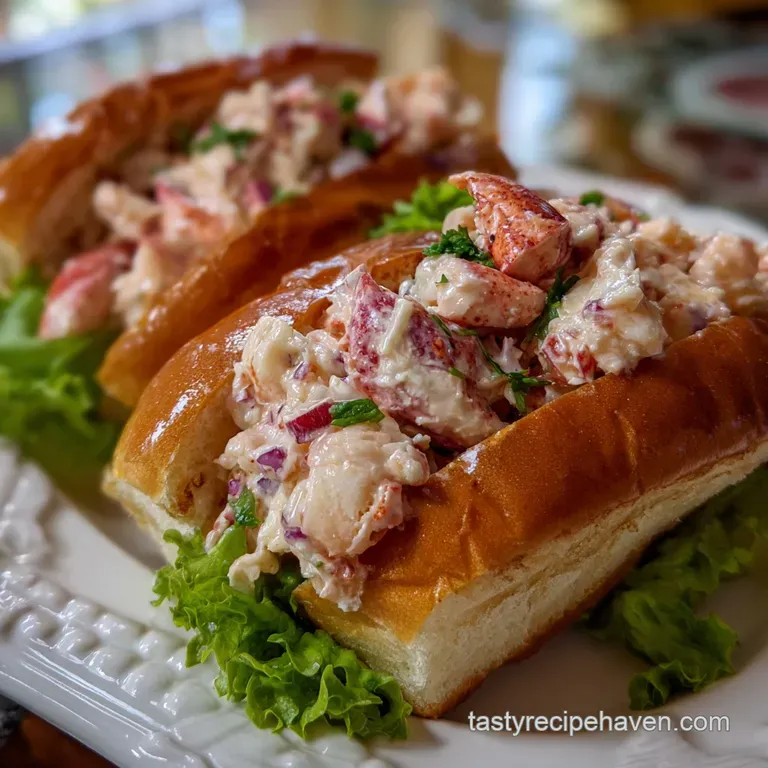
- The Duke of Delicacy: Authentic Maine-Style Chilled Lobster Rolls
- Why the Maine Lobster Roll Reigns King of Summer Sandwiches
- Essential Components for the Perfect Lobster Salad
- Optimizing Your Bread: Why Brioche is Non-Negotiable
- Troubleshooting Common Errors: Achieving Flawless Maine Lobster Rolls
- Maximizing Freshness: Storage and Prep-Ahead Strategies
- The Pairing Protocol: Sides That Complement the Seafood Delicacy
- Recipe FAQs
- 📝 Recipe Card
The Duke of Delicacy: Authentic Maine Style Chilled Lobster Rolls
Picture this: you take a bite and hear a satisfying crunch from the perfectly toasted golden roll, followed immediately by the cool, sweet flood of buttery lobster meat. That first mouthful of a proper Maine Lobster Roll carries the scent of the sea and the richness of summer it’s honestly a religious experience.
Forget everything you think you know about sandwiches; this is pure, unadulterated maritime perfection served on a bun.
I know what you're thinking: isn't great seafood expensive? Yes, but making this legendary treat at home transforms it from a pricey restaurant splurge into an achievable, ridiculously satisfying meal.
When you handle the seasoning yourself, you realize how simple the perfect Maine Lobster Roll truly is. Trust me, once you master this version, those roadside stands will have serious competition in your kitchen.
We’re focusing on the true classic today: the chilled salad style, which originated in Maine and lets the lobster’s natural sweetness shine through. Ready to ditch the fancy techniques and just make something that tastes profoundly good?
Let’s crack on with making the ultimate Maine Lobster Roll recipe .
Why the Maine Lobster Roll Reigns King of Summer Sandwiches
Understanding the Maine Difference: Chilled vs. Warm Butter
When people talk about lobster roll recipe variations, they usually divide the world into two camps: Maine (chilled, mayo based) and Connecticut (warm, butter based). While I adore a warm, buttery Connecticut roll in late fall, the Maine approach wins summer hands down. Why?
It’s lighter, crisper, and perfectly suited for a blazing hot afternoon. The dressing acts as a binder and a subtle counterpoint to that incredibly sweet claw and knuckle meat, making this the definitive Cold Lobster Roll Recipe .
The Simple Philosophy: Highlighting Lobster's Natural Sweetness
The secret to a great traditional Maine Lobster Roll is restraint we aren't trying to make a heavy coleslaw here. We want to enhance the lobster, not smother it.
The dressing elements a tiny bit of lemon juice, a hint of salt, and excellent mayonnaise are just there to provide balance and moisture. Anything more complex, and you might as well forget you spent money on premium seafood.
Flavor Science: Why Chilling Improves the Texture and Taste
Chilling, which takes about 30 minutes, is absolutely critical for the success of this lobster roll sandwich . First, cold lobster has a firmer, more pleasant chew than room temperature lobster.
Second, forcing the assembled salad to chill allows the salt, pepper, and acid to permeate the meat fibers fully. When you skip this step, the dressing tastes separate from the lobster; when you nail it, the flavours meld into one harmonious, glorious bite.
Essential Components for the Perfect Lobster Salad
Selecting and Preparing Premium Maine Lobster Meat (Knuckle & Claw)
For the best flavour, you need a mix of meat textures. The knuckle and claw meat are tender and sweet, perfect for the salad. The tail meat is firmer and provides that essential bite.
If you are cooking your own lobster, plunge it directly into an ice bath immediately after cooking to stop the process and keep the meat extremely tender. This is non-negotiable for maximum flavour retention.
Chef's Note: Don't ever use frozen, pre-cooked meat if you can help it. The freezing process releases too much moisture and dulls that fresh off-the-boat flavour crucial for a spectacular Maine Lobster Roll.
The Role of Mayonnaise in Texture and Tang: Less is More
The mayonnaise is not just the binder; it provides richness and a necessary touch of tang to cut through the sweetness of the lobster and the butter of the bun. I prefer a high-quality, oil-based mayonnaise.
If you need a substitute, an aioli will work, but you must ensure it’s not overly garlicky we aren’t making a tapenade, after all!
Subtle Aromatics: Chives and Celery Fine Tuning the Flavor Profile
The celery should be finely diced, providing a delicate crunch without being sharp or stringy. It offers texture contrast that is vital. Chives, not raw onion, offer a mild, fresh onion taste. If you don't have chives, you can substitute them for a finely minced green onion, using only the green parts.
Avoid using dried herbs entirely.
Optimizing Your Bread: Why Brioche is Non-Negotiable

Sourcing the Ideal Brioche Buns for the Golden Toast
We are looking for the New England style split top white bread roll, often sliced flat on the sides. While traditional rolls are acceptable, using a high-quality brioche bun elevates this to gourmet territory.
Brioche has the perfect balance of richness and fluffiness, ensuring it stands up to the hefty filling. If you can’t find split top, buy regular brioche hot dog buns and cut off the curved sides yourself.
Phase I: The Art of Dressing and Chilling the Lobster
Preparing the lobster salad is a delicate operation. You want to make sure the lobster meat is chunky and cold. I like to roughly chop the meat rather than shred it; big chunks are far more satisfying when you bite down. Mix the mayonnaise, lemon juice, and seasonings first, creating a loose, flavorful dressing base.
Now, gently fold the chilled lobster and aromatics into the dressing. You are essentially just coating the ingredients, not macerating them. Immediately put that bowl in the fridge for at least 30 minutes.
This mandatory rest time ensures you get a robust, satisfying Maine Lobster Roll later.
Phase II: Achieving Perfection in the Buttered Roll Preparation
Step-by-step: Gently Tossing the Meat and Dressing Mixture
As mentioned, mixing is gentle work here. You want to see distinct chunks of lobster clinging lightly to the dressing, not swimming in it. I use a rubber spatula and turn the mixture over maybe three times, maximum. Over mixing introduces air, which warms the ingredients, and also damages the delicate meat texture.
Critical Cooling Time: Setting the Salad for Optimal Firmness
When that lobster salad comes out of the fridge, it should be intensely icy cold. This is the moment of truth. If it looks loose or watery, you likely have residual moisture in your lobster meat. But don't panic! Simply use a slotted spoon to load the rolls, leaving any excess liquid behind in the mixing bowl.
Technique: Grilling the Brioche Buns for Maximum Fluff and Crunch
Melt that butter and apply it liberally to the exterior sides of the rolls. This isn't a drizzle; it's a solid application. Toast the rolls on a medium hot flat griddle until they are deeply golden brown and perfectly crisp, about 2- 3 minutes per side.
The sound of the crust crackling when you handle it should be your signal that they are ready. The combination of the buttered, warm bread and the cold lobster fill is what makes the Maine Lobster Roll truly iconic.
The Grand Assembly: Overfilling the Roll for Delicacy Presentation
You are paying for the lobster, so don't be shy. A classic lobster roll sandwich should be noticeably heaped. Line the roll with a butter lettuce leaf if you like, just to protect the bread from getting soggy (and for a little colour), then pile the cold, chunky lobster salad in until it's slightly overflowing.
Troubleshooting Common Errors: Achieving Flawless Maine Lobster Rolls
Common Ingredient Mistake: Avoiding Oversaucing the Lobster Meat
This is the number one disaster I see with New England Lobster Roll Recipes . Too much dressing turns the salad into a heavy, gluey mess that masks the sublime sweetness of the lobster. Start with half the recommended mayonnaise and add only until the meat is lightly coated.
You can always add more, but you can’t take it away!
Chef’s Secret: Mastering the Butter Grill Technique for the Rolls
Don't use low heat when toasting the buns. Low and slow leads to dry, crunchy bread. You need medium high heat to quickly crisp the exterior while keeping the center of the brioche soft and fluffy. It should sizzle when the buttered roll hits the skillet.
Technique: Choosing the Right Salt
Use sea salt flakes or kosher salt, not fine table salt. The texture of the salt flakes provides a superior sensory experience.
Maximizing Freshness: Storage and Prep Ahead Strategies
Safe Handling: Storing the Dressed Lobster Salad Overnight
You can prepare the lobster roll filling (the salad) up to 12 hours in advance, provided you keep it well sealed and intensely refrigerated. However, you should never dress the salad more than 24 hours ahead, as the acidity in the dressing will start to change the texture of the lobster meat.
Always store the rolls separately, untoasted, at room temperature.
Reheating the Rolls
If you toast too many rolls, you can warm them briefly in a 350°F (175°C) oven for about 2 minutes; this works better than trying to re-grill them. The whole point of an Easy Lobster Roll process is that it’s fast; keep the components ready and assemble them right before serving.
The Pairing Protocol: Sides That Complement the Seafood Delicacy
The richness of the brioche and the sweetness of the lobster require bright, crunchy sides. They should be clean and simple, never heavy. If you want something cozy for dessert, I highly recommend checking out my Cinnamon Rolls: The Best Fluffy Overnight Cream Cheese Recipe . Seriously, the contrast between the cold roll and the warm, gooey cinnamon roll is heavenly.
Recommended Companions: Crispy Salt and Vinegar Chips and Simple Slaw
A crunchy, oil-based coleslaw is the perfect acidic counterpoint to this rich meal. And honestly, nothing beats a bag of really good, crispy salt and vinegar chips. The sharp acidity cleanses the palate, preparing you for the next perfect bite of cold lobster embedded in a warm, buttery shell.
This entire Maine Lobster Roll experience is built on contrast, after all.
Recipe FAQs
What is the difference between a Maine style and a Connecticut style lobster roll?
The Maine style roll, such as this recipe, is served chilled, using cold lobster meat mixed lightly with mayonnaise (or a minimal dressing). The Connecticut style roll is served warm, with hot lobster meat gently tossed in melted butter, offering a richer flavor profile.
Can I cook the lobster myself, and how can I ensure it isn't chewy?
Yes, cooking live lobster at home (usually steaming for 8-12 minutes) yields the freshest meat. To prevent toughness, avoid overcooking; the meat should be opaque and firm, but still tender when pressed. Immediately shock the cooked meat in an ice bath to stop the residual cooking process.
What is the best type of bun to use, and why must it be split top?
A New England style split top hot dog bun is traditional because its flat sides maximize the surface area for grilling in butter. This preparation creates a golden, crusty texture that contrasts beautifully with the cold, creamy filling.
Brioche or potato rolls are excellent options due to their slight sweetness and soft texture.
Can I prepare the lobster salad filling ahead of time, and how long does it last?
Yes, the lobster salad can be prepared 4 6 hours ahead of time and stored tightly covered in the refrigerator. For the best taste and texture, wait to assemble the rolls until just before serving to prevent the buns from becoming soggy.
What is a good substitute for mayonnaise if I don't care for it?
While mayonnaise is classic, you can substitute it with plain Greek yogurt mixed with a squeeze of lemon juice for a tangier, lighter binder. Alternatively, use a high-quality creme fraiche, which provides creaminess without the heavy flavor of conventional mayo.
I have leftover lobster rolls. Can I freeze them?
It is not recommended to freeze assembled lobster rolls, as the bread will become mushy and the quality of the cooked and dressed lobster meat will deteriorate upon thawing. If you have leftover filling, it can be kept in the refrigerator for up to two days, but freezing is strongly discouraged due to texture issues.
Why is my dressing running thin and making the bun soggy?
The dressing is likely too thin because excess moisture from the lobster meat was not drained before dressing, or too much lemon juice was added. Ensure the lobster is patted very dry after chilling and use only enough mayonnaise to bind the chunks together, keeping the mixture chunky, not soupy, to prevent saturation.
Classic Chilled Maine Lobster Roll