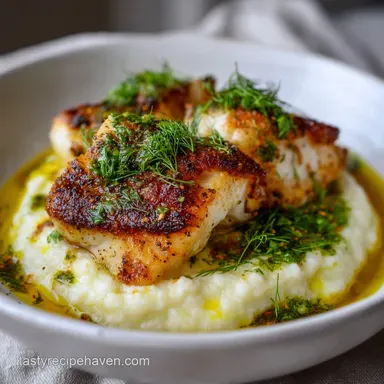
Low Histamine Dishes: Coastal Comfort Dinner
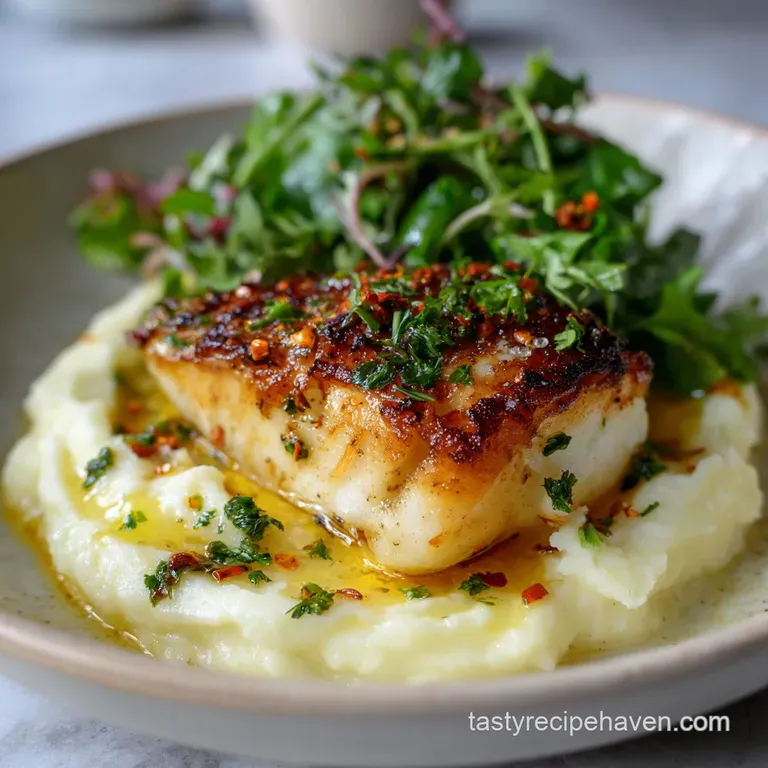
Coastal Comfort: Elevating Freshness in Low-Histamine Cooking
I know exactly what you’re thinking: can something truly delicious also be... safe? Can we actually create exciting Low Histamine Dishes that don't taste like flavor was forgotten? The answer, my friends, is a resounding yes, and trust me, this Pan-Seared Cod recipe is the proof.
This dish boasts the most divine contrast a creamy, almost buttery cauliflower purée paired with flaky, perfectly seared white fish, uplifted by a punchy, ultra fresh lemon herb vinaigrette.
The Culinary Challenge: Flavor Without the Histamine Flare
For ages, I struggled to find weeknight solutions that truly felt satisfying. When you’re dealing with histamine intolerance, every plate can feel restrictive, but ditching dull dinners is totally possible.
Our goal here is speed, flavor, and absolute adherence to freshness, which is the cornerstone of amazing Low Histamine Dishes . This meal comes together faster than you’d expect and provides a beautiful balance of protein and stabilizing vegetables.
Setting Sail: An Overview of Pan-Seared Cod and Cauliflower Purée
This strategy for fresh fish and a simple vegetable base is paramount when designing good low histamine recipes . We are using newly cooked ingredients and maximizing flavor with compliant fats and herbs.
Forget heavy, slow cooked sauces; we’re focused on bright, clean notes that make the ultra fresh simple ingredients sing. If you need inspiration for your weekly Low Histamine Dinner Ideas , this is the place to start.
Beyond Bland: Proving Low Histamine Dishes Can Be Gourmet
This recipe is intentionally designed to bypass nearly all common histamine triggers. We’re using incredibly fresh cod (the freshness is non-negotiable!) and pure ingredients like olive oil, fresh lemon, and easy-to-tolerate herbs like parsley and chives.
It shows that simple, elegant presentation is key to enjoying Low Histamine Dishes that truly feel like a treat, not a sacrifice. This is a brilliant addition to any comprehensive Low Histamine Diet Plan .
The Essential Pantry for Coastal Comfort: Ingredients and Preparation Notes
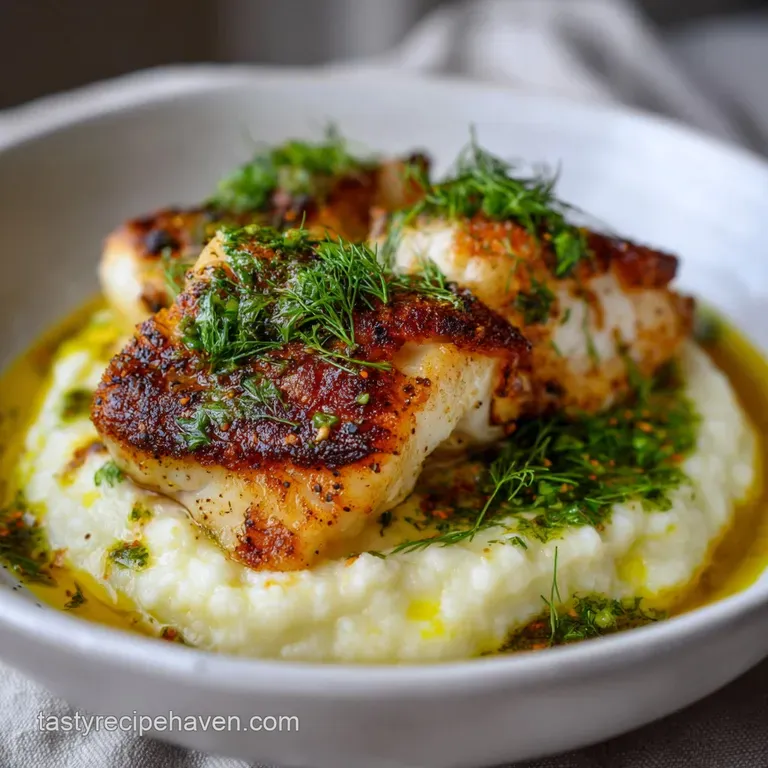
Managing a low histamine diet often means becoming a ingredient detective, but don't worry, I've got your back. We need to be meticulous about quality and freshness because every ingredient matters in achieving both safety and flavour in our carefully crafted Low Histamine Dishes .
Sourcing Spotlight: Selecting Ultra Fresh White Fish (Cod, Hake, or Snapper)
The absolute most critical step in this entire recipe is sourcing your fish. It must be eaten the day you buy it. Histamine levels climb rapidly after the fish is caught. Ask your fishmonger when it landed and if you can cook it tonight.
We need 1 lb (450g) of wonderfully fresh cod fillets, cut into four pieces.
Substitutions: If cod isn't available, Hake is a fantastic, firm flaky alternative, or use Snapper. Tilapia is also generally tolerated. Avoid tuna or salmon for this specific histamine focused dish.
The Vinaigrette Base: Approved Oils and Herb Selection (Parsley, Mint, Thyme)
This vinaigrette is our secret weapon, cutting the richness of the purée and fish with vibrant acidity. Conventional vinegar is often a major trigger, so we rely on fresh lemon juice, which is usually tolerated best when squeezed just before consumption.
I use a slightly higher ratio of oil to lemon (2:1) to keep the sharpness manageable, crucial for great tasting Histamine Diet Recipes .
The Herb Breakdown: We are using chives and parsley for their clean flavor profiles. If you tolerate mint or thyme, try swapping out the chives for a tablespoon of one of these. The fresher the herbs, the better the final dish.
Swap Savvy: Secure and Safe Ingredient Alternatives for Histamine Sensitivity
Navigating the high low landscape of a low histamine food list can be confusing, but these easy swaps keep this recipe safely compliant.
| Ingredient | Amount | Histamine Friendly Substitute | Why? |
|---|---|---|---|
| Ghee/Butter | 1 Tbsp | Coconut Oil (refined) | If dairy is an issue, ghee is usually tolerated, but coconut oil is completely safe. |
| Low-Histamine Stock | 1 cup | Filtered Water + 1/2 tsp Sea Salt | If you don't have fresh, homemade stock, plain quality water is safer than store-bought. |
| Coconut Milk | 1/4 cup | Rice Milk (unsweetened) | The coconut milk provides essential creaminess for the purée, but rice milk can also work in a pinch. |
| White Pepper | 1/4 tsp | Omit entirely | If pepper tends to flare your gut, just skip it. Salt and herbs are enough flavor. |
Mastering the Cauliflower Purée: Tips for Maximizing Sweetness
Honestly, this purée is so good, you won’t miss the potatoes. We cook the cauliflower soft and thoroughly, steaming away any sulfurous notes, turning it into a silky smooth base for our Low Histamine Dishes .
Adding a touch of nutmeg and that full fat coconut milk makes it deeply comforting. The resulting dish is naturally classified as one of those wonderfully satisfying Low Histamine gluten free Recipes we all crave.
CRITICAL CHEF'S NOTE: To maximize the texture of the purée, the cauliflower must be hot when blended. Cold ingredients make a gritty, grainy purée. The heat helps the cell walls break down completely, giving you that luxurious, silken finish.
Step-by-step Excellence: Crafting Your Low-Histamine Main Course
Timing is everything here. Start the purée, set the vinaigrette aside, and only start searing the fish when the purée is almost done. This guarantees that your beautiful Low Histamine Dishes hit the table hot and fresh.
Phase I: The Creamy Canvas Preparing the Cauliflower Purée
- Prep the Cauliflower: Wash one large head of cauliflower and cut it into evenly sized florets. This ensures they cook at the same rate.
- Cook Until Tender: Place the florets in a large saucepan and cover them with the low-histamine chicken stock and the 1/2 tsp of sea salt. If the stock doesn’t quite cover the florets, top up with a splash of filtered water. Bring to a boil, then reduce the heat, cover, and simmer for about 15- 20 minutes until the cauliflower is absolutely fork tender. It should look slightly shaggy and ready to fall apart.
- Blend: Drain the cauliflower, reserving the cooking liquid. Transfer the hot florets immediately into a high speed blender or food processor. Add the 1/4 cup of coconut milk and the pinch of nutmeg. Start blending on low, then increase the speed, slowly adding in some of the reserved cooking stock a tablespoon at a time, until you achieve a texture that pours slowly like thick cream. Scrape down the sides and blend again until unbelievably smooth. Keep this warm using a double boiler method or in a low oven.
Phase II: The Sear Strategy Ensuring a Perfect Crust on the Cod
Getting that beautiful golden crust on white fish is easier than you think. This is the star of our low histamine recipes dinner .
- Pat it Dry: Take your four fresh cod fillets and pat them down rigorously with paper towels. I mean brutally dry! Moisture is the enemy of a sear. Season the presentation side (the side without skin) with salt and perhaps the white pepper.
- Heat the Pan: Use a large non-stick or cast iron skillet over medium high heat. Add the 2 tablespoons of olive oil. Wait until the oil is shimmering and just starting to look slightly hazy.
- Sear: Place the cod, seasoned side down, gently into the hot oil. You should hear a satisfying sizzle immediately. Do not move the fish for 3 minutes. Just let it sear.
- Finish Cooking: After 3 minutes, the crust should be golden. Flip the fish using a thin fish slice. Add the tablespoon of ghee or unsalted butter to the pan. Baste the fish with the melting herb infused fat for the remaining 2- 3 minutes until the cod is opaque and flaky throughout. Remove immediately to a clean plate.
Phase III: The Bright Finish Combining the Lemon Herb Vinaigrette
This is the final flavor infusion for these delicate Low Histamine Dishes .
- Mix the Herbs: In a small bowl, whisk together the fresh lemon juice, the extra virgin olive oil, the minced chives, chopped parsley, and the microplaned (or omitted) garlic. Add a pinch of sea salt.
- Emulsify (Optional Step): You don't need a formal emulsification here, but giving it a vigorous whisk just before serving helps bind it slightly and makes it look brighter.
Pro Assembly: Plating Coastal Comfort Like a Chef
Presentation transforms simple ingredients into truly gourmet Low Histamine Dishes .
Spoon a generous amount of the creamy cauliflower purée onto the center of each plate, swirling it slightly with the back of the spoon. Carefully place one perfectly seared cod fillet right on top of the purée.
Spoon the bright lemon herb vinaigrette over the top of the fish, allowing some of the vibrant green liquid to pool around the edge of the purée. Serve instantly!
Mastering the Technique: Chef’s Tips, Troubleshooting, and Storage
There are little kitchen lessons I’ve learned the hard way (usually involving sticking fish). I want to share them so your experience creating these spectacular Low Histamine Dinner Ideas is flawless every time.
The Pan-Seared Pitfall: Avoiding Common Mistakes for Flaky Fish
The number one mistake people make when searing fish is not getting the oil hot enough, or overcrowding the pan. When the oil isn't screaming hot, the fish sticks and the crust develops too slowly, resulting in a soggy bottom.
- Never Crowd the Pan: If you are cooking more than four fillets, sear them in two batches. Overcrowding drops the pan temperature immediately, which means steaming instead of searing.
- The Fish Moves When Ready: Do not disturb the fish until the edges turn opaque and look set about 3 minutes. The crust won't stick once it has fully formed! If your fish is sticking, it’s not done searing on that side yet. Be patient. Following these methods ensures you execute some of the best Low Histamine Dishes you can imagine.
Flavor Boosters: Enhancing Low-Histamine Dishes Safely
Sometimes, blandness creeps in, especially when we’re being cautious. But we can still pack a punch.
- Toasted Seeds: Finish the dish with a sprinkle of toasted pumpkin or hemp seeds for crunch and a slightly nutty flavor that works brilliantly with the richness of the cod.
- Ginger: If tolerated, finely microplane a tiny amount of fresh ginger into the cauliflower purée for an invigorating warmth.
- Oils Matter: Use the highest quality, freshest extra virgin olive oil you can afford for the vinaigrette. The difference in taste for these delicate Low Histamine Dishes is astounding.
Practical Preservation: Storage Guidelines for Optimal Freshness
Because we are prioritizing ultra freshness for a safer low-histamine experience, storage needs to be addressed carefully.
- Fish (Don’t Do It): Please, do not try to save the cooked cod for later. Histamine levels continue to rise even after cooking. Serve and consume the fish immediately.
- Purée (Yes!): The cauliflower purée is much safer to store. Place completely cooled purée in an airtight container in the fridge for up to 3 days. Reheat on the stovetop slowly, adding a splash of stock or rice milk if it thickens too much.
- Vinaigrette (Short Term): Store the lemon vinaigrette in a sealed jar in the fridge for up to 2 days. Shake well before serving. For truly authentic and safe Low Histamine Dishes , though, always mix the dressing just before serving.
Complementary Pairings: Serving Suggestions for a Complete Meal
Every great main course deserves supporting roles. Since we're making these fantastic Low Histamine Dishes , let's keep the sides simple and safe.
- Roasted Root Vegetables: Try simple roasted carrots or parsnips tossed with olive oil and salt.
- Simple Greens: A side of delicate butter lettuce or rocket (arugula) with a plain olive oil dressing provides a refreshing crunch. If you're looking for other ways to use great supporting vegetables, check out our recipe for Cherry Tomato Recipes: Slow Roasted Confit with Burrata — just remember to skip the confit tomatoes entirely if you are sensitive, but the methods for cooking fresh vegetables are helpful!
Making delicious Low Histamine Dishes is about being mindful, but never missing out on flavor. This Coastal Comfort recipe will quickly become one of your favorites, proving that careful cooking can open up a world of delightful possibilities.
Recipe FAQs
Why is using ultra fresh fish critical for a low-histamine diet?
Histamine levels increase significantly the longer fish is stored after being caught, due to bacterial action. For low-histamine cooking, it is vital to source fish that has been caught and flash frozen immediately, or that is demonstrably fresh (caught the day of purchase) and cooked promptly.
The recipe calls for lemon zest and juice; are citrus fruits high in histamine?
While many citrus fruits can be histamine releasing, fresh lemon is often tolerated in small quantities when following a low-histamine diet, especially when cooked or incorporated into vinaigrettes.
If you are extremely sensitive, you can substitute the acidity with a couple of tablespoons of white distilled vinegar, which is generally better tolerated.
Can I use dried herbs instead of fresh ones in the Lemon Herb Vinaigrette?
We highly recommend sticking to fresh herbs for this specific recipe, as dried herbs, particularly mixes, can sometimes contain histamine releasers or have higher concentrations of residual yeast.
If substitutions are necessary, use about one-third of the amount specified for fresh herbs and ensure they are single ingredient, high-quality dried herbs like oregano or thyme.
I live far from the coast; what is the best way to purchase low-histamine fish?
The safest alternative to day-boat fresh fish is IQF (Individually Quick Frozen) fish fillets. Look for brands that freeze the fish on the boat shortly after the catch. Cooking the fish directly from the frozen state or thawing it quickly in cold water immediately before cooking helps maintain the lowest possible histamine levels.
How should I store leftovers of the Coastal Comfort dish?
Low-histamine foods should ideally be eaten immediately, but if storage is unavoidable, refrigerate any leftovers immediately after cooling completely within 30 minutes of cooking. Use airtight containers and consume the leftovers within 4 to 12 hours, as histamine levels will continue to rise even in the refrigerator.
My Cauliflower Purée isn't very creamy; what did I do wrong?
For the smoothest purée, ensure the cauliflower is cooked until extremely tender, nearly falling apart, before blending. Secondly, using enough high speed blending time is key keep blending until the mixture becomes silky, adding the required cooking liquids slowly to achieve the perfect emulsified consistency.
Can I make this dish without butter, or can I substitute the fat?
Absolutely, you can substitute the butter used for searing the fish with a stable, histamine friendly fat like refined coconut oil or olive oil. When finishing the purée, use high-quality coconut cream (the thick top layer of a can left in the fridge) instead of butter to maintain that rich texture and mouthfeel.
Low Histamine Dishes Pan Seared Cod