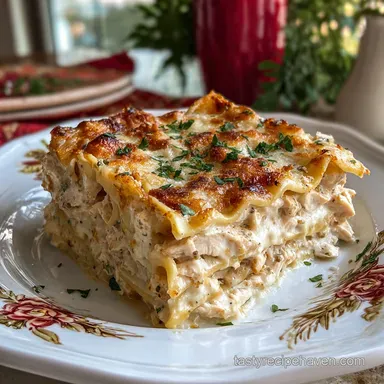
Creamy White Sauce Chicken Lasagna
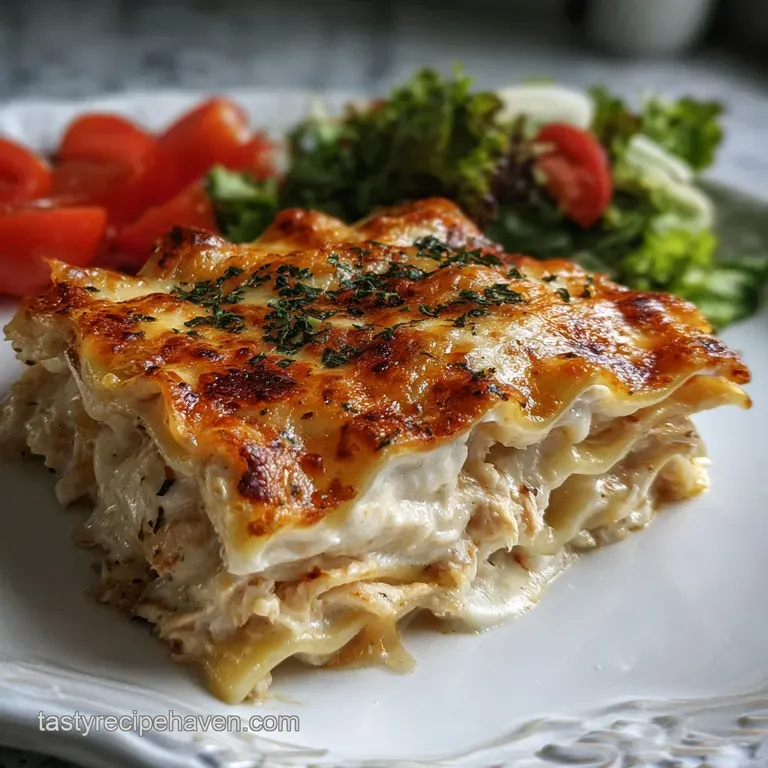
- Time: Active 20 minutes, Passive 45 minutes, Total 1 hours 5 mins
- Flavor/Texture Hook: Silky béchamel with a golden, blistered cheese crust
- Perfect for: High protein weeknight dinners or a cozy Sunday family gathering
- Why This Creamy Chicken Lasagna Beats Traditional Red Sauce
- Vital Statistics for Planning Your Next Comfort Meal
- Sourcing the Elements for Deep Savory Flavor
- The Alchemy of Selecting Your Elements
- The Minimalist Toolkit for Stress Free Cooking
- Layering Your Way to a Silky Masterpiece
- Navigating Hurdles for a Perfectly Structured Slice
- Customizing Your Bake with Bold Global Profiles
- Keeping Your Leftovers Fresh and Flavorful
- Finishing Touches to Wow Your Dinner Guests
- Myths Regarding White Sauce Bakes
- Recipe FAQs
- 📝 Recipe Card
Why This Creamy Chicken Lasagna Beats Traditional Red Sauce
The kitchen smelled like garlic and warm nutmeg, a scent that honestly makes me feel more at home than anything else. I remember the first time I pulled this Chicken Lasagna out of the oven, the edges were sizzling with a sound that promised a serious crunch, while the center remained a pool of molten, velvety cheese.
It was a total accident, really I had run out of marinara and decided to experiment with a white sauce I'd seen in an old cookbook.
We've all had those dry, disappointing casseroles that feel like a chore to eat. This isn't that. You're looking at layers of shredded chicken, earthy mushrooms, and a sauce so smooth it makes the no boil noodles feel like silk.
It’s the kind of meal where you find yourself scraping the corners of the baking dish for those little burnt cheese bits. Trust me, once you try the white sauce version, the red sauce might just start gathering dust in your pantry.
Right then, let's get into what makes this work. We aren't just throwing ingredients into a pan and hoping for the best. We’re building layers of flavor, from the sautéed mushrooms to the lemon zested ricotta. It’s about balance.
The richness of the cheese needs that hit of acidity and the warmth of the nutmeg to really sing. You’ll see exactly what I mean after that first bite.
Vital Statistics for Planning Your Next Comfort Meal
Starch Gelatinization: No boil noodles absorb the moisture from the sauce during baking, which hydrates the pasta while thickening the overall structure.
Protein Denaturation: The egg in the ricotta mixture acts as a structural glue, setting the cheese layers so the lasagna doesn't slide apart when sliced.
The Maillard Reaction: Cremini mushrooms lose their water and brown deeply when seared, creating a savory umami base that mimics the depth of a slow cooked meat sauce.
Emulsification Stability: By whisking the milk slowly into the flour and butter roux, we create a stable suspension that won't break or become grainy under high oven heat.
| Servings | Chicken Quantity | Pan Dimensions | Cook Time |
|---|---|---|---|
| 4 People | 2 cups shredded | 8x8 inch square | 35 minutes |
| 8 People | 4 cups shredded | 9x13 inch rectangle | 45 minutes |
| 12 People | 6 cups shredded | Two 9x9 inch pans | 50 minutes |
Whether you're feeding a small group or a full house, the key is keeping your layers even. If you scale up, just remember that the edges will always cook faster, so keep an eye on that golden brown color toward the end.
Sourcing the Elements for Deep Savory Flavor
Getting the right components is the difference between a "fine" dinner and a meal people talk about for weeks. I always suggest using a full fat ricotta; honestly, don't even bother with the low-fat stuff because it lacks the creamy mouthfeel we want here. For the poultry, I often use leftover Tender Poultry Recipe to save time without sacrificing that slow roasted flavor.
| Component | Scientific Role | Chef Secret |
|---|---|---|
| Whole Milk | Liquid Base | Use room temperature milk to prevent clumps in your white sauce. |
| No boil Noodles | Moisture Absorber | Ensure they are completely submerged in sauce to avoid hard, crunchy edges. |
| Unsalted Butter | Fat/Flavor Carrier | Brown the butter slightly before adding flour for a hidden nutty note. |
| Ground Nutmeg | Flavor Enhancer | This is the "bridge" spice that connects the dairy to the savory chicken. |
Using high-quality chicken bone broth in the sauce adds a layer of gelatin and minerals that standard water or thin stock just can't provide. It gives the sauce a "body" that feels much more expensive than it actually is.
The Alchemy of Selecting Your Elements
- 6 tbsp Unsalted Butter: The fat base for our roux. (Substitute: Salted butter, but reduce added salt later).
- 1/2 cup All purpose Flour: Thickening agent for the white sauce. (Substitute: gluten-free 1 to-1 flour blend).
- 3 cups Whole Milk: Provides the creamy volume. Why this? High fat content ensures a velvety texture that won't curdle.
- 1 cup Chicken Bone Broth: Adds depth and savory notes. (Substitute: Vegetable broth).
- 1 tsp Garlic Powder: For consistent, mellow garlic flavor. (Substitute: 3 cloves fresh minced garlic).
- 1/2 tsp Ground Nutmeg: The secret to a classic white sauce. (Substitute: Mace).
- 1 cup Freshly Grated Parmesan Cheese: Salty, nutty punch. Why this? Freshly grated melts much smoother than the pre shredded canned stuff.
- 4 cups Shredded Rotisserie Chicken: Our main protein. (Substitute: Leftover roast turkey).
- 15 oz Ricotta Cheese: The creamy middle layer. (Substitute: Cottage cheese blended until smooth).
- 1 Large Egg: Binds the cheese layers together. (Substitute: 1/4 cup heavy cream, though it's less stable).
- 2 cups Fresh Spinach: Adds color and a hit of iron. (Substitute: Chopped kale).
- 1/2 cup Fresh Parsley: Brightens the heavy fats. (Substitute: Fresh basil).
- 1/2 tsp Lemon Zest: Cuts through the richness. Why this? Just a tiny bit of acid makes the cheese flavors pop.
- 12-15 No boil Lasagna Noodles: The structure. (Substitute: Standard noodles, but you must boil them first).
- 4 cups Shredded Mozzarella: For the ultimate cheese pull. (Substitute: Provolone or Monterey Jack).
- 1/2 cup Sliced Cremini Mushrooms: Provides an earthy contrast. (Substitute: White button mushrooms).
The Minimalist Toolkit for Stress Free Cooking
You don't need a professional kitchen to pull this off, but a few specific tools make the process much smoother. A heavy bottomed saucepan is essential for the white sauce; thin pans have hot spots that can scorch the milk before you even realize it.
I usually reach for my whisk to keep the flour and butter moving, ensuring no clumps remain.
For the assembly, a standard 9x13 inch glass or ceramic baking dish is the gold standard. If you're looking for a similar creamy vibe with different techniques, you might enjoy how the cheese behaves in a Baked Cream Cheese recipe. Also, having a microplane on hand for that lemon zest and fresh nutmeg will change your life it’s the easiest way to get maximum flavor with zero effort.
Layering Your Way to a Silky Masterpiece
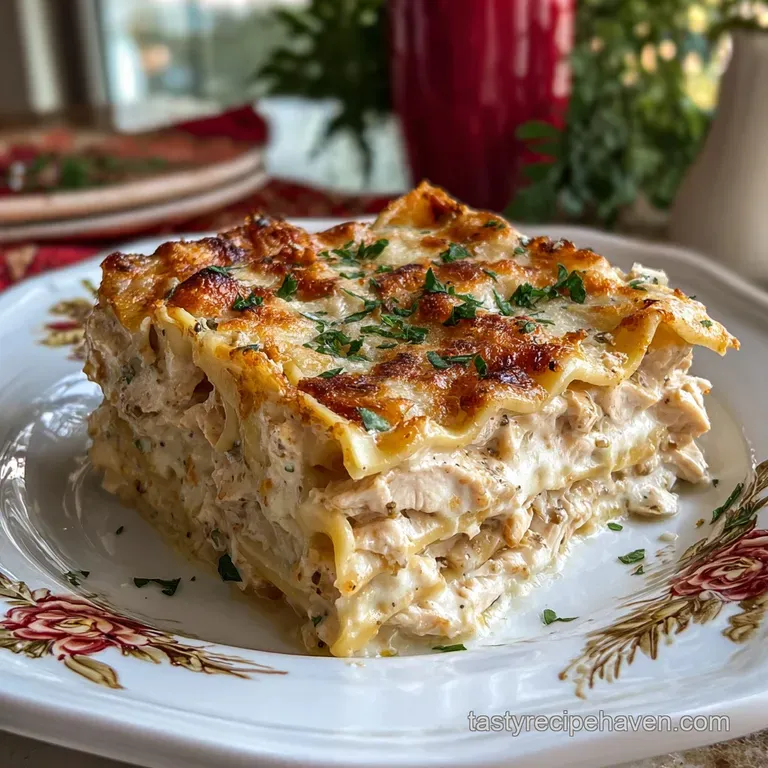
Nailing the White Sauce
- Melt 6 tbsp Unsalted Butter in a large saucepan over medium heat until it starts to sizzle and foam. Note: This removes water from the butter for a better roux.
- Whisk in 1/2 cup All purpose Flour and cook for 2 minutes until it smells slightly nutty but stays pale.
- Gradually pour in 3 cups Whole Milk and 1 cup Chicken Bone Broth, whisking constantly until the mixture is smooth and without lumps.
- Simmer the sauce for 5-7 minutes until it thickens enough to coat the back of a spoon.
- Stir in 1 tsp Garlic Powder, 1/2 tsp Ground Nutmeg, and 1 cup Freshly Grated Parmesan Cheese. Remove from heat.
Preparing the Protein and Ricotta
- In a medium bowl, stir together 15 oz Ricotta Cheese, 1 Large Egg, 2 cups chopped Fresh Spinach, 1/2 cup minced Fresh Parsley, and 1/2 tsp Lemon Zest.
- Spread a thin layer of the white sauce on the bottom of your 9x13 baking dish. This prevents the bottom noodles from sticking.
Engineering the Layers
- Place a layer of 3-4 no boil noodles over the sauce, then spread 1/3 of the ricotta mixture and 1/3 of the 4 cups Shredded Rotisserie Chicken.
- Scatter some 1/2 cup Sliced Cremini Mushrooms and a handful of 4 cups Shredded Mozzarella, then drizzle with more white sauce.
- Repeat the layers twice more, finishing with a final layer of noodles topped with the remaining white sauce and a generous blanket of mozzarella.
Achieving the Blistered Top
- Cover the dish with foil (tented so it doesn't touch the cheese) and bake at 375°F for 30 minutes.
- Remove the foil and bake for another 15 minutes until the cheese is bubbling and golden brown.
- Let the lasagna rest for at least 15 minutes before slicing. This is crucial for the layers to set.
Navigating Hurdles for a Perfectly Structured Slice
Why Your Lasagna Is Soupy
This usually happens if the spinach wasn't dried properly or the sauce was too thin. When you chop the spinach, give it a quick squeeze in a paper towel if it feels wet. Also, make sure your white sauce is thick enough to coat a spoon before you start layering.
| Problem | Root Cause | Solution |
|---|---|---|
| Crunchy Edges | Noodles not covered | Ensure sauce reaches the very corners of the dish. |
| Layers Sliding | Slicing too soon | Let the dish rest for 15 minutes to allow proteins to set. |
| Bland Flavor | Lacking acidity/salt | Add an extra pinch of salt or a tiny squeeze of lemon to the ricotta. |
Common Mistakes Checklist
- ✓ Never skip the resting period - it's the difference between a slice and a pile.
- ✓ Don't use "fresh" mozzarella (the kind in water) as it releases too much liquid.
- ✓ Make sure the white sauce covers every inch of the top noodles to prevent them from drying out.
- ✓ Use room temperature eggs for the ricotta mixture so it incorporates evenly.
- ✓ Pat your mushrooms dry after slicing to ensure they sear rather than steam.
Customizing Your Bake with Bold Global Profiles
If you want to move away from the classic creamy profile, you can easily shift the flavor toward a Mediterranean or spicy style. For a "Tuscan" vibe, add sun dried tomatoes and artichoke hearts to the chicken layers.
If you're feeling a bit more adventurous, a pinch of red pepper flakes in the white sauce adds a subtle heat that cuts through all that dairy beautifully.
When it comes to the noodles, some people prefer the texture of traditional boiled pasta. While it takes more work, it results in a softer, more "floppy" lasagna that some find more authentic. Here's how the methods stack up:
| Method | Time | Texture | Best For |
|---|---|---|---|
| No Boil | 65 minutes | Firm/Structured | Weeknight speed and clean layers. |
| Traditional | 85 minutes | Soft/Classic | When you want a more tender, old school bite. |
| Stovetop Skillet | 30 minutes | Loose/Casserole like | Maximum flavor with minimum cleanup. |
Keeping Your Leftovers Fresh and Flavorful
Storing this dish is a breeze. It actually tastes better the next day because those flavors have had a chance to really mingle and settle. Keep it in an airtight container in the fridge for up to 4 days.
When you're ready for round two, a splash of milk or a little extra water on the plate before microwaving helps revive the sauce's creaminess.
For freezing, I recommend doing it before baking. Wrap the assembled (but unbaked) lasagna tightly in plastic wrap and then foil. It will stay good for up to 3 months. To bake from frozen, just add about 20 minutes to the covered baking time.
It’s the ultimate "gift to your future self" on a busy night.
Don't toss those leftover mushroom stems or parsley stalks! Throw them into a freezer bag. Once you have a full bag, you can simmer them with some water to create a quick vegetable scrap broth for your next batch of white sauce. Zero waste and extra flavor? That's a win win.
Finishing Touches to Wow Your Dinner Guests
Presentation is everything when you're serving something as hearty as Chicken Lasagna. I love to finish the dish with a final sprinkle of fresh parsley and maybe a light dusting of extra Parmesan right before it hits the table.
The green against the golden cheese makes the whole thing look like it came out of a professional kitchen.
As for what to serve on the side, you want something to balance out the richness. A crisp green salad with a sharp lemon vinaigrette is my go to. If you're looking for something more substantial, garlic bread is always a crowd pleaser, but honestly, this dish is so filling it can easily stand on its own.
Just make sure you have enough for seconds, because someone will definitely ask.
Myths Regarding White Sauce Bakes
One major misconception is that you need heavy cream to make a "creamy" lasagna. In reality, a well made béchamel using whole milk and a flour butter roux creates a much more stable and less greasy sauce. The flour provides the structure that cream alone lacks when baked for long periods.
Another myth is that no boil noodles are inferior to the traditional kind. Modern no boil sheets are designed specifically to absorb the starch from the sauce, which actually helps the lasagna hold its shape better when sliced.
As long as you provide enough liquid in your sauce, the texture is virtually identical to the boiled version.
Recipe FAQs
What goes in a chicken lasagna?
Shredded chicken, ricotta cheese, béchamel white sauce, and mozzarella. This style replaces traditional tomato sauce with a creamy, nutmeg spiced white sauce, often featuring spinach and mushrooms for depth.
Can I use chicken instead of beef in lasagna?
Yes, absolutely. Chicken provides a lighter, leaner profile, pairing exceptionally well with creamy sauces like the béchamel used here. You can use rotisserie chicken to speed up prep time significantly.
What goes well with chicken lasagna?
A bright, acidic green salad or garlic bread. Since the lasagna is rich and creamy, a simple side with a sharp vinaigrette cuts through the fat nicely. It also pairs well with simple side dishes like our American Goulash: One-Pot Easy Recipe if you are looking for other hearty American comfort foods.
What are some common lasagna mistakes to avoid?
Slicing immediately after baking and using dry, pre-shredded cheese. Allowing the lasagna to rest for 15 minutes sets the structure; otherwise, it will slump. Always grate your own mozzarella for a better melt and superior cheese pull.
How do I prevent my white sauce from becoming grainy when I bake it?
Ensure your béchamel is fully thickened on the stovetop first. Gradually incorporating the milk into the roux prevents flour clumps, and finishing the sauce with freshly grated Parmesan cheese adds flavor without destabilizing the emulsion. If you mastered this technique, see how we apply stable sauce principles in our White Sauce: Velvety Classic Béchamel Sauce Base.
Should I boil the no-boil noodles before assembling the lasagna?
No, do not boil them ahead of time. No-boil noodles are designed to absorb moisture directly from the sauce during baking, which helps thicken the final dish. Just ensure they are completely submerged in liquid.
Can I make this recipe ahead of time?
Yes, assembly ahead of time is highly recommended. You can fully assemble the entire lasagna, cover it tightly, and refrigerate it for up to 24 hours before baking. Just add about 15-20 minutes to the covered baking time.
Creamy No Boil Chicken Lasagna