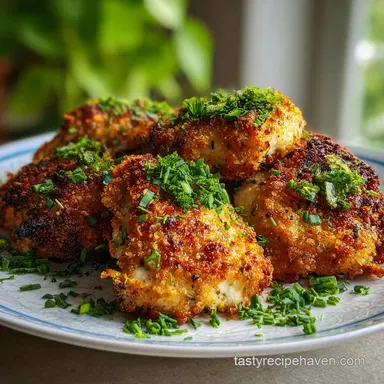
Oven Baked Chicken Thighs: Crispy Skin
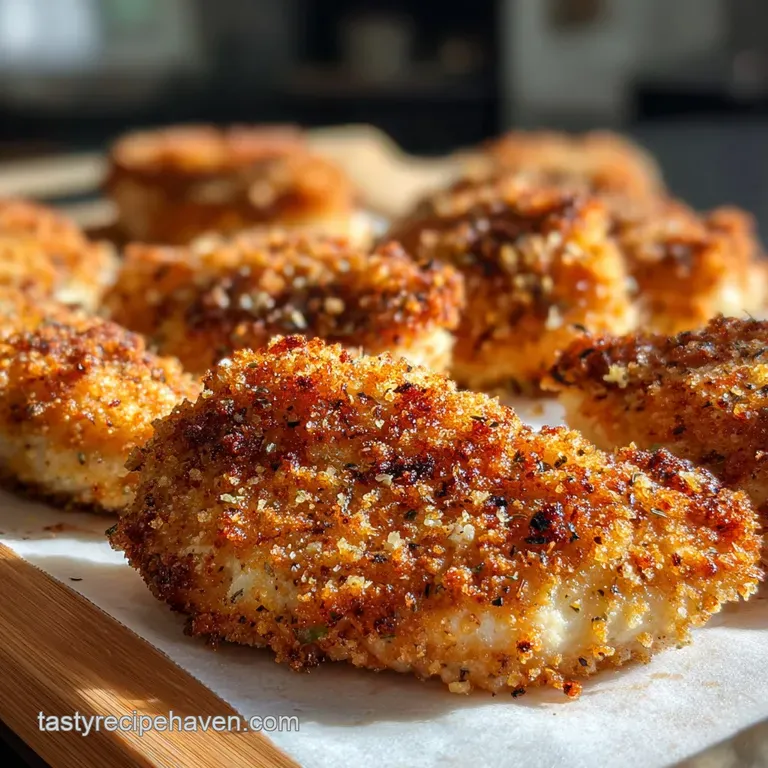
- Time: Active 10 minutes, Passive 35 minutes, Total 45 minutes
- Flavor/Texture Hook: Smoky, salty skin with buttery soft meat
- Perfect for: Stress free weeknight dinners or budget-friendly meal prep
- Master Perfect Oven Baked Chicken Thighs
- Secrets for Crispy Golden Skin
- Why These Pantry Staples Matter
- Affordable Ingredients and Simple Swaps
- Essential Tools for Even Cooking
- Simple Steps for Best Results
- Fixing Soggy or Dry Meat
- Feeding a Crowd on Budget
- Tasty Flavor Twists to Try
- Leftover Storage and Reheating Tips
- Easy Serving and Plating Ideas
- High in Sodium
- Oven Baked Chicken Thighs FAQs
- 📝 Recipe Card
Master Perfect Oven Baked Chicken Thighs
Listen, we've all been there. You're craving that specific, shatter crisp crunch of fried chicken, but the thought of cleaning oil splatters off your stovetop feels like a chore. For a long time, I struggled with poultry that came out either rubbery or swimming in a pool of its own juices.
It was frustrating, but after a few burnt batches and a lot of testing, I finally cracked the code.
The secret isn't some expensive gadget or a secret flour blend. It's actually about moisture management and choosing the right cut of meat. I'm a huge advocate for using bone in, skin on pieces because they are incredibly forgiving.
Unlike breasts that turn into sawdust if you look at them wrong, these thighs stay juicy even if you leave them in the oven five minutes too long.
We're going to use a simple dry rub and a over high heat environment to transform a budget friendly staple into something that feels like a weekend treat. Trust me on this, once you hear that first crackle as you bite into the skin, you won't go back to any other method.
Secrets for Crispy Golden Skin
The real magic happens when you understand two basic principles: Maillard reaction and fat rendering. The high temperature of the oven triggers a chemical reaction between amino acids and reducing sugars, which creates that deep brown color and savory flavor we crave.
Simultaneously, the sustained heat allows the layer of fat underneath the skin to melt away, essentially frying the skin from the inside out so it stays crisp rather than flabby.
Quick Timing and Temperature Guide
| Thickness | Internal Temp | Rest Time | Visual Cue |
|---|---|---|---|
| Small (4-5 oz) | 175°F | 5 minutes | Skin is mahogany and firm |
| Medium (6-7 oz) | 175°F | 5 minutes | Juices run clear when poked |
| Large (8+ oz) | 175°F | 8 minutes | Bone pulls away slightly |
Getting the timing right depends heavily on the size of your poultry pieces. I always recommend using an instant read thermometer because, honestly, guessing is how we end up with dry meat.
Unlike a steak where you want a lower temp, dark meat thrives at 175°F because the connective tissue needs that extra heat to break down into silky collagen.
Why These Pantry Staples Matter
| Ingredient | Science Role | Pro Secret |
|---|---|---|
| Smoked Paprika | Color/Flavor | Provides a deep red hue that mimics a long smoking process. |
| Sea Salt | Protein Denaturation | Draws out surface moisture so the skin can dehydrate and crisp up. |
| Avocado Oil | Heat Transfer | Has a high smoke point, ensuring the chicken roasts without burning. |
Using the right fat is just as important as the seasoning. I used to use butter, but it has too many milk solids that burn at high heat. Avocado oil or ghee allows us to crank the oven up to 400°F safely. If you’re looking for more comfort food inspiration after this, my CattleRanch Casserole recipe uses similar savory notes in a family style bake.
Affordable Ingredients and Simple Swaps
To get started, you'll need 2 lbs bone in, skin on chicken thighs, which is usually about 4 to 6 pieces. We’re pairing that with 2 tbsp avocado oil or ghee to act as our heat conductor.
For the dry rub, grab 1 tbsp smoked paprika, 1.5 tsp sea salt, 1 tsp garlic powder, 1 tsp onion powder, 1 tsp dried oregano, 1 tsp cracked black pepper, and 0.5 tsp cayenne pepper if you like a little kick.
| Original Ingredient | Substitute | Why It Works |
|---|---|---|
| Avocado Oil (2 tbsp) | Ghee (2 tbsp) | Both have high smoke points. Note: Ghee adds a rich, buttery aroma. |
| Smoked Paprika (1 tbsp) | Sweet Paprika + Cumin | Gives color and earthiness but loses the smoky depth. |
| Sea Salt (1.5 tsp) | Kosher Salt (2 tsp) | Similar sodium levels but larger grains; easier to sprinkle evenly. |
I always keep these spices in my pantry because they’re versatile. If you find yourself with extra chicken, you can easily repurpose it. For instance, shredded leftovers work beautifully in a Buffalo Chicken Dip recipe for your next game night. Just make sure you don't skip the salt - it's the most important player for texture.
Essential Tools for Even Cooking
You don't need a professional kitchen, but a rimmed baking sheet is non negotiable. I prefer a half sheet pan because it gives the pieces enough breathing room. If you crowd them, they'll steam instead of roast, and you'll end up with soggy skin.
A wire rack set inside the baking sheet is another trick I learned the hard way. It allows hot air to circulate under the meat, which means no more "soggy bottoms." If you don't have a rack, you can use a cast iron skillet, which holds heat beautifully and helps sear the underside of the meat.
Simple Steps for Best Results
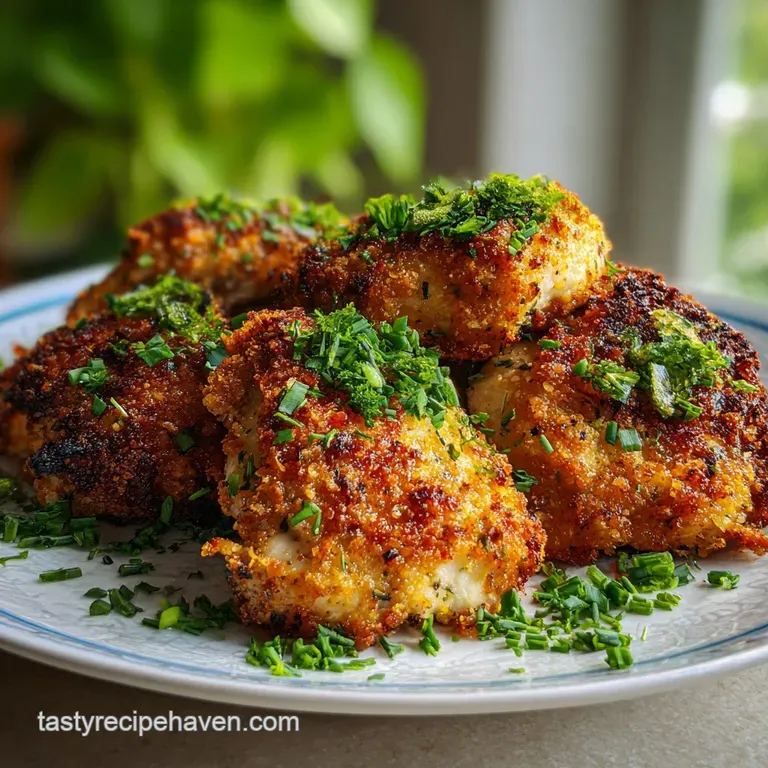
- Preheat your oven to 400°F. Note: A hot oven is vital for immediate fat rendering.
- Pat the 2 lbs bone in, skin on chicken thighs dry with paper towels. Until the skin feels like parchment paper.
- Mix the smoked paprika, garlic powder, onion powder, oregano, cayenne, sea salt, and black pepper in a small bowl.
- Rub the 2 tbsp avocado oil all over the meat. Note: This helps the spices stick and conducts heat.
- Coat each piece generously with the spice blend. Ensure the underside is seasoned too.
- Place the meat on a wire rack over a baking sheet. Space them at least 2 inches apart.
- Roast for 35 minutes. Until the skin is bubbling and deep golden brown.
- Check for an internal temperature of 175°F.
- Remove from the oven and let them rest on the pan. Resting for 5 minutes keeps the meat succulent.
The resting period is the hardest part because the kitchen will smell incredible, but don't skip it. If you cut in too soon, the juices will run all over your plate instead of staying in the meat. It's the same principle I use for my Baked Pork Riblets Recipe, where patience always yields a better texture.
Fixing Soggy or Dry Meat
Why Your Skin Stays Rubbery
If your skin isn't crisping, it's usually a moisture problem. If the meat wasn't patted dry or if you used a marinade instead of a dry rub, the oven has to evaporate all that water before it can start crisping the skin. By the time the skin is ready, the meat is overcooked.
| Problem | Root Cause | Solution |
|---|---|---|
| Soggy skin | Excess surface moisture | Pat dry with paper towels until bone dry before oiling. |
| Dry meat | Overcooking (Internal > 185°F) | Use a meat thermometer and pull at 170-175°F. |
| Burnt spices | Oven rack too high | Position tray in the middle of the oven to avoid scorched paprika. |
Common Mistakes Checklist
- ✓ Forgetting to pat the skin dry (this is the #1 cause of failure)
- ✓ Overcrowding the pan which creates a steam room effect
- ✓ Using low smoke point oils like extra virgin olive oil
- ✓ Skipping the resting period and losing all the juices
- ✓ Relying on visual cues alone instead of a thermometer
Feeding a Crowd on Budget
When I'm cooking for a big family gathering, I usually double this recipe. Since thighs are often the most affordable cut at the butcher, it's a great way to serve a lot of people without breaking the bank.
Just remember that if you put two trays in the oven at once, you might need to rotate them halfway through to ensure even browning.
If you’re scaling down for just one or two people, don't worry about the spices being too much. You can mix the full batch of dry rub and keep the leftovers in a sealed jar for next time. When cooking only two thighs, a small toaster oven actually works surprisingly well and saves on energy costs.
Tasty Flavor Twists to Try
While the smoky paprika blend is my go to, you can easily pivot based on what's in your cupboard. For a Mediterranean vibe, swap the paprika for dried lemon peel and extra oregano. If you want something closer to a Sunday roast, use dried rosemary and thyme with a little bit of melted ghee.
- Lemon Pepper: Use lemon zest, heavy black pepper, and omit the paprika.
- Spicy Herb: Add red pepper flakes and use dried basil instead of oregano.
- Garlic Butter style: Brush with garlic infused ghee in the last 5 minutes of roasting.
Leftover Storage and Reheating Tips
Store any leftovers in an airtight container in the fridge for up to 4 days. The skin will naturally lose its crunch as it sits, but the meat stays incredibly moist. For the best experience, I recommend using the bones to make a quick stock.
I never throw them away; I just toss them into a freezer bag until I have enough to simmer.
When it's time to reheat, skip the microwave unless you want rubbery skin. Instead, pop them back into a 350°F oven or an air fryer for about 10 minutes. This brings back a lot of that initial crispness without drying out the center.
You can also shred the cold meat directly into salads or wraps for an easy lunch.
Easy Serving and Plating Ideas
For a casual dinner, I love serving these right on a large wooden board with some roasted vegetables tucked around them. The juices from the chicken will mingle with the veggies, making everything taste better.
A sprig of fresh parsley or a wedge of lemon on the side adds a pop of color and a hit of acidity that cuts through the rich fat.
If you're hosting, try pairing these with a bright, vinegar based coleslaw or a simple cucumber salad. The contrast between the hot, salty chicken and the cold, tangy greens is a classic for a reason. It keeps the meal feeling balanced rather than heavy, which is exactly what you want for a successful weeknight win.
High in Sodium
915 mg mg of sodium per serving (40% of daily value)
American Heart Association recommends limiting sodium intake to about 2,300mg per day.
Tips to Reduce Sodium in This Chicken Recipe
-
Reduce Added Salt-25%
The recipe uses 1.5 tsp of sea salt. Try reducing this amount by half, or even eliminating it entirely and adding a pinch at the end if needed. This will significantly reduce the sodium content of the dish.
-
Fresh Herbs
Enhance the flavor with fresh herbs like thyme, rosemary, or parsley. This can help compensate for the reduction in salt. Add these towards the end of the cooking process for maximum flavor.
-
Spice it Up
Experiment with adding other spices such as cumin, coriander or a pinch of chili flakes to enhance the flavor profile without relying on salt. This will create a more complex and satisfying taste.
Oven Baked Chicken Thighs FAQs
Is it better to bake bone-in chicken thighs at 350 or 400 degrees?
400 degrees Fahrenheit is generally better for crispier skin. The higher temperature promotes faster fat rendering and Maillard browning, leading to that desirable shatter crisp texture. While 350°F will cook them through, it won't achieve the same level of crispness.
How long does a chicken thigh take at 400 degrees?
Approximately 35 to 45 minutes at 400°F. This timeframe can vary based on the size of the thighs; check for an internal temperature of 175°F using a meat thermometer for perfect doneness and juiciness.
How long do you cook chicken thighs in the oven for?
Cook for 35-45 minutes at 400°F. For best results, aim for an internal temperature of 175°F. This ensures the connective tissues break down for tender, succulent meat, and the skin becomes beautifully crisp.
Should I cover my chicken thighs when I bake them in the oven?
No, do not cover them if you want crispy skin. Covering traps steam, which will prevent the skin from browning and crisping up. Uncovered baking allows hot air to circulate and render the fat.
What's the best internal temperature for baked chicken thighs?
Aim for 175°F (79°C) for dark meat. While 165°F is safe for poultry, dark meat like thighs benefits from a higher temperature to break down connective tissues, resulting in a more tender and less stringy texture.
Can I marinate chicken thighs before baking?
Yes, but pat them very dry before baking for crispiness. Marinades add flavor, but the liquid can hinder skin crisping. If you're looking for intense flavor, consider a dry rub and then serving with a flavorful sauce, similar to the bold profile in our Chicken Birria Tacos Recipe: Crispy & Flavorful.
Why is my baked chicken thigh skin not crispy?
Likely a moisture issue or insufficient heat. Ensure you've thoroughly patted the thighs dry before seasoning and baking at a high enough temperature (400°F is recommended). Overcrowding the pan can also lead to steaming rather than crisping.
Oven Baked Chicken Thighs