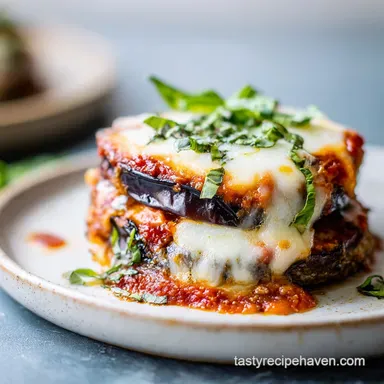
Eggplant Parmesan: Crispy Panko Layers
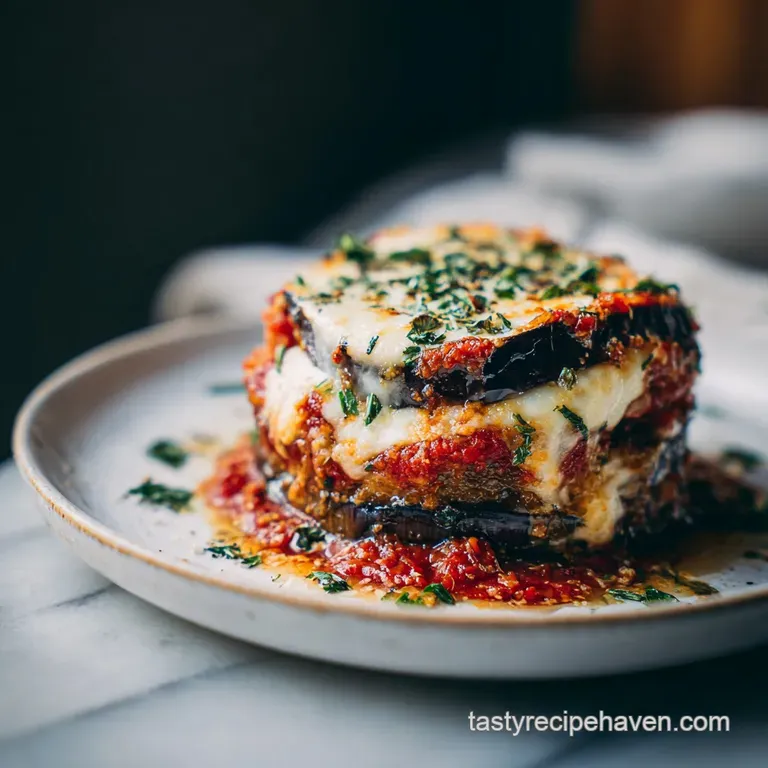
- Time: Active 40 minutes, Passive 35 minutes, Total 1 hour 15 minutes
- Flavor/Texture Hook: Shattering crispy exterior with a buttery, rich interior
- Perfect for: Sunday family dinners or impressive vegetarian meal prep
- Crafting The Ultimate Crispy Eggplant Parmesan
- The Science of Shattering Crunch
- Component Analysis for Better Flavor
- Essential Ingredients and Smart Substitutes
- Simple Tools for Better Cooking
- Step by Step Layering Guide
- Resolving Texture and Flavor Problems
- Creative Casserole Flavor Variations
- Decision Shortcut
- Debunking Common Kitchen Myths
- Storage and Zero Waste Tips
- Best Ways to Serve Tonight
- High in Sodium
- Eggplant Parmesan FAQs
- 📝 Recipe Card
Crafting The Ultimate Crispy Eggplant Parmesan
The first time I tried making this, it was a literal puddle. I hadn't salted the eggplant, I used standard breadcrumbs instead of panko, and the whole thing turned into a sad, gray mush that slid right off the fork.
It was the kind of kitchen failure that makes you want to just order pizza and forget the vegetable drawer even exists.
But then I learned the secret of the "sweat," and everything changed. Now, when I pull this dish out of the oven, the sizzle of the bubbling mozzarella and the aroma of toasted garlic fill the house.
It's a dish of beautiful contradictions: the bright, acidic tang of the marinara cuts right through the rich, buttery fat of the cheese, while the crispy breading provides a necessary crunch against the tender vegetable.
We're going to skip the deep frying mess today and focus on a method that delivers maximum flavor with minimum cleanup. This version stays structural and satisfying, avoiding that heavy, oily feeling that often plagues restaurant versions.
Trust me, once you hear that first "crunch" when your knife hits the crust, you'll never go back to the old way.
The Science of Shattering Crunch
Osmotic Extraction: Salt draws internal moisture out of the eggplant cells, collapsing the spongy structure so it absorbs less oil. This ensures the slices become creamy and concentrated rather than watery and bland.
Optimizing Texture through Osmosis
When you sprinkle that 1.5 tsp of Kosher salt over your slices, you're starting a chemical reaction. Eggplants are essentially giant sponges filled with air and water. If you don't draw that water out, it turns to steam in the oven, which is exactly what makes the breading soggy.
By letting them sit for 30 minutes, you're clearing the way for the heat to brown the exterior instead of boiling the interior.
Engineering the Shattering Crust
Panko is the secret weapon here because the flakes are larger and airier than standard crumbs. When they hit the heat, they create a jagged surface area that stays crisp even when it's sitting under a layer of sauce.
Using 1.5 cups of panko mixed with 1/2 cup of Parmesan creates a "shield" that protects the eggplant while adding a massive hit of umami.
Achieving over High heat Maillard Reaction
| Method | Time | Texture | Best For |
|---|---|---|---|
| Standard Oven | 35 minutes | Evenly golden | Classic family dinners |
| Air Fryer | 22 minutes | Maximum crunch | Quick weeknight meals |
| Convection | 30 minutes | Very dark crust | Professional results |
Right then, choosing your method matters. If you're in a rush, the air fryer is brilliant for getting that "fried" feel without the vat of oil, but for a true Eggplant Parmesan casserole experience, the oven is the way to go to get those edges bubbly and caramelized.
Component Analysis for Better Flavor
| Component | Science Role | Pro Secret |
|---|---|---|
| Kosher Salt | Denatures proteins | Use coarse salt for better coverage and slower absorption |
| Large Eggs | Protein binder | Beat until no streaks remain to ensure thin, even coating |
| Panko Crumbs | Structural integrity | Toast them slightly in a dry pan for extra deep color |
| Fresh Mozzarella | Moisture content | Freeze for 10 mins before slicing to prevent tearing |
Between these layers of science, it's easy to see why skipping a step leads to disaster. For instance, the 1/2 cup of all purpose flour isn't just a filler; it acts as a primer, giving the egg something to grab onto so the breading doesn't just slide off in one sad sheet.
Essential Ingredients and Smart Substitutes
- 2 large firm eggplants: Use 1.5 lbs of heavy, shiny fruit. Why this? Firmness indicates freshness and fewer bitter seeds inside.
- 1.5 cups Panko breadcrumbs: Essential for the crunch. Why this? Larger surface area creates more crispiness than fine crumbs.
- 1/2 cup Freshly grated Parmesan: Adds salt and depth. Why this? Real Parmigiano Reggiano melts into the crust for a savory bite.
- 3 cups Marinara sauce: Use a high-quality brand or homemade. Why this? The sauce provides the primary acid to balance the fats.
- 8 oz Fresh mozzarella: Sliced into rounds or shredded. Why this? Provides the iconic cheese pull and milky flavor profile.
- 1/2 cup All purpose flour: The essential first coating. Why this? Absorbs surface moisture so the egg wash adheres perfectly.
| Original Ingredient | Substitute | Why It Works |
|---|---|---|
| Panko (1.5 cups) | Crushed Pork Rinds | Keeps it keto. Note: Very salty, so reduce the added salt. |
| Fresh Mozzarella (8 oz) | Low moisture Mozzarella | Better meltability and less water release during baking. |
| Marinara (3 cups) | Spicy Arrabbiata | Adds a heat kick that cuts through the rich cheese. |
If you are looking to prep this ahead of time, it's quite similar to the strategy used in my Meal Prep Recipe where we focus on textures that hold up well over several days. Just keep the sauce separate until you are ready to assemble and bake!
Simple Tools for Better Cooking
You don't need a professional kitchen, but a few basics make this much easier. A large rimmed baking sheet is non negotiable for the initial roasting of the slices. If you use a flat sheet without edges, you'll end up with oil spray all over the bottom of your oven, and nobody wants to spend their Sunday scrubbing burnt grease.
A wire rack set inside that baking sheet is a massive "win" if you have one. It allows hot air to circulate under the eggplant slices, ensuring the bottom is just as crispy as the top. Also, keep three shallow bowls ready for your breading station.
I like to use pie tins because they have wide bottoms that make flipping the rounds effortless.
Step by step Layering Guide
For the Eggplant Base
Slice your 1.5 lbs of eggplant into 1/2 inch rounds. Lay them on paper towels and sprinkle with 1.5 tsp Kosher salt. Let them sit for 30 minutes until beads of water appear on the surface. Pat them bone dry with fresh towels before proceeding.
For the Shatter Breading
Set up three bowls: one with 1/2 cup flour, one with 2 beaten eggs, and one with a mix of 1.5 cups panko, 1/2 cup Parmesan, 1 tsp oregano, and 1/2 tsp garlic powder.
Drawing Out the Moisture
Dip each eggplant round into the flour, shaking off the excess. Note: Excess flour makes the coating gummy.
Constructing the Triple Coat
Submerge the floured round into the egg wash, then press firmly into the panko mixture until completely encrusted in crumbs.
Executing the Initial Bake
Arrange slices on a greased baking sheet. Mist the tops with 2 tbsp extra virgin olive oil spray. Bake at 400°F for 20 minutes until the coating is golden and firm.
Engineering the Final Layers
In a 9x13 baking dish, spread 1 cup of marinara. Layer half of the baked eggplant slices over the sauce.
Engineering the Final Layers
Top with another cup of sauce and 4 oz of mozzarella. Repeat the layers with the remaining eggplant, sauce, and cheese.
Achieving the Golden Bubble
Bake for another 15 minutes at 400°F until the cheese is molten and browning in spots. Scatter 1/4 cup torn basil over the top before serving.
The process of breading and pre baking is very similar to the technique I use in my Creamy Chicken Garlic recipe, where building a crust first ensures the protein (or vegetable) doesn't get lost in the sauce. It's a few extra minutes of work that pays off in massive texture dividends.
Resolving Texture and Flavor Problems
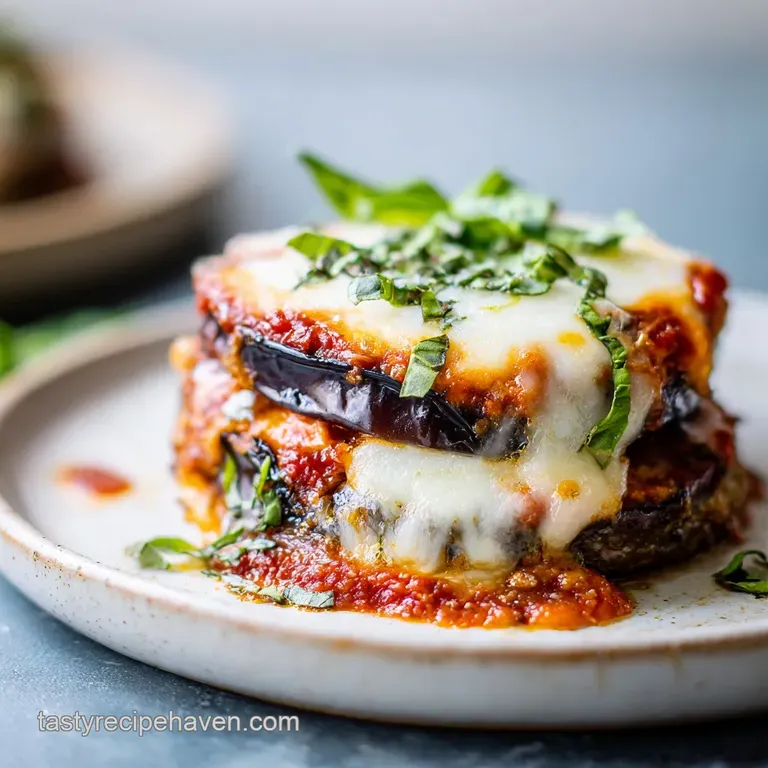
Preventing a Soggy Bottom
The number one complaint with this dish is a watery mess at the bottom of the pan. Usually, this happens because the eggplant wasn't salted long enough or the marinara was too thin. If your sauce looks watery, simmer it on the stove for 10 minutes to reduce it before layering.
Fixing Uneven Breading
If you find the breading is falling off in patches, it's likely because the eggplant was still damp when it hit the flour. The flour must bond to a dry surface. If it's already in the pan and looking patchy, just sprinkle a little extra panko and Parmesan over the bald spots before the final bake.
| Problem | Root Cause | Solution |
|---|---|---|
| Rubbery Skin | Eggplant was too old | Peel the eggplant in "stripes" before slicing next time. |
| Bland Middle | Lack of internal salt | Ensure the 30 minute salt rest is not skipped. |
| Burnt Breading | Oven rack too high | Move the tray to the center or lower third of the oven. |
Common Mistakes Checklist
- ✓ Never skip the 30 minute salt rest; it's the difference between crispy and mushy.
- ✓ Pat the slices completely dry after salting so the flour actually sticks.
- ✓ Use fresh grated Parmesan rather than the canned stuff for better melting.
- ✓ Don't overcrowd the baking sheet during the initial roast; give them space to breathe.
- ✓ Let the casserole rest for 5-10 minutes after baking so the layers set properly.
Creative Casserole Flavor Variations
If you want to turn this into a "white" version, swap the marinara for a rich Alfredo and add some sautéed spinach between the layers. It becomes incredibly decadent and creamy.
For a spicy kick, I love adding sliced Calabrian chilies to the sauce layers it provides a bright heat that works beautifully with the earthy eggplant.
Air Fryer Eggplant Parmesan
To make the whole thing in the air fryer, follow the breading steps exactly. Air fry the slices at 375°F for 10-12 minutes, flipping halfway. Then, top each individual slice with a spoonful of sauce and a slice of mozzarella and air fry for 2 more minutes.
It’s a great way to make a single serving without heating up the whole house.
The Low Carb Swap
For my keto friends, replace the 1/2 cup of flour with almond flour and the 1.5 cups of panko with crushed pork rinds or more Parmesan. The texture is slightly denser, but it still gets that satisfying crunch you crave.
Decision Shortcut
- If you want a lighter meal, serve the crispy slices individually with a side salad instead of layering them into a heavy casserole.
- If you are short on time, use high-quality store-bought breaded eggplant cutlets, but make sure to crisp them up in the oven first.
- If you want maximum flavor, mix a teaspoon of lemon zest into your panko it brightens the whole dish instantly.
Debunking Common Kitchen Myths
One common myth is that you must peel the eggplant because the skin is bitter. In reality, the skin holds the slice together! As long as you use "firm" eggplants, the skin softens beautifully and provides a great structural contrast. Only peel it if the eggplant is very large and the skin feels like leather.
Another misconception is that you need to deep fry for "authentic" flavor. Deep frying actually makes the eggplant act like a sponge for grease. Oven roasting at a high temperature (400°F) with a light mist of EVOO spray gives you the same Maillard reaction (browning) with half the calories and none of the heavy, oil soaked aftertaste.
Storage and Zero Waste Tips
This recipe makes 6 servings, and honestly, it’s even better the next day. Store leftovers in an airtight container in the fridge for up to 4 days. When reheating, avoid the microwave if you can it will make the breading soft.
Instead, pop a slice into the toaster oven or air fryer at 350°F for 5-8 minutes to bring back that crunch.
To avoid waste, take any leftover eggplant scraps that were too small to slice and dice them up. Sauté them with a little garlic and toss them into your next pasta sauce. If you have leftover breading mix, don't throw it out!
It’s fantastic as a topping for roasted cauliflower or even sprinkled over a mac and cheese before baking.
Best Ways to Serve Tonight
Eggplant Parmesan is a star on its own, but it loves a good supporting cast. A simple arugula salad with a sharp lemon vinaigrette is the perfect foil for the rich cheese and sauce. The bitterness of the greens cleanses the palate between bites of the savory casserole.
If you’re feeling extra hungry, serve it alongside a piece of crusty garlic bread to soak up every last drop of that marinara. Just make sure to wait those few minutes after it comes out of the oven.
I know it smells incredible, but letting the cheese "set" for 5 minutes ensures you get beautiful, clean layers rather than a delicious heap of chaos on your plate. Enjoy!
High in Sodium
985 mg of sodium per serving (43% of daily value)
The American Heart Association recommends limiting sodium intake to about 2,300mg per day for overall health.
Tips to Reduce Sodium in Your Eggplant Parmesan
-
Lower Sodium Cheese-15%
Parmesan cheese is a significant source of sodium. Try using a lower sodium mozzarella or ricotta cheese, or reduce the amount of Parmesan by half. This can significantly cut down on the overall sodium content. Consider using fresh mozzarella for its milder flavor and lower sodium.
-
Low-Sodium Marinara-20%
Marinara sauce can be high in sodium. Look for a low-sodium or no-salt added marinara sauce. Alternatively, make your own marinara sauce from scratch using fresh tomatoes, herbs, and spices to control the sodium levels.
-
Reduce Added Salt-25%
The recipe includes 1.5 tsp of Kosher salt. Start by reducing this amount by half or completely eliminating it. Taste and adjust as needed. You can also use a salt substitute.
-
Herb Power!
Enhance the flavor with fresh herbs like basil, oregano, and parsley instead of relying on salt. Experiment with different combinations to create a delicious and flavorful dish.
-
Garlic Boost
While garlic powder adds flavor, consider using fresh garlic for a more robust taste with no added sodium. Sauté minced garlic in olive oil before adding the marinara sauce for an extra layer of flavor.
-
Drain Eggplant-10%
Salting the eggplant is used to draw out moisture, but you can achieve a similar result by pressing the eggplant slices between paper towels after slicing, then rinsing and patting them dry. This reduces the need for salting.
Eggplant Parmesan FAQs
Do you take the skin off eggplant for eggplant parmesan?
No, usually leave it on. The skin helps the eggplant slices maintain structure during salting and baking; it softens nicely when cooked properly.
What's the difference between eggplant parmesan and eggplant parmigiana?
They are the same dish. "Parmigiana" is the traditional Italian name for this preparation, while "Parmesan" is the common English adaptation.
What are common mistakes when making eggplant parm?
Skipping the pre-salting step is the most common error. Failing to draw out moisture leads to a watery, soggy final product that tastes bland.
What do you eat with eggplant parmesan?
A simple green salad is ideal. A sharp, acidic vinaigrette cuts through the richness of the cheese and sauce perfectly.
How do you ensure the breading stays crispy and doesn't get soggy?
Bake the breaded slices separately first. Pre-baking at 400°F until golden creates a protective shell before adding the wet sauce and cheese layers.
Is it true that deep frying is necessary for authentic eggplant parm?
No, this is a common misconception. Oven roasting the slices after breading achieves excellent browning (Maillard reaction) without absorbing excessive oil.
How long should the eggplant sit after salting to draw out moisture?
Allow them to rest for 30 minutes minimum. You should see visible beads of moisture forming on the surface of the slices before patting them dry.
Crispy Eggplant Parmesan Bake