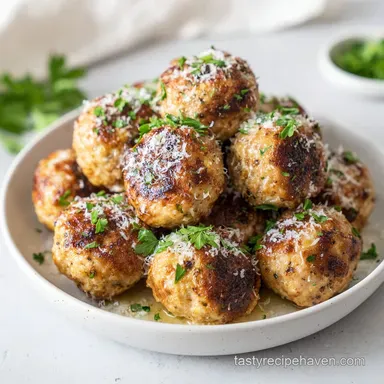
Italian Meatballs: Failure-Proof
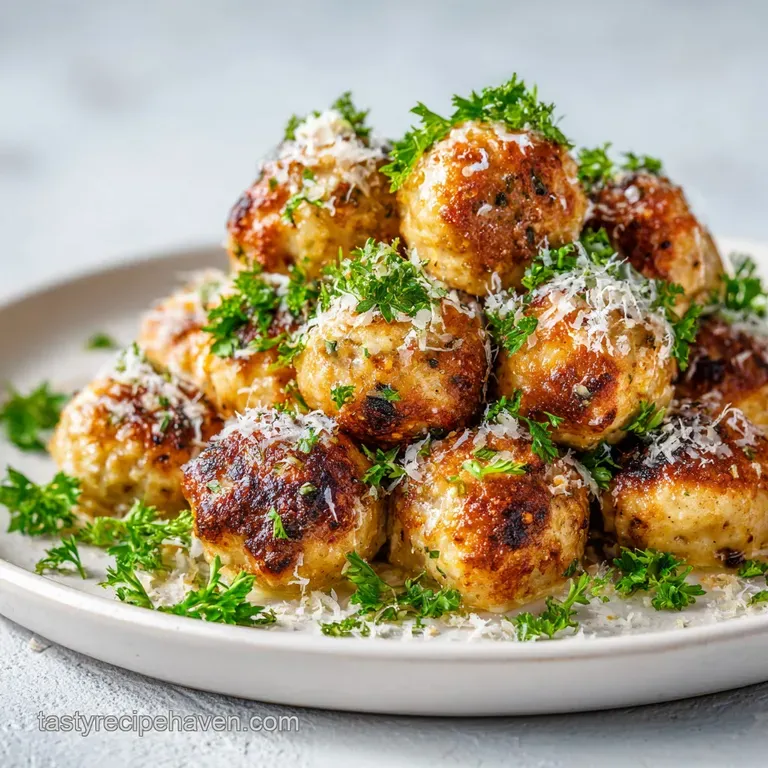
- Time: 20 min active + 20 min cook = Total 40 minutes
- Flavor/Texture Hook: Sizzling brown crust with a velvety interior
- Perfect for: Weeknight comfort food or meal prep
Sizzle. That's the sound of a cold meatball hitting a hot skillet, and it's the best sound in the kitchen. For me, it brings back memories of Sunday afternoons spent in a cloud of garlic scented steam, watching my grandmother roll dozens of these little spheres.
She always warned me about "killing the meat" by overworking it, a lesson I learned the hard way one Tuesday night when I kneaded my mixture like I was making sourdough.
The result was a batch of Italian Meatballs that had the consistency of rubber bouncy balls. They weren't tender, they weren't juicy, and honestly, they were barely edible. Since then, I've obsessed over the balance of fats and binders. I realized that the secret isn't just the ingredients, but how you treat them.
You want a contrast between that shattered, caramelized outer crust and a center that almost melts in your mouth.
When you make these, you're not just making a protein; you're creating a comfort food classic. We're aiming for a rich, savory profile where the sharpness of Parmesan cuts through the heaviness of the pork. It's a simple process, but the difference between a mediocre ball and a legendary one is all in the technique.
Let's get into how to get it right every single time.
The Secrets to Italian Meatballs
The real magic here is the contrast. We want a bold, salty exterior and a light, airy interior. Most people just throw everything in a bowl and mash it together, but that's where they go wrong. By separating the binders from the meat initially, we ensure the proteins don't tighten up and squeeze out all the juices.
If you're looking for a different way to cook these, you might try Air Fryer Meatballs for a faster crunch, but the pan to oven method is the gold standard for flavor. The goal is to build layers of taste, starting with the raw aromatics and ending with a slow simmer in a rich red sauce.
The Panade Effect: Mixing milk and breadcrumbs first creates a slurry that protects the meat proteins from bonding too tightly. This keeps the texture velvety instead of dense.
Fat Synergy: Combining 80/20 beef with pork provides a wider spectrum of flavor and a higher fat content. This ensures the meatballs don't dry out during the over high heat searing phase.
Gentle Integration: Folding the meat into the binder rather than kneading prevents the meat from becoming tough. It keeps the air pockets intact, which contributes to a lighter bite.
Temperature Control: Searing first and finishing in the oven allows for a brown crust without overcooking the center. This two stage process ensures the middle reaches 160°F (71°C) without the outside burning.
| Method | Time | Texture | Best For |
|---|---|---|---|
| Stovetop Only | 20 mins | Softer, more sauce soaked | Quick weeknight meals |
| Sear & Oven | 28 mins | Shatter crisp crust | Impressive dinner parties |
| Simmer Only | 30 mins | Velvety and uniform | Large batch meal prep |
Component Analysis
Understanding what each ingredient does helps you tweak the recipe without ruining the batch. For instance, if you've ever wondered about a Meatball Recipe Without Breadcrumbs, you'll see how the structure changes when the panade is missing.
| Ingredient | Science Role | Pro Secret |
|---|---|---|
| 80/20 Beef | Primary Structure | The 20% fat is non negotiable for juiciness |
| Ground Pork | Flavor & Tenderness | Adds a sweetness that balances the beef |
| Panko Breadcrumbs | Moisture Reservoir | Lighter than traditional crumbs, prevents heaviness |
| Beaten Egg | Protein Binder | Emulsifies the fat and holds everything together |
The Flavor Components
I've found that using specific brands of Parmesan makes a huge difference, but the overall ratio is what matters most. Don't bother with the pre shredded stuff in the bag; it's coated in potato starch that stops it from melting into the meat. Grate your own for a silky finish.
- 1 lb ground beef (80/20 lean to fat ratio) Why this? Balanced fat for moisture
- 0.5 lb ground pork Why this? Adds richness and softness
- 0.5 cup Panko breadcrumbs Why this? Creates a lighter interior
- 0.25 cup whole milk Why this? Hydrates the crumbs for the panade
- 1 large egg, beaten Why this? Essential for structural integrity
- 0.5 cup grated Parmesan cheese Why this? Adds umami and saltiness
- 3 cloves garlic, minced Why this? Pungent base note
- 0.25 cup fresh parsley, finely chopped Why this? Brightness to cut through fat
- 1 tsp dried oregano Why this? Earthy, traditional Italian aroma
- 1 tsp kosher salt Why this? Enhances all other flavors
- 0.5 tsp black pepper Why this? Subtle heat
- 0.25 tsp red pepper flakes Why this? Very slight back end kick
- 2 tbsp olive oil Why this? High smoke point for searing
Right then, if you're missing something, check this table for swaps that won't wreck your dinner.
| Original Ingredient | Substitute | Why It Works |
|---|---|---|
| Ground Pork | Ground Veal | Similar texture. Note: Slightly milder flavor profile |
| Panko | Fresh Breadcrumbs | More traditional. Note: Results in a denser, heavier ball |
| Whole Milk | Heavy Cream | Higher fat. Note: Makes the interior even more velvety |
| Parmesan | Pecorino Romano | Sheep's milk cheese. Note: Much saltier; reduce added salt |
The step by step Process
Let's crack on. The most important part of this process is the "gentle touch." If you find yourself squeezing the meat tightly, stop. You want to mix until the ingredients are just combined, nothing more.
- Prepare the panade. In a large bowl, whisk together the milk, beaten egg, and Panko breadcrumbs. Note: Let this sit for 2-3 mins to fully hydrate the crumbs.
- Add the seasonings. Stir in the grated Parmesan, minced garlic, parsley, oregano, salt, pepper, and red pepper flakes. Note: Mixing seasonings into the panade ensures even distribution.
- Integrate the meats. Gently fold in the ground beef and ground pork. Mix by hand until just combined. Stop the moment you don't see streaks of raw meat to avoid overworking.
- Shape the spheres. Scoop approximately 2 tablespoons of mixture and roll into 1.5 inch spheres. Note: Keep your hands slightly damp to prevent sticking.
- Heat the oil. Add 2 tablespoons of olive oil to a skillet over medium high heat. Wait until the oil shimmers before adding the meat.
- Sear the meat. Place meatballs in the skillet in batches. Sear for 2-3 minutes per side until a deep brown crust forms.
- Finish in oven. Transfer seared meatballs to a 400°F (200°C) oven. Bake for 5-8 minutes.
- Alternative finish. Instead of the oven, simmer the seared meatballs in marinara sauce for 15-20 minutes.
- Verify doneness. Use a meat thermometer to ensure the center reaches 160°F (71°C) as recommended by USDA Food Safety guidelines.
Chef's Note: If you're feeling fancy, freeze your butter or oil for 10 minutes before starting if you're using a butter oil blend for searing. It helps the crust form more evenly without the meat releasing too much grease too quickly.
Solving Common Cooking Issues
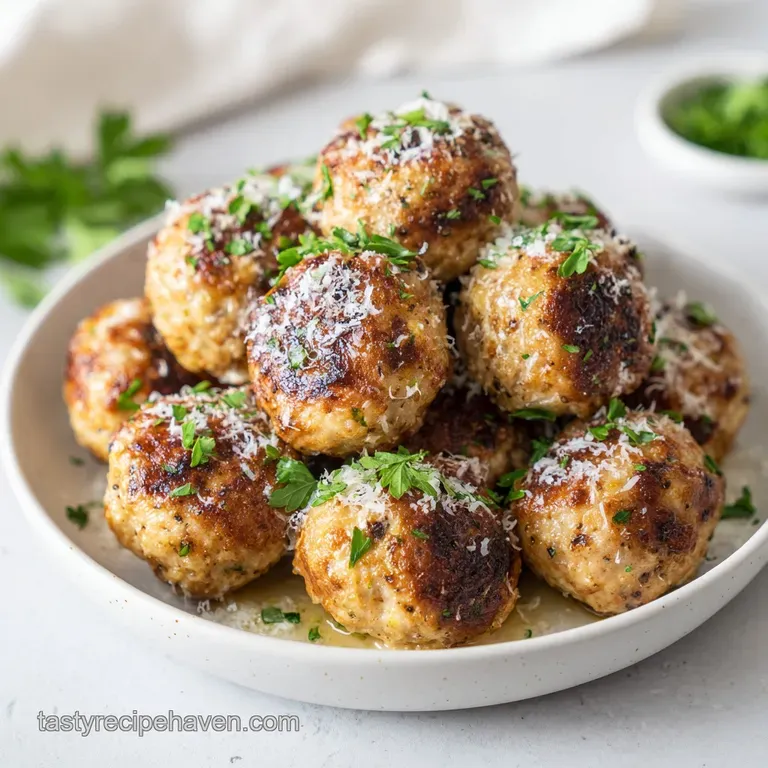
Even the best of us hit a snag. The most common complaint I hear is about meatballs that either fall apart in the sauce or turn into dry little pebbles. Most of these issues come down to the ratio of binder to meat or the heat of the pan.
Troubleshooting Common Issues
| Issue | Solution |
|---|---|
| Why Your Meatballs Crumble | This usually happens if the panade wasn't fully hydrated or if you didn't use enough egg. The egg acts as the glue. If the mixture feels too wet to hold a sphere, add one extra tablespoon of Panko. |
| Why Your Meatballs Feel Dry | Dryness is almost always the result of overcooking or using meat that's too lean. If you use 90/10 beef, you've stripped away the fat that keeps the meat juicy. Stick to the 80/20 ratio for that class |
| Why Your Meatballs Are Greasy | This happens when the pan isn't hot enough. If the oil is lukewarm, the meat will poach in its own fat rather than searing. Ensure the oil is shimmering before the meat hits the pan to lock in the jui |
Adjusting Your Batch Size
When you're cooking for a crowd, you can't just multiply everything by four and hope for the best. Spices, in particular, don't scale linearly. If you do, you might end up with a batch that tastes like a salt lick.
Scaling Down (Half Batch): Use a smaller skillet to keep the oil depth consistent. When it comes to the egg, beat one whole egg in a cup and use only half of it. This prevents the mixture from becoming too liquidy, which would make the meatballs flatten.
Reduce the oven time by about 20% since the pan is less crowded.
Scaling Up (Double to Quadruple): This is where the 1.5x rule comes in. Increase your meat and binders fully, but only increase the salt, pepper, and red pepper flakes by 1.5x. You can always add more salt to the finished sauce, but you can't take it out of the meat.
Work in small batches for the searing process. If you crowd the pan, the temperature drops, the meat releases juice, and you end up boiling your meatballs instead of searing them.
For large batches, I highly recommend using a stand mixer such as a KitchenAid on the lowest possible setting for just 30 seconds to integrate the meat. Just be careful it's very easy to overwork the meat with a machine.
Busting Meatball Myths
There are a lot of "old wives' tales" in the kitchen that actually hinder your results. Let's clear some of those up so you can cook with confidence.
Myth: Searing "seals in" the juices. This is a huge misconception. Searing doesn't create a waterproof barrier; it actually causes moisture loss on the surface. However, we do it anyway because that brown crust provides a depth of flavor that you simply cannot get from simmering alone.
Myth: You must use a mix of three meats. While some traditional recipes call for beef, pork, and veal, the beef pork duo is more than enough for maximum flavor. Veal is often too expensive and doesn't add enough distinct flavor to justify the cost for a home cook.
Myth: Adding more breadcrumbs makes them "healthier." Adding more filler just makes the meatball denser and more bland. If you want a lighter version, focus on the quality of the meat and the amount of fresh herbs rather than adding more flour or crumbs.
Storing and Freezing Tips
These are fantastic for meal prep because they actually hold their flavor well over time. In fact, some people prefer them the next day once the garlic and oregano have had time to meld.
Refrigeration: Store cooked meatballs in an airtight container for up to 4 days. I recommend storing them directly in the marinara sauce; this prevents them from drying out and allows them to absorb even more flavor. When reheating, do it slowly on the stovetop to avoid toughening the protein.
Freezing for Later: You can freeze these either raw or cooked. For raw meatballs, flash freeze them on a baking sheet for 2 hours before transferring them to a freezer bag. This prevents them from clumping into one giant meat brick. For cooked meatballs, freeze them in the sauce.
They'll stay fresh for up to 3 months.
Zero Waste Tips: Don't toss those pan drippings! After searing your meatballs, there's a goldmine of flavor left in the skillet. Deglaze the pan with a splash of red wine or beef broth, scrape up the brown bits, and stir that liquid directly into your tomato sauce.
It adds a professional, rich depth to the final dish.
The Best Side Pairings
Since these Italian Meatballs are so rich and savory, you need sides that provide a bit of acidity or freshness to balance the plate.
The Classic Pairing: You can't beat a pile of al dente spaghetti tossed in a bright marinara. To keep it from feeling too heavy, add a pinch of sugar to your sauce to balance the acidity of the tomatoes. A side of garlic bread with a touch of melted butter and parsley completes the experience.
The Modern Twist: Try serving them as "sliders" on toasted brioche buns with a dollop of pesto and a slice of fresh mozzarella. This turns a dinner staple into a high end appetizer. The sweetness of the brioche contrasts beautifully with the salty Parmesan in the meat.
The Light Balance: If you want something fresher, serve the meatballs over a bed of sautéed spinach or roasted zucchini. The bitterness of the greens cuts through the fat of the pork, making the meal feel less like a "food coma" and more like a balanced dinner.
For a little extra crunch, a simple arugula salad with lemon vinaigrette is the way to go.
Recipe FAQs
How to make proper Italian meatballs?
Whisk milk, egg, and breadcrumbs into a panade first. Gently fold in beef, pork, and seasonings before rolling into 1.5 inch spheres. Sear in olive oil and finish in a 400°F oven for 5-8 minutes.
What's the difference between meatballs and Italian meatballs?
The specific herb and cheese profile. Italian versions typically feature Parmesan, parsley, and oregano to create a distinct Mediterranean flavor.
What is a secret ingredient for meatballs?
The panade of milk and breadcrumbs. This mixture prevents proteins from tightening too much, ensuring the interior remains tender and moist.
What seasoning is in Italian meatballs?
A blend of aromatic herbs and spices. This recipe uses minced garlic, fresh parsley, dried oregano, salt, black pepper, and red pepper flakes.
Why are my meatballs crumbling?
The panade wasn't fully hydrated or you lacked enough egg. These ingredients act as the glue for the meat. If the mixture feels too wet to hold a sphere, add one extra tablespoon of Panko.
How should I serve these meatballs for a full meal?
Simmer them in a rich tomato sauce. They pair perfectly with an authentic Italian tomato sauce served over your favorite pasta.
Why are my meatballs dry?
You likely overcooked them or used meat that was too lean. Stick to an 80/20 beef ratio to ensure there is enough fat to keep the meat juicy.
Italian Meatballs