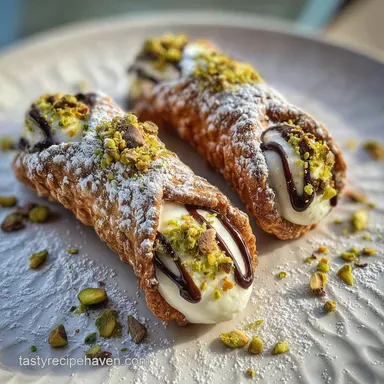
Authentic Sicilian Cannoli Recipe
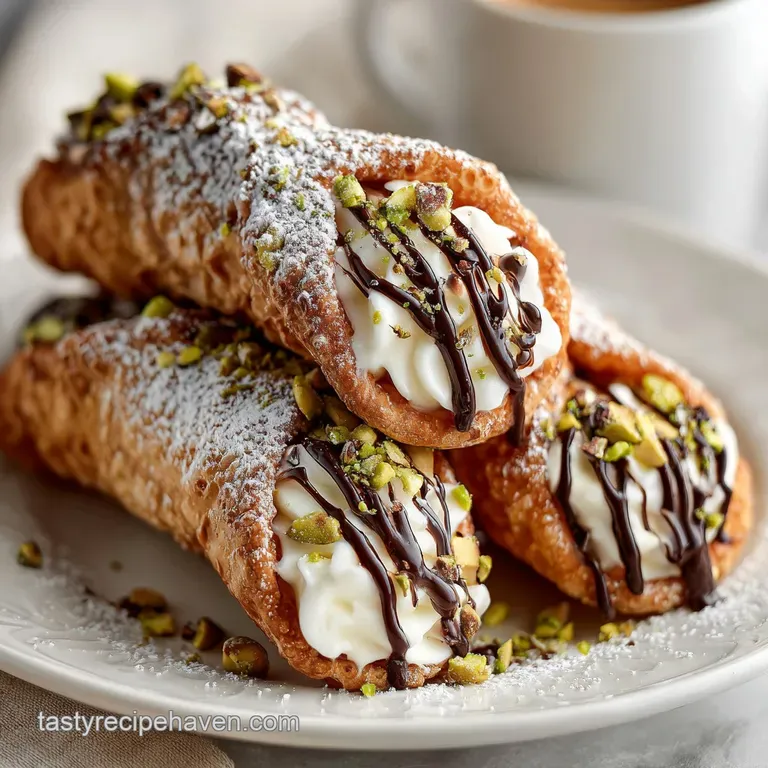
- Time: Active 45 minutes, Passive 20 minutes, Total 1 hours 5 mins
- Flavor/Texture Hook: Shatteringly crisp shells with velvety, sweet ricotta cream
- Perfect for: Sunday family feasts, authentic Italian dinner parties, or holiday dessert spreads
- Achieving the Shatteringly Crisp Crunch of Authentic Sicilian Cannoli
- The Chemistry of the Perfect Blister
- Component Deep Dive
- Selecting Your Ingredients and Smart Substitutes
- Tools for Success
- Bringing It Together
- Avoiding Kitchen Disasters
- Scaling Your Production
- Debunking Pastry Myths
- Keeping It Fresh
- How to Serve and Enjoy
- Sicilian Cannoli FAQs
- 📝 Recipe Card
Achieving the Shatteringly Crisp Crunch of Authentic Sicilian Cannoli
I still remember the first time I heard the distinct "clink" of a metal cannoli tube hitting the counter. I was in a tiny kitchen in Palermo, watching a grandmother who moved with the speed of a professional athlete. She didn't use a thermometer, she just listened to the sizzle of the oil.
When she handed me a shell, still warm and dusted with a ghost of powdered sugar, it didn't just break, it practically exploded into flaky shards. It was a revelation that changed how I thought about dessert forever.
But my first attempt at home? It was a disaster. My shells were thick, doughy, and lacked those iconic bubbles. I realized quickly that this isn't just about mixing flour and sugar. It is about the tension in the dough and the chemical reaction that happens when wine hits hot fat.
This is the version of Sicilian Cannoli that actually works, born from my many messy kitchen experiments and a few burnt fingertips.
We are going for that specific contrast between the golden, bubbly exterior and the cool, silky filling. It looks impressive, but once you understand the rhythm of rolling and frying, it becomes almost meditative. You'll need to trust the process, especially when the dough feels a bit stiff at the start.
That resistance is actually what we want for a strong, thin shell that can handle being stuffed to the brim.
The Chemistry of the Perfect Blister
The Acid Alcohol Reaction: The combination of Marsala wine and white wine vinegar creates carbon dioxide gas immediately upon hitting the hot oil, which is what forces the dough to "bubble" and blister.
Gluten Relaxation: A long rest period for the dough allows the gluten strands to loosen, which ensures you can roll the pastry thin enough to see light through it without it snapping back.
Moisture Management: Draining the ricotta overnight is the only way to prevent a grainy, watery filling that would otherwise turn your crisp shells into a soggy mess within minutes.
| Thickness | Frying Temperature | Cook Time | Visual Cue |
|---|---|---|---|
| 1/16 inch | 350°F - 360°F | 1-2 minutes | Deep golden with large surface bubbles |
| 1/8 inch | 340°F - 350°F | 3 minutes | Browned but may feel slightly chewy |
| Paper thin | 360°F - 370°F | 45-60 seconds | Instant blistering and light golden hue |
The thickness of your dough is the most important factor in the final texture. If you find your shells are coming out a bit heavy, don't be afraid to use a pasta roller. It's the secret weapon for getting that uniform, professional thinness that is nearly impossible to achieve with just a rolling pin.
Component Deep Dive
| Ingredient | Science Role | Pro Secret |
|---|---|---|
| Marsala Wine | Acidic Leavener | Use dry Marsala for a complex, non cloying scent in the dough |
| Cold Lard or Butter | Fat Shortener | Rubbing it in by hand ensures a flaky, layered pastry structure |
| Egg White (for sealing) | Protein Glue | Use it sparingly to prevent the shell from sticking to the metal tube |
| Whole Milk Ricotta | Structural Base | Always drain it in cheesecloth to reach a thick, pipeable consistency |
Selecting Your Ingredients and Smart Substitutes
- All purpose flour: 2 cups (250g). Why this? Provides enough protein for structure without making the shells too tough or bready. (Sub: Type 00 flour for an even silkier dough texture).
- Granulated sugar: 2 tbsp (30g). Why this? Aids in browning and adds a subtle sweetness to the shell. (Sub: Caster sugar for faster integration).
- Unsweetened cocoa powder: 1 tsp (5g). Why this? Used primarily for the traditional deep golden color, not for chocolate flavor. (Sub: A pinch of instant coffee powder).
- Sea salt: 1/2 tsp (3g). Why this? Sharpens the flavors and balances the sweetness of the ricotta cream. (Sub: Table salt, but use slightly less).
- Cold lard or unsalted butter: 2 tbsp (30g). Why this? Lard provides the most authentic, shatteringly crisp texture traditional in Sicily. (Sub: Vegetable shortening for a similar flake).
- Dry Marsala wine: 1/2 cup (120ml). Why this? The alcohol evaporates quickly, creating steam that puffs up the blisters. (Sub: Dry sherry or a mix of grape juice and white vinegar).
- White wine vinegar: 1 tbsp (15ml). Why this? Softens the gluten and reacts with the wine for maximum bubble formation. (Sub: Apple cider vinegar).
- Large egg: 1 (lightly beaten). Why this? Acts as the "glue" to hold the shell together during the vigorous frying process. (Sub: A small amount of water, though egg is more secure).
- Neutral oil: 1 quart. Why this? High smoke point oil like canola or peanut ensures a clean fry without flavor transfer. (Sub: Grapeseed oil).
- Whole milk ricotta: 3 cups (750g). Why this? The fat content is essential for a velvety mouthfeel that isn't watery. (Sub: Sheep’s milk ricotta for the most traditional flavor).
- Powdered sugar: 3/4 cup (90g). Why this? Dissolves instantly into the cheese for a perfectly smooth, grit free finish. (Sub: Granulated sugar pulsed in a blender until fine).
- Ground cinnamon: 1/4 tsp (1g). Why this? Adds a warm, aromatic backnote that is signature to Sicilian pastry. (Sub: A tiny pinch of ground cloves).
- Pure vanilla bean paste: 1 tsp (5ml). Why this? Provides those beautiful black speckles and a much deeper flavor than extract. (Sub: Vanilla extract).
- Mini dark chocolate chips: 1/4 cup. Why this? Adds a bitter crunch to offset the sweet, creamy filling. (Sub: Chopped pistachios or candied orange peel).
Tools for Success
You don't need a professional pastry kitchen, but a few specific items make this much easier. Metal cannoli tubes are non negotiable. I prefer the ones that are about 1 inch in diameter. You'll also want a round cookie cutter (around 3 to 4 inches) to get consistent shell sizes.
A heavy bottomed pot, like a Dutch oven, is best for frying because it holds heat steadily.
If you have a stand mixer, use the paddle attachment to bring the dough together, but don't be afraid to finish it by hand. Feeling the dough transform from shaggy to smooth is part of the joy. Finally, a piping bag with a wide round tip is essential for getting that Cannoli Filling recipe tucked all the way into the center of the shells.
Bringing It Together
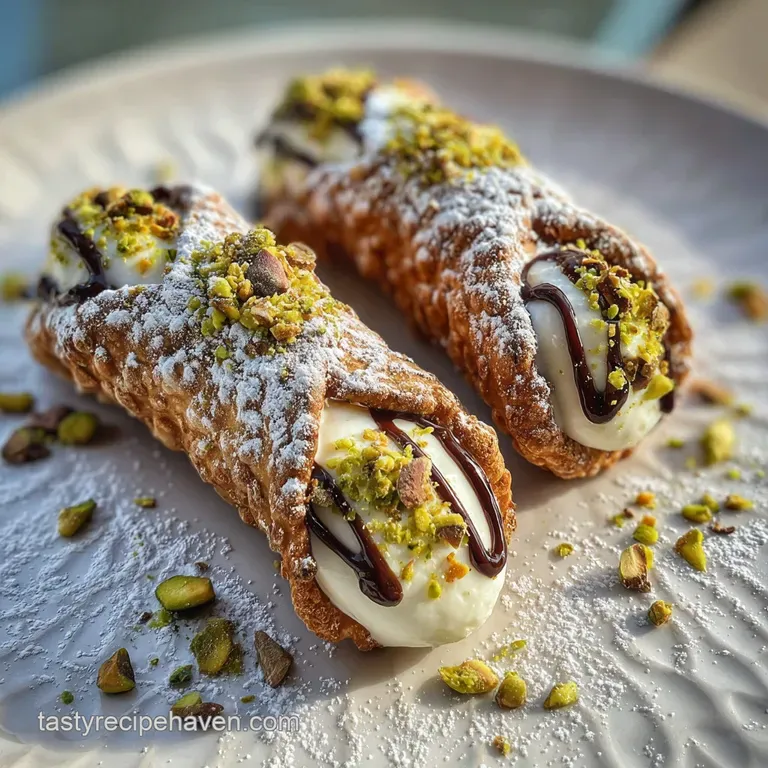
1. Preparing the Dough Base
Whisk the flour, sugar, cocoa, and salt in a large bowl. Add the cubed lard or butter and use your fingertips to rub it into the flour until it looks like coarse sand. Note: This coats the flour in fat, limiting gluten development for a tender shell.
2. Hydrating and Kneading
Make a well in the center and pour in the Marsala wine and vinegar. Stir with a fork until a shaggy dough forms, then knead on a lightly floured surface for about 5-8 minutes until the dough is smooth and elastic.
3. The Essential Rest
Wrap the dough tightly in plastic wrap and let it sit at room temperature for at least 30 minutes, or up to 2 hours. Note: This is the most important step for ensuring the dough doesn't shrink when you cut it.
4. Rolling for Transparency
Divide the dough in half and roll it out as thin as possible (about 1/16 inch) using a rolling pin or a pasta machine. You should be able to see the outline of your hand through the dough.
5. Cutting and Shaping
Cut out circles using a 3.5 inch round cutter. Lightly pull each circle into an oval shape, then wrap it around a metal cannoli tube, brushing a tiny bit of egg wash on the edge to seal the seam shut.
6. The Golden Fry
Heat your oil to 350°F in a deep pot. Fry the shells 2-3 at a time for about 1-2 minutes until they are golden brown and covered in tiny blisters. Note: Use tongs to gently slide the shells off the tubes while still warm.
7. Draining the Ricotta
While the shells cool, push your drained ricotta through a fine mesh sieve into a bowl. This ensures a velvety texture. Fold in the powdered sugar, cinnamon, and vanilla bean paste until the mixture is glossy and uniform.
8. Folding and Chilling
Gently stir in the mini chocolate chips. Transfer the mixture to a piping bag and chill in the refrigerator for at least 30 minutes until the filling is firm and cold.
9. The Final Fill
Wait until just before serving to pipe the cream into the shells. Insert the tip into one end, squeeze until the cream reaches the edge, then repeat on the other side. The filling should slightly bulge from the ends.
10. Finishing Touches
Dust the filled shells with a light coating of powdered sugar. If you like, dip the ends into extra chocolate chips or crushed pistachios until the cream is fully covered.
Avoiding Kitchen Disasters
Why Your Shells Unravel
If your shells open up as soon as they hit the oil, the seal wasn't strong enough. This often happens if flour gets on the overlapping edge. Make sure that specific spot is clean before applying the egg wash, and press down firmly to lock it in place.
Why Your Filling Is Runny
Ricotta is surprisingly high in water. If you skip the overnight draining, the sugar will draw out even more moisture, turning your cream into a soup. If you're in a rush, you can try pressing the ricotta between several layers of paper towels, but nothing beats a slow drain in the fridge.
| Problem | Root Cause | Solution |
|---|---|---|
| Soft, oily shells | Oil temperature too low | Ensure oil stays between 350°F and 360°F |
| No blisters on dough | Lack of acid or thinness | Add more vinegar next time and roll dough thinner |
| Grainy filling | Ricotta not strained | Push the cheese through a sieve before mixing |
Common Mistakes Checklist
- ✓ Ensure the lard is cold when rubbing it into the flour to prevent a greasy dough.
- ✓ Don't skip the cocoa powder; it provides that iconic dark, toasted color.
- ✓ Avoid over kneading after adding the liquid, or the shells will be tough.
- ✓ Change the frying oil if it starts to look dark or smell burnt.
- ✓ Only fill the cannoli right before eating to maintain that specific crunch.
Scaling Your Production
Reducing the Batch
If you only need a few treats, you can easily halve this recipe. For the egg wash, beat one egg in a small bowl and just use a teaspoon of it to seal the shells. You can save the rest of the egg for breakfast. Use a smaller pot for frying to save on oil, keeping the depth at least 2 inches.
Doubling for a Crowd
When making a double batch (about 38 servings), keep the spices and salt to 1.5 times the original amount to avoid an overpowering flavor. Work in batches when rolling out the dough so it doesn't dry out on the counter.
You can fry the shells a day in advance and store them in an airtight container at room temperature to save time on the day of your event.
| Method | Best For | Flavor Profile | Complexity |
|---|---|---|---|
| Authentic Hand Rolled | Small gatherings | Most traditional texture | High |
| Pasta Machine Method | Large parties | Uniform, thin shells | Medium |
| store-bought Shells | Last minute | Filling focused only | Low |
Debunking Pastry Myths
There is a common belief that you must use expensive imported wine for the dough. In reality, any dry Marsala will provide the necessary acidity and sugar. The nuances of a high end vintage are lost during the over high heat frying process.
Focus instead on the quality of your ricotta, as that flavor is far more prominent.
Another myth is that you can store filled cannoli in the fridge for a day. Please, don't do this! Even the most perfectly fried shell will absorb moisture from the ricotta in under two hours. If you need to prep ahead, keep the shells and the filling completely separate until the moment you're ready to serve.
Keeping It Fresh
Storage: Store unfilled shells in a truly airtight container at room temperature for up to 5 days. Keep the ricotta filling in a piping bag in the coldest part of your fridge for up to 3 days. Once they are assembled, they should be eaten within an hour for the best experience.
Zero Waste: Don't throw away those odd shaped dough scraps after cutting your circles! Fry them up as "cannoli chips." They are wonderful when dusted with cinnamon sugar and served alongside a bowl of the leftover ricotta filling for dipping.
If you have extra filling, it's a great topping for morning pancakes or stuffed into crepes.
How to Serve and Enjoy
Presentation is everything with these beauties. Arrange them on a large platter and give them one final, light dusting of powdered sugar just as you bring them to the table. I love to offer a variety of toppings on the ends, like chopped toasted pistachios, candied orange peel, or even crushed freeze dried raspberries for a modern twist.
The Classic Finish
For a truly traditional feel, place a single maraschino cherry or a strip of candied citron on each end of the filling. This is how you'll see them in the windows of the best pastry shops in Sicily. It adds a pop of color and a chewy texture that complements the creamy center.
The Pairing
These are quite rich, so they pair beautifully with a strong, bitter espresso or a small glass of chilled Vin Santo. The bitterness of the coffee cuts through the sweetness of the ricotta, while the dessert wine echoes the notes of the Marsala in the shell.
If you're looking for another classic pairing, these go wonderfully after a meal featuring our Broccoli Casserole recipe for a complete comfort food experience.
Sicilian Cannoli FAQs
What is the filling in a Sicilian cannoli?
Sweetened ricotta cheese. The traditional filling consists of whole milk ricotta, powdered sugar, vanilla bean paste, cinnamon, and often includes mini dark chocolate chips or candied fruit.
What is an authentic Italian cannoli?
One made with a blistered, fried shell and minimally sweetened ricotta filling. Authentic shells use Marsala wine and vinegar for bubbling, and the filling must be strained overnight to remain stiff and creamy.
What is the difference between a Sicilian cannoli and a regular cannoli?
Sicilian shells are made with wine for blistering, while non-traditional recipes often use water or milk. Sicilian recipes prioritize a thin, shatteringly crisp texture using lard, whereas many "regular" versions result in a heavier, biscuit like shell.
What is the best ricotta filling for cannolis?
Whole milk or sheep's milk ricotta that has been drained for at least 12 hours. Draining removes excess moisture, ensuring the filling is thick, velvety, and won't immediately make the shell soggy.
How do I ensure my cannoli shells are perfectly blistered and crisp?
Fry the dough between 350°F and 360°F after rolling it paper thin. The combination of acid (wine/vinegar) in the dough reacting with the hot oil creates steam pockets, which become the iconic bubbles.
Can I fill cannoli shells ahead of time for a party?
No, always fill them immediately before serving. Even a perfectly fried shell will absorb moisture from the creamy ricotta filling within an hour, losing its signature crunch.
Is it true I must use lard in the shell dough?
No, this is not strictly necessary, but lard yields the most authentic texture. Lard shortens gluten strands better than butter, resulting in a shell that is lighter and shatters more easily upon biting.
Authentic Sicilian Cannoli Recipe