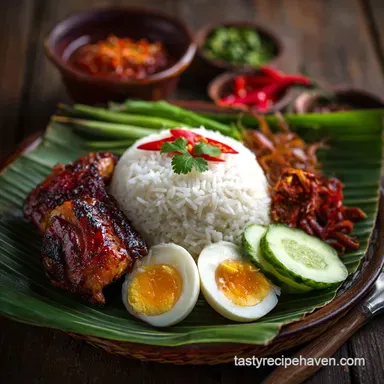
Nasi Lemak: the Ultimate Coconut Rice Recipe
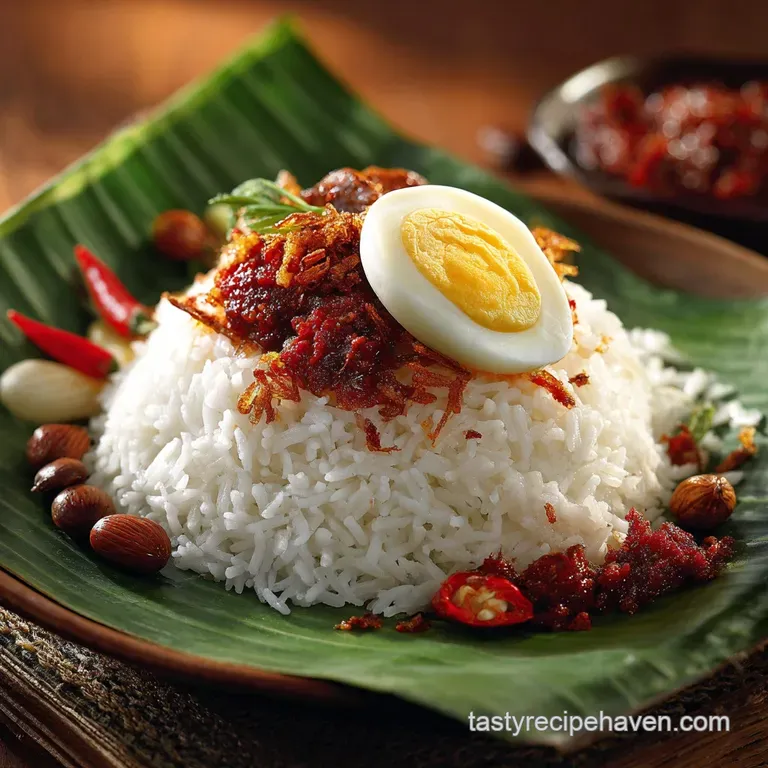
- The Ultimate Malaysian Coconut Rice: Proper Nasi Lemak
- Understanding the Anatomy of Authentic Nasi Lemak
- The Science of Flavour: Why These Three Components Sing
- Essential Provisions: Shopping List for a True Malaysian Nasi Lemak Feast
- Master the Preparation: Detailed Step-by-Step Nasi Lemak Guide
- Professional Secrets and Troubleshooting Common Nasi Lemak Errors
- Preparation and Preservation: Storing Leftovers Safely
- Serving Suggestions: The Ultimate Way to Enjoy Your Nasi Lemak Plate
- Recipe FAQs
- 📝 Recipe Card
The Ultimate Malaysian Coconut Rice: Proper Nasi Lemak
That smell, you know? The one that hits you before you even see the food?
When the warm, creamy scent of coconut milk steaming with ginger and pandan mixes with the spicy, caramelized deep aroma of homemade chilli paste that, my friends, is the smell of truly great Nasi Lemak .
This dish isn't just rice and chilli; it’s a foundational culinary experience. It’s comforting, ridiculously complex in flavour, yet fundamentally simple in components.
Honestly, Nasi Lemak is my weekend lifesaver. It looks daunting because of the many tiny components, but most of it is passive cooking or simple frying. Once you master the base sambal, you can make a huge batch and freeze it, turning this complex meal into a weeknight 30 minute wonder.
Trust me, learning to make authentic Nasi Lemak at home will change your breakfast, lunch, and dinner game forever.
We aren't making shortcuts here. We are going deep into the three essential pillars of the Malaysian national dish to build a balanced, brilliant plate. Let's crack on and make the best Nasi Lemak you've ever tasted.
Understanding the Anatomy of Authentic Nasi Lemak
This recipe works because we treat the three main parts the rice, the sambal, and the crispy bits as equals. If one component is off, the whole structure collapses.
You need the richness of the Nasi , the fiery balance of the Sambal , and the glorious texture provided by the peanuts and anchovies.
The real secret lies in patience, especially with the chilli paste. Anyone can boil rice, but not everyone waits for the oil to separate and turn fiery red in the sambal. That long, slow simmer caramelizes the onions and sugar, resulting in a sweet, sour, intensely savoury base for your ultimate Nasi Lemak plate.
The Science of Flavour: Why These Three Components Sing
The Significance of the "Lemak" (Fatty) Rice
The name itself, Nasi Lemak , means "fatty rice," and it refers to the richness imparted by the coconut milk. This is not just throwing rice into a can of coconut cream; it’s about infusing the grain with aromatics.
We use pandan and ginger to lift the flavour, ensuring the fat coats the rice grains perfectly. This fragrant coconut rice is the cushion upon which all the other intense flavours rest. When done right, the rice should be tender, fluffy, and subtly fragrant.
Decoding the Classic Trio: Sambal, Egg, and Ikan Bilis
Every perfect bite of Nasi Lemak must contain the full flavour spectrum. Think about it:
- Sweet, Spicy, Sour, Umami: That’s the complex sambal, which demands attention.
- Rich, Creamy Neutrality: That’s the hard boiled egg yolk, which cuts the heat.
- Salty Crunch: That’s the ikan bilis (dried anchovies) and peanuts.
These components are non-negotiable. Trying to cheat on any one of them means you’re just eating flavoured rice, not proper Nasi Lemak .
A Culinary Journey Through Malaysia’s National Dish
This dish has deep roots. It started as a simple, portable breakfast, often wrapped traditionally in a banana leaf (called Nasi Lemak Bungkus ). The banana leaf imparts a subtle, earthy flavour and keeps the rice beautifully moist.
It’s a testament to simple ingredients coming together to create magic. The history reminds us that even though we make it at home, this recipe should feel communal and satisfying.
Achieving the Perfect Rice Texture: The Coconut Milk to Water Ratio
The most common mistake people make is treating coconut milk like water when cooking rice. Coconut milk is much thicker and richer. If you use a standard 1:2 rice-to-liquid ratio, you’ll end up with a sticky, gluey mess.
Key Tip: We use slightly less total liquid than regular rice, and we rely on the residual steam to finish the cook, locking in that beautiful coconut aroma. Always use high-quality, full fat coconut milk for maximum richness; low-fat alternatives just make sad rice.
Balancing the Sambal: Sweet, Sour, Spicy, and Umami
The sambal tumis (the cooked chilli paste) is the heart of any great Nasi Lemak . It should be caramelized and robust, not just spicy. The three essential flavour adjustments are:
- Sweetness (Palm Sugar): This balances the acidity and heat.
- Sourness (Tamarind): This provides necessary tang and brightness.
- Umami (Belacan/Anchovies): This gives the deep, savory complexity you can't get from salt alone.
Chef’s Note: The process of cooking the sambal down until the oil separates (pecah minyak) must take at least 15 minutes. It might seem like a long time, but this prevents the sambal from tasting "raw" and ensures that deep, brick red colour.
The Essential Contrast: Crispiness (Ikan Bilis and Peanuts)
You need that loud crunch! Imagine eating creamy rice with soft sambal; it would be texturally boring. The small, salty, fried anchovies (ikan bilis) and the roasted peanuts provide the mandatory textural contrast, ensuring every mouthful of Nasi Lemak is exciting.
Make sure you fry them separately and they are bone dry before they hit the oil.
Essential Provisions: Shopping List for a True Malaysian Nasi Lemak Feast
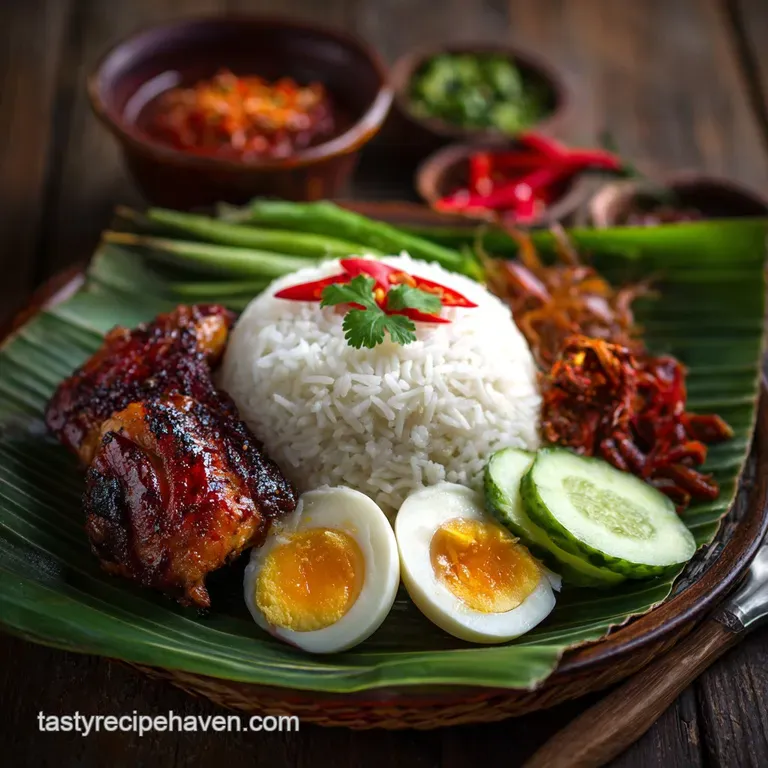
Don't panic if you can't find every niche ingredient. Part of being a great home cook is knowing how to pivot while keeping the spirit of the dish intact.
For the Fragrant Rice (Nasi): Choosing Quality Coconut Cream and Pandan
Jasmine rice is usually best here; its fragrance complements the pandan beautifully. When shopping for coconut milk, look for the fullest fat version you can find. It’s supposed to be rich!
Pandan leaves are crucial for that unmistakable perfume, which really lifts the final aroma of the Nasi Lemak . If you absolutely cannot find them, don't worry.
The Fiery Core (Sambal Tumis): Selecting Dried Chillies and Tamarind Paste
The dried chillies should be medium sized. If you use fresh chillies, the texture and colour will be totally different (and usually less deep). Soaking them first rehydrates them and helps them blend into a smooth paste.
Belacan (shrimp paste) is potent. You only need a tiny bit, but it’s the umami anchor. Do not skip the toasting step, though I advise opening a window it’s intense!
Must Have Accoutrements: Preparing Ikan Bilis (Dried Anchovies) and Peanuts
Ikan Bilis often come pre-salted. You must rinse them well before frying, then pat them completely dry. This removes excess salt and prevents them from sputtering wildly in the hot oil. For the peanuts, raw, skin-on peanuts are preferable.
They achieve a deeper crunch when fried or toasted at home, completing the perfect side profile for your bowl of Nasi Lemak .
Strategic Ingredient Swaps for the Sambal Base
If you can’t source the exact ingredients, here’s how to maintain the flavour profile:
| Ingredient Missing | Suggested Substitution | How to Use |
|---|---|---|
| Gula Melaka (Palm Sugar) | Light Brown Sugar or Honey | Use 1:1 ratio. Maintains caramel richness. |
| Tamarind Paste | Lemon Juice + Pinch of Sugar | Mix 1 tbsp lemon juice with 1/2 tsp sugar per 2 tbsp of paste. |
| Pandan Leaves | Vanilla Extract (1/4 tsp) | Add to the rice water for aromatic complexity. |
| Belacan (Shrimp Paste) | Fermented Fish Sauce or Miso | Use a teaspoon of white miso or a few drops of fish sauce for deep umami. |
Master the Preparation: Detailed step-by-step Nasi Lemak Guide
This process requires managing three different tasks, but if you break it down into phases, it’s entirely achievable. Get the rice started first; while it cooks, you build the sambal.
Phase I: Steaming the Heavenly Coconut Rice (Nasi)
Start by rinsing your rice multiple times until the water runs completely clear. This step guarantees fluffy, individual grains, not a sticky mass. Place the rinsed rice in your cooker or pot. Add the coconut milk, water, salt, sliced ginger, and the pandan leaves tied into a simple knot.
Cook it just like regular rice. If you’re using a pot on the stove, remember the critical 10 minute resting period off the heat. Do not peek! That steam finishes the cooking process perfectly, yielding the most fragrant coconut rice for your Nasi Lemak base.
Phase II: Building the Signature Sambal Tumis from Scratch
The heart of the operation begins with the chillies. Soak them in boiling water for 30 minutes, then drain. This is essential for achieving a smooth, vibrant paste. Blend the soaked chillies with the garlic, shallots, and the pre-toasted belacan until it’s perfectly smooth.
Now, heat the oil in a large wok and add the paste. Sauté over medium heat, stirring frequently, until the oil bleeds out and the paste darkens. This process, pecah minyak , is what separates great sambal from mediocre sauce.
Stir in the tamarind and sugar, and let it bubble gently for 30– 45 minutes, thickening until it’s rich, dark, and glossy.
Phase III: Perfecting the Classic Toppings (Frying and Boiling)
The crispy elements need quick, hot frying. Make sure the peanuts and the ikan bilis are completely dry first. Fry the peanuts until golden brown, which should only take a couple of minutes, then remove them and drain immediately. Next, fry the rinsed and dried anchovies until they are shatteringly crisp.
If they remain chewy, the oil wasn't hot enough. Boil your eggs (I always aim for 8 minutes for a firm yolk) and slice the cucumber on the bias. These toppings must be fresh and crisp right before you serve the Nasi Lemak .
Assembly and Presentation: The Art of the Nasi Lemak Bungkus
Gently fluff the coconut rice, removing the pandan and ginger pieces. Take a generous scoop of the fragrant rice and place it on your plate. Beside it, spoon a healthy dollop of the deep, glistening sambal tumis.
Arrange the halved hard boiled egg, a scattering of the crispy fried ikan bilis, a handful of crunchy peanuts, and a few refreshing slices of cucumber. This arrangement ensures that the diner gets a perfect, balanced mixture of sweet, spicy, creamy, and crunchy in every beautiful bite of Nasi Lemak .
Professional Secrets and Troubleshooting Common Nasi Lemak Errors
I've messed up so many batches of this over the years. Here’s what I learned the hard way.
How to Fix Grainy or Soggy Coconut Rice
If your rice is too mushy, you used too much liquid or didn't rinse the starch away. If it’s too hard or grainy, it needed more steaming time. If it’s done but still a bit hard: Gently sprinkle about a tablespoon of hot water over the surface, cover tightly again, and let it steam for another 5 minutes off the heat.
This often rescues dry grains. If it’s soggy, there's no saving it, but you can turn it into a fantastic fried rice base later!
Adjusting the Sambal’s Heat Level for Different Palates
If your sambal is too spicy, add more palm sugar and a splash more tamarind or lime juice. The sweetness and acidity help neutralize and distract from the heat. If it’s too sweet, add a tiny pinch more salt and let it reduce longer to concentrate the heat.
Don’t try to fix the heat with water; that will ruin the texture and deep flavour you worked so hard to achieve.
The Importance of Pre-soaking Your Dried Anchovies (Ikan Bilis)
If you don't rinse your ikan bilis, they will be overwhelmingly salty. If you don't pat them dry after rinsing, they will spatter violently in the hot oil, making them chewy instead of crisp.
They must be rinsed, then dried completely , otherwise your crunchy topping for the Nasi Lemak will disappoint.
Preparation and Preservation: Storing Leftovers Safely
Proper storage is what makes preparing this complicated dish worthwhile. You can easily prep the components several days ahead.
Reheating Nasi (The Coconut Rice) Properly
Coconut rice dries out easily in the fridge. To reheat: place the rice in a microwave safe bowl, sprinkle a few drops of water over it, and cover the bowl tightly with a damp paper towel. Microwave in short bursts (30 60 seconds) until hot.
Alternatively, you can steam the rice gently over a pot of boiling water for about 10 minutes. Avoid reheating on the stove, as this tends to burn the coconut solids at the bottom.
Freezing the Sambal for Future Meals
The sambal is absolutely freezer friendly! Cool it completely, then spoon it into airtight containers or freezer bags. It will keep for 3 to 4 months. Thaw overnight in the fridge, or gently reheat from frozen in a pan.
Having pre-made sambal means you are always just one short rice cooking session away from instant, authentic Nasi Lemak .
Serving Suggestions: The Ultimate Way to Enjoy Your Nasi Lemak Plate
The full experience isn't complete without the right drink and side pairings. This rich, creamy, spicy dish needs something refreshing to cut through it.
Traditional Drink Pairings (Teh Tarik and Kopi O)
The classic accompaniment is Teh Tarik (pulled milk tea), which is creamy, sweet, and frothy. The richness of the tea balances the heat of the sambal perfectly. If you prefer coffee, go for Kopi O (strong black coffee with sugar), which provides a dark, slightly bitter contrast.
Enjoying your homemade Nasi Lemak with one of these traditional beverages completes the experience.
Recipe FAQs
Why did my coconut rice (Nasi) turn out mushy or too wet?
This common issue means the liquid ratio was too high for your rice type. When using thick coconut milk, you must slightly reduce the total liquid amount compared to plain water, as the milk adds density and moisture. Always rinse the rice well before cooking to remove excess starch.
What is essential for achieving the distinct fragrance of the Nasi Lemak rice?
The characteristic fragrance comes primarily from good quality, rich coconut milk combined with pandan leaves. Ensure you bruise and knot the pandan leaves before adding them to the rice cooker; this simple action maximizes the release of their aroma during cooking.
My Sambal Tumis tastes raw or metallic; how do I fix this?
Sambal requires extensive cooking, known as 'pecah minyak' (breaking oil), where the oil separates from the chili paste. If it tastes raw, cook it longer over low heat until the oil begins to float and glisten on the surface, signaling that the ingredients are fully caramelized and mellowed.
Can I make the classic Nasi Lemak recipe vegan or vegetarian?
Absolutely. The coconut rice itself is vegan. For a vegetarian plate, ensure your sambal omits belacan (shrimp paste) or uses a vegan substitute, and replace the Ikan Bilis (dried anchovies) with crispy fried tempeh, roasted peanuts, or fried sliced mushrooms.
How should I store leftover Nasi Lemak components, and how long do they last?
Store the components rice, sambal, and crispy toppings separately in airtight containers in the refrigerator for up to 3 days. Reheat the rice gently by steaming or microwaving with a sprinkle of water, but keep the anchovies/peanuts separate until serving to maintain their crunch.
Do I need to soak the dried anchovies (Ikan Bilis) before frying them?
Yes, soaking the Ikan Bilis in warm water for about 10 minutes is highly recommended. This removes excess salt and any potential grit. Always pat them thoroughly dry before frying; otherwise, the residual water will cause excessive splattering in the hot oil.
What is the best substitute if I can't find Ikan Bilis (dried anchovies)?
While Ikan Bilis offers a crucial salty, savory crunch, you can substitute them with heavily salted peanuts or crispy fried shallots. For a substantial bite, try substituting them with pieces of deep fried, seasoned tofu or tempeh.
Nasi Lemak Coconut Rice Recipe