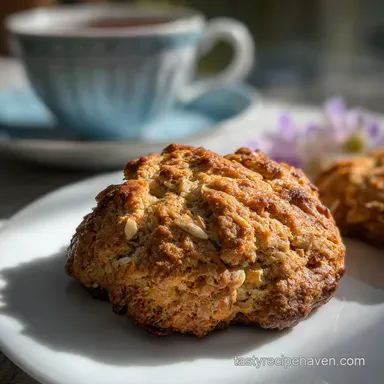
Protein Greek Yogurt Cookies with Almond Flour
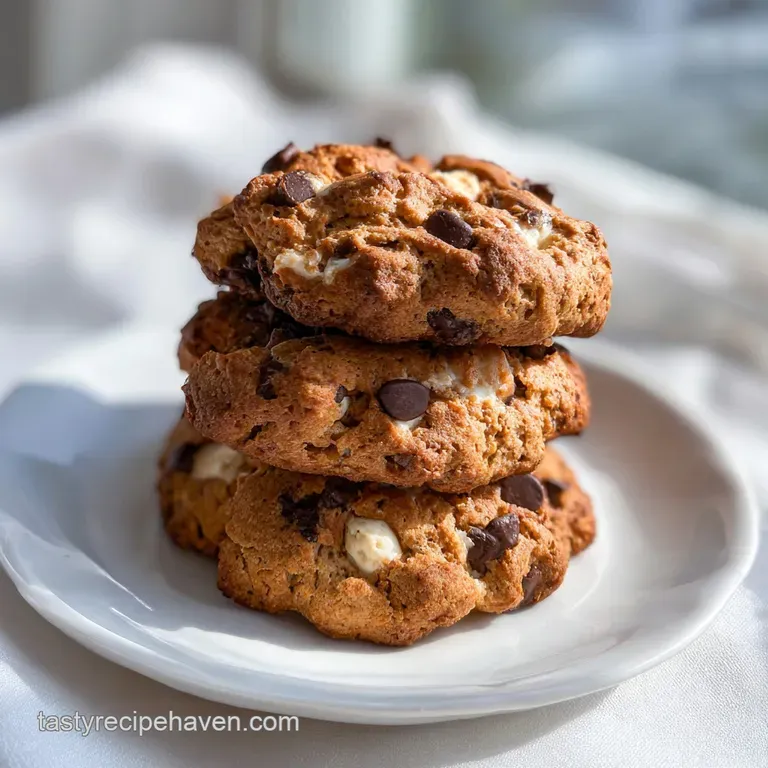
- Time: Active 10 minutes, Passive 10 minutes, Total 20 minutes
- Flavor/Texture Hook: Fudgy centers with a subtle vanilla bean aroma and melting dark chocolate.
- Perfect for: Post workout recovery, mid afternoon energy slumps, or a guilt free late night snack.
- Bake the Perfect Protein Greek Yogurt Cookie
- The Science Behind the Texture
- Precision Details for Better Baking
- Essential Nutrient Dense Pantry Staples
- Tools for Flavor Forward Results
- Steps for a Satisfying Cookie
- Fixing Common Cookie Texture Issues
- Satisfying Flavor and Texture Swaps
- Scaling the Recipe for Success
- Debunking Cookie Myths
- Storage and Freshness Preservation Tips
- Visual Styling for Protein Cookies
- Recipe FAQs
- 📝 Recipe Card
Bake the Perfect Protein Greek Yogurt Cookie
You know that 3 PM slump where you’d basically trade your left shoe for something sweet? I used to reach for those chalky, pre packaged protein bars that taste like sweetened cardboard.
One Tuesday, after a particularly grueling workout, I stared at a tub of yogurt and a bag of almond flour and thought, "There has to be a better way to hit my macros without the sadness." I wanted that specific "shatter" of a cookie edge followed by a velvety, melt in-the mouth center.
The first attempt was, frankly, a disaster. I used only whey protein, and the cookies came out like rubber bouncy balls. I actually watched one bounce off the counter. But that failure taught me the most important lesson about this Protein Greek Yogurt Cookie: it is all about the moisture balance and the protein type.
This recipe is the result of those messy kitchen experiments, and it’s become my absolute go to because it actually tastes like a real cookie.
We aren't just making a "healthy substitute" here. We are creating a flavor forward treat that happens to be packed with 7.7g of protein per serving. The yogurt provides a beautiful brightness that cuts through the richness of the almond flour, while the vanilla bean paste adds a luxurious depth you just don't get from standard extract.
Trust me, once you smell these browning in the oven, you'll never go back to the store-bought bars.
The Science Behind the Texture
The Casein Synergy: Using a whey casein blend is vital because casein absorbs more liquid and provides a sturdy, cake like structure that prevents the cookie from becoming flat or rubbery.
Acidic Activation: The lactic acid in the Greek yogurt reacts instantly with the baking soda, creating tiny carbon dioxide bubbles that ensure a light, tender crumb rather than a dense disc.
| Method | Time | Texture | Best For |
|---|---|---|---|
| Standard Oven | 10 minutes | Crisp edges, soft center | Classic cookie experience |
| Air Fryer | 8 minutes | Extra crunchy exterior | Quick single serving fix |
| Chilled Dough | 12 minutes | Fudgy and deeply aromatic | Maximum flavor development |
If you are a fan of using yogurt in your baking for that perfect moisture hit, you might also love my Greek Yogurt Pancake Recipe which uses a similar acidic lift to stay fluffy.
Essential Ingredient Deep Dive
| Ingredient | Science Role | Pro Secret |
|---|---|---|
| Greek Yogurt | Moisture and Fat Source | Use room temp to avoid seizing the fats. |
| Almond Flour | Structural Integrity | Super fine grind prevents a gritty mouthfeel. |
| Erythritol | Sweetness without Insulin Spike | Powdered versions dissolve better for smoothness. |
| Vanilla Bean Paste | Flavor Complexity | The tiny seeds add visual appeal and intense aroma. |
Precision Details for Better Baking
When we talk about wellness in the kitchen, it is all about the little details that make a recipe repeatable and reliable. I have found that weighing your almond flour (112g) is the difference between a cookie that is perfectly moist and one that is crumbly and dry.
This Protein Greek Yogurt Cookie relies on the specific hydration levels of the yogurt, so don't be tempted to swap in a watery, low quality brand.
Casein and Whey Protein Matrix
The protein powder you choose acts as the "flour" in many ways here. If you use 100% whey, the cookies will likely come out thin and tough. The casein in a blend acts like a sponge, holding onto the moisture from the yogurt and egg. This creates that fudgy, almost brownie like interior that we all crave.
Super Fine Almond Flour Base
Almond flour brings a high fat content that mimics butter. This is why we don't need added oils or sticks of butter to get a satisfying mouthfeel. Make sure you are using "blanched" almond flour rather than almond meal.
The meal version contains the skins, which can make the texture feel rustic and heavy, whereas blanched flour keeps things silky.
Precision Checkpoints for Success
- Yogurt Temperature: Ensure your yogurt is at 40°F (straight from the fridge is fine, but don't let it sit out too long) so it maintains its thickness while mixing.
- Baking Time: Pull them at exactly 10 minutes; they will look underdone, but the carryover heat finishes them on the tray.
- Protein Weight: Use exactly 60g of protein powder; different brands have different scoop sizes, so a scale is your best friend.
Essential Nutrient Dense Pantry Staples
- Non fat or 2% Plain Greek Yogurt (1/2 cup): Provides the creamy base.
- Substitute: Skyr. Why this? It has a similar thick consistency and high protein count.
- Whey/Casein blend Protein Powder (2 scoops / 60g): The structural backbone.
- Substitute: Pure Casein. Why this? It will be even thicker, though you may need a splash of almond milk.
- Super fine blanched almond flour (1 cup): Adds healthy fats and crumb.
- Substitute: Oat flour. Why this? Lower fat, so cookies will be slightly drier and more bread like.
- Erythritol or Monk fruit sweetener (1/4 cup): Keeps things sugar-free.
- Substitute: Coconut sugar. Why this? Adds a caramel note but increases the carbohydrate count.
- Baking soda (1/2 tsp): For the necessary lift.
- Substitute: Baking powder (use 1.5 tsp). Why this? It is less potent and needs more volume for the same rise.
- Fine sea salt (1/4 tsp): To balance the sweetness.
- Substitute: Kosher salt. Why this? Use a pinch more as grains are larger.
- Large Egg (1, room temperature): Binds the dough together.
- Substitute: Flax egg. Why this? The texture will be much denser and less "poof."
- Pure vanilla bean paste (1 tsp): For that gourmet aroma.
- Substitute: Vanilla extract. Why this? Standard flavor profile without the visual bean flecks.
- sugar-free dark chocolate chips (1/3 cup): For the classic melt.
- Substitute: Cacao nibs. Why this? Adds crunch and intense bitterness without the sweetness.
Tools for Flavor Forward Results
You don't need a professional kitchen to master these, but a few specific tools make the process much more enjoyable. I personally use a silicone baking mat (like a Silpat) because it prevents the bottoms from browning too quickly, which is a common issue with protein based bakes.
If you don't have one, parchment paper is a mandatory second choice.
Chef's Tip: Freeze your chocolate chips for 10 minutes before folding them in. This prevents them from melting into the dough during the mixing process, ensuring you get distinct "pools" of chocolate in every bite.
A cookie scoop is another "secret weapon" for the Protein Greek Yogurt Cookie. Since the dough is stickier than traditional butter based dough, using a scoop ensures you get 12 perfectly even servings without getting your hands messy.
This also guarantees that all cookies cook at the same rate, so you don't end up with some burnt and some raw.
Steps for a Satisfying Cookie
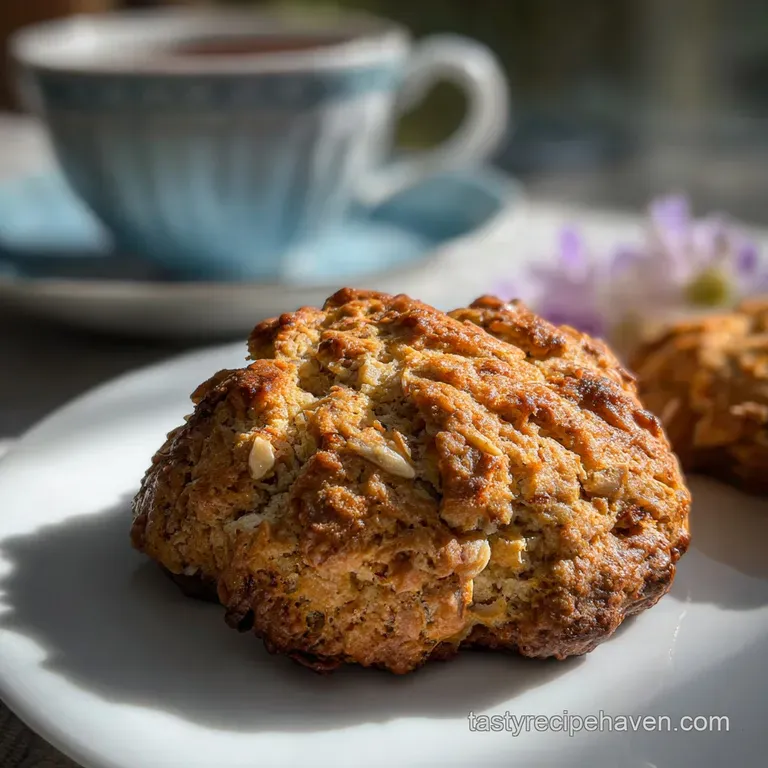
Folding the Dark Chocolate
The key to a visually stunning cookie is how you handle the inclusions. Don't overwork the dough once the chips are in. I like to save a few extra chips to press into the tops of the dough balls right before they hit the oven. This creates that "bakery style" look where the chocolate is front and center.
- Preheat and Prep: Set your oven to 350°F and line a large baking sheet. Note: Preheating is crucial for the baking soda to activate immediately.
- Whisk Dry Ingredients: In a medium bowl, combine the almond flour, protein powder, erythritol, baking soda, and sea salt. Mix until no clumps remain.
- Blend Wet Ingredients: In a separate bowl, whisk the egg, Greek yogurt, and vanilla bean paste. Mix until the texture is silky and pale.
- Combine the Matrix: Pour the wet ingredients into the dry. Stir gently with a spatula until a thick dough forms.
- Fold the Texture: Gently stir in the sugar-free dark chocolate chips. Note: Be careful not to over mix, or the protein can become tough.
- Scoop the Dough: Use a cookie scoop to place 12 even mounds onto your prepared sheet. Space them 2 inches apart.
- Flatten Slightly: Since these don't spread much on their own, use damp fingers to gently press them into 1/2 inch thick discs.
- Execute the Bake: Bake for 10 minutes until the edges are just turning golden and the tops feel set but soft.
- Rest and Set: Let the cookies sit on the hot baking sheet for 5 minutes. This is when the internal structure firms up.
- Final Cool: Transfer to a wire rack to cool completely.
| Version | Texture | Flavor | Prep Time |
|---|---|---|---|
| Fresh Dough | Soft and delicate | Bright and tangy | 10 minutes |
| Shortcut (store-bought mix) | Grainy and dry | Artificial vanilla | 2 minutes |
If you enjoy the combination of nuts and protein in your snacks, you might find that this Protein Peanut Butter recipe is the perfect companion to these cookies for a high protein platter.
Fixing Common Cookie Texture Issues
The most common complaint with any Protein Greek Yogurt Cookie is that they can sometimes feel "spongy." This usually happens because there is too much moisture or the wrong type of protein.
If your dough feels like a thick batter rather than a soft dough, you might need to add one extra tablespoon of almond flour to help it bind.
Preventing the Rubbery Finish
This is almost always a result of over mixing. When you mix protein powder with wet ingredients, you are essentially creating a structure. If you work it too much, it becomes tight and elastic, much like over kneaded bread. Stir just until the white streaks of powder disappear, then stop immediately.
Troubleshooting Table
| Problem | Root Cause | Solution |
|---|---|---|
| Cookies are flat | Yogurt was too thin or watery | Use a thick, strained Greek yogurt brand next time. |
| Gritty mouthfeel | Almond flour was too coarse | Sift the flour or use "super fine blanched" varieties. |
| Dry and crumbly | Baked for too long | Reduce oven time by 2 minutes; pull when "just set." |
Common Mistakes Checklist
- ✓ Never swap the Greek yogurt for regular plain yogurt (it's too thin).
- ✓ Don't skip the resting time on the baking sheet; they will fall apart if moved too soon.
- ✓ Avoid using 100% whey protein if you want a soft, cakey texture.
- ✓ Ensure your egg is at room temperature so it emulsifies properly with the yogurt.
- ✓ Do not over flatten the dough; keep them about 1/2 inch thick for a fudgy center.
Satisfying Flavor and Texture Swaps
If you want to change the vibe of your Protein Greek Yogurt Cookie, it is incredibly easy to do without ruining the chemistry. I often swap the vanilla bean paste for almond extract for a "wedding cake" flavor profile. It is punchy and pairs perfectly with the almond flour base.
Decision Shortcut
- If you want a "Double Chocolate" version, replace 2 tbsp of almond flour with 2 tbsp of dark cocoa powder.
- If you want a "Snickerdoodle" vibe, omit chocolate chips and roll the dough balls in a cinnamon erythritol mix.
- If you want a "Crunchy Nut" texture, add 1/4 cup of crushed walnuts or pecans to the folding step.
Scaling the Recipe for Success
When scaling down for a solo snack (making 3 or 6 cookies), it can be tricky with the egg. I recommend whisking the egg in a small bowl first, then using exactly half of it (about 25g) for a half batch. This ensures the moisture balance remains perfect.
Reduce the baking time by about 1-2 minutes since a smaller tray in the oven can sometimes cook faster.
For a big batch (24 or 36 cookies), do not simply triple the baking soda. Use 1.5x the spices and leavening agents to avoid a metallic aftertaste. It is better to bake in multiple batches rather than crowding one tray, as the cookies need the airflow to get those slightly crisp edges we love.
Debunking Cookie Myths
One huge myth is that Greek yogurt makes cookies sour. In reality, once baked, the yogurt provides a subtle tang that mimics buttermilk, enhancing the sweetness of the chocolate chips. It acts more like a flavor enhancer than a dominant flavor itself.
Another misconception is that "protein cookies can't be soft." Most people think they have to be hard as rocks to be high in protein. By using almond flour (which is high in fat) and Greek yogurt, we are essentially hacking the traditional cookie structure to keep it moist and tender without the need for refined oils.
Storage and Freshness Preservation Tips
These cookies are unique because they actually improve after a few hours in the fridge. The moisture from the yogurt migrates through the almond flour, making the center even more fudgy.
- Storage: Keep in an airtight container in the fridge for up to 5 days. The cold temperature keeps the chocolate chips snappy and the center velvety.
- Freezer: These freeze beautifully! Wrap them individually in parchment paper and store in a freezer bag for up to 3 months.
- Zero Waste: If you have a few cookies that have gone a bit dry, crumble them up! Use the crumbs as a high protein topping for your morning bowl of oatmeal or as a "crust" layer in a yogurt parfait. It’s a great way to ensure not a single gram of protein goes to waste.
Visual Styling for Protein Cookies
Let's be honest, we eat with our eyes first. To make these look as good as they taste, I highly recommend the "scoop and press" method. After scooping, use the back of a spoon to create a small dimple in the center. After baking, this dimple naturally fills with the melting chocolate chips, giving that "lava" look.
A tiny sprinkle of flaky sea salt (like Maldon) on top right as they come out of the oven is the final flavor forward touch. The contrast between the salty crystals and the sweet dark chocolate is absolutely addictive.
It also adds a beautiful sparkle that makes them look like they came from a high end wellness boutique rather than your own kitchen. Serve them on a wooden board with a cold glass of almond milk for the ultimate satisfying experience.
Quick Fix Table
| Problem | Cause | Fix |
|---|---|---|
| Dough is too sticky to handle | Yogurt was very high moisture | Chill the dough for 15 minutes before scooping. |
| Cookies are pale and white | Oven temp is too low | Increase temp by 15°F or bake 2 mins longer. |
| Chocolate chips sunk to bottom | Dough was too thin | Whisk the dry ingredients more thoroughly next time. |
Recipe FAQs
Is Greek yogurt actually high in protein?
Yes, Greek yogurt is significantly higher in protein than regular yogurt. This is because the straining process removes much of the liquid whey, concentrating the casein and whey proteins.
What does adding Greek yogurt to cookies do?
It introduces essential moisture and acidity without adding heavy fats. The lactic acid in the yogurt reacts with the baking soda to create a tender crumb, resulting in a less dry, fudgier texture than standard cookies.
Can you mix protein powder directly with Greek yogurt?
Yes, but do so gently and sparingly. Mixing them first can create a very thick paste; ensure you only stir until just combined to avoid developing the protein too much, which leads to a rubbery final product.
Are protein cookies actually healthy?
They are significantly more nutrient dense than traditional cookies, but health depends on ingredients. This recipe minimizes sugar and uses almond flour, making them excellent for macros, but they are still a treat.
Why are my protein cookies rubbery instead of soft?
This is usually caused by over mixing or using 100% whey protein. Overworking the dough activates the protein structure too much, making it elastic; try incorporating the dry ingredients only until the streaks disappear.
How can I make these cookies taste less "healthy" and more indulgent?
Increase the dark chocolate content and add a pinch of salt for balance. If you master the low-moisture handling in this recipe, you can apply the same dough structure logic to our Peanut Butter Protein recipe for richer flavor without texture compromise.
What is the best way to store leftover Protein Greek Yogurt Cookies?
Store them in an airtight container in the refrigerator for up to five days. The cold temperature actually improves the texture by melding the moisture from the yogurt into the almond flour.
Protein Greek Yogurt Cookies