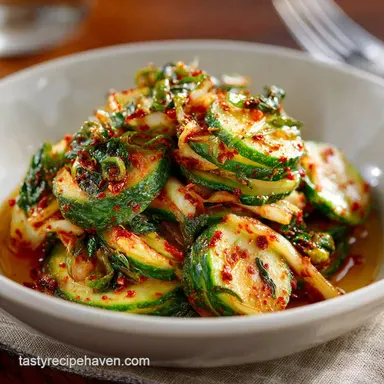
Cucumber Kimchi (Oi Sobagi): Crunchy, Quick, and Ready in 1 Hour
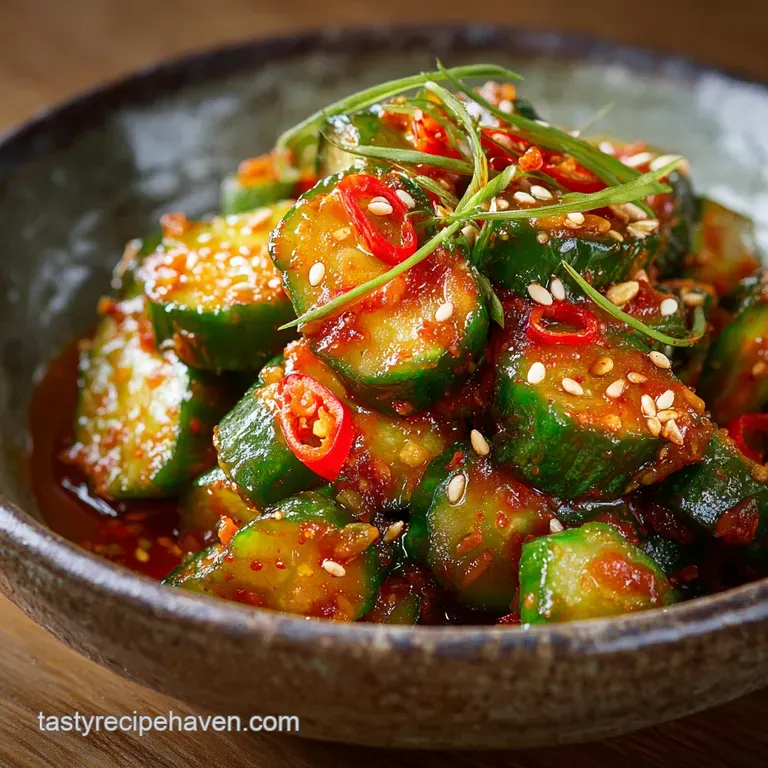
- Oi Sobagi: The Ultimate Quick Cucumber Kimchi for Summer
- Essential Ingredients for Vibrant Stuffed Cucumber Kimchi
- Method: How to Make Crunchy Oi Sobagi (Stuffed Cucumber Kimchi)
- Troubleshooting Your Oi Sobagi: Tips for Perfect Results
- Storage Guide: Keeping Your Quick Kimchi Fresh and Crispy
- Recipe FAQs
- 📝 Recipe Card
Oi Sobagi: The Ultimate Quick Cucumber Kimchi for Summer
Seriously, nothing beats the sound of biting into perfect, crunchy kimchi, especially when it’s cold and refreshing on a hot day. This Oi Sobagi (Spicy Stuffed Cucumber Kimchi) hits you first with a massive burst of garlicky spice, then leaves your mouth feeling unbelievably clean.
It’s vibrant red, packed with fresh aromatics, and smells faintly of the perfect marriage between the garden and the sea.
Forget the long haul, months long fermentation process that traditional cabbage kimchi demands; we simply don't have time for that nonsense sometimes. This specific cucumber kimchi recipe easy version is your fast track to deep flavor, needing less than an hour of active time, making it the ultimate quick banchan for busy weeknights.
It’s wildly simple, incredibly satisfying, and frankly, a massive life upgrade you deserve.
I've personally made every mistake possible with quick pickles too salty, too soggy, too bland. But I finally nailed the precise salting and seasoning ratio for this specific Oi Sobagi technique, and now I’m handing the keys over to you.
We're going to ensure maximum crunch, perfect spice, and an immediately ready-to-eat Kimchi Recipe .
What is Oi Sobagi and Why Is It Not Traditional Kimchi?
Oi Sobagi translates roughly to ‘stuffed cucumber.’ This dish falls under the broad category of kimchi because it uses the standard fermented chili paste base ( yangnyeom ), but structurally and functionally, it is quite different from Napa cabbage versions.
Traditional kimchi is fermented for weeks or months to develop deep sourness and probiotic cultures.
This quick cucumber version, however, is meant to be eaten fresh. It focuses entirely on retaining the cucumber's snappy crunch rather than achieving deep fermentation funk. It functions more like a spicy, quick pickled side dish a perfect choice for those who are intimidated by long ferment times.
The Flavor Profile: Balancing Sweet, Salty, and Fiery Spice
The flavor profile of great Oi Sobagi is a masterclass in balance. You get the immediate heat and gorgeous color from the Gochugaru (Korean chili flakes), which is offset by the sweetness of sugar or maple syrup.
We use a hint of fish sauce for that essential deep umami flavor, while the fresh garlic and ginger keep things bright and pungent.
The cucumber itself is salty from the quick brine, but importantly, it’s not mushy. The whole combination is intense yet incredibly refreshing, making it the best counterpoint to fatty grilled meats.
Why This Recipe Works (Difficulty and Time Commitment)
The scientific secret to achieving that amazing, almost explosive crunch isn't a magical ingredient; it’s all about the timing of the salt brine. By scoring and salting the cucumbers for precisely 30 to 40 minutes, we pull out enough excess water to concentrate their flavor without turning them flabby.
We rinse off the surface salt aggressively afterward, which ensures the final product is perfectly seasoned. That crucial brining phase is what saves this recipe from becoming a soggy disappointment.
Essential Ingredients for Vibrant Stuffed Cucumber Kimchi
Choosing the Best Cucumbers (Korean, Persian, or Kirby Varieties)
The type of cucumber you use is non-negotiable for success here, trust me on this one. You absolutely want thin skinned, low-seed varieties that hold their structure well after salting.
Persian cucumbers (the short, bumpy ones) are ideal because they are dense, or you can use English (hothouse) cucumbers, just make sure to cut them into thick, manageable segments.
MISTAKE I ONCE MADE: I used giant, waxy garden cucumbers once they were too watery, had huge seeds, and turned immediately to mush when salted. Don't do it!
Key Kimchi Seasonings and Spice Alternatives
The defining ingredient here is Gochugaru , the uniquely vibrant Korean chili flake. It provides color and heat without the overwhelming mouth burn that dried cayenne peppers deliver. We also use fresh aromatics like garlic, ginger, and scallions to build the base flavor.
| Ingredient | Role | Viable Substitute |
|---|---|---|
| Gochugaru | Color, heat, and texture | Sweet paprika + a dash of crushed red pepper flakes (texture will differ) |
| Coarse Salt | Brining and flavor | Kosher salt (Avoid fine table salt, which over salts too quickly) |
| Fish Sauce | Deep Umami flavor | Soy sauce or Tamari + a pinch of dried Kombu powder (for depth) |
| Granulated Sugar | Balances the heat and salt | Maple syrup or rice syrup |
Quick Substitutions for Common Korean Staples (e.g., Fish Sauce/Vegan Options)
If you are cooking for a vegan friend, swapping out the fish sauce is super simple, don't worry about it. Use high-quality Tamari or soy sauce in its place to maintain the essential salty umami base.
If you can find it, a tiny bit of nutritional yeast can also give a surprising depth to the paste, mimicking that savory flavor.
Chef's Note: Always taste your paste before combining it with the cucumbers. If it tastes slightly too salty or too spicy right now, the cucumbers will absorb that flavor and mellow it slightly, but it shouldn't be overwhelmingly unpleasant to begin with.
Preparing the Fresh Aromatics (Garlic, Ginger, Scallions)
The garlic and ginger must be minced or grated freshly ; powdered versions just won't give you that bright punch needed for quick kimchi. The fresh scallions and chives (if you have them) add essential texture and a beautiful layer of oniony freshness.
Don't dice the scallions too small; we want them to stand out slightly in the finished paste.
Method: How to Make Crunchy Oi Sobagi (Stuffed Cucumber Kimchi)
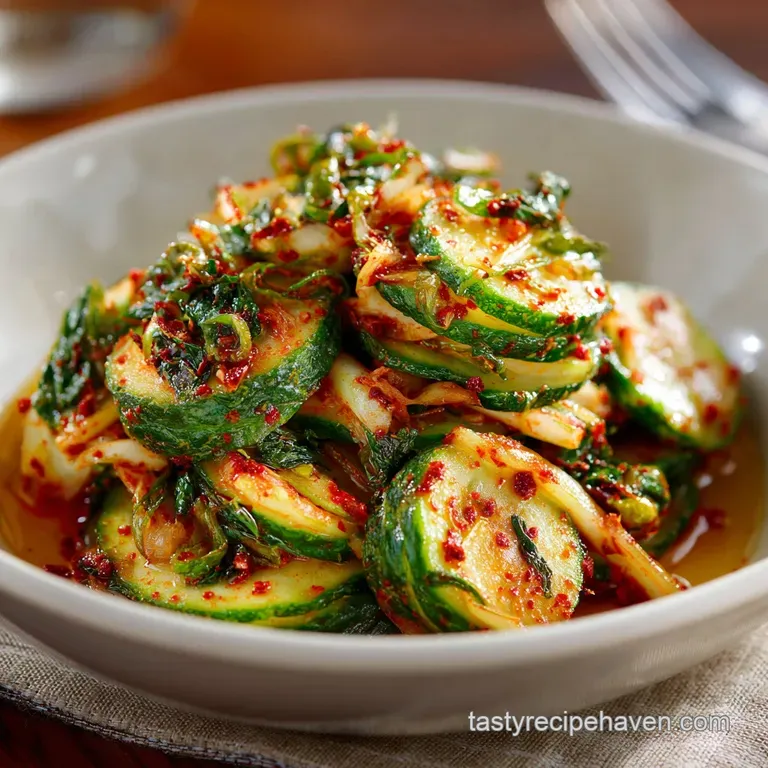
Phase 1: Cutting and Salting the Cucumbers for Brining
- Prep the Cucumbers: Wash and trim the ends of your cucumbers, then cut them into segments about 2 inches long.
- Score the "Sobagi" Way: Stand each segment upright and make two cuts in the top, forming an 'X'. Crucially, stop cutting about three quarters of the way down. The bottom must remain attached, creating a pocket for the stuffing.
- Brine Power: Place the scored cucumbers in a non-reactive bowl (glass or stainless steel is best). Sprinkle evenly with the coarse salt and the initial tablespoon of sugar. Toss gently.
- The Waiting Game: Let the cucumbers sweat at room temperature for 30– 40 minutes exactly. You should see a noticeable pool of liquid forming at the bottom, and the cucumbers should feel pliable when you squeeze them.
- Rinse Vigorously: Transfer the salted cucumbers to a colander and rinse them quickly under cold running water two or three times. Do not skip this! You need to wash off that surface salt.
- Pat Dry: Shake the colander well, then spread the cucumbers onto a clean kitchen towel and pat them dry as much as possible. Excess water ruins the paste, so be thorough.
Phase 2: Mixing the Fiery Kimchi Paste and Filling
- Combine the Wet Paste: In a separate bowl, whisk together the Gochugaru, fish sauce (or vegan alternative), water, the remaining sugar, minced garlic, grated ginger, and grated onion. Let it sit for about five minutes; this hydrates the chili flakes, making a thick paste.
- Fold in Texture: Gently fold in the sliced scallions, the chives, and the sesame seeds. The resulting paste should be thick, rustic, and vibrant red.
Phase 3: Stuffing the Cucumbers (The Sobagi Technique)
- Gear Up: Put on rubber gloves this is mandatory, or your hands will burn and stain for hours.
- Stuffing Time: Pick up a cucumber segment, gently open the 'X' cut, and use a small spoon (or your gloved fingers) to stuff a generous amount of the yangnyeom paste inside. Push it right into the channels.
- Coat and Containerize: Place the stuffed cucumber in a clean, airtight container. Repeat with all segments, and if you have leftover paste, smear it over the outsides to ensure everything is coated beautifully.
Phase 4: Immediate Serving vs. Short Chill
While technically ready to eat right now, this cucumber kimchi salad benefits hugely from a short chill. Seal the container and refrigerate for at least one hour. This allows the salty, spicy paste to seep into the inner flesh of the cucumber, enhancing the flavor dramatically.
The texture remains snappy and perfect.
Troubleshooting Your Oi Sobagi: Tips for Perfect Results
Mistake: Over Brining and Losing the Crunch
The number one failure point is letting the cucumbers brine too long, which results in soggy, sad kimchi. Stick rigidly to the 30 40 minute window. If you get distracted, pull them out, rinse them immediately, and pat them dry. Soft cucumbers cannot be saved, tragically.
How to Adjust the Spice Level After Mixing
If you taste the finished paste and realize it’s atomic, don't panic! You can quickly dilute the spice by mixing in a tablespoon of rice vinegar and a teaspoon of extra sugar. If it’s too mild, stir in another half tablespoon of Gochugaru and let the paste sit for five minutes to hydrate before stuffing.
Handling and Reducing Excess Cucumber Liquid
After the initial chilling period, the cucumbers will inevitably release more liquid into the container this is normal. If you find the liquid is overwhelming the dish, simply pour off the excess before serving.
Do not stir the kimchi too aggressively after stuffing, as this encourages more liquid release and can break the delicate segments.
Storage Guide: Keeping Your Quick Kimchi Fresh and Crispy
Shelf Life and Ideal Container Selection
Because this Oi Sobagi is a quick kimchi, it is best eaten within the first 5 days. It keeps wonderfully in the fridge, ideally in a glass or hard plastic container with a tightly fitting lid (to prevent the kimchi smell from overtaking your entire refrigerator).
After about 7 days, the cucumbers start to lose their famous crunch, even if they are still safe to eat.
Important: Do not try to freeze Oi Sobagi. The high water content in the cucumber guarantees a completely mushy, terrible texture upon thawing. Just make a smaller batch if you think you won't finish it fast!
Essential Pairings: Rice Bowls and Korean BBQ
This crunchy kimchi is primarily a banchan (Korean side dish), meaning it shines when served alongside main events. It’s absolutely mandatory next to rich, smoky Korean BBQ like Galbi or savory marinated Bulgogi, as the spice cuts through the fat beautifully.
A simple bowl of hot white rice and a few pieces of chilled Oi Sobagi is also a beautiful, light meal on its own.
Creative Uses for Leftover Kimchi Paste
Don't let any of that gorgeous red yangnyeom go to waste! If you have extra paste, whisk it with a little neutral oil and use it as a dressing for a simple cold noodle salad (like bibim guksu ).
You can also toss it with thick slices of raw daikon radish or even mix it into mayo for an amazing spicy burger spread.
Recipe FAQs
Why did my Cucumber Kimchi turn soggy instead of staying crunchy?
Sogginess is usually caused by over brining or storing the kimchi too long at room temperature. Ensure you brine the cucumbers for exactly the specified time (typically 30 60 minutes), then rinse thoroughly to stop the salt action.
Furthermore, because Oi Sobagi is a quick pickle, it must be refrigerated immediately after stuffing; leaving it out encourages rapid softening and water release.
I want to make this vegan. What can I substitute for the fish sauce or shrimp paste?
You can easily make this kimchi vegan by replacing the fish sauce or salted shrimp (saeujeot) with an equal measure of light soy sauce or tamari for the umami kick.
For a deeper, more rounded flavor profile, consider adding a teaspoon of quality mushroom powder seasoning or a small spoonful of Korean fermented soybean paste (doenjang).
How long will Oi Sobagi stay fresh, and should I try to freeze it?
Oi Sobagi is best consumed within 5 to 7 days, as it is designed for immediate freshness rather than long term fermentation; after this point, the cucumbers become watery and lose their crispness.
Freezing is not recommended under any circumstances, as the high water content of the cucumber will completely destroy the texture, resulting in a mushy final product upon thawing.
My stuffing mixture is too thin and runny. How do I fix the consistency?
The binder in traditional kimchi, often a glutinous rice flour slurry or sweet rice flour porridge, is key to a thick, sticky filling.
If your mixture is too runny, you can mix a small teaspoon of rice flour with a tablespoon of warm water and stir it into the mixture off heat, or simply add a little more fine Gochugaru (chili powder) to absorb excess moisture.
Can I use English cucumbers instead of the smaller Korean or Kirby variety?
While you can use English cucumbers, they have a much higher water content and are less sturdy than the traditional varieties.
If you opt for English cucumbers, be sure to scoop out the seeds using a spoon before brining and consume the kimchi within 2 to 3 days, as they will turn soft much faster.
My kimchi tastes too salty even after I rinsed the cucumbers. What should I do?
If the final product is too salty, it means too much residual salt remained after the brine, or the fish sauce component was too concentrated.
To balance the flavor, you can stir in a small spoonful of sugar, honey, or corn syrup, or add a splash of rice vinegar to cut through the salinity without further diluting the seasoning.
Is it safe to ferment this cucumber kimchi longer, like traditional cabbage kimchi?
It is generally not advisable to ferment cucumber kimchi for long periods. Unlike Napa cabbage, cucumbers break down very quickly when fermented.
Prolonged fermentation will result in excessively sour, mushy, and unappetizing kimchi; this recipe should be consumed fresh or only slightly aged in the refrigerator for minor sourness.
Quick Crunchy Cucumber Kimchi