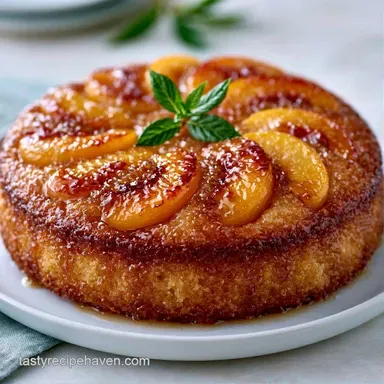
Quick Fresh Peach Cake with Sour Cream
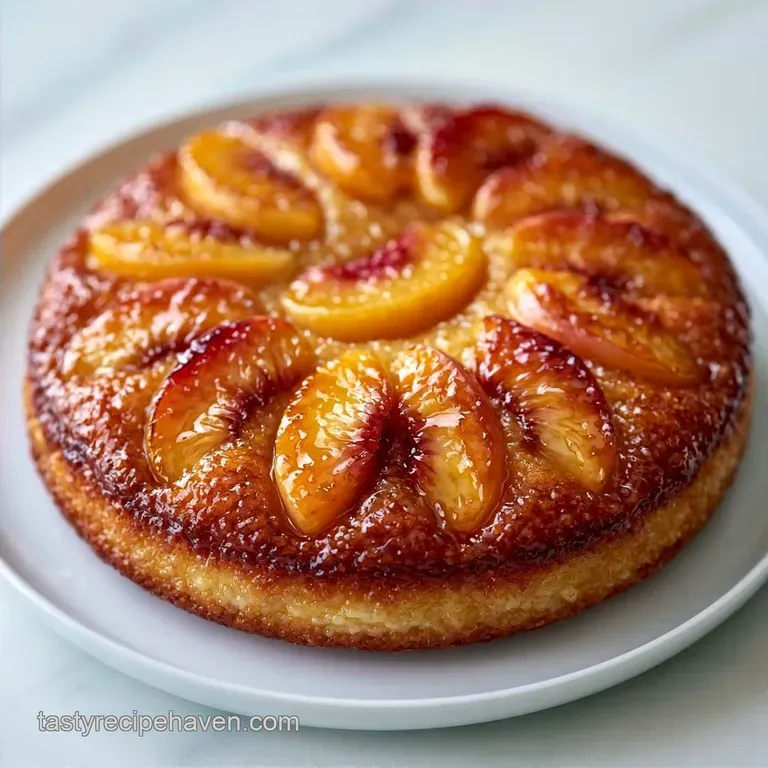
- Time: 20 min active + 50 min baking
- Flavor/Texture Hook: Butter rich crumb with juicy, caramelized peaches
- Perfect for: Summer potlucks or a simple weekend treat
There is nothing quite like the scent of warm cinnamon and bubbling peach juices filling the kitchen in August. When peaches reach that peak ripeness where they almost melt in your palm, it's the ideal moment to start baking.
I've tried recipes that were overly sugary and drowned out the fruit, but the real secret is letting the peaches take center stage.
Using fresh peaches is essential here. Unlike the canned variety, fresh slices maintain their structure and offer a zesty, bright contrast to the rich, buttery base. Be careful with your selection: fruit that is too firm remains chunky, while overripe slices simply disappear.
Aim for peaches that are highly fragrant and yield slightly when pressed.
This recipe doesn't require any complex skills; instead, it uses a balanced ratio of fats and acids to achieve a soft, velvety consistency. Embrace the rustic, home baked aesthetic it doesn't matter if the peaches shift around while in the oven. The goal is a cozy farmhouse look, not clinical perfection.
Why This Cake Actually Works
Sour Cream Addition: The fat and acidity break down the gluten, which prevents the cake from getting tough.
Sugar Coating: Tossing peaches in cinnamon sugar absorbs excess moisture so the fruit doesn't sink to the bottom.
Choosing between fresh and canned fruit changes the whole vibe of the dessert. Fresh fruit gives you a bright, tart pop, while canned is more like a syrup heavy preserve.
| Feature | Fresh Peaches | Canned Peaches |
|---|---|---|
| Fruit Texture | Firm and juicy | Soft and syrupy |
| Flavor Profile | Tart and bright | Concentrated sweetness |
| Prep Effort | Peeling/Slicing required | Drain and slice |
If you're looking to change the result based on your goals, use this quick guide.
| Goal | What to change |
|---|---|
| More tartness | Add 1 tsp lemon juice to peaches |
| Crunchier top | Sprinkle sliced almonds on top |
| Denser crumb | Reduce baking powder by 1/2 tsp |
What Each Ingredient Does
Knowing the purpose of each ingredient helps you choose the best alternative if you're missing something in your kitchen.
| Ingredient | Role | If You Don't Have It |
|---|---|---|
| All Purpose Flour | Structure | 1:1 GF blend (add 1/4 tsp xanthan gum) |
| Sour Cream | Tenderness | Full fat Greek yogurt |
| Baking Powder | Lift | 1/4 tsp baking soda + 1/2 tsp cream of tartar |
| Unsalted Butter | Flavor/Moisture | Coconut oil (solidified) |
To get the most consistent rise, I recommend using a basic [all purpose flour](https://www.kingarthurbaking.com/products/all-purpose flour). The protein in AP flour offers enough strength to suspend the peaches without making the cake feel too bready.
Ingredients and Substitutions
For the Cake Base:
- 2 cups (250g) all purpose flourNote: Offers a stable and sturdy structure
- 1 cup (200g) granulated sugarNote: Sweetens the batter without excess moisture
- 1 tbsp (12g) baking powderNote: Provides a reliable, uniform rise
- ½ tsp (3g) saltNote: Offsets the sugar
- ½ cup (113g) unsalted butter, softenedNote: Brings a rich, creamy essence
- ½ cup (120g) full fat sour creamNote: Produces a moist and tender crumb
- 2 large eggs, room temperatureNote: Binds the ingredients and helps it lift
- 1 tsp (5ml) vanilla extractNote: Lends a warm, aromatic quality
For the Peach Layer:
- 3 cups (450g) fresh peaches, peeled and slicedNote: Fresh fruit adds a tangy contrast
- 2 tbsp (25g) brown sugarNote: Helps the fruit caramelize
- ½ tsp (1g) ground cinnamonNote: Pairs perfectly with the peaches
- 1 tbsp (15g) melted butterNote: Makes the cinnamon sugar cling to the slices
Tools for the Job
No fancy gear is required for this recipe. A springform pan or a standard 9 inch round cake pan will do. While I prefer using a stand mixer like a KitchenAid for the batter, an electric hand mixer is a great alternative. You'll also need a whisk for the dry ingredients and a medium bowl to toss the peaches.
Be sure to line the bottom of the pan with parchment paper to prevent the sugars in the peaches from sticking.
Key Steps for Baking
1. Prepping the Pan and Dry Base
Get your oven hot at 350°F (175°C). Grease your 9 inch pan with melted butter and line the bottom with parchment paper. In a large bowl, whisk together the flour, granulated sugar, baking powder, and salt. Whisk for about 30 seconds until there are no clumps.
2. Emulsifying the Wet Ingredients
Add the softened butter, sour cream, eggs, and vanilla extract directly into the flour mixture. Beat on medium speed for 2 minutes. Stop as soon as the batter is smooth and pale. Overmixing at this stage will develop too much gluten and make the cake tough.
3. Layering the Fresh Peaches
In a separate small bowl, toss the sliced peaches with brown sugar and cinnamon. Stir until the fruit is glistening. Spread about two thirds of the batter into your prepared pan. Arrange half of the peaches in a circular pattern on top.
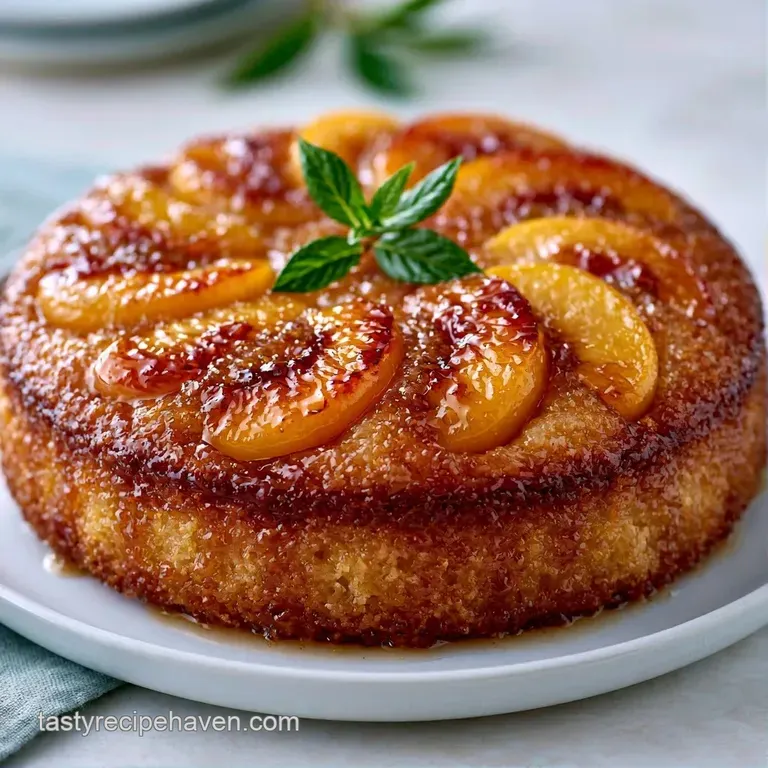
Cover with the remaining batter, then press the rest of the peaches in, creating a shingled look.
4. Baking to Golden Brown
Slide the pan onto the center rack. Bake for 45–55 minutes. You'll know it's done when the edges are mahogany gold and a toothpick in the center comes out clean. Let it cool in the pan for 10 minutes before moving it to a wire rack.
Fixing Common Problems
If your cake didn't turn out quite right, it usually comes down to moisture or temperature. Peaches can be unpredictable depending on the variety. According to USDA FoodData, the water content in fresh stone fruits varies, which can affect the batter consistency.
Fixing a Sinking Center
This often happens if the oven door is opened too early, letting the heat escape. It can also occur if the peaches were too wet, weighing down the center of the cake.
Fixing a Dense Crumb
Overmixing the batter is the most likely culprit. Once the flour disappears, stop the mixer. If you beat it for 5 minutes instead of 2, you'll get a bread like texture.
Dealing with Burnt Edges
If the edges brown too fast while the middle is raw, your oven might be running hot. Try lowering the temp by 10 degrees or tenting the cake with foil for the last 15 minutes.
| Problem | Root Cause | Solution |
|---|---|---|
| Sinking center | Oven door opened too soon | Don't open until 30 mins in |
| Dense texture | Overmixing the batter | Stop mixing once flour is gone |
| Soggy bottom | Excess fruit moisture | Toss peaches in sugar first |
| Burnt edges | Oven temperature too high | Tent with foil or lower heat |
Dietary Adaptations
For a gluten-free version, use a 1:1 almond and rice flour blend. Note that the cake will be slightly denser and may need an extra 5 minutes in the oven. If you want a dairy-free option, coconut cream works as a substitute for sour cream, though it adds a slight coconut flavor.
If you love this fruit profile but want something more rustic, you might enjoy my Crisp Dessert with Oats recipe. It replaces the cake base with a crunchy crumble, which is great if you're not in the mood for a full cake.
For those who prefer a lighter, airier sponge, I've got a Sponge Cake for 12 recipe that uses whipped eggs for more lift. This Quick Fresh Peach Cake is more of a "snack cake" style, making it better for casual coffee dates.
Freezing and Reheating Guide
Store leftovers in a plastic tub at room temperature for 2 days or in the fridge for up to 5 days. I find that the flavor actually improves on day two as the peach juices soak further into the crumb.
To freeze, wrap individual slices in parchment paper and place them in a freezer bag for up to 3 months. When you're ready to eat, thaw at room temperature or zap a slice in the microwave for 15 seconds. This restores the butter's softness.
If you're looking for other ways to use your summer harvest, a Pie for 8 Servings recipe is another solid choice that freezes surprisingly well.
For zero waste, don't toss the peach peels. You can simmer them with a bit of sugar and water to create a simple peach syrup for pancakes or cocktails.
Serving Suggestions
This Quick Fresh Peach Cake is great on its own, but a dollop of whipped cream or a scoop of vanilla bean ice cream makes it feel like a restaurant dessert. If you want something more sophisticated, drizzle a little bit of salted caramel over the top while the cake is still warm.
Serve it warm for a comforting vibe or chilled for a refreshing summer snack. Because of the sour cream, the cake holds up well even when served cold, making it a great option for outdoor gatherings where you can't keep things in the oven.
Right then, you've got everything you need to get this in the oven. Trust me, the house will smell like a dream. Let's crack on and get baking!
Recipe FAQs
Can I use canned peaches instead of fresh?
No, stick with fresh. Canned versions are often too syrup heavy, whereas fresh slices hold their shape and provide a bright, acidic contrast to the batter.
How to keep the peach slices from sinking?
Toss the slices in brown sugar and cinnamon. This coating absorbs excess moisture so the fruit stays in place during baking.
Which other desserts pair well with sliced peaches?
Try tarts, crisps, or coffee cakes. If you loved the tender crumb here, see how the same fat-to-acid ratio works in our applesauce coffee cake.
Is it true that you must peel peaches for this cake?
False. Leaving the skins on adds a rustic charm and more flavor, though peeling is preferred for a more refined texture.
What is the best way to keep the cake moist?
Cover it loosely at room temperature. The addition of sour cream ensures a tender crumb that remains moist without needing refrigeration.
Quick Fresh Peach Cake