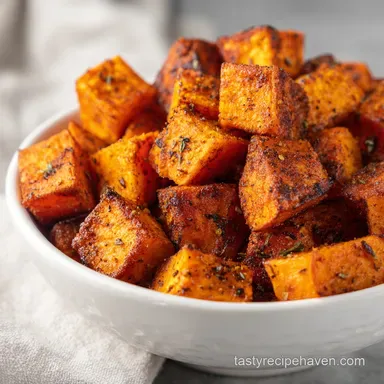
Roasted Sweet Potatoes: Perfectly Crispy
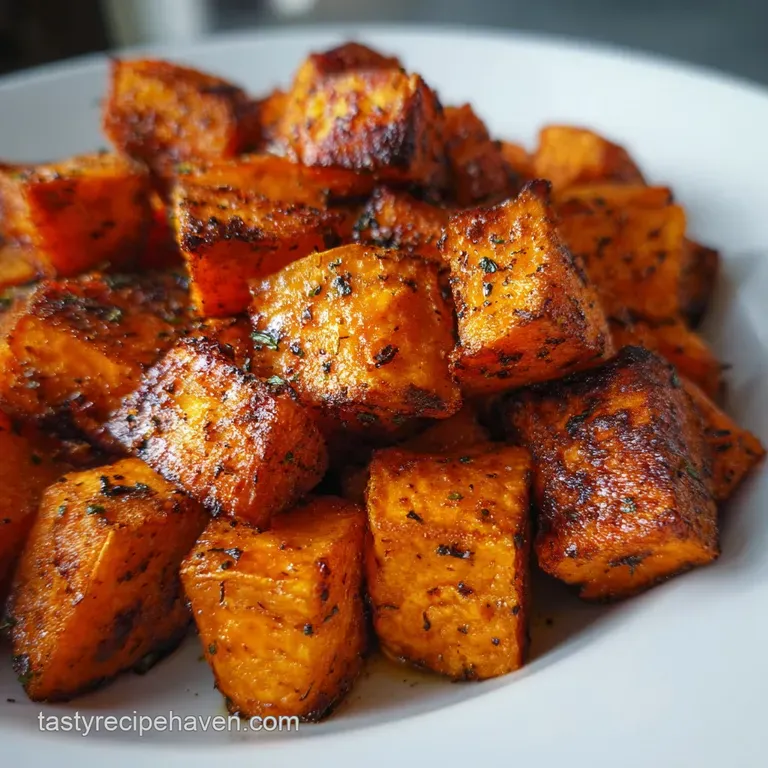
- Time: Active 10 mins, Passive 25 mins, Total 35 mins
- Flavor/Texture Hook: Smoky, caramelized edges with a pillowy soft interior
- Perfect for: Stress free weeknight dinners or meal prep basics
- Achieving Crispy Roasted Sweet Potatoes Every Time
- High Heat Caramelization Science
- Ingredient Deep Dive Analysis
- Essential Gear for Success
- Detailed Roasting Process Guide
- Solving Common Texture Issues
- Creative Flavor Variation Ideas
- Simple Scaling Guidelines
- Shattering Common Roasting Myths
- Storage and Repurposing Tips
- Ideal Side Dish Pairings
- Roasted Sweet Potatoes FAQs
- 📝 Recipe Card
Achieving Crispy Roasted Sweet Potatoes Every Time
There is a specific sound a sharp, dry scrape of the spatula against the baking sheet that tells me I’ve finally won the battle against the dreaded "soggy cube." For years, I struggled with diced sweet potatoes in oven attempts that turned out mushy, limp, and frankly, disappointing.
I used to think adding more oil was the answer, but all I ended up with was greasy orange blocks that lacked that satisfying "snap."
Everything changed when I stopped treating them like boiled potatoes and started treating them like a over high heat sear. I remember pulling a tray out of the oven three years ago, hearing that faint sizzle, and seeing the edges charred just enough to look like lace.
That’s the moment I realized the secret isn't in the seasoning, but in the physics of the pan. Now, this is the only way I make them for my family.
We’ve all been there: you’re rushing to get dinner on the table, you toss some sweet potatoes in oven racks, and they come out looking pale and sad. It’s frustrating when a simple side dish feels like a gamble.
But trust me on this once you master the ratio of surface area to heat, you’ll never go back to those steamed textured versions again. We’re going for a texture that shatters when you bite it.
High Heat Caramelization Science
The secret to these roasted sweet potatoes lies in three specific scientific reactions that occur simultaneously when the heat is high enough. If the oven isn't hot enough, the internal moisture turns to steam before the outside can brown, leading to that mushy texture we all want to avoid.
- Surface Evaporation: High heat rapidly dries the exterior of the cube, allowing the surface starch to form a rigid, crispy shell.
- Maillard Reaction: At 400°F, the natural sugars and amino acids react to create deep, complex flavors and that characteristic dark brown color.
- Starch Gelatinization: While the outside crisps, the internal starches absorb the potato's own moisture, turning the inside into a velvety mash.
| Method | Time | Texture | Best For |
|---|---|---|---|
| Oven Roasting | 25 mins | Shatter crisp edges, soft middle | Maximum flavor and hands off cooking |
| Stovetop Sauté | 15 mins | Evenly browned, firmer bite | Quick meals where oven space is limited |
| Air Fryer | 18 mins | Extreme crunch, slightly drier | Small batches and ultimate crispiness |
Choosing the right method depends on your goals for the evening. While the stovetop is faster, it requires constant attention to prevent burning. The oven method allows the heat to circulate around all sides of the 1/2 inch cubes, creating a more consistent result for a larger crowd. If you are looking for a great pairing, these potatoes go beautifully with my Grilled Brussel Sprouts Recipe.
Ingredient Deep Dive Analysis
Understanding your components makes you a better cook because you stop following recipes blindly and start making adjustments based on how the ingredients behave. For this dish, the fat and the starch are the main characters, while the spices provide the supporting narrative.
| Ingredient | Science Role | Pro Secret |
|---|---|---|
| Avocado Oil | High Smoke Point | Stays stable at 400°F without smoking or tasting bitter |
| Kosher Salt | Moisture Extraction | Draws out surface water to help the Maillard reaction start faster |
| Smoked Paprika | Flavor Depth | Adds a "charred" aroma even if the potatoes aren't physically burnt |
For the best results, use 2 lbs of sweet potatoes, diced into 1/2 inch cubes. You'll need 2 tbsp of avocado oil, 1 tsp of kosher salt, 1/2 tsp of cracked black pepper, 1/2 tsp of garlic powder, and 1/4 tsp of smoked paprika. This combination provides a savory base that balances the natural sweetness of the potatoes.
Chef's Tip: Freeze your dicing knife for 5 minutes before cutting the potatoes. The cold blade slices through the dense starch more cleanly, preventing the "sticking" that often leads to uneven cubes.
Essential Gear for Success
You don't need a kitchen full of gadgets for this, but the quality of your sheet pan matters more than you think. A thin, flimsy pan will warp in a 400°F oven, causing the oil to pool in one corner and leaving half your potatoes dry and the other half greasy.
- Heavy Duty Half Sheet Pan: Look for rimmed aluminum. It conducts heat evenly and won't buckle under high temperatures.
- Sharp Chef's Knife: Essential for getting those 1/2 inch cubes consistent. Uniform size means uniform cooking.
- Large Mixing Bowl: Don't season on the pan. You need a bowl to ensure every single cube is slick with oil and spices.
Using the right tools ensures that the potatoes in oven heat up at the same rate. If you use a glass baking dish, the sides will steam rather than roast, and you'll lose that "shatter" factor. Stick to metal for the best crust. While the potatoes roast, you might want to whip up another easy side like this Cream Cheese Corn recipe for a full spread.
Detailed Roasting Process Guide
- Preheat the oven. Set your temperature to 400°F. Note: A fully preheated oven is non negotiable for immediate surface searing.
- Prep the potatoes. Wash 2 lbs of sweet potatoes and pat them completely dry. Note: Water on the skin creates steam, which kills the crunch.
- Dice the cubes. Cut into 1/2 inch pieces. Check that they are uniform so they finish cooking at the exact same time.
- Whisk the coating. In a large bowl, combine 2 tbsp avocado oil, 1 tsp kosher salt, 1/2 tsp pepper, 1/2 tsp garlic powder, and 1/4 tsp smoked paprika.
- Toss thoroughly. Add the potatoes to the bowl and use your hands to coat them. Note: Your hands ensure the spices reach every nook and cranny.
- Arrange the pan. Spread the cubes on a sheet pan in a single layer. Ensure no potatoes are touching to allow air circulation.
- Roast the first side. Slide the pan into the oven for 15 minutes until the bottoms are deeply golden.
- Flip and finish. Use a wide spatula to turn the cubes. Bake for another 10 minutes until the edges are charred and the centers are tender.
- Rest briefly. Let the potatoes sit on the hot pan for 2 minutes before serving. Note: This allows the crust to set and makes them easier to remove.
Solving Common Texture Issues
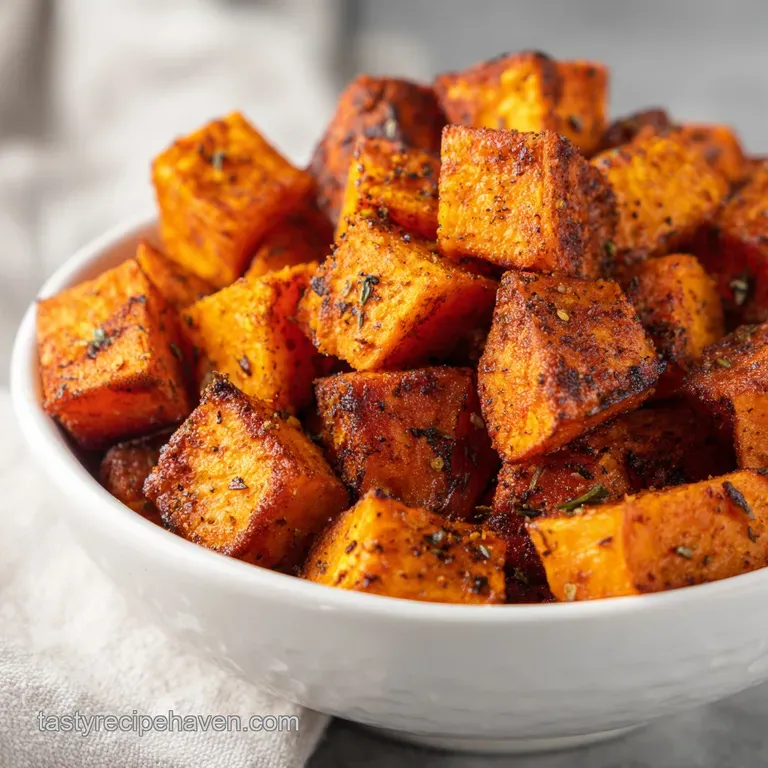
Even with a solid plan, things can go sideways. The most common complaint with sweet potatoes in oven cooking is the lack of browning. Usually, this isn't a temperature problem; it's a crowding problem.
If you put too many potatoes on one pan, they release moisture that can't escape, effectively boiling them in their own juices.
Why Your Potatoes Are Mushy
This happens when moisture is trapped. If you didn't pat the potatoes dry after washing, or if you used a silpat (silicone mat), the bottoms won't get that direct metal heat needed for a crust. Silicone is an insulator; for the best crunch, go directly onto the metal pan or use parchment paper.
| Problem | Root Cause | Solution |
|---|---|---|
| Soggy Centers | Overcrowded pan | Use two pans or roast in batches to ensure air flow |
| Burnt Spices | Garlic powder scorched | Toss spices with oil first to "insulate" them from direct heat |
| Uneven Browning | Inconsistent dicing | Ensure cubes are exactly 1/2 inch for uniform heat contact |
I once made the mistake of trying to cook 4 lbs of potatoes on a single tray. They ended up a literal pile of mash. Now, I always split the load. If you're struggling with the results, run through this checklist before your next batch:
- ✓ Pat potatoes bone dry with a kitchen towel before dicing.
- ✓ Preheat the baking sheet inside the oven for 5 minutes before adding the potatoes.
- ✓ Ensure there is at least a 1/4 inch gap between each cube.
- ✓ Avoid using low smoke point oils like extra virgin olive oil at 400°F.
- ✓ Use a metal spatula to flip, which helps scrape up the caramelized bits.
Creative Flavor Variation Ideas
Once you have the base technique down, you can start experimenting with the flavor profile. The natural sweetness of the potato is a blank canvas. I often lean toward savory, but a little heat or even a bit of acid can transform the dish entirely.
- Smoky Heat: Double the smoked paprika and add 1/4 tsp of cayenne pepper.
- Herbaceous: Toss with fresh rosemary and thyme in the last 5 minutes of roasting.
- Maple Glazed: Drizzle 1 tbsp of maple syrup over the potatoes only in the final 3 minutes (any earlier and the sugar will burn).
If you want to try different fats, you can swap the avocado oil for ghee or duck fat. Duck fat, in particular, creates an incredibly flaky, crispy skin that is almost impossible to achieve with vegetable oils.
| Original Ingredient | Substitute | Why It Works |
|---|---|---|
| Avocado Oil | Ghee (Melted) | Higher smoke point than butter with a rich, nutty aroma |
| Smoked Paprika | Chili Powder | Provides a similar earthy color but with a more complex spice blend |
| Garlic Powder | Fresh Garlic | Note: Must be added in the last 5 mins to prevent bitter burning |
Simple Scaling Guidelines
When you're cooking for a crowd or just for one, you can't just multiply everything linearly. If you double the recipe to 4 lbs of potatoes, you must use two separate baking sheets. If you try to stack them, you'll end up with steamed potatoes instead of roasted ones.
For small batches (1/2 lb), reduce the cooking time by about 5 minutes, as the smaller thermal mass will heat up much faster. When scaling up spices, I recommend only increasing the salt and pepper to 1.5x the original amount first, then tasting. Spices can become overwhelming when doubled exactly.
| Servings | Potato Weight | Pan Size | Total Oil |
|---|---|---|---|
| 2 People | 1 lb | 9x13 metal pan | 1 tbsp |
| 4 People | 2 lbs | 18x13 half sheet | 2 tbsp |
| 8 People | 4 lbs | Two half sheets | 4 tbsp |
If you are doubling the recipe for a holiday dinner, remember that your oven temperature might drop more significantly when you open the door to put in two cold pans. Give it an extra 2-3 minutes of roasting time to compensate for that heat loss.
Shattering Common Roasting Myths
One of the biggest myths is that you need to soak sweet potatoes in water to get them crispy, similar to French fries. While this works for white potatoes to remove surface starch, sweet potatoes have a different sugar to starch ratio.
Soaking them actually adds internal moisture that makes it harder to get a crispy exterior in a standard oven. Skip the soak.
Another misconception is that you need to peel them for the best texture. The skin of a sweet potato is incredibly thin and, when roasted at 400°F, it becomes almost paper like and adds a wonderful earthy flavor.
As long as you scrub them well, leaving the skin on actually helps the cube hold its shape and adds a bit of extra fiber to the dish.
Storage and Repurposing Tips
Roasted sweet potatoes are a meal prep hero. You can keep them in an airtight container in the fridge for up to 5 days. To keep them from getting mushy, let them cool completely on the counter before putting the lid on. If you trap the steam in the container, they will lose all that hard earned crispiness.
- Freezing: You can freeze these for up to 3 months. Freeze them in a single layer on a tray first, then transfer to a bag. This prevents them from clumping into one giant block.
- Reheating: Never use the microwave if you want them crispy again. Put them back in a 400°F oven or an air fryer for 5 minutes.
- Zero Waste: If you have leftovers that have gone soft, mash them up and use them as a binder for black bean burgers or stir them into a morning oatmeal bowl with some cinnamon.
Don't toss the small "shards" left on the pan! Those tiny, extra burnt bits are packed with flavor. I like to save them and sprinkle them over a salad like croutons. They add a smoky, salty crunch that is better than anything you can buy in a bag.
Ideal Side Dish Pairings
These potatoes are versatile enough to sit alongside almost any protein. Their smoky sweetness cuts through the richness of a roasted chicken or a pan seared steak. If you're keeping things vegetarian, they are the perfect base for a grain bowl with quinoa, kale, and a tahini dressing.
For a classic weeknight vibe, serve them with a simple green salad and a piece of grilled salmon. The acidity in a lemon vinaigrette perfectly balances the earthy notes of the smoked paprika.
Honestly, don't even bother with fancy sauces; a little extra sprinkle of flaky sea salt right before serving is all they really need to shine. If you're doing a big Sunday dinner, they fit right in next to a heavy casserole or a pile of sautéed greens.
Roasted Sweet Potatoes FAQs
How long do sweet potato cubes take in the oven?
Around 25 minutes. Dice them into 1/2 inch cubes and roast at 400°F, flipping halfway through, until tender and caramelized.
How long does it take diced potatoes to get soft in the oven?
About 20-25 minutes for sweet potatoes. Ensure they are diced uniformly and spread in a single layer for even cooking and softness without mushiness.
What is the best temperature for baking sweet potatoes?
400°F (200°C) is ideal. This high heat promotes rapid surface evaporation and the Maillard reaction for crispy edges and a tender interior.
Should I bake potatoes at 350 or 400?
Definitely 400°F. Baking at 350°F often leads to steaming rather than roasting, resulting in a softer, less caramelized potato. High heat is key for that desirable crispy texture.
Do I need to peel sweet potatoes before roasting?
No, you don't have to. Scrubbed sweet potato skins are thin and edible, becoming tender and slightly crispy when roasted, adding flavor and fiber. Leaving them on helps the cubes hold their shape better.
Why are my roasted sweet potatoes mushy?
Likely due to overcrowding the pan or insufficient heat. When packed too tightly, sweet potatoes steam instead of roast, trapping moisture. Ensure a single layer and a hot oven (400°F) for crispiness.
Can I make roasted sweet potatoes ahead of time?
Yes, they store well for meal prep. Let them cool completely before refrigerating in an airtight container for up to 5 days. For reheating, use an oven or air fryer at 400°F for 5 minutes to regain crispness; avoid the microwave.
Roasted Sweet Potatoes