Cherry Tomato Recipes: the Ultimate Slow Roasted Confit
- The Ultimate Slow-Roasted Cherry Tomato Confit Recipe
- The Science of Flavor: Why Slow-Roasting Changes Everything
- Essential Ingredients for Superior Cherry Tomato Recipes
- Preparing and Roasting Your Confit: A Simple Guide
- Troubleshooting Tomato Confit: Expert Tips and Avoiding Pitfalls
- Storing Your Confit: Maximizing Freshness and Shelf Life
- Recipe FAQs
- 📝 Recipe Card
The Ultimate Slow Roasted Cherry Tomato Confit Recipe
Okay, friend, stop what you are doing. If you’ve never experienced the smell of slow roasted cherry tomato confit bubbling away in your oven, you are truly missing a vital sensory experience.
The aroma is pure, concentrated Italian vacation; imagine sweet, jammy tomatoes melting alongside fragrant garlic and herbaceous olive oil. It’s intoxicating, honestly.
This method transforms humble, fresh cherry tomato recipes into something sophisticated and addictive with zero stress. It’s the ultimate lifesaver for those days when you need an effortlessly elegant appetiser that costs practically nothing.
Plus, if you have a bumper crop of tomatoes in summer, this is the best way to preserve that incredible flavour!
So, ditch those sad, watery roasted cherry tomato sauce recipes you see everywhere. We are going low, we are going slow, and we are going to make the kind of oil that you will want to save and drink later. Let's crack on with making the best Roasted Cherry Tomato Confit you've ever had.
The Science of Flavor: Why Slow Roasting Changes Everything
What Makes Confit Tomatoes So Addictive?
Confit (pronounced kon-FEE ) simply means cooking something slowly in fat, usually oil. When you apply this technique to cherry tomatoes, you aren't actually frying them; you are slowly replacing their internal water content with rich olive oil.
This process concentrates the natural sugars and acids inside the tomato. The result is a profoundly sweet, intense, and surprisingly jammy texture. It's brilliant.
Why Cherry Tomato Recipes Excel in Mediterranean Cooking
Mediterranean cooking is all about utilizing incredible, seasonal ingredients with minimal fuss. These cherry tomato recipes use a massive amount of olive oil but that's the point. It's the vessel for the flavour. By treating the tomatoes this way, they become a foundational component, perfect for tossing into simple pasta dishes or serving alongside other bright mezzes, like my beloved Greek Recipes: Authentic Spanakopita Pie with Feta Dill .
An Effortlessly Elegant Starter: Burrata's Perfect Pairing
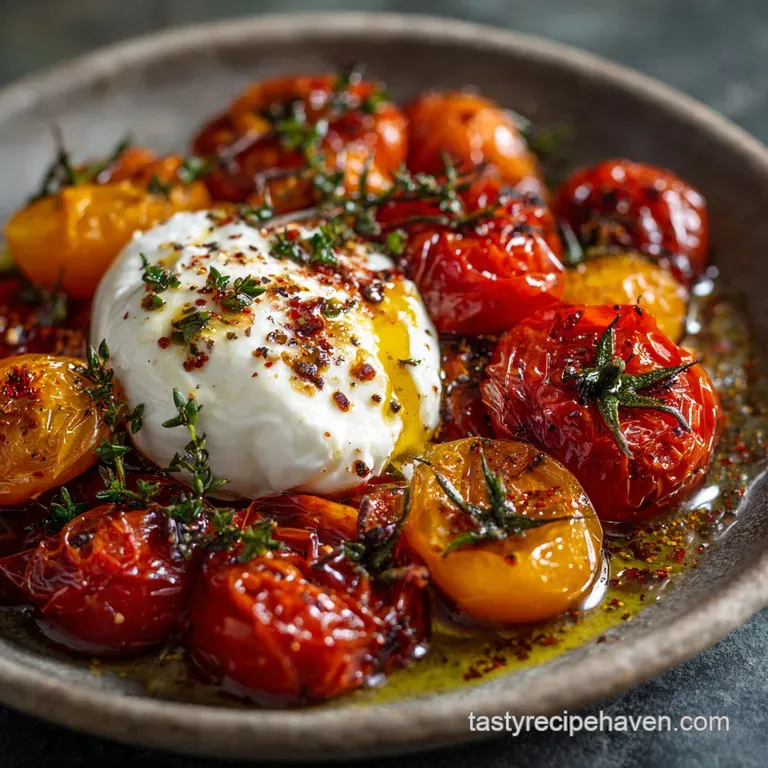
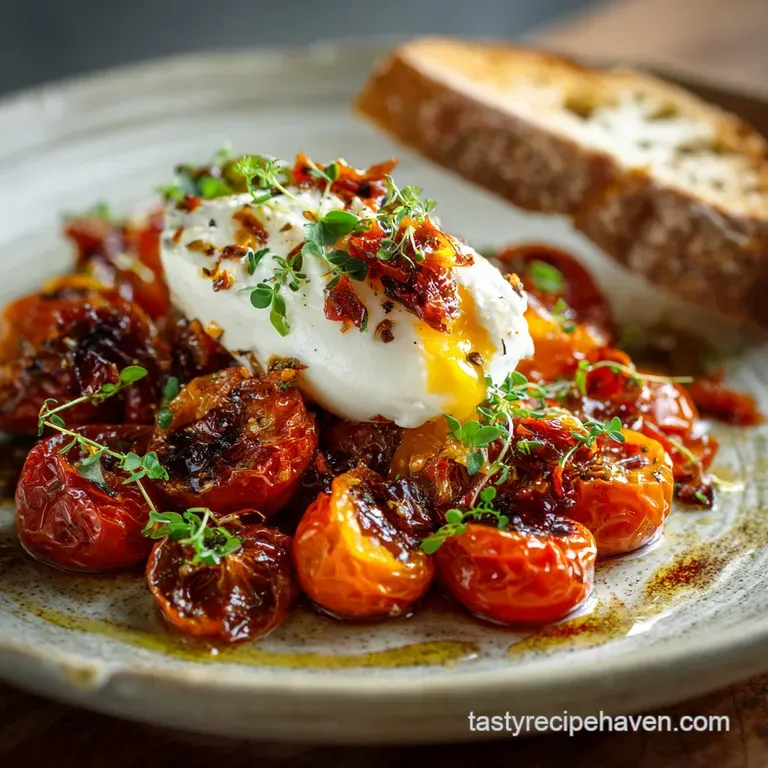
Burrata is mozzarella's creamy, messy, much cooler cousin. The contrasting textures here are what sell the dish: the warm, syrupy, acidic tomato confit poured over the cool, mild, and incredibly creamy burrata. You just need some crusty bread to scoop it up. It’s incredibly satisfying.
Caramelization vs. Dehydration: Achieving the Jammy Texture
You want dehydration here, not quick browning. If you roast these tomatoes at 400°F, they will char and burn the garlic before they have a chance to release and concentrate their sweetness.
We are aiming for a soft, wrinkled skin and a melting interior, which only happens below the boiling point of water, keeping that crucial heat low.
Maximizing Flavor Extraction with Quality Olive Oil
I cannot stress this enough: do not use cheap oil here. Since the oil is part of the final dish and acts as a preservative, its flavour profile will define your confit. Spend the extra few dollars on a fruity, cold pressed Extra Virgin Olive Oil.
It makes a huge, noticeable difference, especially when you are making homemade cherry tomato sauce or dipping crusty bread in the leftovers.
Balancing Sweetness and Tang in Tomato Confit
The low heat encourages the tomatoes' sugars to caramelise slowly, but you need acidity to balance that sweetness. That’s why we use fresh, high-quality olive oil and plenty of coarse salt. A little bit of fresh rosemary or oregano helps cut through the richness, preventing the final flavour from feeling heavy.
Essential Ingredients for Superior Cherry Tomato Recipes
Every ingredient plays a role, and yes, you can swap things out, but respect the quality!
Selecting the Best Cherry Tomato Varieties (Grape vs. Sungold)
Honestly, any small, sweet tomato works, but I prefer Grape or Sungold varieties for this. Grape tomatoes hold their shape a little better, which is great for texture contrast. Sungolds are ridiculously sweet and create a more intense, candy like confit.
Just make sure they are firm and ripe mushy tomatoes will turn to paste too quickly.
Building the Aromatic Base: Garlic, Thyme, and Rosemary
You need a hearty amount of aromatics to infuse that oil. I use six large garlic cloves, lightly smashed, because they become incredibly mellow and sweet after roasting. I throw in fresh rosemary or thyme sprigs, too. The dried oregano offers a deeper, earthier background note.
Vegan Alternatives and Swapping Burrata for Fresh Mozzarella or Feta
| Ingredient | Why It's Important | Viable Substitution |
|---|---|---|
| Cherry Tomatoes | Essential structure and sweetness. | Small, peeled Roma tomatoes (dicing large Romas is fine too). |
| EVOO | The cooking medium and final sauce. | high-quality avocado oil (for a neutral flavour, but less rich). |
| Garlic | Aromatic sweetness after roasting. | Shallots, sliced thinly, or spring onions. |
| Burrata Cheese | Cool, creamy counterpoint to the hot confit. | Fresh mozzarella, creamy goat's cheese, or a high-quality cashew based vegan mozzarella. |
Preparing and Roasting Your Confit: A Simple Guide
This is where the magic happens, but remember: low and slow is the mantra.
Prepping the Tomatoes and Arranging the Oil Bath
Rinse those fresh cherry tomato recipes and make sure they are totally dry; water is the enemy of confit. I like to halve about two-thirds of the tomatoes so the oil can penetrate easily, leaving the rest whole so they burst and release their juice naturally during cooking.
Layer everything tomatoes, smashed garlic, herbs, and seasonings in a shallow baking dish, then pour that good olive oil over the top until everything is submerged or nearly covered.
Low and Slow: Optimal Oven Temperature and Roasting Time
Set your oven to 275°F (135° C) . Trust me, it feels wrong, but it's right. Pop the dish in and walk away for 60 to 75 minutes.
You'll know it’s ready when the tomatoes are shriveled, deeply wrinkled, and look beautifully jammy, sinking slightly into the golden oil. The kitchen will smell glorious, which is always the best sensory cue.
Cooling and Jarring: Infusing the Oil Further
When the confit comes out, let it sit on the counter for 10- 15 minutes. This cooling time allows the tomatoes to further absorb the infused flavours from the garlic and herbs. The oil will thicken slightly as it cools, transforming into liquid gold. Never discard that oil.
Strain the remnants into a clean jar it’s excellent for making a quick, gourmet salad dressing.
Troubleshooting Tomato Confit: Expert Tips and Avoiding Pitfalls
I once tried to speed this up by raising the heat to 350°F. The tomatoes charred instantly, and the garlic turned bitter. Learn from my mistake!
The Mistake of Using Too High Heat (Risk of Charring)
As mentioned, high heat kills the confit process. The goal is flavor concentration, not rapid cooking. If you see the tomatoes browning quickly, your oven is too hot. Turn it down immediately or move the pan to a lower rack. Don’t rush the slow roasted cherry tomato confit process.
The Salt Strategy: When and How to Season Properly
Salt is crucial for drawing out moisture and enhancing flavour, so season the tomatoes before they go into the oil bath. However, you must always finish the dish with a sprinkle of flaky sea salt (like Maldon) after plating.
This gives you a lovely textural pop and brightens the final taste profile.
Maximizing Infusion: Crushing Garlic Cloves Post Roast
Chef's Note: After the tomatoes are cooked, gently press the roasted garlic cloves into the warm oil using the back of a spoon. They are now soft and sweet, and crushing them releases their intense, caramelised flavour right into the oil bath, making the finished confit even richer.
Storing Your Confit: Maximizing Freshness and Shelf Life
Refrigeration Safety: Storing Tomatoes Submerged in Oil
This is critical. Because we are storing garlic and cooked, low-acid vegetables in oil, there is a risk of botulism if stored improperly. Always store your confit in a clean, airtight container, fully submerged in the infused oil, in the refrigerator.
- Fridge Shelf Life: Properly refrigerated, this confit will last safely for up to 10 days. Bring it to room temperature before serving for the best flavour.
- Freezing: Can you freeze it? Yes, but the texture changes. The tomatoes might become a little mushy upon thawing, but the flavour will still be fantastic, especially if you plan to use it as a roasted cherry tomato sauce recipe. Freeze in small portions (without the burrata, obviously).
Canning Considerations for Long Term Preservation
If you want to keep this stable at room temperature for months, you must use proper pressure canning techniques to ensure a safe, low-acid environment. For the average home cook, sticking to refrigeration is the safest and easiest option. Don't risk it!
Elevating Simple Pasta Dishes (Orzo or Spaghetti Aglio e Olio)
The versatility of this slow roasted cherry tomato confit is boundless. The simplest use, and perhaps the best, is tossing it through hot pasta. Just cook some orzo or spaghetti al dente, reserve a little pasta water, and toss everything together with the warm confit and a couple of spoonfuls of the oil.
It creates an incredible, instant, gourmet sauce. You’ve just made a fantastic dinner out of a simple jar of goodness.
Recipe FAQs
Why did my tomatoes dry out instead of staying juicy and becoming jammy?
This issue usually stems from using an oven temperature that is too high or not using enough olive oil. Confit requires low, slow heat (typically 250°F / 120°C) to gently simmer the tomatoes in the oil, ensuring they soften and caramelize rather than just dehydrating.
Make sure the tomatoes are mostly submerged or at least heavily coated in the oil before they go into the oven.
How long can I store the finished Cherry Tomato Confit, and how should I keep it?
When properly sealed and kept fully submerged in the seasoned olive oil, the confit can last safely in the refrigerator for up to 10 days. Always use a clean spoon when scooping to prevent contamination, and allow it to come to room temperature before serving for the best flavor release.
Can I substitute other types of tomatoes for cherry tomatoes in this recipe?
While cherry tomatoes are ideal due to their high skin-to-flesh ratio and intense natural sweetness, you can successfully use grape tomatoes or even small Roma tomatoes cut in half.
If using larger varieties, you must increase the roasting time significantly and accept that the texture may be slightly less ‘jammy’ and more ‘saucy.’
What is the best type of olive oil to use for this confit?
Since the oil becomes an integral and highly flavorful part of the dish, use a high-quality, extra virgin olive oil (EVOO). Avoid oils that are highly bitter or peppery; choose one with a mild, fruity, and balanced profile to complement the resulting sweetness of the caramelized tomatoes and herbs.
Can I speed up the slow roasting process by raising the oven temperature?
It is strongly discouraged to significantly raise the temperature, as this fundamentally changes the result from a rich confit to a simple roast. High heat causes the tomatoes to burst and brown quickly, losing the intense, slow caramelized sweetness and yielding a drier texture.
Sticking to the low and slow method is critical for achieving the desired jammy outcome.
Are there any good serving suggestions besides pairing the confit with Burrata cheese?
Absolutely! The rich umami and sweetness of the confit pair wonderfully when tossed with hot pasta, spooned over grilled fish or chicken, or served as a decadent bruschetta topping. You can also mix a spoonful into scrambled eggs or use it as a flavour base for homemade vinaigrettes.
Can I freeze leftover tomato confit?
Yes, you can freeze the confit, though be aware that the texture might change slightly after thawing, often becoming softer and slightly mushy. To freeze, transfer the confit and its oil to an airtight, freezer safe container, leaving about an inch of headspace, and use it within three months for the best quality.
Slow Roasted Cherry Tomato Confit