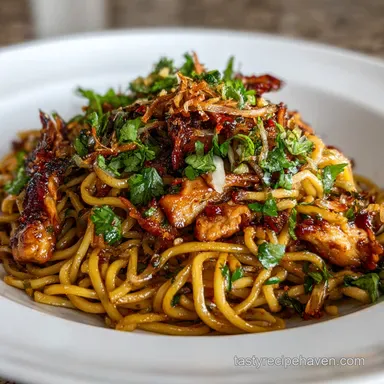
Easy Weeknight Dinner with Sticky Garlic
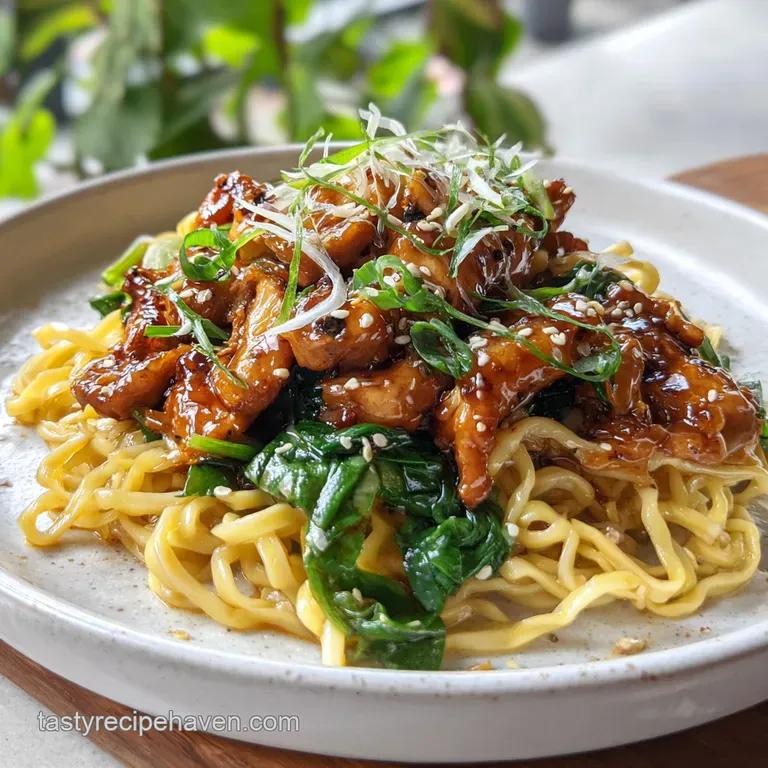
- Time: Active 10 minutes, Passive 10 minutes, Total 20 minutes
- Flavor/Texture Hook: Velvety chicken paired with a shatteringly crisp garlic finish
- Perfect for: Stress free weeknight meals and high protein meal prepping
- Create an Easy Weeknight Dinner with Sticky Garlic
- Science Behind the Perfect Sticky Sauce
- Components for Maximum Umami Flavor
- Simple Gear for Fast Cooking
- Steps for a Fast Dinner
- Fixing Common Chicken Texture Issues
- Simple Ways to Customize Your Bowl
- Scaling the Recipe for Crowds
- Debunking Kitchen Myths
- Storing Your Leftover Chicken
- Garnish Ideas for Extra Crunch
- HIGH in Sodium
- Recipe FAQs
- 📝 Recipe Card
You know those nights when the fridge looks empty, but your brain is craving something that tastes like it came from a professional kitchen? I've been there more times than I can count, staring at a pack of chicken breasts and wondering how to make them interesting without spending an hour at the stove.
This easy weeknight dinner with sticky garlic chicken noodles will become a new family favorite because it relies on a clever technique that makes chicken incredibly tender while delivering a sauce that is thick, glossy, and punchy.
The first time I tried making a weeknight dinner with sticky garlic chicken noodles, I made the classic mistake of overcooking the garlic, which turned the whole dish bitter. I’ve since learned that the secret isn't just in the ingredients, but in the order they hit the pan.
We are looking for that specific moment where the honey bubbles and the soy sauce begins to caramelize, creating a coating that actually stays on the food instead of pooling at the bottom of the bowl.
What I love most about this dinner with sticky garlic chicken noodles is that it uses minimal tools just a single large pan and a pot for the noodles. It’s manageable for a Tuesday night when the kids are doing homework and you’ve got about twenty minutes to get food on the table.
Trust me, once you see how the sauce transforms from a thin liquid into a velvety glaze, you’ll never go back to bottled stir fry sauces again.
Create an Easy Weeknight Dinner with Sticky Garlic
The magic of this meal happens through a process called velveting, where we use cornstarch to create a barrier around the chicken strips. This easy weeknight dinner with sticky garlic chicken noodles relies on that thin coating to trap moisture inside the protein while giving the outside enough texture to grab onto the sauce.
It's the same trick used in your favorite takeout spots, and it's shockingly simple to do at home.
When you're looking for Weeknight Recipes that don't compromise on flavor, the balance of sweet honey and salty soy is your best friend. By the time the noodles hit the pan, the kitchen will smell like toasted ginger and sweet aromatics. It’s a sensory experience that makes the short prep time feel much more rewarding than a standard sheet pan meal.
The Science of Why it Works
Starch Gelatinization: The cornstarch on the chicken absorbs liquid from the sauce as it heats, swelling and forming a thick, translucent gel that binds the honey and soy together.
Maillard Reaction: Searing the chicken at high heat creates hundreds of new flavor compounds through the interaction of proteins and sugars, providing that deep, savory base.
Chef Tip: Grate your fresh ginger while it's still frozen; the fibers break down cleanly, and you won't end up with stringy bits in your sauce.
Science Behind the Perfect Sticky Sauce
Understanding how a few simple liquids turn into a thick glaze is the key to mastering this weeknight dinner with sticky garlic chicken noodles. If we just threw soy sauce and honey into a pan, they would stay separate for a long time.
However, by adding the cornstarch coated chicken, we introduce a thickening agent that acts as a bridge. This creates a cohesive sauce that has enough body to coat the udon or ramen perfectly.
The ginger and garlic aren't just there for smell; they provide essential oils that infuse the fats in the pan. If you enjoy starting your evening with a little snack, this meal pairs beautifully after a light Appetizer Recipe with whipped goat cheese. The acidity from the cheese helps prime your palate for the rich, salty notes of the chicken.
| Ingredient | Science Role | Pro Secret |
|---|---|---|
| Honey | Hygroscopic Sweetener | Bubbles at high heat to signal caramelization has begun. |
| Cornstarch | Amylopectin Source | Creates a "velvety" barrier that prevents chicken from drying out. |
| Rice Vinegar | Acid Catalyst | Breaks the heavy sweetness of honey for a balanced profile. |
| Soy Sauce | Glutamate Bomb | Provides the essential salt and umami base for the entire dish. |
When the honey hits the hot oil, it undergoes a mild form of pyrolysis, where the sugars break down and develop a complex, toasted flavor. This is why the sauce tastes "darker" and more intense than the raw ingredients suggest.
Keep a close eye on the pan; you want the sauce to be thick enough to leave a trail when you run a spatula through it.
Components for Maximum Umami Flavor
Selecting the right ingredients for your dinner with sticky garlic chicken noodles is about balancing the four pillars of flavor: salt, sweet, acid, and heat. We use low sodium soy sauce because it allows us to control the saltiness without the sauce becoming overwhelming as it reduces.
If you use full sodium soy, the reduction process might make the dish too salty to enjoy.
- 1.5 lbs chicken breast: Sliced into 1 cm strips for rapid, even cooking.
- 1 tbsp cornstarch: Essential for the velveting technique.
- 0.5 tsp kosher salt & black pepper: Basic seasoning to build the foundation.
- 6 cloves garlic: Freshly minced; avoid the pre chopped jarred stuff for better aroma.
- 1 tbsp fresh ginger: Grated finely to melt into the glaze.
- 0.33 cup soy sauce: The primary source of liquid and savory depth.
- 0.25 cup honey: Provides the "stickiness" and balances the salt.
- 1 tbsp rice vinegar: Adds a bright finish to the heavy sauce.
- 1 tsp red chili flakes: Just enough heat to wake up the taste buds.
- 10 oz dried noodles: Ramen or Udon work best for gripping the sauce.
- 2 tbsp neutral oil: Grapeseed or canola handles the high searing heat well.
- 1 tbsp toasted sesame oil: A finishing oil used for its nutty scent.
- 3 green onions: Sliced on a bias for a fresh, crunchy garnish.
- 1 tbsp toasted sesame seeds: Added at the end for texture and visual appeal.
If you find yourself missing an ingredient, don't worry. This recipe is surprisingly flexible. You can swap the chicken for shrimp or even firm tofu, though the cooking times will shift slightly. The goal is always to maintain that sticky garlic chicken noodles texture regardless of the protein used.
| Original Ingredient | Substitute | Why It Works |
|---|---|---|
| Honey | Brown Sugar | Adds a deep molasses flavor but lacks the same floral notes. |
| Rice Vinegar | Lime Juice | Provides the necessary acidity with a bright, citrusy twist. |
| Chicken Breast | Chicken Thighs | Thighs stay juicier but require 2-3 extra minutes of cook time. |
Using brown sugar instead of honey will result in a slightly grainier sauce initially, but it will eventually melt into a dark syrup. If you use lime juice, add it right at the very end of cooking to keep the flavor from turning bitter under high heat. This versatility is what makes it such a reliable dinner.
Simple Gear for Fast Cooking
You don't need a kitchen full of gadgets to make a great sticky garlic chicken noodles recipe. In fact, using fewer tools often leads to better results because you can focus on the temperature of the pan.
A large carbon steel wok or a heavy duty stainless steel skillet is ideal because they hold heat well, which is crucial for getting that sear on the chicken without steaming it.
If you've mastered the Low Key Fancy recipe for butter basted steak, you already know that heat management is everything. For this dish, we want the pan screaming hot before the chicken touches the oil. This ensures the cornstarch sets immediately, preventing the meat from sticking to the bottom of the skillet.
- Large Skillet or Wok: Provides enough surface area for the chicken to sear in a single layer.
- Microplane Grater: Perfect for turning fresh ginger and garlic into a fine paste.
- Large Pot: For boiling the noodles; ensure you have enough water so they don't clump.
- Tongs: The best tool for tossing the noodles with the sauce to ensure even coating.
Having your ingredients prepped and ready (mise en place) is the biggest favor you can do for yourself. Once the heat is on, the process moves very quickly. If you're fumbling to peel garlic while the chicken is already in the pan, you risk overcooking the meat or burning the delicate sugars in the honey.
Steps for a Fast Dinner
Preparation is the soul of speed. Before you even turn on the stove, make sure your noodles are ready to be boiled and your sauce is whisked together in a small bowl. This prevents any frantic searching through the pantry while your garlic is browning.
1. Preparing the Velveted Chicken
Pat the 1.5 lbs of chicken strips dry with a paper towel. Toss them in a bowl with 1 tbsp cornstarch, 0.5 tsp salt, and 0.5 tsp pepper until every piece is lightly coated in a fine white dust. Note: This coating is what creates the legendary velvety texture.
2. Whisking the Umami Base
In a small glass jar or bowl, combine 0.33 cup soy sauce, 0.25 cup honey, 1 tbsp rice vinegar, and 1 tsp red chili flakes. Whisk vigorously until the honey is completely dissolved into the soy.
3. Searing for Maximum Color
Heat 2 tbsp neutral oil in your skillet over high heat until it shimmering. Add the chicken in a single layer and cook for 3 minutes without moving it until the bottom is golden brown and releases easily from the pan.
4. Infusing the Aromatics
Flip the chicken and push it to the edges of the pan. Add 6 cloves of minced garlic and 1 tbsp grated ginger to the center with a splash of oil. Sauté for 1 minute until the kitchen smells intensely of toasted garlic.
5. Emulsifying the Sticky Glaze
Pour the soy honey mixture over the chicken. Stir constantly for 2 minutes until the sauce bubbles aggressively and thickens into a dark, syrupy glaze.
6. Combining the Components
Add your cooked noodles directly into the skillet with the chicken. Use tongs to lift and fold the noodles into the sauce until every strand is shimmering and dark brown.
7. The Final Fragrance
Turn off the heat and drizzle 1 tbsp toasted sesame oil over the top. Toss one last time until the nutty aroma of the oil is released by the residual heat.
8. Garnish and Serve
Plate the noodles immediately and top with 3 sliced green onions and 1 tbsp toasted sesame seeds. Serve while the steam is still rising to ensure the sauce is at its silkiest consistency.
Precision Checkpoints
- Internal Temp: Chicken should reach 165°F (74°C) to be safe but succulent.
- Garlic Sizzle: Only cook aromatics for 60 seconds before adding liquid to prevent burning.
- Sauce Reduction: The glaze should coat the back of a spoon without dripping off immediately.
Fixing Common Chicken Texture Issues
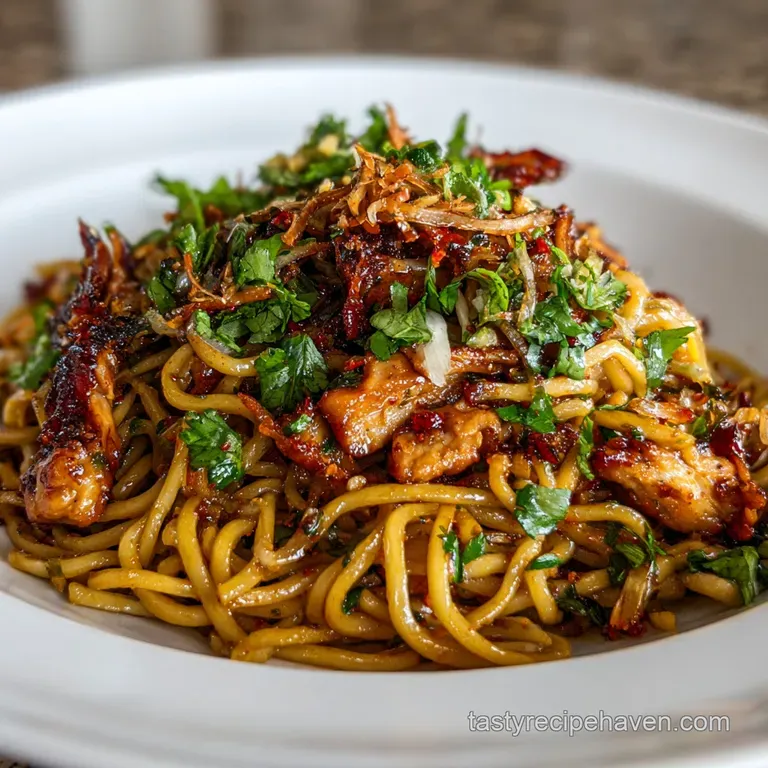
The most frequent hurdle people face when making a sticky garlic chicken noodles recipe is the chicken coming out "rubbery" or the sauce feeling "gritty." Usually, rubbery chicken is a result of crowding the pan.
When too much cold meat hits the skillet at once, the temperature drops, and the chicken begins to boil in its own juices rather than searing.
Why Your Sauce Isn't Sticky
If your sauce remains watery, it’s likely that it hasn't reached a high enough temperature to activate the cornstarch or reduce the honey. You need a vigorous bubble for at least 60 to 90 seconds.
If it still won't thicken, you can mix an extra teaspoon of cornstarch with a tablespoon of water and stir it in, but usually, a little more time on the heat does the trick.
| Problem | Root Cause | Solution |
|---|---|---|
| Tough Chicken | Overcooked or pan was crowded | Cook in batches and use a thermometer to hit exactly 165°F. |
| Bitter Aftertaste | Burnt garlic or ginger | Add aromatics only after chicken is seared; keep them moving. |
| Clumpy Noodles | Starch buildup or no rinsing | Rinse noodles under cold water after boiling to stop the cook. |
Avoiding Burnt Garlic Bitterness
Garlic has a very high sugar content and a very low burn point. In a hot pan, it can go from perfect to ruined in thirty seconds. Always have your liquid sauce ready to pour in as soon as the garlic turns fragrant. The liquid will instantly lower the pan's surface temperature and stop the garlic from browning further.
Preventing Clumping Noodles
If you're using dried ramen or udon, they tend to release a lot of surface starch. If they sit in the colander for even five minutes, they will turn into a solid brick. The fix is simple: toss them with a teaspoon of neutral oil immediately after draining, or keep them in a bowl of warm water until the exact moment you need to add them to the skillet.
Simple Ways to Customize Your Bowl
Sometimes you want a bit more crunch, or perhaps you're looking to clear out the vegetable drawer. This dinner with sticky garlic chicken noodles is a perfect canvas for variations. I often throw in a handful of snap peas or thinly sliced bell peppers during the last two minutes of the chicken cooking process.
They provide a fresh, snappy contrast to the soft noodles and tender meat.
If you're looking for a different texture entirely, you can actually finish the chicken in the oven if you're cooking for a larger crowd. While the stovetop is faster for small batches, the oven provides a more hands off approach for bulk prep.
| Feature | Stovetop Method | Oven Method |
|---|---|---|
| Texture | Crispy edges and high char | Uniformly tender and juicy |
| Speed | 10 minutes (fastest) | 20 minutes (slower) |
| Effort | High (requires constant stirring) | Low (set it and forget it) |
Swapping for Plant Based Power
To make this vegetarian, replace the chicken with extra firm tofu that has been pressed for 20 minutes. Toss the tofu cubes in the cornstarch mixture and fry until golden on all sides. Use agave nectar or maple syrup instead of honey for a fully vegan version.
The maple syrup adds a lovely earthy note that pairs beautifully with the soy.
Upping the Heat (The Spicy Variant)
For those who like a serious kick, double the red chili flakes and add a tablespoon of Gochujang (Korean chili paste) to the sauce mixture. The fermented depth of the Gochujang adds a whole new layer of complexity that transforms the dish into something closer to a spicy street noodle.
Scaling the Recipe for Crowds
When you need to feed more than four people, don't just double everything and throw it in the same pan. If you double the chicken in a standard skillet, it will steam instead of sear, and you'll lose that beautiful texture.
Work in two separate batches for the protein, then combine everything at the very end when it's time to add the sauce and noodles.
- Decision Shortcut
- If you want X, do Y
- If you want more crunch
- Add crushed peanuts or cashews as a final topping.
- If you want it healthier
- Substitute half the noodles with spiralized zucchini or carrots.
- If you want it saucier
- Increase the soy sauce and honey by 50% and add a splash of noodle water.
When scaling up, remember that spices and salt don't always need to be doubled exactly. Start with 1.5 times the amount of red chili flakes and salt, then taste and adjust. However, you should always double the aromatics (garlic and ginger) because they are the heart of the flavor profile.
Debunking Kitchen Myths
A common misconception is that you must rinse your chicken before cooking it. In reality, rinsing chicken splashes bacteria around your sink and counters without actually cleaning the meat. The high heat of the skillet is what makes the food safe to eat.
Instead, use paper towels to pat the meat dry; dry meat sears, while wet meat steams.
Another myth is that "sticky" sauce requires hours of simmering. Because we are using honey and a starch coating on the chicken, the reduction happens in minutes. Long simmering would actually overcook the chicken breast, turning it from velvety to dry and stringy.
Speed is actually an advantage here, not a shortcut that sacrifices quality.
Finally, many people believe fresh noodles are always superior to dried. While fresh udon is lovely, high-quality dried ramen or udon is designed to stand up to vigorous tossing in a wok. They often have a better "bite" (alkaline texture) that prevents them from turning to mush when they hit the hot sauce.
Storing Your Leftover Chicken
If you happen to have leftovers, they make an incredible lunch the next day. The flavors of the garlic and ginger actually deepen as they sit. Store the noodles in an airtight container in the fridge for up to 3 days.
When reheating, the sauce will have thickened significantly, so I recommend adding a tiny splash of water or broth before microwaving to loosen it back up.
Freezing: You can freeze the cooked chicken and sauce (without the noodles) for up to 2 months. I don't recommend freezing the noodles, as they tend to become grainy and lose their elasticity upon thawing. Simply boil a fresh batch of noodles and toss them with the thawed, heated chicken mixture.
Zero Waste Tip: Don't throw away the white parts of the green onions! Sauté them along with the garlic and ginger for extra flavor depth. Also, if you have ginger peels, keep them in a bag in the freezer to use for flavoring stocks or steeping into a quick ginger tea.
Garnish Ideas for Extra Crunch
The visual appeal of your dinner with sticky garlic chicken noodles comes from the contrast of the dark sauce and the bright garnishes. The green onions provide a necessary hit of freshness that cuts through the richness of the honey.
If you want to take it a step further, a squeeze of fresh lime juice right before eating can brighten the entire dish.
- Fried Shallots
- You can buy these at Asian grocers, and they add a savory crunch.
- Cilantro
- If you're a fan, it adds a floral note that works well with the ginger.
- Radish Slices
- Paper thin rounds add a peppery bite and a beautiful pop of color.
By following these steps and understanding the science behind the sizzle, you'll be able to whip up this easy weeknight dinner with sticky garlic chicken noodles whenever the craving strikes.
It’s a reliable, fast, and incredibly satisfying meal that proves you don’t need a lot of time to create a restaurant quality experience at home. Enjoy the process, and don't be afraid to let that sauce get extra sticky!
HIGH in Sodium
1085 mg mg of sodium per serving (47% % of daily value)
The American Heart Association recommends limiting sodium intake to 2,300mg per day. High sodium intake can increase the risk of high blood pressure and heart disease.
Sodium Reduction Tips for Your Recipe
-
Reduce Added Salt-25%
Reducing the 0.5 tsp of kosher salt by half can significantly lower the overall sodium content without drastically altering the flavor. Taste and adjust to your preference.
-
Choose Low-Sodium Noodles-20%
Ramen and udon noodles can be high in sodium. Look for low-sodium versions or rinse the noodles thoroughly after cooking to remove excess sodium.
-
Dilute Soy Sauce-20%
Even low-sodium soy sauce contributes significantly to sodium. Consider diluting the 0.33 cup of soy sauce with 0.33 cup of water or low-sodium chicken broth to reduce the sodium concentration.
-
Adjust Chili Flakes
Control the amount of red chili flakes to your taste, but remember that spices themselves don't generally contain sodium. You can use more to boost flavor without adding sodium.
Recipe FAQs
Can I make the sticky garlic sauce ahead of time?
Yes, the sauce can be made up to 24 hours in advance. Whisk all sauce ingredients together and store in an airtight container in the refrigerator. You may need to warm it slightly to loosen it up before tossing with the noodles and chicken.
What kind of noodles work best with sticky garlic chicken?
Ramen or Udon noodles are ideal. Their chewy texture and ability to grip sauce make them perfect for this dish, similar to how they hold up in hearty noodle bowls like our American Chop Suey Recipe.
Why is my chicken sticky and not seared?
The pan likely wasn't hot enough. For the signature sear, ensure your oil is shimmering before adding the chicken; this allows the cornstarch coating to set instantly and prevent steaming.
How can I make this recipe spicier?
Double the red chili flakes and add Gochujang. Incorporating a tablespoon of Gochujang (Korean chili paste) into the sauce mixture will add both heat and a fermented depth of flavor.
Can I substitute the chicken for a vegetarian option?
Yes, extra firm tofu is a great vegetarian substitute. Press the tofu to remove excess water, cube it, and toss it in the cornstarch mixture before frying until golden brown.
Is it necessary to mince the garlic so finely?
Yes, fine mincing ensures even flavor distribution. Minced garlic melts into the sauce more readily, preventing large chunks and ensuring a consistent sweet and savory taste in every bite, much like in our Greek Dinner Recipes: Authentic Moussaka with Rich Béchamel where aromatics are key.
What if my sauce isn't thickening?
Allow the sauce to bubble more vigorously for another minute. Ensure the heat is high enough for the cornstarch to gelatinize and for the honey to reduce and thicken the mixture.
Sticky Garlic Chicken Noodles