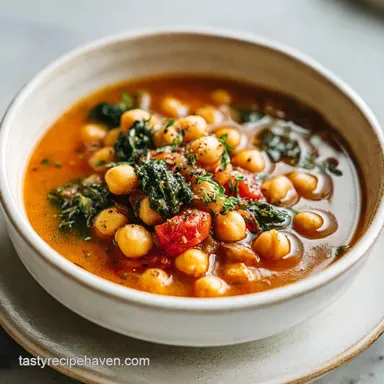
Tuscan Chickpea Soup: Creamy & One-Pot
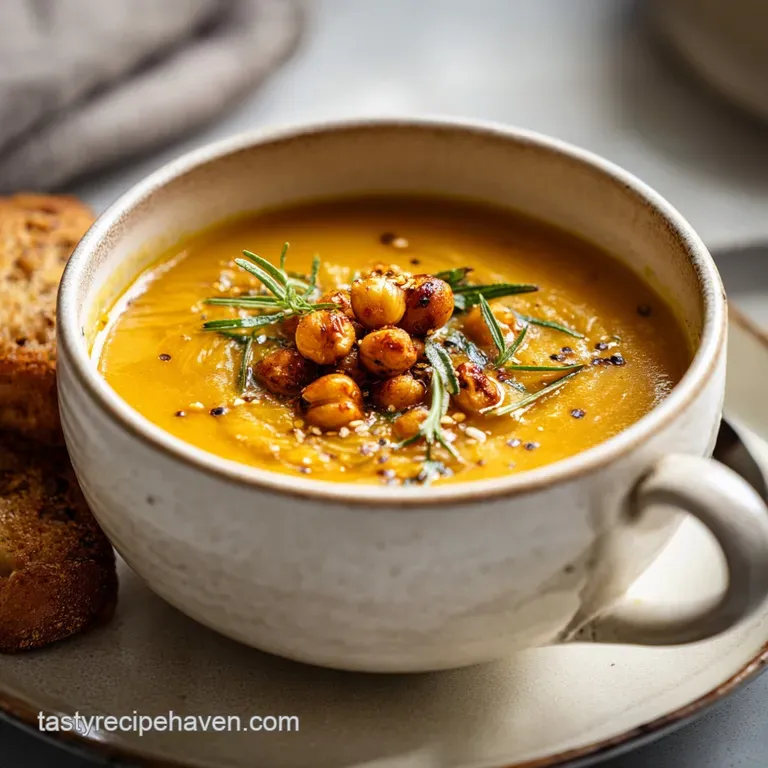
- Time: Active 10 minutes, Passive 20 minutes, Total 30 minutes
- Flavor/Texture Hook: Silky, herb infused broth with earthy chickpeas and bright, zingy kale
- Perfect for: Stress free weeknight dinners or healthy meal prep batches
- Create a Hearty Tuscan Chickpea Soup Today
- Why This One Pot Wonder Actually Works
- Choosing the Best Cooking Method for You
- Analyzing the Components of This Vibrant Bowl
- Selecting Your Pantry Staples and Smart Substitutes
- Essential Kitchen Tools for a Silky Result
- Step by Step Guide to a Better Soup
- Avoiding Common Pitfalls and Fixing Small Blunders
- Adjusting Portions and Scaling for a Crowd
- Adapting Flavors to Match Your Kitchen Pantry
- Dispelling Common Kitchen Tales and Soup Lore
- Keeping Things Fresh and Reducing Kitchen Waste
- Finding the Best Sides for Your Meal
- Recipe FAQs
- 📝 Recipe Card
Create a Hearty Tuscan Chickpea Soup Today
The moment the dried rosemary hits the hot olive oil, my entire kitchen transforms. There is this sharp, woodsy crackle that cuts through the air, immediately followed by the sweet, softening scent of diced onions.
It’s a sensory wake up call that promises something far more satisfying than a standard pantry meal. I remember the first time I made this on a rainy Tuesday when the fridge was looking particularly bleak; I expected a basic bean broth, but what I got was a rich, complex bowl that felt like it belonged in a rustic Italian trattoria.
We are moving away from thin, watery broths here. This version of Tuscan Chickpea Soup is all about that contrast between the velvety, partially mashed beans and the slight "shatter" of a well sautéed carrot.
It’s a comfort food staple that proves you don’t need hours on the stove or a long list of construction heavy steps to achieve deep, soul warming results. Honestly, once you see how the tomato paste caramelizes into a dark brick red, you’ll never go back to just dumping everything in a pot and hoping for the best.
Why This One Pot Wonder Actually Works
The Starch Suspension Secret: When we mash a portion of the chickpeas directly in the pot, they release natural starches that act as a thickening agent, creating a creamy mouthfeel without dairy.
Maillard Concentration: Sautéing the tomato paste until it darkens from bright red to a deep rust color intensifies the glutamates, providing a meaty, savory backbone.
Aromatic Infusion: Frying the rosemary and red pepper flakes in the olive oil first a technique called blooming releases fat soluble flavor compounds that permeate the entire broth rather than just sitting on top.
The Acid Equilibrium: The final splash of lemon juice breaks through the earthy weight of the beans and oil, brightening the flavors and making the kale taste less bitter.
Choosing the Best Cooking Method for You
While the stovetop is my go to for speed and control, there are times when a low and slow approach in the oven can yield a slightly different, more concentrated flavor profile.
| Method | Time | Texture | Best For |
|---|---|---|---|
| Stovetop | 30 minutes | Bright vegetables, silky broth | Quick weeknight dinners |
| Dutch Oven (Oven) | 50 minutes | Deeply caramelized aromatics | Hands off weekend prep |
| Slow Cooker | 4 hours (Low) | Very soft beans, unified flavor | Preparing before work |
There is something quite meditative about watching the soup simmer on the stove, but the oven method is a secret weapon if you want to develop a slightly "roasted" edge to the carrots and onions. If you are looking for more vegetable heavy inspiration, you might enjoy my Winter Soup with recipe which uses a similar layering technique.
Analyzing the Components of This Vibrant Bowl
Understanding why we use specific ingredients helps you become a more intuitive cook. It isn't just about following a list; it's about knowing how these elements interact under heat.
| Component | Science Role | Pro Secret |
|---|---|---|
| Chickpeas | Provides structure and thickening starches | Use the canning liquid (aquafaba) for extra body |
| Tomato Paste | Adds umami and natural sugars for browning | Cook it until it smells like toasted sugar, not raw fruit |
| Lacinato Kale | Adds fibrous texture and bitter contrast | Massage with a tiny bit of salt if you want it extra tender |
| Sun dried Tomatoes | Provides concentrated hits of acidity and chew | Use the oil from the jar to sauté your onions |
Building a flavor map for this dish reveals a beautiful balance. You have the richness of the extra virgin olive oil, the brightness of the lemon, the earthy depth of the rosemary, and the spicy kick from the red pepper flakes. It covers every corner of the palate.
Selecting Your Pantry Staples and Smart Substitutes
I always keep these items stocked because they are the building blocks of so many Mediterranean dishes. If you find yourself missing one, don't panic; this recipe is incredibly forgiving as long as you maintain the fat to acid ratio.
- 2 tbsp extra virgin olive oil: Use the good stuff here; the flavor is prominent.
- 1 medium yellow onion: Finely diced for even melting into the base.
- 2 large carrots: Peeled and diced; they provide the essential sweetness.
- 2 stalks celery: Finely sliced to add a salty, herbal undertone.
- 3 cloves garlic: Minced fresh; jarred garlic lacks the necessary "bite."
- 2 tbsp tomato paste: Why this? It acts as the "glue" that binds the spices to the aromatics.
- 1 tsp dried rosemary: Rosemary is hardy and survives the sautéing process better than thyme.
- 0.5 tsp red pepper flakes: Adds a gentle warmth that builds as you eat.
- 2 cans (15 oz each) chickpeas: Drained and rinsed thoroughly to remove excess sodium.
- 4 cups low sodium vegetable broth: Why this? Allows you to control the final seasoning precisely.
- 0.5 cup sun dried tomatoes: Thinly sliced; they are little flavor bombs in every bite.
- 1 tsp sea salt & 0.5 tsp black pepper: Adjust at the very end after the broth reduces.
- 2 cups Lacinato kale: Chopped into ribbons; it holds its shape better than curly kale.
- 1 tbsp fresh lemon juice: The essential "wake up" call for the entire pot.
| Original Ingredient | Substitute | Why It Works |
|---|---|---|
| Lacinato Kale | Baby Spinach | Wilts faster; Note: Add at the very last second to avoid mush |
| Dried Rosemary | Fresh Thyme | Softer herb flavor; use 3x the amount of fresh vs dried |
| Sun dried Tomatoes | Roasted Red Peppers | Similar sweetness but less chewy/acidic texture |
Essential Kitchen Tools for a Silky Result
You don't need fancy gadgets to make a world class Tuscan Chickpea Soup, but a few specific tools make the process much smoother. I personally swear by a heavy bottomed pot like a Le Creuset or a Lodge cast iron Dutch oven because it holds heat evenly.
This prevents the onions from scorching while you’re busy chopping the kale.
A sturdy wooden spoon is also vital for scraping up the "fond" (those little brown bits) after you add the tomato paste. If you have a potato masher, keep it handy; it’s the quickest way to crush a handful of chickpeas right in the pot to get that creamy texture we're after.
If not, the back of a large fork works just fine in a pinch.
Step by step Guide to a Better Soup
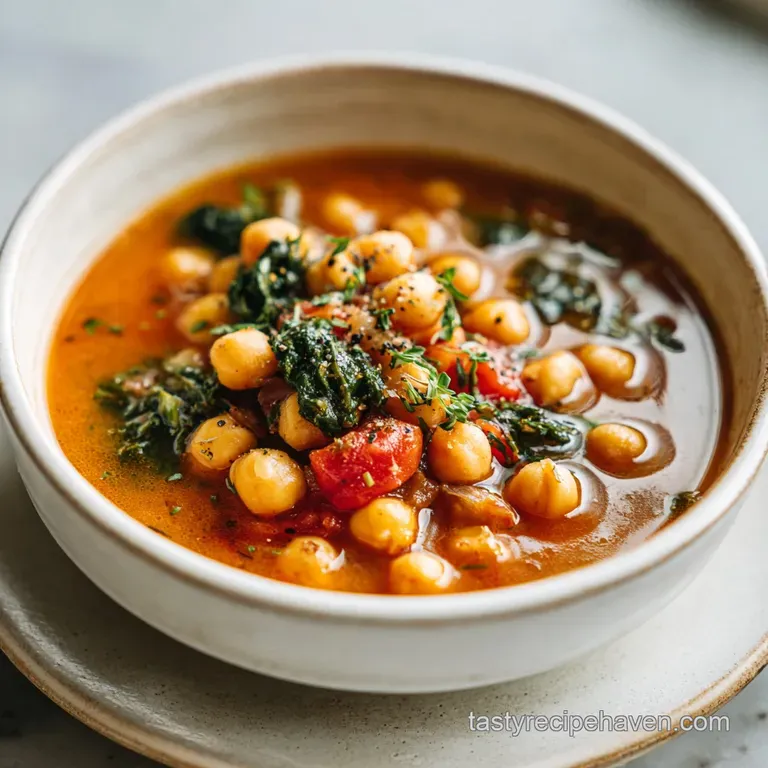
1. Build the Aromatic Foundation
Heat the 2 tbsp olive oil in a large pot over medium heat. Add the onion, carrots, and celery. Sauté for exactly 7 minutes until the onions are translucent and the carrots have softened slightly.
2. Infuse the Oil
Add the minced garlic, 1 tsp dried rosemary, and 0.5 tsp red pepper flakes. Stir constantly for 1 minute until the aroma of rosemary fills the kitchen. Note: Do not let the garlic brown, or it will turn bitter.
3. Caramelize the Paste
Stir in the 2 tbsp tomato paste. Cook for 2 to 3 minutes, stirring often, until the paste turns a deep, dark red and starts to stick to the bottom. This is where the magic happens.
4. Simmer and Infuse
Add the 2 cans of chickpeas, 4 cups vegetable broth, and 0.5 cup sun dried tomatoes. Bring the mixture to a boil, then reduce heat to low. Simmer for precisely 15 minutes until the liquid has slightly reduced and the flavors have melded.
5. Create the Signature Texture
Use a potato masher or the back of a spoon to crush about 1/4 of the chickpeas against the side of the pot. Stir well to incorporate the released starches into the broth.
6. Wilt the Greens and Season
Add the 2 cups of kale ribbons. Cook for 2 to 3 minutes until the kale is bright green and tender but not mushy.
7. The Final Flourish
Turn off the heat. Stir in the 1 tbsp lemon juice, 1 tsp sea salt, and 0.5 tsp black pepper. Taste and add a pinch more salt if the earthy beans need a lift.
8. Serve and Garnish
Ladle the soup into bowls. Top with a tiny drizzle of extra olive oil and a crack of fresh pepper for that restaurant style finish.
Avoiding Common Pitfalls and Fixing Small Blunders
Even the simplest recipes can hit a snag. The most common issue I see is a broth that feels "flat" or thin. This usually happens if the aromatics weren't sautéed long enough or if the chickpeas weren't mashed to release their starch.
Why Your Soup Feels One Dimensional
If the soup tastes like "just beans," it’s likely missing acid or salt. Beans are incredibly dense and absorb a lot of seasoning. Before you add more salt, try an extra teaspoon of lemon juice; often, it’s the brightness that’s missing, not the salt.
Why Your Kale is Tough
Lacinato kale (the flat, dark green kind) is sturdier than curly kale. If it feels like you're chewing on grass, it just needs another 2 minutes in the hot broth. Alternatively, you can chop it into much thinner "confetti" ribbons to ensure it wilts perfectly.
| Problem | Root Cause | Solution |
|---|---|---|
| Thin/Watery Broth | Not enough starch release | Mash more chickpeas or simmer uncovered for 5 mins |
| Bitter Aftertaste | Garlic scorched in step 2 | Add a pinch of sugar to balance the bitterness |
| Too Much Heat | Heavy hand with pepper flakes | Stir in a spoonful of Greek yogurt or more broth |
Common Mistakes Checklist
- ✓ Never skip the tomato paste caramelization; it’s the source of the soup's "body."
- ✓ Rinse your chickpeas thoroughly; the canning liquid can add a metallic taste if not removed.
- ✓ Add the lemon juice after the heat is off to keep the flavor vibrant.
- ✓ Don't overcrowd the pot with kale all at once; add it in handfuls so the temperature doesn't drop.
- ✓ Check the internal temp of the broth; it should hit 205°F (96°C) for optimal starch thickening.
Adjusting Portions and Scaling for a Crowd
This recipe is a meal prepper's dream because it scales beautifully. However, you can't just double everything and expect the same timing. If you are cutting the recipe in half, use a smaller pot to prevent the liquid from evaporating too quickly, and reduce your simmer time by about 20%.
When scaling up (2x or 4x), keep an eye on the salt and spices. I recommend only using 1.5x the red pepper flakes and salt initially, then tasting at the end. For some reason, spice levels tend to multiply faster than the volume of liquid!
If you're feeding a large group, you might want to serve this alongside something like my Broccoli Casserole recipe to round out the meal.
Adapting Flavors to Match Your Kitchen Pantry
Sometimes you want a slightly different vibe, or maybe you're just trying to use up what's in the crisper drawer. This soup is a blank canvas for Mediterranean variations.
- For a Protein Boost: Stir in some cooked shredded chicken or seared Italian sausage coins at the very end.
- For a Grain Forward Twist: Add 1/2 cup of small pasta (like ditalini) or pearled farro during the simmering stage. You will likely need an extra cup of broth as grains soak up liquid.
- For Natural Creaminess: If you want it even silkier, blend one whole can of chickpeas with a splash of broth before adding it to the pot.
Dispelling Common Kitchen Tales and Soup Lore
"Canned beans are inferior to dried." This is a hill many foodies die on, but for a 30 minute weeknight meal, high-quality canned chickpeas are a triumph. The key is rinsing them well.
Dried beans are great if you have the time, but they don't offer a significant enough flavor difference in a highly seasoned soup like this to justify the extra 2 hours of soaking and simmering.
"You must sauté kale for it to be edible." Actually, in a soup context, the residual heat of the broth is more than enough to soften kale while preserving its nutritional integrity and vibrant color. Over sautéing greens often leads to that grey, drab look we want to avoid.
Keeping Things Fresh and Reducing Kitchen Waste
Storage: This soup actually tastes better the next day as the rosemary and garlic continue to infuse. Store it in an airtight container in the fridge for up to 4 days.
Freezing: You can freeze this for up to 3 months. Note: The kale will lose its texture and become very soft upon thawing. If you're planning to freeze a batch, consider leaving the kale out and adding it fresh when you reheat the soup.
Zero Waste: Don't throw away those kale stems! Slice them very thinly and sauté them along with the carrots and celery at the start. They add a lovely crunch.
Also, if you have a parmesan rind lingering in your cheese drawer, toss it into the pot while the soup simmers for a massive hit of savory flavor.
Finding the Best Sides for Your Meal
A bowl of this soup is hearty, but it begs for something to soak up that herb flecked broth. A thick slice of crusty sourdough rubbed with a raw garlic clove is the traditional choice.
If you're looking for a lighter pairing, a simple arugula salad with a sharp balsamic vinaigrette cuts through the earthiness of the chickpeas perfectly.
For those nights when you want a full "soup and sandwich" experience, try pairing this with a sharp cheddar grilled cheese. The creaminess of the melted cheese against the textured, veggie packed soup is pure comfort. If you are in the mood for a different flavor profile entirely next week, our Creamy Vegetable Soup recipe is another one pot wonder that focuses on a smooth, blended finish rather than the chunky, rustic texture we've built here. Enjoy every spoonful!
Recipe FAQs
What's the secret to a flavorful Tuscan soup?
Caramelizing the tomato paste until it darkens. Cooking the paste until it turns deep rust red intensifies its glutamates, creating a deep, savory backbone for the broth.
What is the best broth for chickpea soup?
Low sodium vegetable broth is best. This allows you precise control over the final salt level, which is crucial when simmering earthy beans.
What is the healthiest soup in the world?
This soup is exceptionally healthy, but definitive rankings are subjective. It is packed with fiber and plant protein, and we build richness using mashed beans instead of heavy cream.
Is chickpea soup good for health?
Yes, chickpea soup is excellent for health benefits. Chickpeas provide substantial dietary fiber, which aids digestion, and the recipe is naturally low in saturated fats.
How to achieve a creamy texture without adding actual cream?
Mash about one quarter of the cooked chickpeas directly in the pot. This releases their natural starches, which suspend in the broth and create a velvety mouthfeel.
Should I use fresh or dried herbs for this Tuscan soup?
Use dried rosemary, but bloom it in hot oil first. Frying the dried herb releases fat-soluble flavor compounds; if you prefer fresh, see how we manage texture in our Vegan Chickpea Salad recipe for comparison.
Why does my soup taste flat even after adding salt?
You are likely missing necessary acidity to balance the earthiness. Turn off the heat and finish with a full tablespoon of fresh lemon juice to brighten all the savory notes.
Tuscan Chickpea Soup Ready