Einkorn Bread: a Beginners Golden Loaf Recipe

- Introducing Einkorn: The Ancient Grain That Bakes Better
- Mastering the Tender Crumb: Science Behind the Perfect Einkorn Loaf
- Essential Components for Your Golden Grain Loaf
- The Gentle Method: Baking Your Best Einkorn Sandwich Bread
- Troubleshooting Your Bake: Pro Tips for Success
- Keeping Your Loaf Fresh: Storage and Preservation Guide
- Delicious Ways to Enjoy Your Homemade Heritage Bread
- Recipe FAQs
- 📝 Recipe Card
Introducing Einkorn: The Ancient Grain That Bakes Better
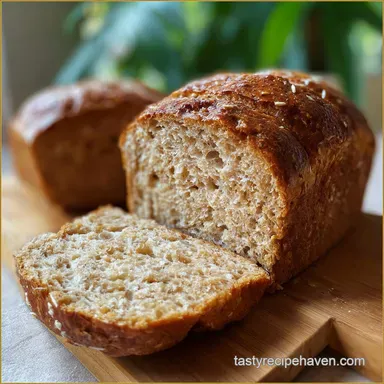
Oh man, you absolutely have to smell this. That aroma warm, slightly sweet, and profoundly nutty is the first signal you’ve baked something truly special. This loaf isn't your average supermarket slice; this is homemade Einkorn Bread , baked with love and ancient wisdom.
It comes out beautifully golden, with a tender crumb that melts in your mouth, which is exactly why this ancient grain is having such a massive comeback.
I know what you're thinking: another specialty flour that’s going to be fussy? Nope. While Einkorn Bread behaves differently from highly processed modern wheat, it’s not difficult. This specific recipe cuts out the complicated steps, making it perfect for a busy weekend.
Plus, many people find this heritage grain much easier on the digestion, which is a total lifesaver if standard bread gives you grief.
Ready to bake the best loaf of your life? We’re going to walk through the gentle technique required for success. We’re aiming for maximum flavour and minimum fuss, resulting in a reliable and gorgeous Einkorn Bread loaf every single time.
Mastering the Tender Crumb: Science Behind the Perfect Einkorn Loaf
Making bread isn't just mixing ingredients; it’s understanding them. When you switch to a heritage grain like Einkorn, you have to adjust your mindset. Forget the aggressive kneading schedules you learned for high protein white flour. This grain demands respect and a soft touch.
What Makes Einkorn Different from Modern Wheat?
Einkorn is a primitive wheat, meaning it has a simpler genetic structure than modern hybrid varieties. This is great for digestibility, but it means its gluten network is delicate and prone to breaking down if stressed. If you over knead this dough, it will quickly turn into a sticky, slack mess with zero structure.
We achieve height and tenderness in this Einkorn Bread by focusing on hydration and a long, gentle rest instead of brute force.
Why This Recipe Is Perfect for Beginners
We are using the straight dough method here, which means everything is mixed at once after the yeast is activated. There are no pre-ferments or complicated folding schedules necessary for truly delicious Einkorn Bread .
We rely on a short autolyse (a rest period after mixing) to let the flour absorb the water fully, which is the secret key to handling this unique flour. It takes patience, but very little active time, making this Einkorn Bread recipe easy to fit into a busy day.
Nutrition Profile: Why Heritage Grains Matter
Besides the incredible, robust flavour, Einkorn is a nutritional powerhouse. It’s higher in protein, phosphorus, and essential fatty acids than conventional wheat. While the Einkorn bread nutrition facts aren't radically different from a high-quality whole wheat, the real benefit, for many of us, is the ancient structure.
It's often tolerated by those sensitive to modern gluten, making homemade Einkorn Bread a wonderful addition to the diet.
The Magic of Low-Speed Mixing
If you are using a stand mixer, please, for the love of bread, use the lowest speed setting possible. I once tried to crank up the speed, thinking I could rush the process. What I got was a soup that could never be shaped a total disaster.
When making Einkorn Bread , mix only until the flour is hydrated, then stop. The stretching and folding method provides all the gentle structure development you need without tearing the delicate gluten strands.
Hydration Levels for Non-Hybrid Grains
Einkorn absorbs water much slower than highly processed flour. When you first mix the dough, it will seem incredibly sticky and wet, maybe even too wet. Resist the urge to add more flour! Give it that crucial 15 minute rest (the autolyse).
This time allows the flour particles to drink up the water fully, and when you return, the dough will have tightened up beautifully, ready for the stretch and folds.
Achieving the Signature Golden Hue and Nutty Flavor
The golden colour of your final loaf comes naturally from the Einkorn flour itself, especially the all-purpose variety. The slight touch of honey we add does two things: it feeds the yeast efficiently and encourages that gorgeous, deep golden brown crust during baking.
It’s what gives this Einkorn Bread its defining rustic appearance and enhances that subtle nutty background flavour.
Essential Components for Your Golden Grain Loaf
The ingredient list is minimal, which means the quality of each component matters immensely. Don’t skimp on good flour and quality salt here; you’ll taste the difference.
| Ingredient | Substitute Suggestion |
|---|---|
| Active Dry Yeast | Instant yeast (mix directly with flour) or 21g Fresh Yeast. |
| Honey or Maple Syrup | Granulated sugar or light brown sugar. |
| Olive Oil | Unsalted melted butter or neutral vegetable oil (e.g., canola, sunflower). |
| Warm Water | Milk or buttermilk (will result in a softer crust). |
Choosing the Right Einkorn Flour (Whole vs. All-Purpose)
You have options when making Einkorn Bread flour , but for a reliable sandwich loaf with a nice rise, I highly recommend using the All-Purpose (light) Einkorn flour. Whole grain Einkorn is fantastic for flavour, but the bran tends to cut the weak gluten strands, resulting in a much denser loaf.
If you want to use whole grain, try substituting about 30% whole grain and 70% AP for a balance of flavour and texture.
Dairy and Sweetener Notes for Enhanced Flavor
Using honey or maple syrup isn't just about flavour; it's about fermentation. Yeast absolutely loves sugar, and this small amount ensures a quick, vigorous activation. The olive oil helps keep the crumb incredibly tender and moist.
Trust me on this: oil or melted butter is non-negotiable in this Einkorn Bread recipe for that soft sandwich texture.
Yeast vs. Starter: Why We Use the Straight Dough Method
While you absolutely can make Einkorn Bread sourdough , this recipe focuses on yeast for speed and predictability. Sourdough requires days, whereas this straight dough method gives you a beautiful loaf ready for dinner. If you are deeply committed to the tangy life, feel free to adapt the recipe using a starter just remember those fermentation times will expand significantly. If you’re looking to get started with that method, you should definitely check out my guide on making an Sourdough Bread Bread Machine: Easy Artisan Loaf .
The Gentle Method: Baking Your Best Einkorn Sandwich Bread
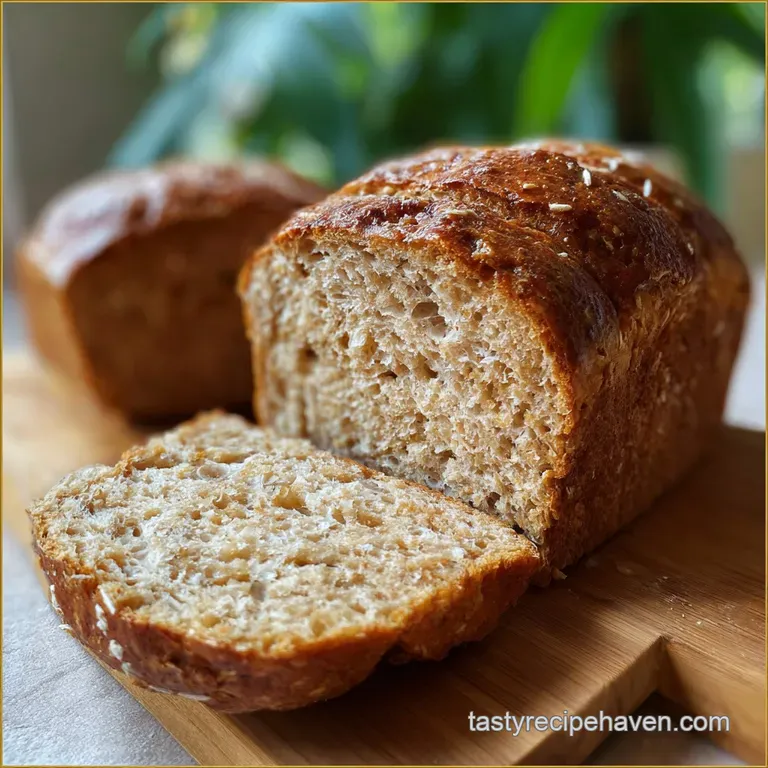
Remember the mantra: be gentle. We are guiding the dough, not wrestling it.
Step 1: The Initial Dough Development and Autolyse
Start by ensuring your water is the right temperature it should feel like a warm bath (105°F / 40°C). Sprinkle the yeast and honey on top and let it bloom until it looks like a mini head of foam on a fancy coffee. That sweet, yeasty smell is your indication that your yeast is alive and ready to work!
Once the flour and oil are added, mix just until the ingredients barely come together. Stop mixing immediately and walk away for 15 minutes. This rest is critical for the hydration of your Einkorn Bread dough.
Step 2: The Bulk Fermentation and First Rise
After the 15 minute rest, perform your stretch and folds. Grab one side of the dough, stretch it up gently, and fold it over the centre. Rotate the bowl and repeat 3 or 4 times. This replaces aggressive kneading for your Einkorn Bread .
Cover the bowl and let it rise in a warm spot until it looks about 1.5 times bigger. It won't double like white flour dough, so don't wait for that! If it’s cold in your kitchen, stick the bowl in the oven (turned off!) with the light on for gentle warmth.
Step 3: Shaping and Proofing for an Even Slice
Gently tip the dough onto a lightly floured surface. You need to handle this dough with extreme tenderness. If you punch it down or de-gas it too much, it will struggle to rise again. Gently shape it into a tight log, tucking the edges underneath like you're wrapping a parcel.
Place it seam down into your oiled loaf pan. The dough should look visibly plump but still sit below the rim of the pan. Let it proof for about 45– 60 minutes, until it just peaks over the top. This second rise determines the final texture of your Einkorn Bread .
Step 4: Oven Spring and Achieving the Ideal Crust
Preheat the oven fully! A hot oven gives you the best "oven spring" (that final burst of growth). Bake until that crust is a deep, rich golden brown. If it’s browning too fast, you can lightly tent it with foil during the last 10 minutes.
The sound of a perfectly baked loaf is distinctive: when you tap the bottom, it should sound hollow.
Crucial Cooling Tip: Do NOT slice your warm Einkorn Bread . I know, the smell is torture, but if you slice it hot, the internal steam releases too fast, resulting in a dense, gummy texture.
Slide it onto a cooling rack immediately and wait a full hour seriously.
Troubleshooting Your Bake: Pro Tips for Success
Even seasoned bakers have moments of doubt when dealing with ancient grains. Here are the top three issues I hear about when making a high-quality Einkorn Bread .
Identifying Over Kneaded Einkorn Dough
If your dough feels strangely warm, suddenly becomes very slack, and refuses to hold any shape after the first rise, you likely overmixed it. The gluten network has essentially dissolved.
There's no perfect fix, but you can try to salvage it by aggressively chilling the dough for an hour, which helps it tighten up, then proceeding with the gentle shaping.
Adjusting for Different Kitchen Temperatures
Bread is basically a sensitive barometer of your kitchen climate. If it’s summer and 80°F, your rise times will be dramatically shorter (maybe 60 minutes for the first rise).
In the winter, if it's chilly, use warmer water initially and definitely find that warm spot for the bulk fermentation. A slightly longer, slower proof often results in deeper flavor, which is a bonus for your Einkorn Bread .
The Tap Test: Knowing When Your Loaf is Fully Done
The look of the crust can be deceiving. The surest way to know your Einkorn Bread is cooked through is by using an instant read thermometer. The centre of the loaf must hit between 205°F and 210°F (96 99°C).
If you pull it out too soon, the loaf will collapse slightly upon cooling and be damp inside.
Keeping Your Loaf Fresh: Storage and Preservation Guide
You worked hard for this loaf, so let's make sure it stays amazing. Improper storage is the enemy of fresh, crusty bread.
Short Term Storage: Counter vs. Pantry
Once completely cool, your Einkorn Bread should be kept at room temperature. Use a paper bag or a breathable linen bread bag for the first 24 hours to keep the crust crisp.
If you plan to keep it longer than two days, transfer it to a tightly sealed plastic bag or container to retain moisture. Never store it in the refrigerator; it will stale incredibly fast.
The Best Way to Freeze Sliced Bread
If you won't eat the entire loaf within three days, slicing and freezing is the way to go. Slice the completely cooled Einkorn Bread , then stack the slices and wrap the whole stack tightly in plastic wrap, followed by a layer of aluminum foil or a freezer bag. This prevents freezer burn.
It will keep beautifully for up to three months.
The Ideal Toast Companion
You betcha it reheats well! When you want a slice, just pull one straight from the freezer and pop it immediately into the toaster. It thaws and toasts simultaneously, giving you that fresh baked texture and nutty flavour again.
The robust nature of this bread makes it ideal for a thick slab of butter and jam, or even a savoury open face sandwich.
Delicious Ways to Enjoy Your Homemade Heritage Bread
This Einkorn Bread is fantastic on its own, but its robust, slightly sweet flavour makes it the perfect canvas for rich toppings.
Use the thick slices for the ultimate French toast breakfast. The tight crumb holds up perfectly to soaking without turning soggy. Alternatively, it makes phenomenal grilled cheese sandwiches because the golden crust toasts so well and provides excellent structural integrity.
For a savoury pairing, try serving it sliced thinly alongside sharp cheddar cheese and some crisp green apple slices. It’s truly versatile!
Recipe FAQs
Why is my Einkorn dough excessively sticky and difficult to handle?
Einkorn flour hydrates slower and less aggressively than modern wheat, often appearing very slack initially. Avoid the temptation to add excessive flour; instead, perform a series of gentle 'stretch and folds' over 30 minutes, allowing the flour time to fully absorb the liquid and build structure naturally.
The dough will tighten up substantially as it rests.
My finished loaf is very dense and didn't rise much. What went wrong?
Density is often caused by over mixing or insufficient proofing, both of which are critical factors with this heritage grain. Since Einkorn’s simple gluten structure is fragile, aggressive mixing breaks it down quickly; ensure you stop mixing immediately once the ingredients are just combined and rely on the long, slow proof to build volume.
Can I substitute whole grain Einkorn flour for the light/all-purpose Einkorn in this recipe?
Yes, but you must increase the overall hydration slightly (about 10-15%) as the bran absorbs significantly more moisture. Additionally, whole grain Einkorn tends to proof faster than light flour, so watch the dough expansion closely rather than relying strictly on the clock to prevent over proofing and collapse.
How should I properly store the Einkorn loaf to maintain its tenderness?
Store the completely cooled loaf tightly wrapped in a plastic bag or beeswax wrap at room temperature for up to three days. To freeze, slice the loaf first, wrap the slices tightly in foil or parchment, place them in a freezer bag, and freeze for up to three months; toasting directly from frozen yields the best texture.
Why did my crust turn out tough or too chewy?
A tough crust usually means the exterior of the dough dried out prematurely during the initial stages of baking. Ensure you utilize a steam method (like pouring water into a preheated tray) or mist the oven walls during the first 10 minutes; this practice keeps the crust supple, allowing the loaf to expand fully before the crust sets.
Can I add seeds, nuts, or dried fruit to this Einkorn bread recipe?
Absolutely; incorporating up to 1/2 cup of additions like poppy seeds, sunflower seeds, or chopped walnuts works very well in this formulation. Mix these ingredients in during the final minute of the light kneading process, ensuring they are evenly distributed without stressing the dough's delicate gluten network.
Beginners Einkorn Sandwich Bread