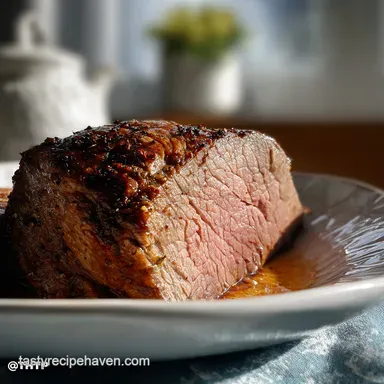
Best Sirloin Tip Roast: Succulent & Tender
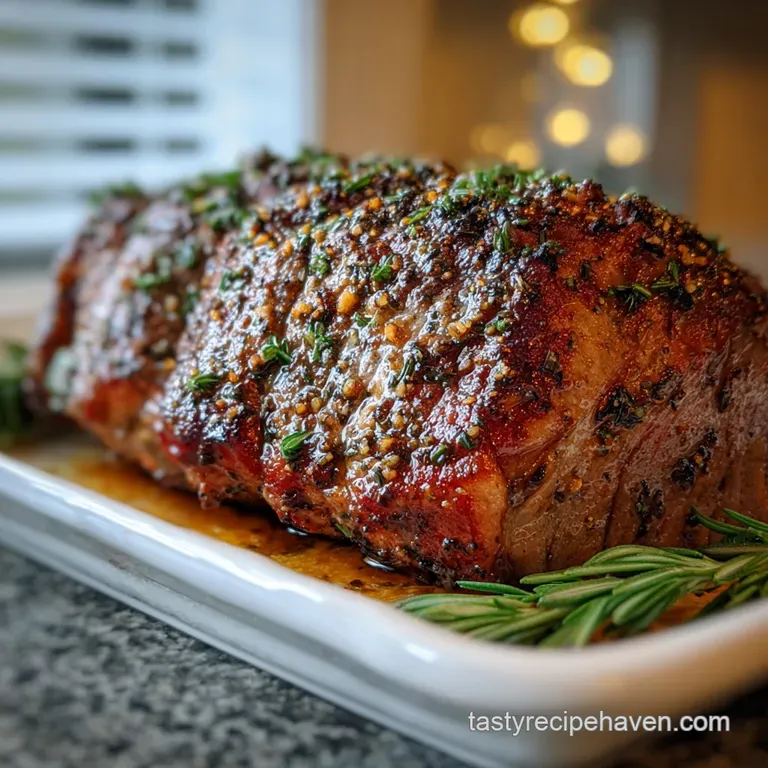
- Time: Active 15 minutes, Passive 1 hour 30 mins, Total 1 hour 45 mins
- Flavor/Texture Hook: Herb crusted exterior with a velvety, pink center
- Perfect for: Stress free Sunday family dinners or weekly meal prep
- Master the Juiciest Best Sirloin Tip Roast
- Why This Strategic Roasting Method Works
- Analyzing the Flavor Component Science
- The Essential Ingredient Foundation
- Necessary Kitchen Equipment Tools
- Step-by-Step Roasting Instructions
- Navigating Common Roasting Hurdles
- Adapting for Different Crowds
- Debunking Traditional Roasting Lore
- Storage Guidelines and Creative Leftovers
- Perfect Flavor Pairings
- High in Sodium
- Recipe FAQs
- 📝 Recipe Card
Master the Juiciest Best Sirloin Tip Roast
The kitchen is currently filled with the heady, woodsy aroma of fresh rosemary and the sharp, savory tang of garlic hitting a hot pan. I remember the first time I tried making a sirloin tip; I treated it like a ribeye and ended up with something closer to a sneaker than a steak.
It was frustrating because this cut is so manageable on the budget, but it can be notoriously finicky if you don't treat it with a bit of science backed respect.
That's why I'm sharing the method that finally worked for me. We're moving away from the "guess and hope" strategy. This recipe is all about managing moisture in a lean cut of beef.
You'll get that satisfying sizzle when the meat hits the oven, but the real magic happens during the slow, gentle finish that lets the connective tissue relax without drying out the fibers.
We've all been there, staring at a grey, overcooked roast and wondering where it went wrong. This version changes that. It's a reliable, pantry based solution for busy families who want a impressive meal without the "prime rib" price tag.
Trust me, once you see how those baby potatoes soak up the drippings, you won't go back to any other way.
Why This Strategic Roasting Method Works
- Thermal Momentum: Starting at 450°F triggers the Maillard reaction, creating a savory brown crust that provides deep flavor through caramelized proteins.
- Enzymatic Breakdown: Dropping the temperature allows natural enzymes (cathepsins) to work slightly longer before they denature, helping to tenderize the lean muscle.
- Vapor Insulation: Placing the roast on a bed of onions and carrots creates a "steam buffer" that protects the bottom of the meat from direct pan heat.
- Carryover Control: Stopping the cook 5 degrees early allows the internal energy to finish the job, preventing the fibers from tightening and squeezing out moisture.
The Physics of the Gentle Roast
Low temperature finishing prevents the protein fibers in the lean sirloin from contracting too quickly. When these fibers stay relaxed, they hold onto their internal juices rather than pushing them out into the pan.
| Meat Thickness | Target Internal Temp | Rest Time | Visual Finished Cue |
|---|---|---|---|
| 2-3 inches | 130°F (Medium Rare) | 15 minutes | Warm pink center, glossy surface |
| 3-4 inches | 135°F (Medium) | 20 minutes | Light pink center, firm touch |
| 4+ inches | 140°F (Medium Well) | 20 minutes | Hint of pink, very firm |
Picking the right internal temperature is the difference between a tender slice and a tough one. Since the Best Sirloin Tip Roast is lean, I always recommend pulling it at 130°F for a perfect medium rare after the rest. If you're looking for something that mimics a Cross Rib Roast Recipe, the key is that resting period which allows the juices to redistribute.
Analyzing the Flavor Component Science
| Ingredient | Science Role | Pro Secret |
|---|---|---|
| Kosher Salt | Protein Denaturant | Salt 1 hour early to "dry brine" the surface for a better crust. |
| Smoked Paprika | Color & Phenols | Adds a "fire roasted" depth that mimics a grill without the charcoal. |
| Worcestershire | Umami Booster | Contains anchovies and tamarind which provide a savory "fifth taste" to lean beef. |
| Fresh Thyme | Volatile Oils | These oils are fat soluble, so they infuse the olive oil and coat the meat. |
Using the right components makes a massive difference in the final result. For example, fresh rosemary and thyme aren't just for garnish; their oils stand up to the high heat of the initial sear without turning bitter like dried herbs often do.
The Essential Ingredient Foundation
- 3.5 lbs sirloin tip roast: The star of the show. Why this? Lean, economical, and holds its shape perfectly for uniform slicing.
- 2 tbsp extra virgin olive oil: Acts as the heat conductor for the rub.
- 1 tbsp kosher salt: Use a coarse grain like Diamond Crystal for better coverage.
- 1 tsp coarse black pepper: Adds a sharp, pungent bite.
- 4 cloves garlic, minced: Provides a pungent, savory base.
- 1 tbsp fresh rosemary, finely chopped: Gives that classic Sunday roast aroma.
- 1 tbsp fresh thyme, finely chopped: Adds a subtle earthy floral note.
- 1 tsp smoked paprika: For a deep, burnished color on the crust.
- 1 tbsp Worcestershire sauce: The ultimate liquid umami.
- 1 lb baby Yukon Gold potatoes, halved: They stay creamy and don't fall apart.
- 4 large carrots, peeled and cut into 2 inch chunks: Adds a natural sweetness to the pan.
- 1 large yellow onion, cut into thick wedges: Caramelizes into a soft, savory jam.
For those looking to swap things out, you can use a high-quality sea salt if kosher isn't in the pantry. If you run out of fresh herbs, use 1 teaspoon of dried herbs for every tablespoon of fresh, but be aware that the flavor won't be quite as vibrant.
Necessary Kitchen Equipment Tools
To get the most out of this Best Sirloin Tip Roast Recipe, you don't need fancy gadgets, but a heavy bottomed vessel is non negotiable. A large cast iron skillet or a Dutch oven (like a Le Creuset) works best because they retain heat evenly.
You will also need a sharp chef's knife for mincing those herbs and a reliable meat thermometer. Honestly, don't even bother trying to "eye" the doneness; a digital probe is the only way to guarantee it's not overdone.
Step-by-step Roasting Instructions
- Tempering the meat. Remove the 3.5 lbs sirloin tip roast from the fridge 45 minutes before cooking. Note: This ensures the center isn't ice cold when the outside starts searing.
- Preheat the oven. Set your rack to the middle position and heat to 450°F until the oven signal beeps and stays steady.
- Create the herb paste. Mix the olive oil, salt, pepper, garlic, rosemary, thyme, paprika, and Worcestershire in a small bowl until it forms a thick, gritty paste.
- Prepare the vegetable bed. Toss the halved potatoes, carrots, and onion wedges in the bottom of your roasting pan until lightly coated in a drizzle of oil.
- Apply the rub. Pat the roast completely dry with paper towels, then massage the herb paste over every inch of the meat until no red spots are visible.
- The initial blast. Place the meat on top of the vegetables and roast at 450°F for 15 minutes until the exterior starts to sizzle and brown.
- Adjust the heat. Lower the oven temperature to 325°F without opening the door until the internal temperature hits 130°F.
- Monitor the progress. Check the temp after 60 minutes. Cook for approximately 1 hour 30 mins total until a thermometer inserted into the thickest part reads your target.
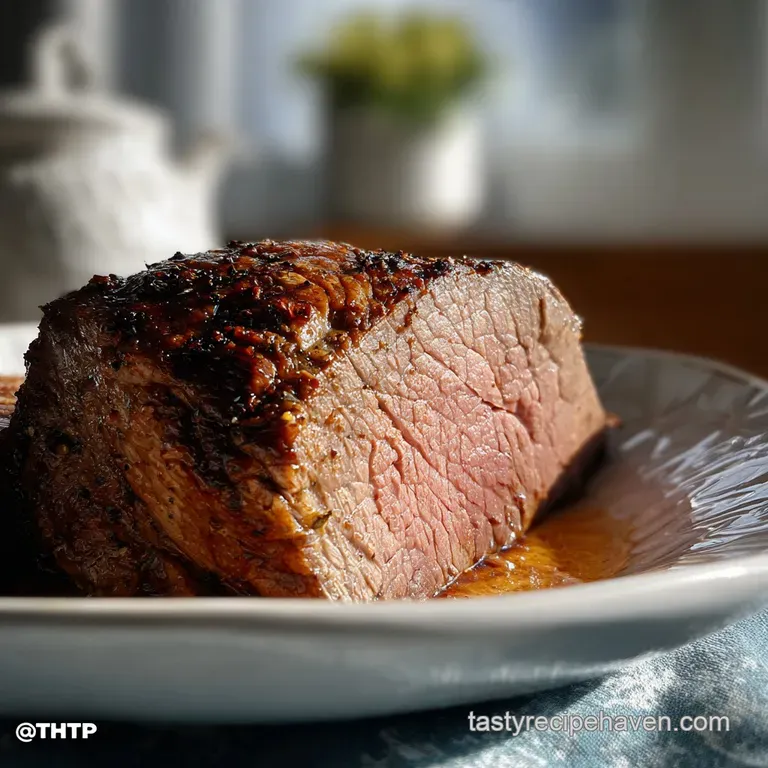
- The resting phase. Move the roast to a carving board and tent loosely with foil for 15 minutes until the juices settle back into the muscle fibers.
- Carve and serve. Slice the beef against the grain into thin ribbons until you reach the end of the roast.
Chef's Tip: If your vegetables are browning too fast during the over low heat phase, splash half a cup of beef broth into the bottom of the pan to create a bit of steam and stop the burning.
Navigating Common Roasting Hurdles
Why Your Sirloin Tip is Tough
This usually happens for two reasons: skipping the rest or slicing with the grain. If you cut the meat in the same direction the fibers run, you're leaving long, chewy strands for your teeth to do all the work. Always look for the direction of the "lines" in the meat and cut across them.
Vegetables are Underdone
If your potatoes are still crunchy but the meat is finished, simply remove the meat to rest and pop the vegetables back into a 400°F oven for 10 minutes. This gives them a final crisping while the beef relaxes.
| Problem | Root Cause | Solution |
|---|---|---|
| Rub falling off | Surface was too wet | Pat meat very dry with paper towels before applying oil. |
| Grey meat inside | Overcooked | Use a digital thermometer and pull at 130°F. |
| Burnt garlic | Too much direct heat | Ensure garlic is mixed into oil/paste, not just sprinkled on top. |
A quick note on the veggies: ensure they are cut into uniform sizes. If the carrots are massive and the potatoes are tiny, you'll end up with mushy spuds and raw carrots. Balance is everything.
Common Mistakes Checklist
- ✓ Didn't pat the meat dry (prevents a proper crust from forming).
- ✓ Sliced the meat too thick (thin slices are much more tender for this cut).
- ✓ Opened the oven door too often (causes temperature swings).
- ✓ Forgot to rest the meat (all the juice will run out on the board).
- ✓ Used a cold roast straight from the fridge (uneven cooking).
Adapting for Different Crowds
If you need to scale this down for a couple, you can use a smaller 1.5 lb roast. Reduce the cooking time by about 30%, but keep the initial 15 minute over high heat blast the same to ensure a crust.
For a larger crowd of 12 or more, I suggest doing two separate 3.5 lb roasts in two pans rather than one giant 7 lb roast, as the cooking time for a massive roast can be unpredictable and the center often stays raw while the outside dries out.
When doubling the recipe, you don't need to double the salt exactly use about 1.5 times the amount of salt and spices to avoid over seasoning. The liquids for the vegetables should also only be increased slightly so they don't boil.
| Servings | Meat Amount | Pan Size | Total Cook Time |
|---|---|---|---|
| 3-4 People | 1.75 lbs | 10 inch Skillet | 1 hour |
| 7 People | 3.5 lbs | 13x9 Roasting Pan | 1 hour 30 mins |
| 14 People | 7 lbs (2 roasts) | Two 13x9 Pans | 1 hour 45 mins |
Debunking Traditional Roasting Lore
Many people believe that searing meat "locks in the juices." Science has shown this isn't actually true. Searing is about the Maillard reaction creating flavor and texture on the surface. Moisture loss actually happens more at high temperatures, which is why we drop the heat after the initial sear.
Another myth is that you need to baste the roast every 20 minutes. Every time you open that oven door, you lose heat and increase the cooking time. Let the oven do its job. The fat cap on the roast (if there is one) and the rub will provide all the moisture and flavor you need.
Storage Guidelines and Creative Leftovers
Keep your leftover roast in an airtight container in the fridge for up to 4 days. To reheat without making it rubbery, I recommend slicing it cold and hitting it with a little warm gravy or beef broth in a pan over low heat just until warmed through. This prevents it from "cooking" a second time in the microwave.
Zero Waste Tip: Don't toss those onion and carrot scraps! Keep them in a bag in the freezer. When you have enough, simmer them with the leftover roast bone or some beef scraps to make a rich, homemade stock. If you have leftover potatoes, they are brilliant fried up the next morning with some eggs.
Perfect Flavor Pairings
This roast is a centerpiece that loves classic sides. Because the potatoes and carrots are cooked right in the pan, you already have half the meal done. I love serving this alongside a bright green vegetable to cut through the richness of the beef. A Broccoli Cheese and recipe might be too heavy as a side, but a simple steamed broccoli with lemon zest is a winner.
If you're looking for a different vibe, you could even shred the leftovers for a Franks Buffalo Chicken recipe style twist though with beef! Or, keep it traditional with a dollop of horseradish cream and a side of crusty bread to soak up those pan juices. The versatility of this Easy Sirloin Tip Roast Oven method makes it a staple you'll reach for again and again. For a slower approach on a rainy day, you can even adapt these flavors for a Red Wine Braised recipe which utilizes similar aromatics for a deeper, stew like finish.
High in Sodium
1071 mg mg of sodium per serving (47% % of daily value)
The American Heart Association recommends limiting sodium intake to about 2,300mg per day for overall health.
Tips to Reduce Sodium in Your Roast
-
Reduce Added Salt-25%
Kosher salt contributes significantly to the sodium content. Reduce the amount of kosher salt by half (to 1/2 tbsp) to lower sodium without sacrificing too much flavor. You can always add more at the table if needed. This recipe includes many other flavor components that will stand out more.
-
Low-Sodium Worcestershire-20%
Worcestershire sauce can be surprisingly high in sodium. Replace it with a low-sodium or sodium free version. This will significantly cut down on the overall sodium content without drastically altering the taste. Look for options with less than 50mg sodium per serving.
-
Skip the Salted Water-10%
When boiling or roasting the potatoes and carrots, avoid adding salt to the water. The natural flavors of the vegetables will shine through, and you'll avoid adding unnecessary sodium. Using fresh high quality vegetables also helps.
-
Double the Garlic & Herbs
Instead of salt, enhance the flavor profile by doubling the amount of garlic, rosemary, and thyme. These natural ingredients add depth and complexity to the dish without any sodium. Consider adding a pinch of red pepper flakes for some added heat.
Recipe FAQs
What is the best way to cook a sirloin tip roast?
Sear high, then finish low. Start the roast at 450°F for 15 minutes to develop a deep brown crust via the Maillard reaction, then drop the temperature to 325°F to finish cooking slowly.
Is sirloin tip roast a good cut of roast?
Yes, it is an excellent budget friendly choice. It is a lean cut that becomes tender when cooked using precise temperature control to avoid drying out the muscle fibers.
Should you slow cook a sirloin tip roast?
No, direct slow cooking can toughen it unless braised. Since this cut is lean, high heat searing followed by a gentle oven finish works better than prolonged low, moist heat typical of slow cooking.
How do you keep sirloin tip roast from drying out?
Pull the roast 5 degrees before your target temperature and let it rest. Pulling the meat early allows carryover cooking to finish the job while the juices redistribute, keeping the center moist.
What internal temperature should sirloin tip roast reach?
Pull it from the oven at 130°F for medium rare. After resting for 15 minutes, the internal temperature will climb to a perfect 135°F, which is ideal for this lean cut.
How long should I rest a 3.5 lb sirloin tip roast?
Rest the roast for a minimum of 15 minutes. Tent it loosely with foil during this time; this crucial step allows contracted muscle fibers to relax and reabsorb internal moisture.
Is it true that searing a roast locks in all the juices?
No, this is a common misconception. Searing creates deep surface flavor through caramelization (the Maillard reaction), but the primary factor controlling moisture is the final cooking temperature.
Best Sirloin Tip Roast