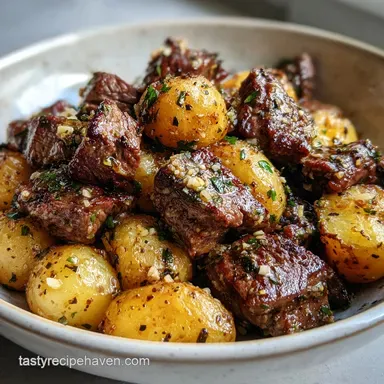
Garlic Butter Steak Potatoes: Pan-Seared Perfection
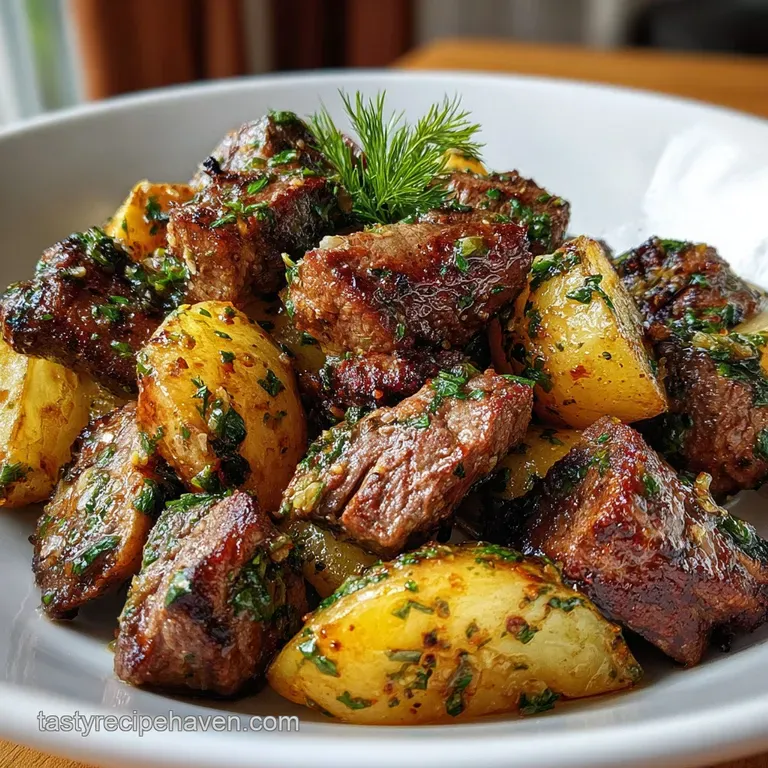
- Time: Active 10 minutes, Passive 20 minutes, Total 30 minutes
- Flavor/Texture Hook: Shatter crisp potatoes and velvety butter basted steak
- Perfect for: High impact weeknight dinners or budget-friendly date nights
- The Physics of the Crust
- Recipe Specs
- Component Analysis
- Ingredient Shopping List
- Essential Cooking Tools
- Step-by-Step Cooking Guide
- Fixing Common Problems
- Recipe Variations and Swaps
- Scaling and Adjustments
- Myths About Searing Steak
- Storage and Waste Tips
- Serving Ideas for Family Dinners
- Recipe FAQs
- 📝 Recipe Card
The Physics of the Crust
Starch Gelatinization: Sautéing potatoes in avocado oil first creates a hydrated starch layer that eventually dehydrates into a crisp, structural shell.
Maillard Reaction Efficiency: Cutting the steak into 1 inch cubes increases the surface area to volume ratio, allowing for more browned, savory crust in less time.
Thermal Mass Retention: Using a heavy skillet maintains a consistent temperature when the cold meat is added, preventing the steak from steaming in its own juices.
| Method | Time | Texture | Best For |
|---|---|---|---|
| Stovetop Skillet | 20 minutes | Maximum crisp edges | Quick weeknight meals |
| Sheet Pan Oven | 35 minutes | Even browning | Large family batches |
| Air Fryer | 18 minutes | Extra crunchy | Single or double servings |
Cooking on the stovetop gives you the most control over the sear, especially when you're working with a budget friendly cut like sirloin. While the oven is great for hands off cooking, the direct contact of the skillet is what gives this Garlic Butter Steak Potatoes recipe its signature bite. Much like the technique used in our Roasted Potatoes and Onions recipe, the key is giving the potatoes enough space to breathe so they don't turn into a mushy mess.
Recipe Specs
When we talk about the specifics of this dish, we're aiming for a balance of 1.5 lbs of steak and 1.5 lbs of potatoes. This 1:1 ratio ensures that every forkful has a bit of both. We’re using Yukon Golds because their waxier texture holds up better during the over high heat sauté than a russet would.
If you used a russet, you’d likely end up with mashed potatoes by the time the steak was done.
The timing is tight — 20 minutes of total cook time. You’ll spend the first 12-15 minutes getting the potatoes to a golden brown state, then only 3-5 minutes on the steak. This prevents the beef from turning into shoe leather.
Sirloin is lean, so it doesn't have the fat cushion of a ribeye; it demands precision.
Component Analysis
| Ingredient | Science Role | Pro Secret |
|---|---|---|
| Yukon Gold Potatoes | High starch, low moisture | Cut them smaller than the steak to ensure they finish first. |
| Sirloin Steak | Lean protein | Pat dry with paper towels to remove surface moisture for a better sear. |
| Avocado Oil | High smoke point (520°F) | Won't break down or taste bitter during the long potato fry. |
| Unsalted Butter | Emulsification and flavor | Add at the very end to prevent the milk solids from burning. |
Choosing the right fat is a decision that can make or break your dinner. I used to use olive oil for everything until I realized why my kitchen was always smoky and my food tasted slightly burnt. Avocado oil is a lifesaver here because it can handle the heat needed to get those potatoes truly crispy.
The butter comes in later, not as a cooking medium, but as a velvety sauce that coats everything in a rich, nutty finish.
Ingredient Shopping List
You’ll want to stick to the quantities below to ensure the pan doesn't get overcrowded. Overcrowding is the enemy of the sear.
- 1.5 lbs sirloin steak: Cut into 1 inch cubes. Why this? Sirloin is affordable and holds its shape perfectly when cubed.
- 1.5 lbs Yukon Gold potatoes: Cut into 1/2 inch cubes. Why this? They provide a buttery interior with a thin, crisp skin.
- 4 tbsp unsalted butter: Cold, cut into cubes.
- 2 tbsp avocado oil: For the over high heat frying.
- 6 cloves fresh garlic: Minced finely.
- 1 tsp dried thyme: Adds an earthy backbone.
- 1.5 tsp kosher salt: Use more or less to taste.
- 1 tsp coarsely ground black pepper: For a bit of heat.
- 0.5 tsp smoked paprika: Gives it a subtle "grilled" flavor.
- 2 tbsp fresh parsley: Chopped for a hit of brightness.
| Original Ingredient | Substitute | Why It Works |
|---|---|---|
| Sirloin Steak | Ribeye or NY Strip | More fat/marbling. Note: Increase price point significantly. |
| Yukon Gold | Red Bliss Potatoes | Similar waxy texture. Note: Will not get quite as golden brown. |
| Avocado Oil | Grapeseed Oil | Both have high smoke points. Note: Avoid extra virgin olive oil here. |
| Fresh Garlic | Garlic Confit | Milder, sweeter flavor. Note: Use 2 tbsp instead of 6 cloves. |
If you’re looking for a different vibe entirely, you could try using the seasonings from a Steak Hibachi Recipe to give this a Japanese steakhouse twist. Just swap the thyme and paprika for a splash of soy sauce and some ginger. The physics of the sear remain exactly the same, regardless of the flavor profile you choose.
Essential Cooking Tools
You don't need a kitchen full of gadgets, but a heavy bottomed pan is non negotiable. I prefer a 12 inch cast iron skillet (like a Lodge). Cast iron retains heat better than stainless steel, meaning when you drop 1.5 lbs of cold meat into the pan, the temperature doesn't plummet.
If the temp drops, the meat starts to "bleed" juice, and you'll end up boiling your steak instead of searing it.
A sharp chef's knife is your second best friend here. Because we’re cutting the potatoes smaller than the steak, precision matters. You want the potatoes to be 1/2 inch cubes so they have more surface area to touch the pan.
This ensures they cook through and get crunchy in the time it takes the steak to reach a medium rare or medium finish.
Step-by-step Cooking Guide
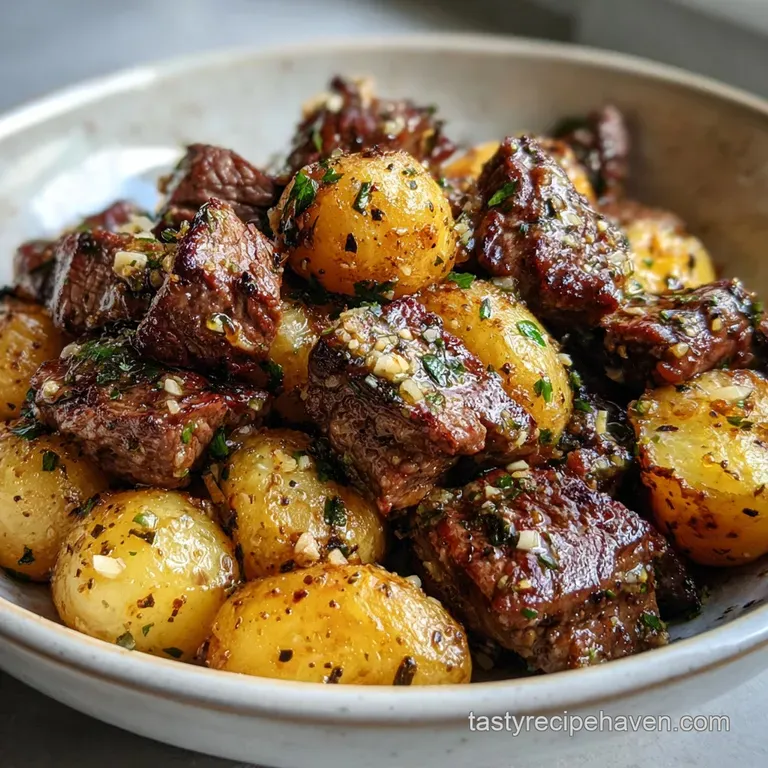
- Prep the ingredients. Cut the 1.5 lbs of sirloin into 1 inch cubes and the 1.5 lbs of potatoes into 1/2 inch cubes. Note: Consistency in size ensures even cooking.
- Dry the steak. Use paper towels to pat the steak cubes until bone dry. Note: Moisture creates steam, which prevents browning.
- Season the meat. Toss the steak with 0.5 tsp salt, 0.5 tsp pepper, and the smoked paprika.
- Heat the oil. Add 2 tbsp avocado oil to a large skillet over medium high heat until it shimmers and wisps of smoke appear.
- Fry the potatoes. Add the potatoes to the pan in a single layer. Cook for 12-15 minutes, tossing occasionally, until golden brown and fork tender.
- Remove potatoes. Transfer the potatoes to a plate and set aside. Note: This keeps them from getting soggy while the steak cooks.
- Sear the steak. Increase heat to high. Add the steak cubes in a single layer. Cook for 2 minutes without moving them until a deep brown crust forms.
- Flip and finish. Stir the steak and cook for another 2 minutes. Add the 4 tbsp butter, 6 cloves of minced garlic, and 1 tsp thyme.
- Combine and baste. Return the potatoes to the pan. Toss everything in the melting garlic butter for 1 minute until the garlic smells fragrant and the butter foams.
- Garnish and serve. Remove from heat immediately. Sprinkle with the fresh parsley and remaining salt/pepper.
Chef's Tip: Freeze your butter for 10 minutes before dicing it. Cold butter takes longer to melt, allowing the milk solids to emulsify into a thicker, more velvety sauce rather than just turning into liquid oil.
Fixing Common Problems
One of the biggest heartbreaks is biting into a potato that looks brown but feels like a raw apple inside. This usually happens if the heat was too high too fast. The outside burns before the starch in the middle has a chance to soften. If this happens, don't panic.
You can add a tablespoon of water to the pan and cover it for 2 minutes; the steam will finish the centers, then you can uncover and re crisp.
Another issue is the garlic burning. Garlic has a very low tolerance for high heat. If you add it at the start with the steak, it will turn black and bitter. That’s why we add it only in the final minute of cooking.
The residual heat of the pan and the foaming butter are more than enough to cook the garlic perfectly without scorching it.
My Potatoes are Soft
If your potatoes aren't reaching that "shatter" stage, it’s likely due to overcrowding or not enough oil. The potatoes need to be in a single layer. If they are piled on top of each other, they trap steam, which softens the skin. Work in batches if your pan isn't large enough.
Also, make sure you aren't using a lid during the frying phase.
The Steak is Tough
Sirloin can get chewy if it's overcooked. Aim for a 4 minute total sear time for the meat. If you like your steak well done, you’ll have to accept a bit more chew. To help tenderize budget cuts, you can sprinkle the meat with a tiny pinch of baking soda 15 minutes before cooking, then rinse and dry thoroughly.
This raises the pH and keeps the proteins from tightening up too much.
| Problem | Root Cause | Solution |
|---|---|---|
| Gray, boiled steak | Too much moisture or crowded pan | Pat meat dry and cook in two batches if needed. |
| Bitter aftertaste | Burnt garlic | Add garlic only when the butter is foaming at the very end. |
| Potatoes sticking | Pan wasn't hot enough | Wait for the oil to shimmer before adding the potatoes. |
Common Mistakes Checklist
- ✓ Never wash the potatoes after cutting; you want that surface starch to help with the browning.
- ✓ Don't use a non stick pan; you won't get the same level of Maillard browning as you would with cast iron.
- ✓ Resist the urge to stir the steak constantly; it needs 2 minutes of "quiet time" to develop a crust.
- ✓ Use fresh garlic cloves; the jarred stuff has too much moisture and a metallic "off" flavor.
- ✓ Let the dish sit for 2 minutes after cooking to allow the butter sauce to thicken slightly.
Recipe Variations and Swaps
If you’re watching your carbs, you can easily swap the potatoes for cauliflower florets. Just be aware that cauliflower cooks much faster usually about 6-8 minutes total. It won't get that same "shatter" crunch, but it absorbs the garlic butter like a sponge, making it incredibly savory. For another great side idea that works well as an Appetizer Recipe with garlic and herbs, try whipping up some goat cheese to dollop on top of the steak bites.
For a spicy kick, add a teaspoon of red pepper flakes when you add the garlic. The heat from the pepper flakes infuses into the butter, creating a "hot honey" vibe without the sweetness.
If you want to go the opposite direction and make it even more decadent, add a splash of heavy cream at the very end to create a pan sauce.
The Air Fryer Shortcut
If you’re in a real rush, you can toss the potato cubes in oil and salt and air fry them at 400°F for 15 minutes. While they fry, sear the steak in a pan on the stove. This allows you to cook both components simultaneously.
Once the potatoes are done, toss them into the skillet with the butter and garlic for that final 60 second finish. It cuts your active stovetop time in half.
The Slow Cooker Adaptation
You can make a version of this in a crockpot, but I’ll be honest: you lose the crunch. To make it work, sear the steak and potatoes in a pan first (yes, an extra step, but necessary for flavor), then toss them into the slow cooker with the garlic, butter, and herbs. Cook on low for 4 hours.
The steak will be "pot roast" style tender, and the potatoes will be velvety.
Scaling and Adjustments
When doubling this recipe for a crowd, do not just throw 3 lbs of meat and potatoes into the pan at once. You will end up with a soggy mess. Instead, cook the potatoes in two separate batches and set them aside. Then, sear the meat in two batches. Combine everything at the very end for the garlic butter toss.
It takes a bit longer, but the quality stays high.
For a smaller portion (halving the recipe), you can use a smaller 8 inch or 10 inch skillet. Since there's more room in the pan, the potatoes might cook slightly faster, so keep an eye on them starting at the 10 minute mark.
You can use one whole egg to bind the seasonings to the meat if you’re doing a breaded version, but for this classic sear, no binder is needed.
Myths About Searing Steak
There is a long standing myth that searing "seals in the juices." Science tells us this is false. Moisture is actually lost during the searing process because heat causes muscle fibers to contract.
The real reason we sear is the Maillard reaction a chemical reaction between amino acids and reducing sugars that creates hundreds of new flavor compounds. We aren't sealing anything; we are building a flavor profile that doesn't exist in raw or boiled meat.
Another myth is that you should only flip steak once. In reality, flipping the steak bites every minute or so can actually help them cook more evenly and faster. However, for these small cubes, I find that letting them sit for 2 minutes on one side gives them a better "crust" appearance which is visually more appealing for this specific dish.
Storage and Waste Tips
Fridge Life: These Garlic Butter Steak Potatoes will stay good in an airtight container for up to 4 days. The potatoes will lose their crunch in the fridge, but the flavor actually deepens as the garlic mellows into the beef.
Reheating: Avoid the microwave if you can. It turns the steak into rubber. Instead, throw the leftovers back into a hot skillet with a tiny splash of water or more butter. Cover it for a minute to heat through, then uncover to let the potatoes firm back up.
Zero Waste: Don't throw away those potato peels! If you choose to peel your Yukons, toss the skins with a bit of oil and salt and bake them at 400°F for 10 minutes. They make amazing "kitchen sink" chips.
Also, any leftover garlic butter in the pan should be wiped up with a piece of crusty bread it’s liquid gold.
Serving Ideas for Family Dinners
This dish is a complete meal on its own, but it loves a bit of green on the side to cut through the richness. A simple arugula salad with a lemon vinaigrette provides a peppery brightness that balances the heavy butter.
If you want something heartier, it pairs beautifully with roasted broccoli or even a side of creamed spinach.
For a fun family style presentation, serve it right out of the cast iron skillet in the middle of the table. There’s something communal and rustic about everyone diving into a hot pan of steak and potatoes. Just make sure to put a sturdy trivet down! The heavy skillet will keep the food warm for at least 20 minutes, so no one has to worry about their dinner getting cold while they reach for seconds. You could even serve this alongside a Sweet Potato Casserole recipe during the holidays for a fun "two potato" feast.
Recipe FAQs
Can I use russet potatoes instead of Yukon Gold?
No, it's best to stick with Yukon Gold or a similar waxy potato. Russets have a higher starch content and lower moisture, meaning they're more likely to break down and become mushy when cooked at high heat. If you enjoyed mastering the texture control in this recipe, the same principles apply to achieving the perfect crisp in our Roasted Sweet Potatoes: Crispy Baked.
Why is my steak tough after cooking?
This is usually due to overcooking or not drying the steak properly. Sirloin is a lean cut that can become chewy if cooked past medium rare. Always ensure your steak cubes are patted completely dry before searing to promote crust formation instead of steaming, which can toughen the meat.
How do I prevent my garlic from burning?
Add the garlic in the last minute of cooking, after the steak is seared and the butter is melting. Garlic has a low tolerance for high heat; adding it too early will cause it to turn black and develop a bitter flavor, ruining the dish.
What's the best way to reheat leftovers?
Avoid the microwave if possible, as it can make the steak rubbery. The best method is to reheat the leftovers in a hot skillet with a small splash of water or a bit more butter. Cover briefly to heat through, then uncover to help the potatoes regain some crispness.
Can I make this dish spicier?
Yes, add red pepper flakes for heat. Stir in about a teaspoon of red pepper flakes when you add the garlic and butter in the final minute of cooking. This will infuse the butter with a pleasant heat without adding sweetness.
What are the best potatoes for crispiness?
Yukon Gold potatoes are ideal due to their waxy texture and lower moisture content. This allows them to crisp up beautifully without becoming mushy, which is crucial for achieving the "shatter crisp" texture described in the recipe. If you enjoyed mastering the crisping technique here, you'll find similar principles applied in our Corn and Cream Cheese Recipe - Creamy Casserole for a delightful textural contrast.
Can I use olive oil instead of avocado oil?
No, stick with a high smoke point oil like avocado or grapeseed oil. Extra virgin olive oil has a lower smoke point and will break down and burn at the high temperatures needed to get the potatoes crispy, leading to a bitter taste.
Garlic Butter Steak Potatoes