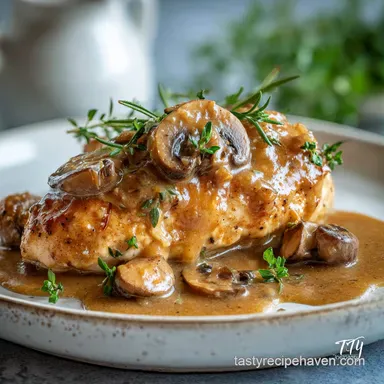
Slow Cooker Chicken Breast with Gravy
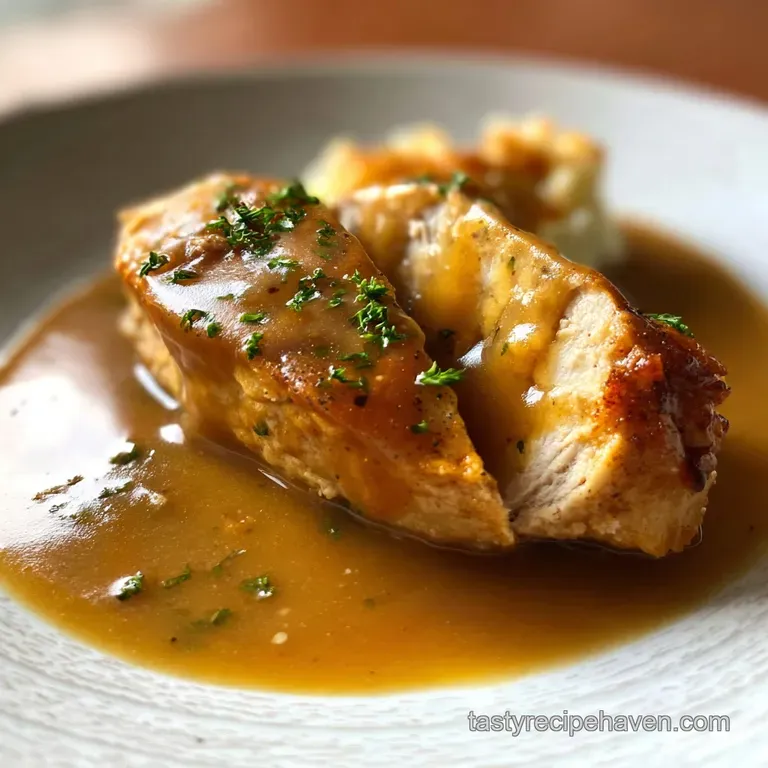
- Time: Active 5 minutes, Passive 4 hours, Total 4 hours 5 mins
- Flavor/Texture Hook: Savory, silky gravy over tender, shreddable chicken
- Perfect for: Busy weeknight dinners or hands off meal prep
- Slow Cooker Chicken Breast with Gravy Success
- The Physics of over Low heat Braising
- Vital Recipe Specifications
- The Core Flavor Components
- Vital Ingredients and Reliable Substitutes
- Minimal Tools Required for Success
- Simple Steps for Velvety Chicken
- Fixing Common Cooking Mistakes
- Scaling for Larger Crowds
- Debunking Slow Cooker Tales
- Storage and Freezer Safety Tips
- Presentation and Serving Ideas
- High in Sodium
- Recipe FAQs
- 📝 Recipe Card
Slow Cooker Chicken Breast with Gravy Success
The house smells like a Sunday afternoon at grandma’s, even though it’s a chaotic Tuesday and I’ve barely touched a pan. There is something deeply grounding about the sizzle of a slow cooker lid settling into place, knowing that hours later, the result will be a velvety, savory masterpiece.
I remember the first time I tried this; I was skeptical that a simple packet and a can of soup could produce something so rich, but the way the chicken just gives way under a fork changed my mind forever.
We have all had those days where the thought of standing over a stove feels like a mountain we can't climb. This recipe is the solution for when you want a "real" meal without the "real" effort. It’s consistent, it’s forgiving, and honestly, it beats any drive thru option on a cold evening.
You'll get that deep, concentrated flavor that usually takes hours of reduction, all while you're out running errands or finishing work.
The magic happens in that sealed ceramic pot. As the chicken releases its natural juices, they mingle with the dry gravy mix and the cream of chicken soup, creating a sauce that is far more complex than the sum of its parts. Let's get into how we make this work every single time without the meat turning into rubber.
The Physics of over Low heat Braising
Protein Denaturation: Low, steady heat prevents the tightly coiled protein fibers in the chicken breast from snapping shut and squeezing out all moisture.
Starch Gelatinization: The starches in the soup and gravy mix hydrate and swell over four hours, creating a thick, velvety coating that clings to the meat.
Vital Recipe Specifications
| Thickness | Internal Temp | Rest Time | Visual Cue |
|---|---|---|---|
| 1 inch | 165°F | 5 mins | Opaque and shreddable |
| 1.5 inches | 165°F | 8 mins | Fiber separation |
| 2 inches | 165°F | 10 mins | No pink in center |
The cook time for 2 lbs of chicken is quite precise in this setup. If you go too long, even the best gravy can't save a dry breast. Stick to the 4 hours mark on low for the best results.
The Core Flavor Components
| Ingredient | Science Role | Pro Secret |
|---|---|---|
| Chicken Breast | Primary Protein | Keep them whole to retain internal moisture during the long braise. |
| Dry Gravy Mix | Flavor Concentrator | Contains savory umami agents that deepen without needing a long stovetop reduction. |
| Chicken Broth | Hydration Agent | Provides the necessary liquid to prevent the soup from scorching at the edges. |
Vital Ingredients and Reliable Substitutes
- 2 lbs boneless, skinless chicken breasts: The star of the show. Why this? Lean protein that absorbs the surrounding savory flavors perfectly.
- Substitute: Boneless chicken thighs. They are more forgiving and remain juicy even if overcooked by an hour.
- 10.5 oz condensed cream of chicken soup: This acts as our thick, creamy base. Why this? Provides instant body and fat for a silky mouthfeel.
- Substitute: Cream of mushroom soup. It adds an earthy, woody note that pairs well with the brown gravy.
- 1.74 oz dry brown gravy mix (2 packets): This provides the deep color and salt. Why this? Adds instant savory depth without needing a homemade roux.
- Substitute: Au Jus mix. This will result in a thinner, saltier, and more beef forward flavor profile.
- 1 cup chicken broth: Keeps things moving. Why this? Thins the condensed soup just enough to allow heat circulation.
- Substitute: Water with a bouillon cube. It's a pantry stable way to keep that poultry flavor high.
- 0.5 tsp black pepper: For a subtle back of-the throat heat.
- 1 tsp garlic powder: Essential for that classic "homestyle" aroma.
- 0.5 tsp dried thyme: Adds a floral, herbal top note.
- 1 tbsp cornstarch & 2 tbsp cold water: Our final thickening insurance policy.
Minimal Tools Required for Success
You don't need a kitchen full of gadgets for this one. A standard 6 quart slow cooker is my go to because it gives the chicken enough room to be submerged in the liquid without crowding.
You will also need a small whisk or even just a fork to blend the soup and broth so you don't end up with "soup clumps" in your finished gravy.
I usually keep a pair of sturdy forks nearby for the shredding stage. If you're feeling fancy, a potato masher actually works wonders for breaking down the chicken quickly right in the pot. It’s much faster than the two fork method and saves your wrists some work.
Simple Steps for Velvety Chicken
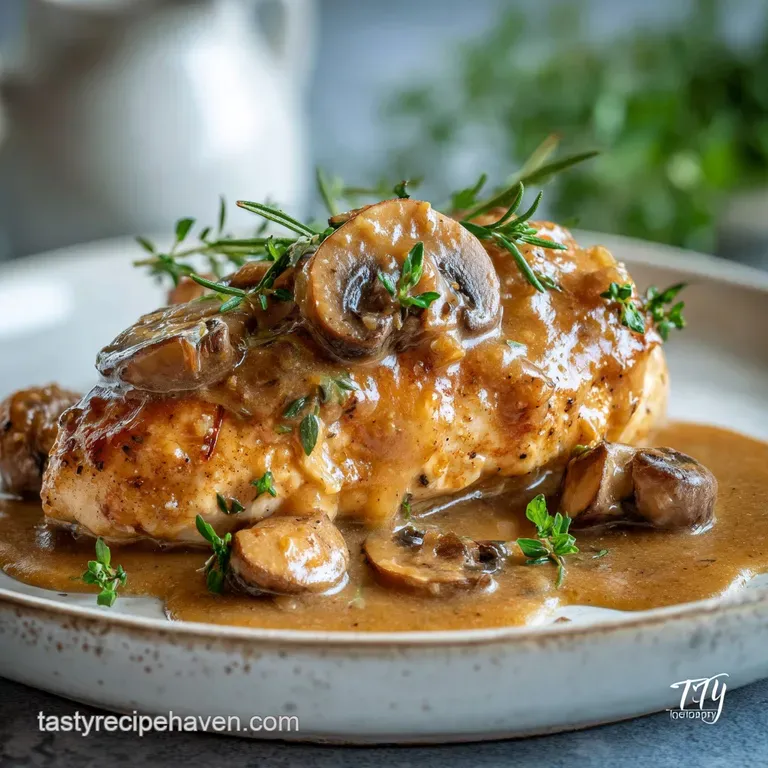
Juicy Breast Meat Secrets
- Prep the base. Whisk the 10.5 oz cream of chicken soup, 1.74 oz dry gravy mix, 1 cup chicken broth, and spices in the slow cooker. Note: This ensures the seasoning is evenly distributed before adding the meat.
- Nestle the chicken. Place the 2 lbs of chicken breasts into the liquid, ensuring they are mostly covered.
- Slow and low. Cover and cook on low for 4 hours until the meat is tender and opaque.
- Check for doneness. Use a meat thermometer to ensure the thickest part of the breast has reached 165°F.
- Remove and rest. Take the chicken out and let it sit on a plate for 5 minutes. Note: This allows the fibers to relax so the juices don't run out when you cut it.
- Create the slurry. Mix 1 tbsp cornstarch with 2 tbsp cold water in a small cup until smooth.
- Thicken the sauce. Whisk the slurry into the hot liquid in the slow cooker and turn the heat to high for 10 minutes until the gravy is glossy and thick.
- Combine and serve. Slice or shred the chicken and return it to the pot, tossing to coat every inch in that silky sauce.
Chef Tip: To take the flavor up a notch, "bloom" your garlic powder and thyme by stirring them into the room temperature broth for a minute before adding the soup. This helps the dried herbs release their oils more effectively in the over low heat environment.
Fixing Common Cooking Mistakes
Why Your Gravy Is Thin
If you open the lid and the sauce looks more like a soup than a gravy, don't panic. This usually happens if the chicken released more moisture than expected. The cornstarch slurry is your best friend here, but it only activates with heat.
Make sure your slow cooker is on the "high" setting when you add it, or the starch won't reach the temperature needed to swell and thicken.
Avoiding Dry Texture
Chicken breast is notoriously lean. If you leave it in for 6 or 8 hours, it will turn into flavorless strings, regardless of how much gravy you use. This is why I emphasize the 4 hours mark. If you're like me and sometimes get distracted, using a slow cooker with a programmable timer that switches to "warm" is a life saver for this specific Beef and Noodles recipe style of cooking.
| Problem | Root Cause | Solution |
|---|---|---|
| Grainy Sauce | Dry mix didn't dissolve | Whisk the broth and soup vigorously before adding chicken |
| Salty Gravy | Reduced too much | Stir in a splash of heavy cream or unsalted broth at the end |
| Tough Chicken | Cooked on "High" | Always use the "Low" setting for lean breasts to keep fibers tender |
Common Mistakes Checklist
- ✓ Never cook chicken breasts on the "high" setting for long periods; it toughens the meat.
- ✓ Don't skip the resting period for the chicken; it's vital for moisture retention.
- ✓ Avoid lifting the lid during the first 3 hours; every time you do, you lose 15-20 minutes of heat.
- ✓ Always mix cornstarch with cold water first; adding it directly to hot liquid creates lumps.
Scaling for Larger Crowds
Feeding a Group
If you need to double this for a potluck or a big family dinner, go up to 4 lbs of chicken. However, don't double the liquids and salts exactly. Use 1.5 times the broth (1.5 cups) and 1.5 times the seasonings.
The chicken will release a lot of its own liquid, and doubling the soup and gravy packets fully can make the dish overwhelmingly salty. You’ll likely need a larger 7-8 quart slow cooker to ensure even heat distribution.
Cooking for Two
For a half batch, use 1 lb of chicken but keep the 10.5 oz soup and one gravy packet. Having extra gravy is never a bad thing, and it prevents the smaller amount of meat from drying out in a large pot. You can reduce the cook time by about 45 minutes, but always check that internal temperature. This method is similar to the ease found in a Crockpot Chicken Spaghetti recipe.
| Component | Fresh Method | Shortcut Method (This Recipe) |
|---|---|---|
| Prep Time | 25 minutes | 5 minutes |
| Tools | Multiple pans/whisks | One slow cooker |
| Consistency | Variable based on roux | Highly reliable and thick |
Debunking Slow Cooker Tales
One common myth is that you must sear the chicken before putting it in the slow cooker to "seal in the juices." In reality, searing creates flavor through the Maillard reaction (browning), but it doesn't actually act as a moisture seal.
In a dish with this much gravy, you can skip the searing entirely and still get a fantastic result with much less cleanup.
Another misconception is that you can't overcook meat in a slow cooker as long as there is liquid. This is false for lean cuts like breasts. Once the internal temperature climbs too high, the proteins contract and become rubbery, even if they are submerged in a gallon of sauce. Stick to the clock!
Storage and Freezer Safety Tips
Leftovers stay great in the fridge for up to 4 days when kept in an airtight container. The gravy actually thickens further as it cools, so when you go to reheat it, you might need a tablespoon of water or broth to loosen it back up to that silky consistency.
For freezing, this dish is a superstar. Let the chicken and gravy cool completely, then transfer to a freezer safe bag. It will stay fresh for up to 3 months. To reheat, thaw it in the fridge overnight and warm it slowly on the stove. If you have extra gravy but no chicken left, save it!
It's incredible over mashed potatoes the next day or even used as a base for a quick chicken pot pie filling.
Presentation and Serving Ideas
To make this look as good as it tastes, I always recommend a "pop" of color. A sprinkle of fresh parsley or even some extra dried thyme on top makes the dish look intentional rather than just "brown." Serving this over a bed of fluffy mashed potatoes is the classic move, but it's equally good over wide egg noodles or even a pile of white rice to soak up every drop of that sauce.
- Southern Style
- Serve over split buttermilk biscuits with a side of green beans.
- Low Carb
- Spoon the chicken and gravy over steamed cauliflower mash or zoodles.
- Open Faced
- Pile it high on a thick slice of toasted sourdough bread for a "hot chicken" sandwich style.
High in Sodium
895 mg mg of sodium per serving (39% of daily value)
The American Heart Association recommends limiting sodium intake to about 2,300mg per day for overall cardiovascular health.
Easy Tips to Reduce Sodium in This Recipe
-
Low Sodium Broth-30%
Replace regular chicken broth with low-sodium or no-salt added chicken broth. This simple swap can significantly reduce the sodium content without sacrificing flavor.
-
DIY Gravy Mix-25%
Make your own brown gravy mix from scratch using low-sodium ingredients and herbs. store-bought mixes are often very high in sodium. This gives you complete control over the sodium content.
-
Healthier Soup Choice-20%
Opt for a low-sodium condensed cream of chicken soup or make your own from scratch. Canned soups are a major source of sodium in many recipes.
-
Spice It Up!
Experiment with a variety of sodium free herbs and spices to enhance the flavor of your dish. Consider adding onion powder, smoked paprika, or a pinch of cayenne pepper for depth.
Recipe FAQs
Can I skip browning the chicken breasts before slow cooking?
Yes, you can completely skip the searing step. Searing primarily adds color and flavor depth (Maillard reaction), which is less critical when the meat braises for hours in a highly seasoned sauce.
How long should chicken breasts cook on low in the slow cooker?
Cook for exactly 4 hours on the low setting. Chicken breast is lean and becomes dry quickly; checking the internal temperature at this time ensures it hits 165°F without overcooking the muscle fibers.
What is the best way to thicken the gravy at the end?
Whisk a cornstarch slurry (cornstarch mixed with cold water) into the hot liquid. Turn the slow cooker to high for 10 minutes after adding the slurry to activate the starch and achieve a glossy, thick texture.
Is it true that slow cooking prevents chicken breasts from drying out regardless of time?
False. While slow cooking is forgiving, lean proteins like breasts will still toughen and dry out if cooked significantly past the safe 165°F internal temperature.
How do I adjust this recipe if I use frozen chicken breasts?
Add 1 to 1.5 hours to the total cooking time. Never try to cook chicken from frozen on high heat; use the low setting to allow the meat to thaw gradually before the cooking process finishes, similar to ensuring even cooking in a Franks Buffalo Chicken recipe.
What liquid works best if I don't have condensed cream of chicken soup?
Use cream of mushroom soup or a mix of milk/heavy cream and extra broth. If you use a dairy substitute, you might need to compensate for the lost fat content by adding a teaspoon of butter for better mouthfeel, much like balancing fat in our Potato Soup recipe.
How should I store leftovers to maintain the gravy texture?
Refrigerate in an airtight container, adding a splash of water or broth upon reheating. The gravy will naturally thicken significantly as it cools, so a small addition of liquid restores the original silky consistency.
Slow Cooker Chicken Gravy