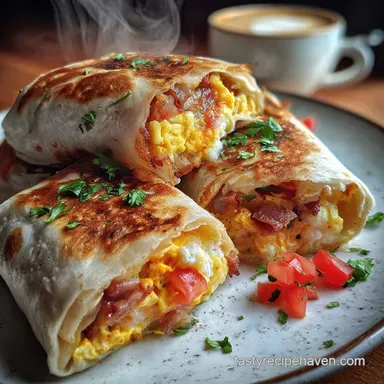
Classic Breakfast Burritos: Shatter-Crisp Potatoes
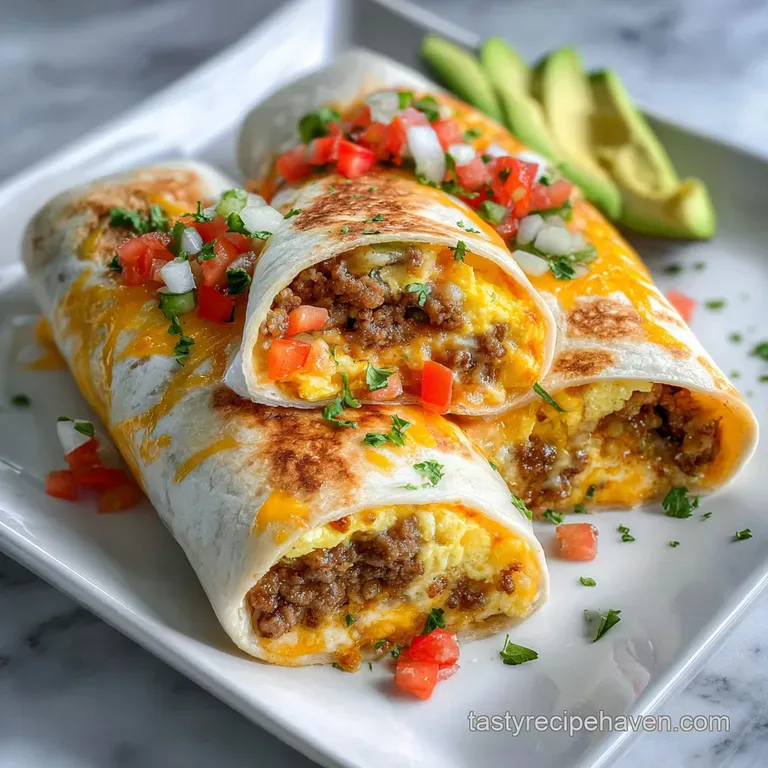
- Time: Active 15 minutes, Passive 25 minutes, Total 40 minutes
- Flavor/Texture Hook: Shatter crisp potatoes and velvety chive infused eggs
- Perfect for: High protein meal prep or a slow Saturday morning
- Perfect Classic Breakfast Burritos Masterclass
- Thermodynamics of the Morning Scramble
- Essential Metrics for Perfect Results
- Selecting Flavor First Pantry Staples
- Essential Tools for Better Cooking
- Executing the Golden Brown Sear
- Solving Texture and Structural Issues
- Smart Substitutions for Every Diet
- Maintaining Freshness and Easy Reheating
- Enhancing Flavor with Creative Toppings
- Frequently Asked Questions
- Very High in Sodium
- Recipe FAQs
- 📝 Recipe Card
Perfect Classic Breakfast Burritos Masterclass
There is a specific sound I wait for every Saturday morning: the aggressive sizzle of diced Russet potatoes hitting a shimmer of hot oil. It’s a sharp, crackling greeting that promises the weekend has officially started.
I used to be the person who just tossed everything into a tortilla and hoped for the best, only to end up with a sad, steaming mess that fell apart before the second bite. We've all been there, standing over the sink, trying to salvage a blowout.
The turning point for me was realizing that these aren't just wraps; they are small pieces of culinary architecture. I started paying attention to the moisture levels and the order of operations.
Now, when I peel those 2 large Russet potatoes, I'm thinking about the surface area and how that 1/2 inch cube is going to catch the smoked paprika. The aroma of rendering pork sausage mingling with fresh chives is, quite honestly, better than any alarm clock ever invented.
We’re going to walk through exactly how to build a burrito that actually holds its shape and delivers that "golden brown and delicious" experience every single time. No more soggy bottoms or cold centers. Just pure, hand held comfort food that makes you feel like a professional chef in your own pajamas.
Let's crack on.
Thermodynamics of the Morning Scramble
- Starch Retrogradation: Chilling or dry heating the potatoes allows the surface starches to dehydrate, creating a structural "crust" that stays crispy even when tucked next to moist eggs.
- Emulsified Buffer: Adding 2 tbsp heavy cream to the 8 eggs creates a fat barrier that prevents the egg proteins from bonding too tightly, which is why they stay velvety rather than turning rubbery.
- Capillary Action Control: Draining the 1/2 cup of salsa is vital because it prevents water from migrating into the flour tortilla, which would otherwise soften the gluten and cause a structural blowout.
- Maillard Enhancement: The 1 lb ground pork sausage undergoes a chemical reaction between amino acids and reducing sugars at high heat, developing hundreds of flavor compounds that plain boiled meat lacks.
| Method | Time | Texture | Best For |
|---|---|---|---|
| Cast Iron Sear | 25 minutes | Ultra crispy, charred spots | Maximum flavor enthusiasts |
| Air Fryer Base | 18 minutes | Evenly golden, less oil | Busy weekday mornings |
| Oven Sheet Pan | 30 minutes | Consistent, soft tender | Batch cooking for crowds |
Choosing the right method depends on your morning vibe. If I have the time, I always go for the cast iron. The way the heavy metal retains heat gives those potatoes a specific "shatter" that you just can't replicate in a plastic lined air fryer.
However, if you're making a double batch for the freezer, the sheet pan method is a lifesaver for keeping your sanity intact.
Essential Metrics for Perfect Results
| Ingredient Component | Science Role | Pro Secret |
|---|---|---|
| Russet Potatoes | High starch content | Soak in cold water for 10 minutes to remove surface starch for extra crispiness |
| Heavy Cream | Fat based tenderizer | Whisk until no streaks remain to ensure a uniform, custardy curd |
| Flour Tortillas | Structural vessel | Heat on an open flame for 10 seconds to make the gluten pliable and stretchy |
| Sharp Cheddar | Fat and binding agent | Grate it yourself; pre shredded cheese is coated in cellulose which prevents a smooth melt |
Understanding these components changes the game. For example, if you've ever wondered why restaurant burritos feel so much more "stretchy" and secure, it's usually because they aren't using cold tortillas straight from the bag. The heat transforms the tortilla from a brittle sheet into a functional tool.
Selecting Flavor First Pantry Staples
To make truly exceptional Classic Breakfast Burritos, you need to be picky about your foundations. I’ve tested this with various swaps, and while you can play around, these specific quantities from the official recipe are the sweet spot for a yield of 6 burritos.
- 2 large Russet potatoes (500g): Peeled and diced. Why this? Russets have the highest starch for that distinct crispy exterior.
- Substitute: Yukon Gold potatoes for a creamier, waxier bite.
- 1 lb ground pork breakfast sausage: The savory backbone. Why this? Pork fat carries the spices better than lean turkey sausage.
- Substitute: Soy based "chorizo" for a vegetarian kick.
- 8 large eggs: The glue of the recipe. Why this? Provides enough volume to balance the heavy starch and meat.
- Substitute: Just Egg (liquid plant based) for a vegan friendly version.
- 2 tbsp (30ml) heavy cream: For the egg texture. Why this? Prevents the eggs from weeping liquid inside the burrito.
- Substitute: Whole milk (though the eggs will be slightly less rich).
- 1.5 cups (150g) sharp cheddar cheese: Freshly shredded. Why this? Sharpness cuts through the richness of the sausage fat.
- Substitute: Pepper Jack if you want a subtle, creeping heat.
- 6 extra large flour tortillas (10-12 inch): The wrapper. Why this? You need the surface area for a proper "envelope" fold.
- Substitute: Whole wheat tortillas (note: they are more prone to tearing).
- 1/4 cup fresh chives: Mined finely. Why this? Adds a bright, oniony top note that freshens the palate.
- Substitute: Green onion tops or a pinch of dried tarragon.
- 1/2 cup chunky salsa: Drained thoroughly. Why this? Provides acidity without the excess water that causes sogginess.
- Substitute: Hot sauce or Pico de Gallo (also drained).
Essential Tools for Better Cooking
You don't need a professional kitchen, but a few specific items make this whole process much more enjoyable. A heavy bottomed skillet I prefer a 12 inch cast iron is non negotiable for the potatoes.
It provides the thermal mass needed to get that deep brown sear without the temperature dropping when you add the cold spuds.
You'll also want a high-quality non stick pan for the eggs. There's nothing more frustrating than leaving half of your velvety scramble stuck to the bottom of a stainless steel pan. A flexible silicone spatula is your best friend here; it lets you sweep the bottom of the pan to create those beautiful, soft folds.
Finally,, a fine mesh strainer is essential for draining that salsa. It sounds like an extra step, but trust me, your tortilla's structural integrity depends on it.
Executing the Golden Brown Sear
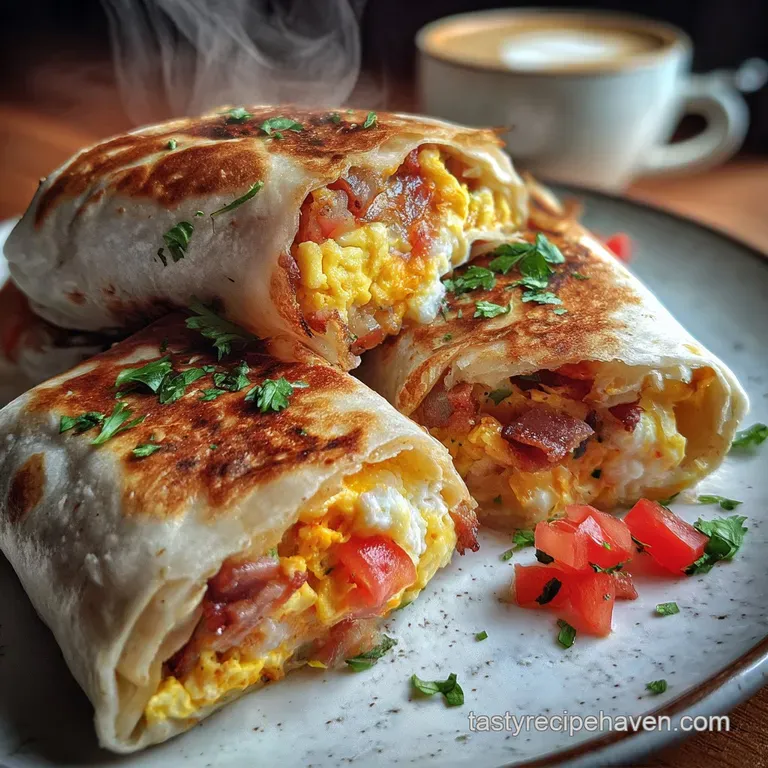
1. The over High heat Potato Sear
Heat 2 tbsp of neutral oil in your heavy skillet over medium high heat. Add the diced Russet potatoes and let them sit undisturbed for 4-5 minutes until a deep golden crust forms. Resist the urge to shake the pan too early!
Once they release easily, toss them with the smoked paprika, garlic powder, salt, and pepper. Cook for another 8-10 minutes until tender inside.
2. The Quick Cook Protein Phase
In a separate pan (or the same one, wiped out), brown the 1 lb pork sausage. Break it into small crumbles with your spatula. Cook for 6-8 minutes until no pink remains and the edges are slightly crispy. Remove the meat and set it aside on a paper towel lined plate to drain excess fat.
3. The Gentle Scramble
Whisk the 8 eggs with 2 tbsp heavy cream and a pinch of salt. Melt 1 tbsp butter in a non stick skillet over medium low heat. Pour in the eggs and let them sit for 20 seconds. Using your spatula, gently push the eggs toward the center. Add the chives.
Cook until they look slightly underdone and wet, as they will continue to cook from residual heat.
4. The Engineered Assembly
Lay your warmed tortilla flat. In the center, layer a portion of cheese, followed by the crispy potatoes, savory sausage, and a scoop of eggs. Top with a tablespoon of the drained salsa. Note: Placing the cheese first creates a "fat barrier" that protects the tortilla from moisture.
5. The Final Sear
Fold the sides of the tortilla in, then roll tightly from the bottom. Place the burrito seam side down in a hot, dry skillet. Press down slightly. Toast for 1-2 minutes per side until the tortilla is golden and the seam is fused shut. This technique is similar to how we achieve the crunch in our Grilled Cheese Burrito recipe.
Solving Texture and Structural Issues
Why Your Burrito Is Soggy
The most common culprit is "moisture migration." When you use watery salsa or undrained potatoes, the steam gets trapped inside the tortilla. This softens the gluten bonds, turning your wrap into a mushy mess.
Another hidden cause is "over scrambling" the eggs; if they are cooked too fast at too high a heat, they will "weep" liquid as they cool.
Why The Tortilla Tears
If your tortilla is cold, the starches are crystallized and brittle. As soon as you try to fold it, it snaps. Always heat your tortillas until they are floppy and warm to the touch. Also, watch your filling volume if you can't comfortably bring the sides together with a 1 inch overlap, you've overstuffed it.
| Problem | Root Cause | Solution |
|---|---|---|
| Leaking Bottom | Unsealed seam or wet filling | Sear the seam first and drain your salsa through a mesh sieve |
| Bland Interior | Under seasoned potatoes | Salt the potatoes after the initial sear to prevent moisture draw out |
| Tough Eggs | Overcooking or high heat | Pull eggs off the burner while they still look "glossy" and move them to a plate |
Common Mistakes Checklist
- ✓ Pat the potato cubes dry with a paper towel before frying to ensure a crisp sear.
- ✓ Drain the sausage thoroughly; excess grease is the enemy of a clean fold.
- ✓ Warm the tortillas in a damp paper towel in the microwave if you don't have a gas range.
- ✓ Don't skip the final sear it’s the difference between a "good" burrito and a "pro" one.
- ✓ Let the fillings cool slightly (just for 2 minutes) before wrapping to reduce internal steam.
Smart Substitutions for Every Diet
| Original Ingredient | Substitute | Why It Works |
|---|---|---|
| Pork Sausage | Turkey Sausage | Lower fat content. Note: Needs more oil in the pan to prevent sticking |
| Heavy Cream | Greek Yogurt (1 tbsp) | Adds a pleasant tang and protein. Note: Eggs will be denser |
| Cheddar Cheese | Nutritional Yeast | Provides a nutty, cheesy flavor for dairy-free needs |
If you are looking for a more plant forward start to your day, you can easily swap the sausage for black beans seasoned with cumin and lime. However, keep in mind that beans hold more moisture than browned meat, so you'll want to simmer them until the liquid has completely evaporated. If you're a fan of complex textures, the crisping method used for these potatoes is very similar to the bottom crunch technique in a Fried Gyoza Recipe.
Maintaining Freshness and Easy Reheating
The Freezer Breakfast Burritos Method
To freeze, allow all components to cool completely before assembly. This is the "golden rule" of meal prep wrapping hot food creates immediate condensation, which leads to ice crystals and freezer burn. Wrap each finished burrito tightly in foil, then place them in a heavy duty freezer bag.
They will stay fresh for up to 3 months.
The Dual Stage Reheat
For the best results from frozen, don't just microwave it. Microwave the burrito (wrapped in a damp paper towel) for 2 minutes on 50% power to thaw the center. Then, pop it into a toaster oven or a dry skillet for 3 minutes to re crisp the exterior.
This prevents the "rubbery tortilla" syndrome that plagues most reheated meals.
Zero Waste Tips
Don't throw away those potato peels! Toss them with a little oil and salt and bake them at 400°F until crispy for a quick chef's snack. If you have leftover filling that won't fit into the 6th tortilla, it makes an incredible "breakfast bowl" the next morning over a bed of spinach or arugula.
Even the chive stems can be saved and tossed into a freezer bag for your next vegetable stock.
Enhancing Flavor with Creative Toppings
While these burritos are designed to be self contained, a few strategic toppings can transform them. A dollop of cool sour cream or a few slices of buttery avocado provides a temperature contrast to the hot filling.
If you want a more "Tex Mex" vibe, a drizzle of lime juice over the potatoes right before wrapping adds a necessary hit of acidity.
If you are serving these for a brunch crowd, I highly recommend setting up a "sauce station." Offer a variety of heat levels, from a mild Verde salsa to a smoky chipotle hot sauce. For those who enjoy a bit of sweetness with their savory, a tiny side of honey hot sauce can be a surprisingly brilliant pairing. These burritos also pair beautifully with a side of fruit or even a small portion of a Broccoli Casserole recipe if you're leaning into a full brunch spread.
Frequently Asked Questions
Can I make these without potatoes? Yes, you can substitute the potatoes with black beans, pinto beans, or even sautéed bell peppers and onions. If using peppers, make sure to sauté them until the edges are charred and the moisture has evaporated to avoid a soggy tortilla.
How do I prevent the cheese from clumping? The best way to ensure an even melt is to use freshly grated cheese. Pre shredded cheese contains anti caking agents like potato starch or cellulose, which can make the cheese feel gritty or prevent it from fully integrating with the other ingredients.
What is the best way to warm tortillas? If you have a gas stove, char the tortillas directly over the flame for about 10 seconds per side using tongs. For electric stoves, heat them in a dry pan over medium heat until soft and pliable.
This "wakes up" the gluten and makes them much easier to fold without tearing.
Is it possible to make these vegan? Absolutely. Use a tofu scramble seasoned with turmeric and nutritional yeast in place of the eggs, use a plant based sausage crumble, and swap the cheddar for a dairy-free alternative or a creamy avocado mash.
Just ensure your plant based "eggs" are cooked until firm to manage moisture.
Why does my burrito always fall apart when I eat it? This usually happens because the tortilla wasn't folded tightly enough or the seam wasn't "sealed" in the pan. When you roll the burrito, keep tension on the tortilla to pull the fillings into a tight cylinder.
Always sear the seam side first to "glue" the flap to the rest of the wrap.
Very High in Sodium
1185 mg mg of sodium per serving (52% % of daily value)
The American Heart Association recommends limiting sodium intake to about 2,300mg per day for optimal health.
Sodium Reduction Tips for Breakfast Burritos
-
Lower Sodium Sausage-25%
Swap the regular ground pork breakfast sausage for a low-sodium or no-salt added version. This can significantly cut down on the sodium content, as processed meats are often high in sodium.
-
Reduce Cheese Amount or Use Low-Sodium Cheese-15%
Reduce the amount of cheddar cheese used or switch to a low-sodium cheddar or Swiss cheese. This swap makes a significant impact on the overall sodium in the recipe.
-
Reduce Added Salt-10%
Reduce the amount of fine sea salt added to the potatoes. Start with 1/4 tsp instead of 1/2 tsp and adjust to taste after cooking.
-
Choose Low-Sodium Salsa-10%
Opt for a low-sodium salsa or make your own homemade salsa. Draining the salsa also helps reduce sodium, but it's best to start with a lower sodium base.
-
Skip the Salt-5%
When cooking the eggs, avoid adding any additional salt. The other ingredients will provide sufficient flavor.
-
Enhance Flavor with Herbs and Spices
Experiment with different herbs and spices like chili powder, cumin, onion powder, or dried oregano to boost the flavor of the potatoes and eggs without adding sodium.
Recipe FAQs
What is in a normal breakfast burrito?
Typically eggs, meat, cheese, and potatoes. A standard breakfast burrito includes scrambled eggs, breakfast sausage or bacon, shredded cheddar cheese, and diced, crispy potatoes. Some variations also add salsa or peppers for extra flavor.
What is a California style breakfast burrito?
It usually includes avocado and sometimes french fries. California style breakfast burritos often feature scrambled eggs, cheese, and sometimes avocado, pico de gallo, or even french fries inside. They tend to be lighter and fresher in flavor profile.
What does a classic burrito have?
A classic breakfast burrito focuses on core savory ingredients. This means scrambled eggs cooked to a tender, moist consistency, savory breakfast sausage, and plenty of melted sharp cheddar cheese, all wrapped in a warm flour tortilla.
What is in a traditional American breakfast?
It's a hearty mix of protein, carbs, and sometimes fruit. A traditional American breakfast commonly features eggs (fried or scrambled), bacon or sausage, toast or pancakes, and often a side of potatoes like hash browns or home fries. This forms the basis for many breakfast dishes, including burritos.
Can I make these burritos ahead of time?
Yes, they freeze exceptionally well for future meals. Assemble the burritos completely, wrap them tightly in foil, and then store them in a freezer bag for up to 3 months. Reheating involves a microwave followed by a quick pan-sear to restore crispness.
Why do my breakfast burritos always turn out soggy?
Excess moisture from fillings is the main culprit. Ensure your salsa is thoroughly drained and your potatoes are patted dry before cooking. Overcooking eggs can also release water; pull them when they still look slightly wet. Properly searing the filled burrito also seals the tortilla.
What's the secret to perfectly crispy potatoes in a breakfast burrito?
High heat and minimal disturbance are key. Dice your potatoes into uniform cubes, pat them completely dry, and sear them in a hot skillet with a good amount of oil. Let them cook undisturbed for several minutes until a deep golden crust forms before tossing. This technique of achieving a flavorful crust is similar to what makes the bottom of a fried gyoza so satisfying.
Classic Breakfast Burritos