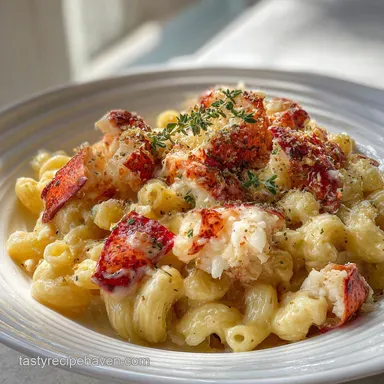
Lobster Mac and Cheese: Decadent Seafood Feast
- Time: Active 20 minutes, Passive 30 minutes, Total 50 minutes
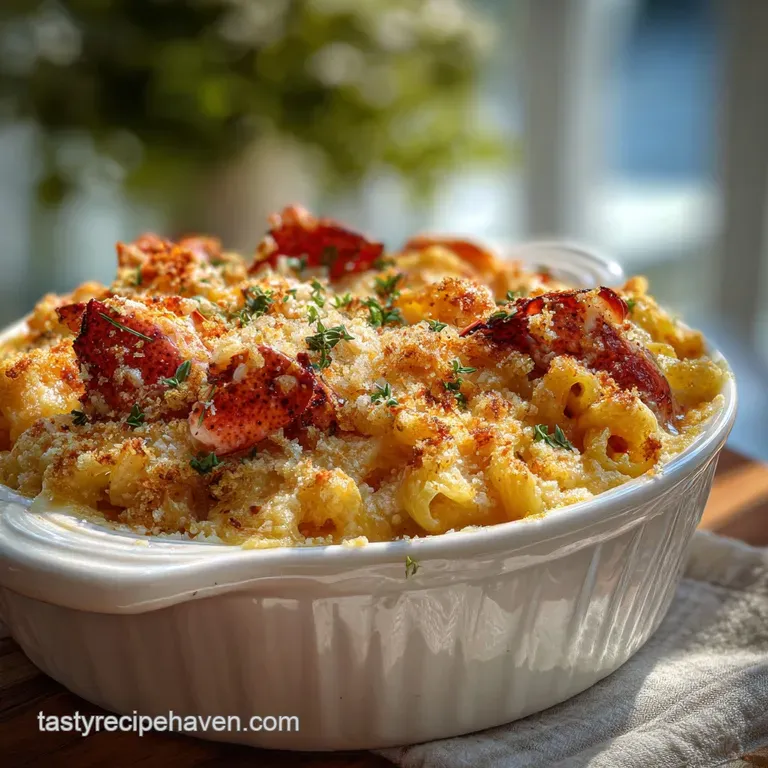
- Flavor/Texture Hook: Velvety cheese sauce meets a shattering panko crust
- Perfect for: Holiday centerpieces, anniversary dinners, or ultimate weekend comfort
- Create an Indulgent Lobster Mac and Cheese
- The Physics of the Emulsion
- Vital Statistics and Cooking Metrics
- The Alchemy of Rich Ingredients
- Tools for Seafood Success
- Executing the Perfect Bake
- Fixing Common Cooking Errors
- Creative Flavor Variations
- Keeping Your Leftovers Fresh
- Perfect Side Dish Pairings
- Debunking Kitchen Myths
- Very High in Sodium
- Recipe FAQs
- 📝 Recipe Card
Create an Indulgent Lobster Mac and Cheese
The aroma of butter hitting a hot skillet is my universal signal that something legendary is about to happen. I remember the first time I attempted this dish for a small dinner party, my kitchen was filled with the sweet, briny scent of fresh lobster and the earthy fragrance of grated Gruyère.
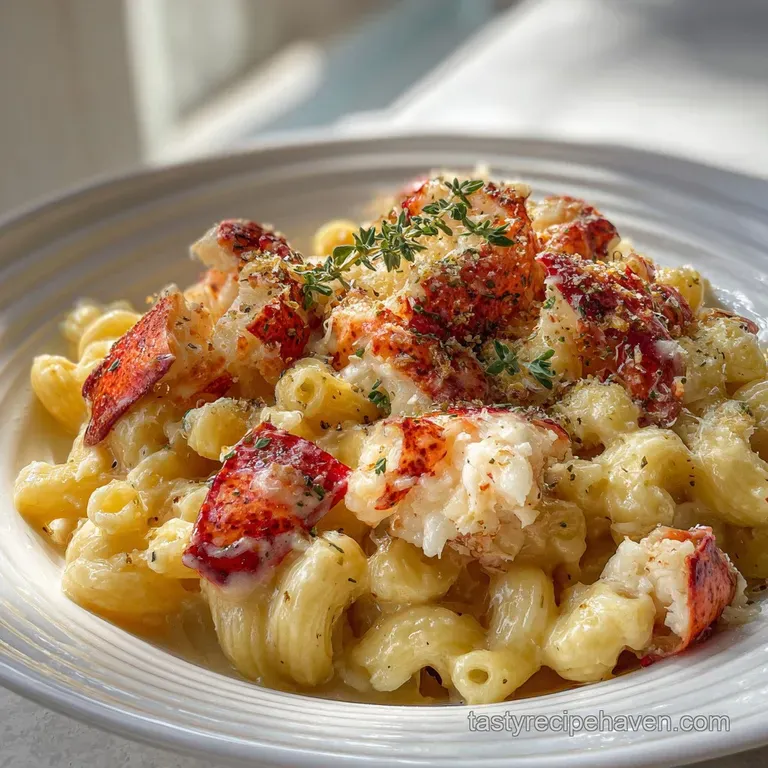
There is a specific sound, a heavy, wet "clink" of the cavatappi pasta hitting the velvet thick cheese sauce, that tells you the consistency is spot on before you even take a bite.
We are going for a total sensory experience here. You want that initial crunch from a golden, buttery crust followed immediately by the tender, snap back texture of perfectly poached lobster. It's about that contrast between the sharp bite of white cheddar and the floral, nutty notes of the melted Fontina.
This isn't just a side dish, it's a main event that makes everyone at the table go silent for the first three minutes of the meal.
Trust me, I've made the mistake of overcooking the lobster before, and it turns into little erasers. We are not doing that today. We're going to treat that 1.5 lbs (680g) of fresh lobster meat with the respect it deserves, poaching it gently so it stays succulent.
You'll get all the comfort of a childhood classic but with the undeniable swagger of a high end steakhouse staple.
The Physics of the Emulsion
Starch Suspension: Pasta water and flour based roux act as emulsifiers that prevent the high fat content of the cheeses from separating into an oily layer. This ensures the sauce remains cohesive and clings to every spiral of the cavatappi.
Cook Method Comparison
| Method | Time | Texture | Best For |
|---|---|---|---|
| Stovetop | 25 minutes | Ultra creamy and fluid | Quick weeknight luxury |
| Oven Baked | 50 minutes | Set sauce with crust | Large dinner parties |
| Broiled Finish | 35 minutes | Creamy center, charred top | The best of both worlds |
Deciding between these methods usually comes down to how much you value that golden crust. If you're in a rush, the stovetop version is a total winner, but for the full experience, that 30 minutes in the oven transforms the panko into a shattering layer of gold.
Vital Statistics and Cooking Metrics
Before we get our hands messy, let's look at the hard numbers that make this dish a success every single time. We are working with 1 lb (450g) of pasta, which is the ideal ratio for the amount of sauce we're creating. If you use less pasta, it becomes a soup, and if you use more, it gets dry and sad.
| Component | Science Role | Pro Secret |
|---|---|---|
| Gruyère | Melts at low temp | Use cave aged for deeper flavor |
| Heavy Cream | Stabilizes the roux | Room temp prevents sauce "breaking" |
| Lobster Meat | Protein structure | Poach in butter to lock moisture |
| Cavatappi | Surface area | Ridges trap the cheese emulsion |
The heavy cream is non negotiable here. While milk provides the bulk of the liquid, the fat in the cream acts as a buffer for the proteins in the cheese. This is why our sauce stays velvety even after it cools down slightly on the plate.
The Alchemy of Rich Ingredients
Selecting your components is where the flavor really starts. For the lobster, 1.5 lbs (680g) of fresh meat is the sweet spot. If you happen to have leftovers from a Maine Lobster Roll recipe, this is the best way to use them up.
- 1.5 lbs (680g) fresh lobster meat: Cut into 1 inch chunks. Why this? Larger chunks stay tender and provide a meaty contrast to the pasta.
- 1 lb (450g) Cavatappi or Cellentani pasta: A sturdy shape with plenty of ridges.
- 2 tbsp (28g) unsalted butter for poaching: To gently cook the lobster.
- 4 tbsp (56g) high-quality European style butter: Used for the roux. Why this? Higher fat content means less water and a richer sauce.
- 1/4 cup (30g) all purpose flour: The thickener for our "liquid gold."
- 3 cups (710ml) whole milk: Must be warmed to prevent lumps.
- 1 cup (240ml) heavy cream: For that steakhouse level decadence.
- 2 cups (200g) Gruyère cheese: Freshly grated is a must.
- 1.5 cups (150g) sharp white cheddar: Adds the necessary acidic "bite."
- 1 cup (100g) Fontina cheese: Known for its incredible melting capabilities.
- 0.5 tsp smoked paprika: Provides a subtle woodsy undertone.
- 0.25 tsp ground nutmeg: Enhances the creaminess of the dairy.
- 0.5 tsp salt and 0.25 tsp white pepper: Seasoning basics.
- 1 cup (60g) panko breadcrumbs: For the signature crunch.
- 0.25 cup (25g) Parmesan cheese: Adds a salty, umami kick to the topping.
- 1 tbsp fresh parsley: For a pop of color and brightness.
- 2 tbsp (28g) unsalted butter, melted: To toss with the breadcrumbs.
| Original Ingredient | Substitute | Why It Works |
|---|---|---|
| Gruyère | Emmental | Similar melting point, slightly milder flavor |
| Cavatappi | Large Elbows | Classic look, but holds less sauce in the ridges |
| Lobster Meat | Jumbo Shrimp | Same cook time, but lacks the lobster sweetness |
Note: If you swap the lobster for shrimp, make sure to peel and devein them completely. The texture will be firmer, but the cheese sauce is forgiving enough to make it work beautifully.
Tools for Seafood Success
You don't need a professional kitchen, but a few specific items make this much easier. A heavy bottomed Dutch oven (like a Le Creuset) is my favorite for this because it holds heat evenly, which is vital when you're melting three types of cheese.
Chef Tip: Freeze your butter for 10 minutes before grating it into your panko topping. This creates tiny pockets of fat that explode in the oven, making the crust extra flaky.
You will also want a sturdy whisk to ensure your roux doesn't clump. If you're worried about the lobster being overdone, using a digital thermometer to hit exactly 140°F (60°C) during the poaching phase is a total lifesaver.
Executing the Perfect Bake
1. Prepare the Pasta and Lobster
Boil the 1 lb (450g) of cavatappi in salted water for 2 minutes less than the package directions. It should be firm to the bite. Drain and set aside.
In a separate skillet, melt 2 tbsp (28g) of butter and poach the 1.5 lbs (680g) of lobster chunks for about 3 minutes until the meat turns opaque and pearly.
2. Craft the "Liquid Gold" Sauce
In your large pot, melt the 4 tbsp (56g) of butter over medium heat. Whisk in the 1/4 cup (30g) of flour and cook for 1 minute. Watch for the mixture to bubble and smell slightly nutty. Slowly pour in the 3 cups (710ml) of warm milk and 1 cup (240ml) of heavy cream, whisking constantly.
Note: Warming the milk prevents the flour from seizing into lumps.
3. The Grand Assembly and Bake
Once the sauce thickens enough to coat the back of a spoon, turn off the heat. Fold in the Gruyère, cheddar, and Fontina until the sauce is shining and completely smooth. Stir in the paprika, nutmeg, salt, and white pepper.
Add the pasta and lobster, stirring gently so you don't break the seafood.
4. Create the Shattering Crust
Mix the 1 cup (60g) of panko with 0.25 cup (25g) of Parmesan, parsley, and 2 tbsp (28g) of melted butter. Transfer the mac to a baking dish and cover with the crumbs. Bake at 375°F (190°C) for 30 minutes until the edges are bubbling and the top is deeply golden.
Fixing Common Cooking Errors
One of the most frustrating things is a "broken" sauce where the oil separates from the cheese. This usually happens because the heat was too high when the cheese was added. Cheese is a delicate balance of fat and protein, and high heat causes those proteins to tighten and squeeze out the fat.
Why Your Sauce Is Grainy
If your sauce feels gritty on the tongue, it’s usually because you used pre shredded cheese. Those bags are coated in potato starch or cellulose to prevent clumping, which ruins the texture of a homemade roux. Always grate your own from the block.
| Problem | Root Cause | Solution |
|---|---|---|
| Oily Sauce | Heat too high | Add a splash of cold cream and whisk vigorously |
| Rubbery Lobster | Overcooked | Poach for less time; it finishes in the oven |
| Dry Pasta | Pasta absorbed sauce | Under cook pasta more or add extra 1/2 cup milk |
Common Mistakes Checklist
- ✓ Grate cheese fresh from the block (avoids that chalky, grainy texture)
- ✓ Warm the milk before adding to the roux (prevents lumpy sauce)
- ✓ Under cook the pasta by 2-3 minutes (it will soften further in the oven)
- ✓ Don't boil the sauce once the cheese is added (prevents the fat from separating)
- ✓ Pat the lobster meat dry before poaching (ensures the butter clings to the meat)
Creative Flavor Variations
If you want to try the Gordon Ramsay Lobster Mac and Cheese Style, consider adding a teaspoon of Dijon mustard and a splash of lemon juice to the sauce. It cuts through the richness and adds a sophisticated "zing" that highlights the sweetness of the lobster meat.
Lobster Mac and Cheese Bites
For a party appetizer, you can let the mixture cool completely in the fridge until set. Scoop it into small balls, dredge them in extra panko, and flash fry them for 2 minutes until the exterior is a crispy shell. They are absolute showstoppers for New Year's Eve.
If you want X, do Y If you want it spicy, fold in 1 tbsp of minced chipotle in adobo. If you want it earthy, add 1 tsp of truffle oil just before baking. If you want it lighter, swap half the heavy cream for additional whole milk.
Keeping Your Leftovers Fresh
Store any remaining mac and cheese in an airtight container in the fridge for up to 3 days. To reheat, don't just zap it in the microwave or the lobster will turn into rubber. Instead, place it in a small baking dish, add a tablespoon of milk to loosen the sauce, cover with foil, and bake at 325°F (160°C) until warmed through.
For zero waste, if you have lobster shells left over, don't throw them away. Simmer them with some celery, carrots, and onions to make a quick seafood stock. You can freeze this stock for months and use it as a base for a future risotto or a seafood chowder.
Perfect Side Dish Pairings
Because this dish is so intensely rich, I like to serve it with something bright and acidic. A simple arugula salad with a lemon vinaigrette works wonders. If you want to lean into the comfort food theme, my Cream Cheese Corn recipe is a fantastic accompaniment that matches the creamy texture of the main dish.
If you are looking for more seafood inspiration, you might enjoy these Broiled Lobster Tails recipe for a quicker weeknight option. The smoky notes of the broiler complement the creamy pasta perfectly.
Debunking Kitchen Myths
A common myth is that you need to rinse your pasta to stop it from sticking. Never do this for mac and cheese! The surface starch on the pasta is exactly what helps the cheese sauce "grip" the noodles. If you rinse it, the sauce will just slide off and pool at the bottom of the bowl.
Another misconception is that expensive lobster is wasted in a pasta dish. In reality, the fats in the cheese actually carry the fat soluble flavor compounds of the lobster across your palate more effectively than eating the meat plain. It’s a flavor multiplier, not a mask.
Honestly, the way the lobster juices mingle with the Gruyère is something you just have to experience to believe.
Very High in Sodium
1342 mg mg of sodium per serving (58% of daily value)
The American Heart Association recommends limiting sodium intake to no more than 2,300mg per day for most adults. Ideally, aiming for 1,500mg per day is even better for heart health.
Sodium Reduction Tips for Lobster Mac & Cheese
-
Low-Sodium Cheese Blend-15%
Substitute the Gruyère, sharp white cheddar, and Fontina with lower sodium alternatives. Look for varieties labeled 'low sodium' or consider using part skim mozzarella for a milder flavor and reduced sodium.
This can lead to a significant decrease in sodium without drastically changing the dish's taste.
-
Reduce Added Salt-25%
Omit the 0.5 tsp of added salt completely. The cheeses and lobster naturally contain sodium, and you may find it's flavorful enough without adding more. Taste and adjust seasonings after cooking, adding a tiny amount of salt only if absolutely necessary.
-
Fresh, Not Frozen Lobster-10%
Ensure you are using truly fresh lobster meat, not previously frozen or pre-cooked lobster, as these are often treated with sodium based preservatives. Cooking fresh lobster yourself gives you complete control over the sodium content.
-
Unsalted Breadcrumbs-10%
Use unsalted panko breadcrumbs and omit the Parmesan cheese topping. These both contribute sodium without significantly impacting flavor. You could also toast the breadcrumbs with a bit of garlic powder for added flavor.
-
Spice It Up!
Experiment with a wider variety of herbs and spices to enhance the flavor profile. Consider adding a pinch of red pepper flakes for heat or some dried thyme for earthiness. This will make the dish more flavorful, allowing you to further reduce or eliminate added salt without sacrificing taste.
Recipe FAQs
Do you cook the lobster before putting it in mac and cheese?
Yes, gently poach it. Cook the lobster chunks in butter for about 3 minutes until opaque, ensuring it stays succulent rather than rubbery.
What is the best lobster to use for lobster mac and cheese?
Fresh lobster meat is ideal. About 1.5 lbs (680g) of meat cut into 1 inch chunks works best, offering a satisfying texture against the pasta.
Do lobster and cheese go together?
Absolutely, they are a classic pairing. The rich, briny flavor of lobster is beautifully complemented by the creamy, sharp notes of cheese, creating a decadent dish.
What does Gordon Ramsay put in his mac and cheese?
He often adds a sophisticated touch. For his style, consider a teaspoon of Dijon mustard and a splash of lemon juice to cut richness and enhance lobster flavor.
Can I substitute shrimp for lobster in mac and cheese?
Yes, jumbo shrimp are a good substitute. They cook quickly and offer a similar texture, though they lack the distinct sweetness of lobster.
Why is my cheese sauce oily?
This usually means the heat was too high. When adding cheese to a roux based sauce, keep the heat low; high temperatures can cause the fats and proteins in the cheese to separate. A splash of cold cream whisked in vigorously can sometimes help re-emulsify it.
How can I ensure the pasta doesn't get dry?
Undercook the pasta slightly before baking. Boil it for 2-3 minutes less than the package directions, as it will continue to cook and absorb sauce in the oven, preventing a dry end result.
Lobster Mac Cheese