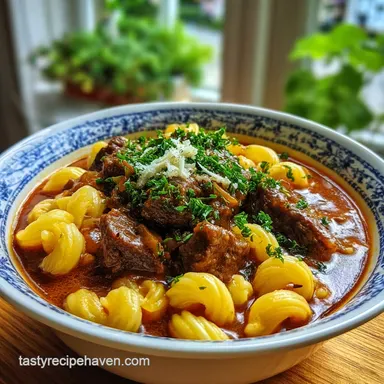
Classic Goulash: Rich Hungarian Stew
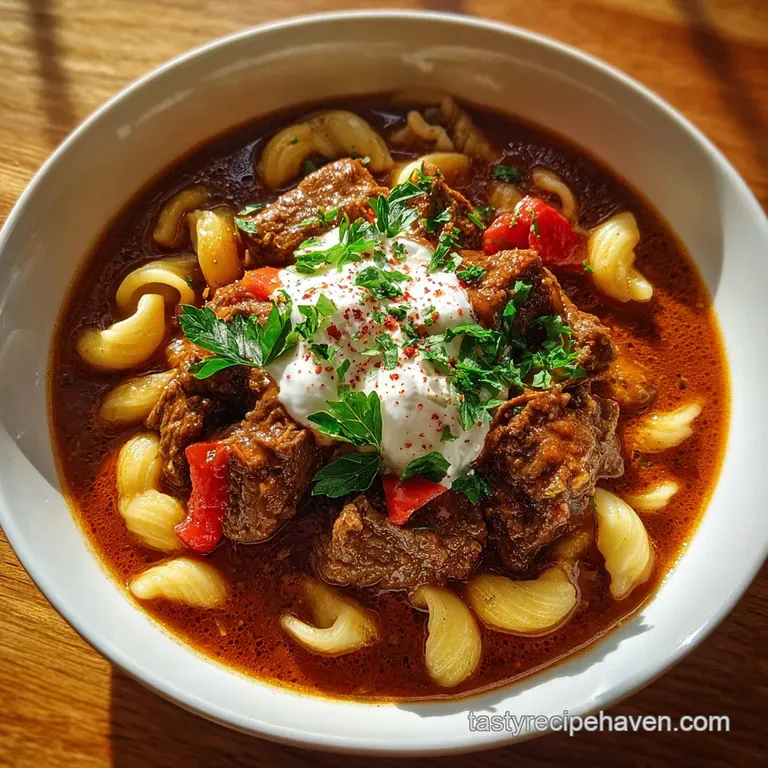
- Time: Active 20 mins, Passive 2 hours 30 mins, Total 2 hours 50 mins
- Flavor/Texture Hook: Fork tender beef in a smoky, silken sauce.
- Perfect for: Cold Sunday afternoons and cozy family gatherings.
- Master the Hearty Classic Goulash
- The Architecture of the Stew
- Component Analysis and Flavor Roles
- Handpicking the Best Flavor Elements
- The Best Tools for Braising
- Layering Flavors Step by Step
- Preventing the Most Common Mistakes
- Creative Twists on the Original
- Scaling the Recipe for Crowds
- Preserving Leftovers and Reheating Tips
- The Best Sides for Stew
- High in Sodium
- Recipe FAQs
- 📝 Recipe Card
Master the Hearty Classic Goulash
There is a specific sizzle that happens when 1 kg of beef chuck hits a hot pan of shimmering lard that just does something to my soul. I remember the first time I tried making this - I was so impatient. I thought I could rush the onions, but I ended up with a thin, watery soup that tasted like sad cardboard.
It was a total disaster, honestly. But then I learned the secret from a friend whose kitchen always smelled like a smoky, peppery dream: you have to let the onions basically disappear into the sauce.
When you get it right, the aroma of sweet Hungarian paprika blooming in the fat fills every corner of your house. It’s not just a meal; it’s an event. You’ll see the sauce turn from a bright red to a deep, dark mahogany as it simmers.
The beef becomes so tender it almost falls apart if you look at it too hard. Trust me on this, once you’ve had a proper bowl of this, those thin, canned versions will never stand a chance again.
We’re going to walk through exactly how to avoid my early mistakes, like burning the paprika (the ultimate sin!) or ending up with rubbery meat. We'll focus on building those layers of flavor, starting with the fat and ending with a sauce so rich you'll want to lick the plate.
It’s simple, it’s rustic, and it’s absolute comfort food at its finest.
The Architecture of the Stew
The Onion Melt: Using a high ratio of onions (3 large ones for 1 kg of beef) isn't just for flavor; as they slowly cook down, their cell walls break down and release natural sugars and starches that act as a built in thickener.
The Fat Soluble Bloom: Hungarian paprika contains carotenoids that only release their full color and smoky depth when dissolved in fat, rather than water.
Connective Tissue Breakdown: Cooking the beef chuck roast at a low simmer for exactly 2 hours 30 mins allows the tough collagen to transform into gelatin, providing a velvety mouthfeel.
| Beef Cube Size | Ideal Cook Time | Finishing Texture | Visual Doneness Cue |
|---|---|---|---|
| 0.5 inch | 1 hours 45 mins | Soft but small | Meat fibers begin to fray |
| 1 inch | 2 hours 30 mins | Perfect fork tender | Cubes yield to a blunt spoon |
| 2 inches | 3 hours 15 mins | Pot roast style | Meat pulls apart in large flakes |
Choosing the right cut and size for your beef is the first step toward success. While 1 inch cubes are the standard for a reason they offer the best surface area to volume ratio for soaking up the sauce adjusting your time based on your butcher's cut is essential for that melt in-the mouth finish.
Component Analysis and Flavor Roles
| Ingredient | Science Role | Pro Secret |
|---|---|---|
| Sweet Hungarian Paprika | Flavor & Color | Never add to a dry pan; it must hit the oil to "bloom" without scorching. |
| Beef Chuck Roast | Texture & Fat | Choose a piece with heavy marbling; the fat provides the luxurious sauce body. |
| Lard (or oil) | Heat Conduction | Lard adds a traditional pork fat silkiness that neutral oils just can't replicate. |
| Caraway Seeds | Aromatic Balance | Lightly crush them just before adding to release the volatile oils and citrus notes. |
Handpicking the Best Flavor Elements
- 1 kg beef chuck roast: Cut into 1 inch cubes. Why this? High collagen content melts into gelatin during the long simmer.
- Substitute: Beef shin or oxtail (yields a richer, stickier sauce).
- 3 tbsp lard or neutral oil: Why this? Provides the high smoke point fat needed for a proper sear.
- Substitute: Beef tallow for an even meatier depth.
- 3 large yellow onions: Finely diced. Why this? The foundation of the sauce's thickness and sweetness.
- Substitute: Shallots (use 6-8) for a more delicate, refined flavor.
- 3 garlic cloves: Minced. Why this? Adds a sharp aromatic punch to balance the sweet onions.
- Substitute: 1 tsp garlic powder added with the spices.
- 4 tbsp sweet Hungarian paprika: Why this? The soul of the dish; provides color, body, and smoke.
- Substitute: 3 tbsp sweet paprika + 1 tsp smoked paprika.
- 1 tsp caraway seeds: Lightly crushed. Why this? Cuts through the richness of the beef with a hint of anise.
- Substitute: Fennel seeds (similar vibe, slightly sweeter).
- 1 tsp dried marjoram: Why this? An earthy, floral herb that bridges the beef and vegetables.
- Substitute: Dried oregano (use slightly less as it’s more pungent).
- 2 bay leaves: Why this? Adds a subtle tea like fragrance to the braising liquid.
- Substitute: A sprig of fresh thyme.
- 1 tsp sea salt & 0.5 tsp black pepper: Essential seasoning.
- 1 liter rich beef broth: Why this? The liquid base that carries all the dissolved flavors.
- Substitute: Water plus a high-quality bouillon base.
- 2 tbsp tomato paste: Why this? Adds acidity and reinforces the deep red color.
- Substitute: 1/4 cup tomato purée (reduce broth slightly).
- 2 large carrots & 2 medium parsnips: Sliced. Why this? Provides sweetness and a textural contrast to the meat.
- Substitute: Swede (rutabaga) or celery root.
- 3 medium Yukon Gold potatoes: Cubed. Why this? They hold their shape while absorbing the savory broth.
- Substitute: Red potatoes or russets (russets will break down more).
- 1 red bell pepper & 1 large tomato: Diced. Why this? Freshness and a bright pop of color in the finish.
- Substitute: Roasted red peppers from a jar for a smokier touch.
The Best Tools for Braising
You don't need a kitchen full of gadgets, but a heavy bottomed pot like a Dutch oven (cast iron is best!) is non negotiable here. It holds heat steadily, which is exactly what you need for a 2.5 hour simmer. If you use a thin bottomed pot, the onions at the bottom might catch and burn while the meat is still tough.
Also, a mortar and pestle is brilliant for those caraway seeds to get that aromatic hit just right.
Layering Flavors step by step
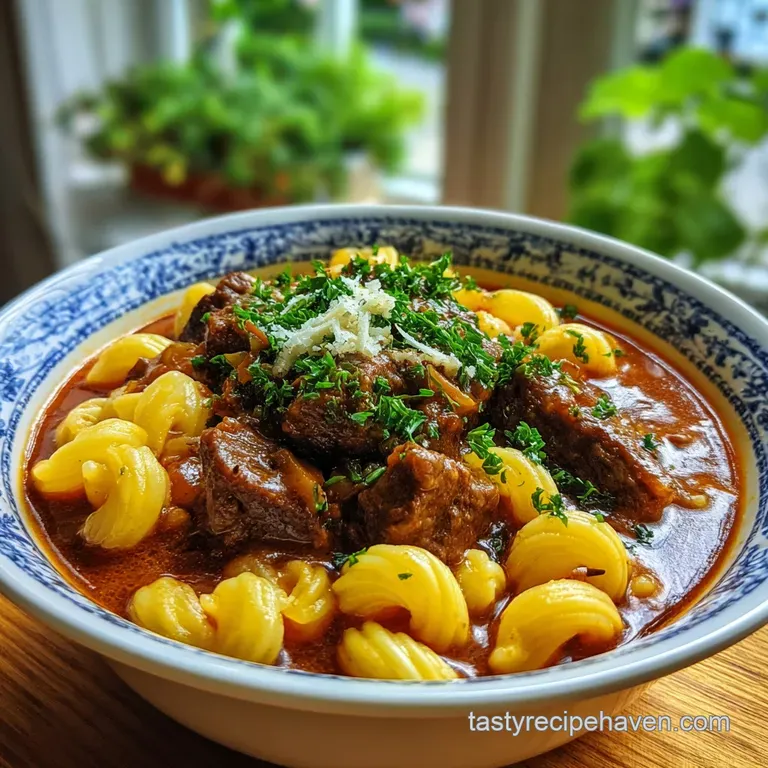
- Sear the beef. Heat 3 tbsp lard in your pot until it starts to shimmer and smoke slightly. Brown the 1 kg beef cubes in batches, ensuring they don't touch, until a dark brown crust forms. Note: Don't crowd the pan or the meat will steam instead of searing.
- Sauté the onions. Remove the meat and add the 3 diced onions to the residual fat. Cook over medium low heat for about 10 minutes until they are soft, translucent, and just beginning to turn golden.
- Aromatic base. Stir in the 3 minced garlic cloves and the 2 tbsp tomato paste. Cook for 2 minutes until the paste turns a shade darker and smells toasted.
- Bloom the paprika. Remove the pot from the heat (this is crucial!) and stir in the 4 tbsp paprika, 1 tsp caraway, 1 tsp marjoram, 1 tsp salt, and 0.5 tsp pepper. Stir for 30 seconds until the spices coat the onions in a fragrant red paste.
- Deglaze. Return the beef and any accumulated juices to the pot. Pour in the 1 liter beef broth and add the 2 bay leaves. Stir well, scraping up all the brown bits from the bottom.
- The long simmer. Bring the liquid to a gentle boil, then immediately turn the heat down to low. Cover and simmer for 1 hours 30 mins until the beef begins to soften but isn't falling apart yet.
- Add root vegetables. Toss in the sliced 2 carrots and 2 parsnips along with the 3 cubed Yukon Gold potatoes.
- Incorporate fresh produce. Stir in the diced 1 red bell pepper and 1 large tomato. This adds a layer of brightness that balances the heavy beef.
- The final braise. Cover and continue to simmer for another 1 hours until the potatoes are tender and the sauce has thickened into a velvety glaze.
- Rest and serve. Remove the bay leaves. Let the stew sit for 10 minutes off the heat before serving. This allows the juices to redistribute and the sauce to fully cling to the meat.
Preventing the Most Common Mistakes
One mistake I once made was adding the paprika to a screaming hot pan without taking it off the burner. It burned in five seconds flat, turning my whole stew bitter and acrid. I had to toss the whole batch! Always, always move the pot off the flame before the paprika goes in.
But what about the texture? If your beef feels like a rubber tire after two hours, don't panic. It just hasn't reached that magic threshold where the collagen breaks down. Just keep simmering. It's almost impossible to overcook beef chuck in a liquid environment it only gets better with time.
Why Your Sauce is Thin
If your stew looks more like a soup than a thick glaze, you likely had too high a heat or used too much liquid. The onions should act as your primary thickener. If you're struggling, check out how we thicken our White Sauce recipe for inspiration on using starches, though for goulash, we prefer the natural onion reduction method.
| Problem | Root Cause | Solution |
|---|---|---|
| Bitter Aftertaste | Scorched paprika | Remove pot from heat before adding spices; stir constantly. |
| Tough Beef | Under simmered | Keep cooking! Chuck needs a full 2.5 hours to break down. |
| Lack of Depth | Low quality broth | Add a splash of soy sauce or a parmesan rind for an umami boost. |
Common Mistakes Checklist
- ✓ Never skip the searing step; that brown crust is where the soul of the flavor lives.
- ✓ Avoid using "stew meat" pre packs; cut your own cubes from a whole chuck roast for better quality.
- ✓ Don't skimp on the onions; three large onions might seem like a lot, but they disappear into the sauce.
- ✓ Keep the lid on tight to prevent too much evaporation during the long simmer.
- ✓ Use sweet Hungarian paprika, not the generic "Spanish" or "hot" variety unless specified.
Creative Twists on the Original
For the Slow Cooker Classic Goulash
If you want to set it and forget it, you can! Follow the searing and onion sautéing steps in a skillet first this is non negotiable for flavor. Transfer everything to the slow cooker with only 750ml of broth (slow cookers don't lose liquid to evaporation).
Cook on Low for 7-8 hours or High for 4-5 hours. Add the vegetables in the last 2 hours so they don't turn to mush.
The Classic American Goulash Recipe Twist
In the States, "goulash" often means something very different usually a mix of ground beef, macaroni, and tomatoes. If that's the comfort food you're craving, my American Goulash recipe is a one pot wonder that's much faster for a Tuesday night. It's totally different from this Hungarian version but equally delicious in its own way.
For a Spicy Kick
The traditional version is sweet and smoky, but if you like heat, swap 1 tbsp of the sweet paprika for "Erős Pista" (Hungarian hot pepper paste) or a generous pinch of cayenne. You can also add a sliced hot wax pepper with the bell peppers.
Just be careful once the heat is in there, it concentrates as the sauce reduces!
Scaling the Recipe for Crowds
Scaling this up is actually quite easy because it's a one pot meal. If you're doubling the recipe to 2 kg of beef, use a very large stockpot or two Dutch ovens.
- Scaling Up (2x): Use 2 kg of beef and 6 onions. However, only use 1.5x the salt and spices at first; you can always add more at the end, but you can't take it out. Liquids should be reduced slightly start with 1.75 liters of broth instead of 2 liters.
- Scaling Down (1/2): For a smaller batch (500g beef), reduce all ingredients by half. You'll need to use a smaller pot to ensure the meat is mostly submerged, and check for doneness 30 minutes earlier.
| Goal | Adjustment | Outcome |
|---|---|---|
| Extra Richness | Add 1/2 cup red wine | Deepens the color and adds a sophisticated acidic backbone. |
| Budget Friendly | Swap half the beef for extra potatoes | Bulkier meal with lower cost per serving; still very filling. |
| Quick Version | Use a pressure cooker | Reduces 2.5 hours of simmering to 45 minutes; meat stays very moist. |
Preserving Leftovers and Reheating Tips
This is one of those rare dishes that is actually better on day two. As it sits in the fridge, the starches from the potatoes and the gelatin from the beef continue to thicken the sauce, and the spices fully permeate the meat. It will stay fresh in the fridge for up to 4 days.
For long term storage, this freezes beautifully. Place it in airtight containers or heavy duty freezer bags for up to 3 months. To reheat, thaw it overnight in the fridge. Warm it gently in a saucepan over medium low heat, adding a splash of water or broth if the sauce has become too thick.
Avoid using the microwave if possible, as it can make the beef feel a bit rubbery.
Zero Waste Tip: If you have leftover sauce but no meat, don't toss it! It makes an incredible base for a soup. Toss in some leftover noodles or use it as a gravy over mashed potatoes. You can even use the carrot and parsnip peels to make a quick vegetable stock for your next batch.
The Best Sides for Stew
In Hungary, you’ll often find this served with nokedli (small flour dumplings), but honestly, it’s incredible with almost any starch. A thick slice of crusty sourdough is my personal favorite for mopping up every last drop of that paprika rich sauce.
If you want something a bit more substantial, try serving it over buttered egg noodles or even a bed of creamy polenta. The soft, neutral flavors of the noodles or cornmeal allow the complexity of the goulash to really shine.
If the meal feels a bit heavy, a simple side salad with a sharp lemon vinaigrette or some pickled cucumbers provides a much needed acidic crunch to cut through the richness. Right then, let's crack on and get that pot simmering!
High in Sodium
1083 mg mg of sodium per serving (47% % of daily value)
The American Heart Association recommends limiting sodium intake to about 2,300mg per day for adults.
Tips to Reduce Sodium in Your Goulash
-
Low-Sodium Broth-30%
Replace the regular beef broth with a low-sodium or no-salt added version. This is the most impactful change you can make.
-
Reduce Salt-25%
Halve or eliminate the added sea salt entirely. Taste and adjust after cooking, adding salt only if absolutely necessary. Remember you can always add, but you can't remove!
-
No-Salt Tomato Paste-20%
Use no-salt added tomato paste to avoid the added sodium that is often included. Make sure to read the ingredient list.
-
Boost Flavor with Herbs
Enhance the goulash's flavor with additional herbs and spices like smoked paprika, more caraway seeds, or a pinch of cayenne pepper for warmth. These add flavor without increasing sodium.
Recipe FAQs
What is traditional goulash?
Yes, it is a slow simmered beef and onion stew. Traditional Hungarian goulash, or gulyás, is a hearty soup/stew characterized by a base of beef, heavy onion content, and copious amounts of sweet Hungarian paprika.
What are the ingredients in old fashioned goulash?
Beef chuck, onions, beef broth, and sweet Hungarian paprika form the core. You will also need lard, garlic, caraway seeds, and marjoram for an authentic, rich flavor profile.
What is the secret to a rich goulash flavor?
Blooming the paprika in hot fat before adding liquid is essential. The paprika’s color and flavor compounds dissolve best in the rendered fat, creating the signature mahogany color and smoky depth.
What is the difference between Hungarian goulash and American goulash?
They are fundamentally different dishes despite the name. Hungarian goulash is a slow cooked beef stew seasoned heavily with paprika, while American goulash typically uses ground beef, macaroni, and a tomato based sauce.
How to prevent my goulash sauce from being thin or watery?
Rely on the onions and beef collagen to thicken the sauce naturally. Ensure you cook the onions down until they almost dissolve, and simmer the beef long enough (2.5 hours) for the connective tissue to convert to gelatin.
How to serve classic goulash for the best texture pairing?
Serve over a neutral starch like Nokedli or crusty bread for mopping. A simple accompaniment like our Highly Requested 7 recipe salad offers a bright, acidic contrast to the stew's richness.
Is it true that you shouldn't sear the meat if you plan to use a slow cooker?
No, searing the meat first is non-negotiable, even for slow cooking. Searing builds the Maillard reaction crust which forms the flavor foundation that the slow cooker cannot replicate on its own.
Classic Goulash Hearty Stew