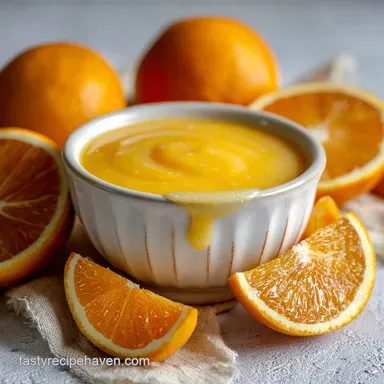
Quick Orange Sauce Recipe: Zesty Glaze
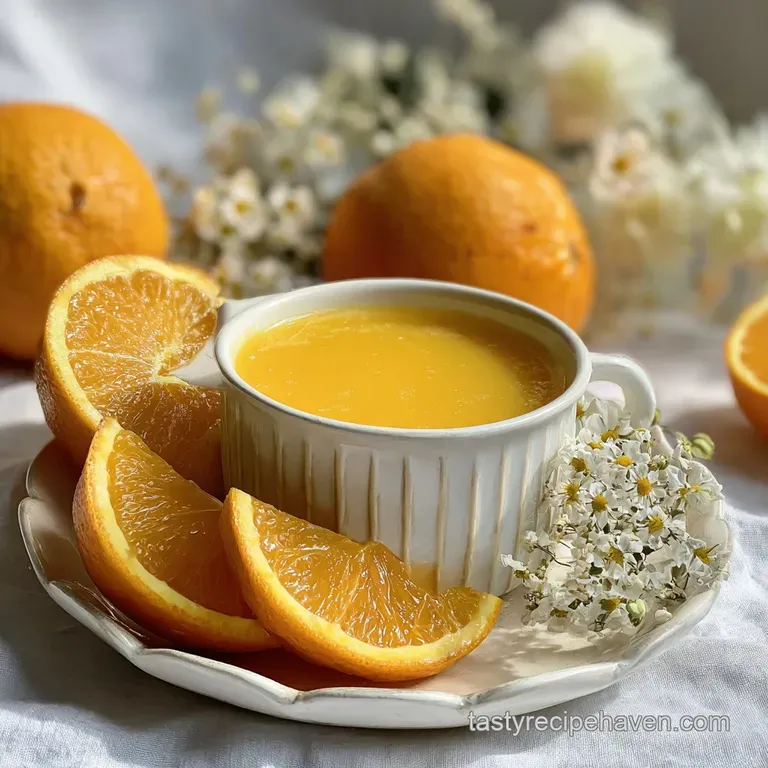
- Time: Active 5 minutes, Passive 5 minutes, Total 10 minutes
- Flavor/Texture Hook: Tangy, zesty, and high gloss finish
- Perfect for: Quick weeknight stir fries or elegant weekend roasts
- Unlock the Best Orange Sauce Recipe
- Why This Zesty Glaze Shines
- Accurate Yield and Preparation Stats
- Deep Dive into Sauce Components
- Essential Tools for Silky Consistency
- Precise Steps for Perfect Results
- Solving Common Sauce Making Blunders
- Simple Substitutions for Dietary Needs
- Maximizing Freshness Through Proper Storage
- Creative Ways to Enjoy Glaze
- Recipe FAQs
- 📝 Recipe Card
Unlock the Best Orange Sauce Recipe
The first time I attempted a citrus glaze, my kitchen smelled like a burnt marmalade factory. I’d rushed the process, let the sugars catch on the bottom of the pan, and ended up with a bitter, tacky mess that stuck to the pan more than the chicken. But then, I learned the secret: it’s all about the bloom.
The moment those 2 cloves of garlic and 1 tbsp of fresh ginger hit that 1 tsp of neutral oil, the air shifts. It goes from "just cooking" to an aromatic experience that makes your mouth water before the liquid even hits the pan.
We’ve all been there, staring at a bottle of store-bought sauce filled with corn syrup and preservatives, wondering if we can do better. Trust me, you can. This version isn't just a topping; it's a fundamental upgrade to your culinary repertoire.
We are talking about a sauce that has enough backbone from the soy sauce to handle heavy meats, but enough brightness from the 1 cup of fresh orange juice to keep things feeling light and fresh.
Right then, let's get into the details. We’re going to build layers of flavor, starting with the sharp bite of 1 tbsp of orange zest and ending with the subtle, creeping heat of 1 tsp of sriracha.
By the time the cornstarch slurry works its magic, you'll have a sauce that doesn't just sit on the plate it coats your ingredients in a shimmering, translucent veil that looks as good as it tastes.
Why This Zesty Glaze Shines
Starch Gelatinization: The cornstarch molecules swell and burst at a specific temperature, creating a translucent network that thickens the liquid without clouding the vibrant orange color.
Maillard Synergy: The light brown sugar and soy sauce undergo a complex browning reaction that adds savory depth to the bright, acidic citrus notes.
Pectin Suspension: Using 2 tbsp of orange marmalade introduces fruit pectin, which provides a natural, jammy body and a professional "cling" to the finished sauce.
Aromatic Infusion: Sautéing the ginger and garlic in neutral oil first allows the fat soluble flavor compounds to distribute evenly throughout the entire 1 cup of juice.
| Method | Time | Texture | Best For |
|---|---|---|---|
| Stovetop | 5 minutes | Silky and glossy | Immediate stir fries or glazing |
| Microwave | 3 minutes | Slightly thinner | Quick reheating or dipping |
| Oven (as glaze) | 15 minutes | Tacky and caramelized | Slow roasting duck or pork ribs |
When you are looking for a more concentrated version specifically for poultry, you might notice similarities to my Orange Chicken Sauce recipe, though this version offers a more balanced profile for multiple protein types. Both rely on that essential citrus backbone to cut through the richness of the meat.
Accurate Yield and Preparation Stats
This recipe is designed for efficiency, making it manageable even on the most frantic Tuesday evening. With a total time of just 10 minutes, it’s faster than ordering takeout.
You'll spend about 5 minutes prepping mostly mincing those 2 cloves of garlic and grating the 1 tbsp of ginger and another 5 minutes at the stove watching the magic happen.
The yield is generous, providing 12 servings of approximately 2 tablespoons each. This is the ideal amount for a family sized stir fry or to keep in a jar for multiple meals throughout the week.
Because we use 1/3 cup of packed light brown sugar, the sweetness is present but not overwhelming, allowing the 1/4 cup of rice vinegar to provide a necessary, palate cleansing tang.
While this sauce leans savory, if you find yourself with an abundance of citrus and a craving for something purely sweet, you should definitely try an Orange Curd Recipe. It uses similar citrus notes but pivots toward a velvety dessert spread that's absolutely brilliant on toast or cake.
Deep Dive into Sauce Components
### The Citrus Base
The heart of this recipe is the 1 cup of fresh orange juice. If you use the stuff from a carton, you lose those volatile oils that give the sauce its "shimmer." I always recommend juicing about 3 to 4 medium oranges to get the volume you need.
When you combine this with 1 tbsp of zest, you're attacking the flavor profile from two angles: the juice provides the acidity and volume, while the zest provides the floral, aromatic punch.
### The Savory & Sweet Balance
We use 1/4 cup of soy sauce to provide the salt and that deep "umami" foundation. This is countered by the 1/3 cup of light brown sugar. Why light brown sugar? The touch of molasses in the brown sugar adds a hint of caramel that white sugar simply can't replicate. Then there's the 1/4 cup of rice vinegar.
Don't skip this it provides the "high notes" that keep the sauce from feeling heavy or cloying.
| Ingredient | Science Role | Pro Secret |
|---|---|---|
| Orange Marmalade | Emulsifier/Texture | The pectin provides a "sticky" quality that helps the sauce adhere to smooth surfaces like chicken breast. |
| Cornstarch | Thickening Agent | Always mix with cold water first to prevent "clumping" which creates unsightly white lumps in your sauce. |
| Sriracha | Flavor Enhancer | At 1 tsp, it doesn't make the sauce "spicy" but adds a back of-the throat warmth that balances the sugar. |
### The Thickener & Aromatics
The 2 cloves of garlic and 1 tbsp of fresh ginger are the workhorses here. They provide the "zing" that makes homemade sauce superior to anything in a jar. Finally, the slurry 1.5 tbsp of cornstarch mixed with 2 tbsp of water. This is your insurance policy.
It turns a thin juice mixture into a velvety glaze that coats a spoon beautifully.
Essential Tools for Silky Consistency
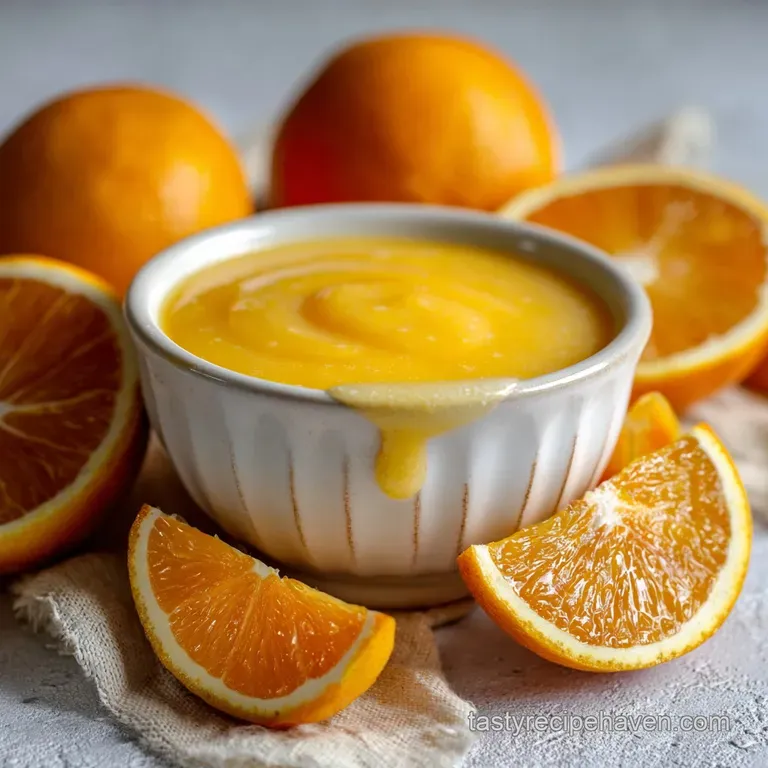
You don't need a kitchen full of gadgets, but a few specific items make the process much smoother. A small, heavy bottomed saucepan is vital. Thin pans tend to have "hot spots" that can scorch the sugars in the 2 tbsp of orange marmalade before the rest of the sauce has a chance to thicken.
A microplane or a very fine grater is your best friend for both the 1 tbsp of orange zest and the 1 tbsp of ginger. You want these ingredients to be so fine they almost melt into the sauce. If you have large chunks of ginger, it can be quite jarring when you're eating a delicate piece of fish or chicken.
Finally, a whisk is better than a spoon here. When you pour in that cornstarch slurry, you need to incorporate it quickly to ensure a smooth, lump free finish. A small silicone coated whisk is perfect because it gets into the "corners" of the pan where the sugar likes to hide and potentially burn.
Precise Steps for Perfect Results
### 1. Bloom the Aromatics
Heat 1 tsp of neutral oil in your saucepan over medium heat. Add the 2 cloves of minced garlic and 1 tbsp of grated ginger. Cook for about 60 seconds until fragrant and sizzling. Do not let them turn brown; you want them softened and aromatic, not bitter.
### 2. Build the Flavor Profile
Pour in the 1 cup of orange juice, 1/4 cup of soy sauce, 1/4 cup of rice vinegar, and 1 tsp of sriracha. Stir in the 1/3 cup of light brown sugar, 1 tbsp of orange zest, and 2 tbsp of orange marmalade. Whisk until the sugar and marmalade have completely dissolved into the liquid.
### 3. The Thickening Phase
In a small bowl, whisk together the 1.5 tbsp of cornstarch and 2 tbsp of water until smooth. Slowly pour this slurry into the simmering sauce while whisking constantly. Note: Adding the slurry to a boiling liquid can cause instant clumping, so a gentle simmer is best.
### 4. The Finishing Touch
Continue to simmer the sauce for 2 to 3 minutes. Watch for the moment the sauce turns from cloudy to clear and glossy. Once it coats the back of a spoon without running off immediately, remove it from the heat. The sauce will continue to thicken slightly as it cools.
Solving Common Sauce Making Blunders
### Why Your Sauce Is Cloudy
If your sauce looks milky or dull rather than vibrant and translucent, it usually means the cornstarch hasn't been cooked long enough. Cornstarch needs to reach a specific temperature (around 95°C) to fully "gel." If you pull it off the heat too early, the starch granules stay opaque.
| Problem | Root Cause | Solution |
|---|---|---|
| Sauce is too thin | Not enough simmering time | Simmer for an extra 2 minutes or add a tiny bit more slurry. |
| Sauce is too salty | Soy sauce was too concentrated | Add a splash of water or an extra squeeze of fresh orange juice. |
| Sauce is lumpy | Slurry added too fast | Whisk vigorously or strain the finished sauce through a fine mesh sieve. |
### How to Fix Thin or Watery Sauce
Sometimes oranges are juicier than expected, or your "cup" was a bit heavy. If the sauce isn't reaching that velvety consistency after 3 minutes of simmering, don't panic. Mix another 1/2 tsp of cornstarch with 1 tsp of cold water and whisk it in. Give it another minute to activate.
Remember, the sauce thickens significantly as it cools, so don't over thicken it while it's boiling hot.
Common Mistakes Checklist
- ✓ Use fresh juice instead of bottled for the best aromatic profile.
- ✓ Never add dry cornstarch directly to a hot liquid (it will clump).
- ✓ Whisk the marmalade thoroughly to ensure the pectin is evenly distributed.
- ✓ Keep the heat at medium; high heat can scorch the delicate citrus oils.
- ✓ Zest the orange before juicing it it’s much easier that way!
Simple Substitutions for Dietary Needs
Adjusting this recipe for different diets is incredibly easy because the base is quite forgiving. For a gluten-free version, the most important swap is the soy sauce. Use Tamari or liquid aminos in the same 1/4 cup quantity. Both provide that deep salty flavor without the wheat proteins found in traditional soy sauce.
If you are looking to reduce the refined sugar, you can swap the 1/3 cup of light brown sugar for honey or maple syrup. Be aware that this will change the flavor profile slightly honey adds a floral note, while maple syrup adds a woody depth.
Also, keep in mind that liquid sweeteners are sweeter than brown sugar, so you might want to start with 1/4 cup and adjust to your taste.
| Original Ingredient | Substitute | Why It Works |
|---|---|---|
| Rice Vinegar (1/4 cup) | Apple Cider Vinegar (1/4 cup) | Similar acidity level, though it adds a slight fruity apple undertone. |
| Neutral Oil (1 tsp) | Sesame Oil (1 tsp) | Adds a toasted, nutty aroma that pairs beautifully with ginger. |
| Sriracha (1 tsp) | Red Pepper Flakes (1/2 tsp) | Provides heat without the vinegar/garlic notes of the sauce. Note: Texture will be slightly grittier. |
When it comes to the meat you're pairing this with, you have options. While many love an Orange Chicken Sauce recipe, this recipe is robust enough for heavier proteins. If you're planning a holiday meal, a Homemade Orange Sauce Recipe for Duck follows these same steps but benefits from adding a splash of Grand Marnier or Cointreau to the simmering liquid to echo the orange notes with a bit of sophisticated booziness.
Maximizing Freshness Through Proper Storage
Because of the high sugar and acid content from the 1/4 cup of rice vinegar and the orange juice, this sauce keeps remarkably well. Store it in a glass jar or airtight container in the fridge for up to 7 days. You’ll notice that when it's cold, it becomes almost like a jelly.
This is perfectly normal that’s the pectin and cornstarch doing their job.
To reheat, simply pop it in a small saucepan over low heat and add a teaspoon of water or orange juice to loosen it back up. It will return to its silky, glossy state in about 2 minutes.
I don't recommend the microwave for large batches because it can heat unevenly and cause the edges to become "gummy."
For long term storage, you can actually freeze this sauce. Pour it into an airtight freezer bag and press out as much air as possible. It will stay fresh for up to 3 months. When you're ready to use it, let it thaw in the fridge overnight.
You may need to give it a quick whisk during reheating to re emulsify the ingredients, as freezing can sometimes cause the starch to weep a little liquid.
Creative Ways to Enjoy Glaze
This isn't just for stir fries! While it’s the king of the wok, try using it as a dipping sauce. It pairs exceptionally well with crispy appetizers. Imagine serving a bowl of this alongside my Garlic Dipping Sauce recipe for a "sweet and savory" duo at your next party. The contrast between the creamy garlic and the bright, zingy orange is a total crowd pleaser.
Another trick I love is using it as a glaze for roasted vegetables. Toss some carrots or Brussels sprouts in a bit of oil, roast them until they are almost done, and then brush them with this sauce for the final 5 minutes of cooking.
The sugars will caramelize under the heat, giving the vegetables a "shattered" sugar crust that is absolutely addictive.
Chef's Note: For a truly professional look, finish your plated dish with a few fresh scallions and a sprinkle of toasted sesame seeds. The green of the onions against the deep amber of the sauce makes the colors pop, and the seeds add a much needed crunch to the velvety texture of the glaze.
Finally,, don't forget pork. A Simple Orange Sauce Recipe for Pork usually involves brushing this over a tenderloin in the last few minutes of grilling. The high sugar content means it will char slightly, creating those beautiful, dark "flavor spots" that make grilled meat so appealing.
Whether you're using it for a quick meal or a special occasion, this sauce is a tool you'll reach for again and again. Enjoy the process, and don't be afraid to tweak the sriracha levels to find your own "perfect" heat!
Recipe FAQs
What are the core ingredients required for a classic orange sauce?
Orange juice, soy sauce, sugar, and a thickener are essential. You typically blend fresh orange juice with soy sauce for umami, a sweetener like brown sugar, and finish with a cornstarch slurry for gloss.
What are the four main components in standard Chinese American orange chicken sauce?
The four main components are citrus, sweetener, acid, and seasoning. This usually translates to orange juice/zest, brown sugar, rice vinegar, and soy sauce, thickened with cornstarch for adherence.
What defines the orange sauce typically found at popular Chinese restaurants?
It is characterized by a high gloss, thick, sweet and-sour profile. Restaurant versions often rely heavily on sugar and cornstarch to achieve maximum viscosity and shine, sometimes using orange marmalade for added fruit pectin and body.
What is the most common mistake people make when preparing orange sauce?
The most common error is adding dry cornstarch directly to boiling liquid. This causes immediate clumping; always whisk the cornstarch into a cold liquid first to create a slurry, ensuring a smooth finish.
How can I achieve a more deeply caramelized, less purely sweet orange sauce?
Increase the savory components and reduce the primary sweetener slightly. Balance the sweetness by boosting aromatics like ginger and garlic, and consider adding a splash of dark soy sauce or Worcestershire sauce to deepen the color and Maillard reaction notes.
Is it true that using bottled orange juice will ruin the sauce texture?
No, this is not entirely true, but fresh is highly recommended for flavor. Bottled juice lacks the volatile aromatic oils from fresh zest, resulting in a flatter taste, but if you use a high-quality brand, the texture thickening mechanism remains the same.
What technique ensures the sauce coats the food evenly instead of running off?
Incorporate a natural emulsifier like orange marmalade into the base. The pectin in the marmalade helps bind the water and sugar molecules, creating a stable emulsion that clings, much like the stabilization technique used in our White Sauce recipe.
Easy Orange Sauce Recipe