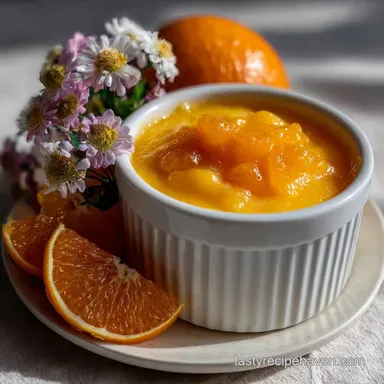
Silky Orange Curd Recipe: Rich Citrus Custard
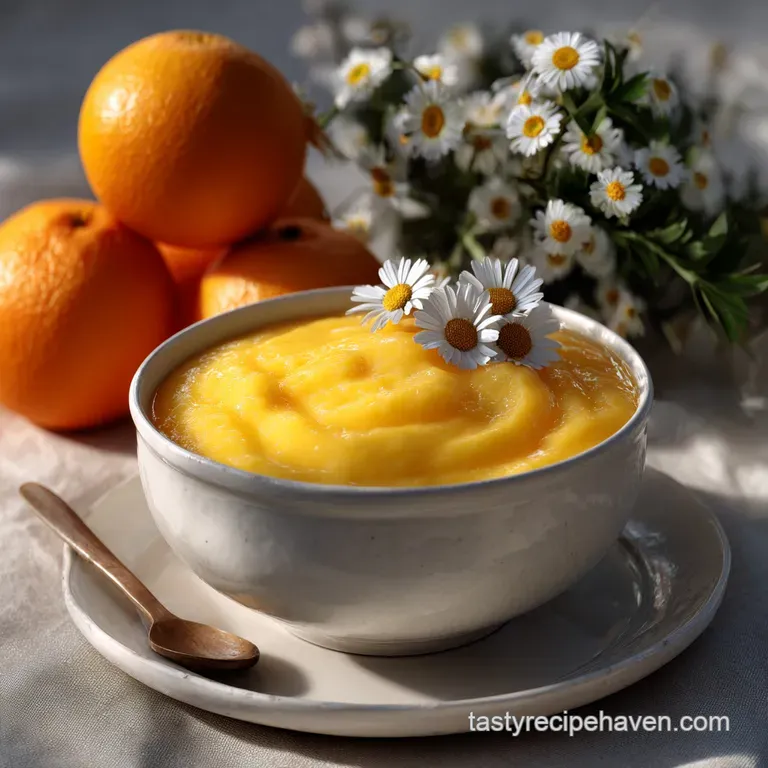
- Effort/Time: 25 minutes total with minimal cleanup.
- Flavor Hook: Concentrated citrus oils meet a velvety, buttery-rich finish.
- Perfect for: Filling cakes, topping scones, or swirling into morning yogurt.
- The Ultimate Easy Orange Curd Recipe: Bright and Velvety
- Why This Recipe Works: The Science of Citrus Emulsion
- Essential Ingredients and Smart Substitutions
- Step-by-Step Orange Curd Recipe Instructions
- Expert Tips and Common Mistakes to Avoid
- Common Myths
- Storage and Freezing Guidelines
- Versatile Serving Suggestions and Pairings
- Recipe FAQs
- 📝 Recipe Card
The Ultimate Easy Orange Curd Recipe: Bright and Velvety
The sharp, floral scent of fresh zest hitting granulated sugar is your first sign that this orange curd recipe is a winner. Most homemade curds fail because they end up with a metallic tang or a texture reminiscent of scrambled eggs.
I spent years perfecting the temperature control to ensure you get that "shatter smooth" clarity every single time.
I once rushed the process by using direct heat, and the result was a grainy, sulfuric mess that had to be trashed. This easy orange curd recipe fixes that by utilizing a gentle steam bath to slowly denature egg proteins.
By understanding the physics of heat transfer, you can create a professional grade condiment that rivals any high end bakery.
The secret lies in the emulsion of fat into the citrus base. This orange curd recipe uses cold, cubed butter added at the very end to create a stable, glossy structure. Let’s look at the science behind why these specific ingredients work together to create magic in a jar.
Why This Recipe Works: The Science of Citrus Emulsion
Citrus curd is a delicate balance of acidity, sugar, and fat, held together by a network of egg proteins. Understanding the molecular interactions ensures success every time you make this orange curd recipe.
- Protein Denaturation: Egg yolks contain proteins that unfold and bond (coagulate) when heated, creating the thick, spreadable structure of the curd.
- Emulsification: Lecithin in the egg yolks acts as an emulsifier, binding the watery orange juice and the fatty butter into a single, cohesive liquid.
- pH Stability: The addition of 1 tablespoon of lemon juice lowers the pH, which helps the egg proteins bond more effectively and sharpens the overall flavor profile.
- Thermal Buffering: Granulated sugar acts as a shield, surrounding the egg proteins and raising the temperature at which they coagulate, preventing premature curdling.
A Floral and Brighter Alternative to Lemon Curd
While lemon curd is the standard, this orange curd recipe offers a deeper, more complex floral profile. Oranges have higher sugar content and lower acidity than lemons, requiring a careful tweak to the ratios.
Adding 1 tablespoon (15ml) of fresh lemon juice is non-negotiable here; it provides the necessary "zing" to prevent the curd from tasting one-dimensional.
Balancing Acidity and Sugar for the Perfect Flavor Profile
Using 3/4 cup (150g) of Domino Granulated Sugar provides the necessary sweetness to offset the citrus, but it also provides body. Sugar is hygroscopic, meaning it holds onto water molecules, which contributes to the "velvety" mouthfeel of this orange curd recipe.
If you reduce the sugar, you don't just lose sweetness; you lose the structural integrity of the final spread.
Understanding the Role of Heat in This Orange Curd Recipe
Direct heat is the enemy of the orange curd recipe. When you use a double boiler (Bain marie), you are using steam to heat the Pyrex Glass Bowl rather than a flame.
This ensures the egg mixture never exceeds the critical threshold where proteins tighten too quickly, which is what causes that "rubbery" egg taste.
Essential Ingredients and Smart Substitutions
Every ingredient in this orange curd recipe serves a technical purpose, from structural support to flavor enhancement.
| Original Ingredient | Substitute | Why It Works |
|---|---|---|
| 1/2 cup Unsalted Butter | Refined Coconut Oil | Provides a solid fat structure at room temp. Note: Lacks the dairy richness of butter. |
| 4 Egg Yolks | 2 Whole Eggs | Increases protein but results in a lighter, less "velvety" texture. |
| 3/4 cup Orange Juice | Blood Orange Juice | Makes a stunning blood orange curd recipe with a deeper berry like undertone. |
Choosing the Best Oranges for Zest and Juice
For this orange curd recipe, Valencia or Navel oranges are the gold standard. Valencia oranges provide the highest juice yield, while Navels offer thick, oil-rich skin perfect for zesting with a Microplane Classic Zester.
Avoid canned juice; the pasteurization process destroys the volatile aromatic compounds needed for a "Masterclass" curd.
The Importance of Cold, Unsalted Butter
Adding 1/2 cup (115g) of cold, cubed Kerrygold Unsalted Butter is the final step in achieving a glossy finish. Cold butter incorporates more slowly, allowing the emulsion to form without breaking.
Using unsalted butter allows you to control the seasoning precisely with a pinch of Diamond Crystal Sea Salt.
Egg Yolks vs. Whole Eggs for Maximum Creaminess
This orange curd recipe uses a ratio of 4 large egg yolks to 1 large whole egg. The yolks provide lecithin and fat for a luxurious mouthfeel, while the single whole egg adds enough albumin to ensure the curd sets firmly enough for use as an orange curd recipe for cake filling.
Step-by-step Orange Curd Recipe Instructions
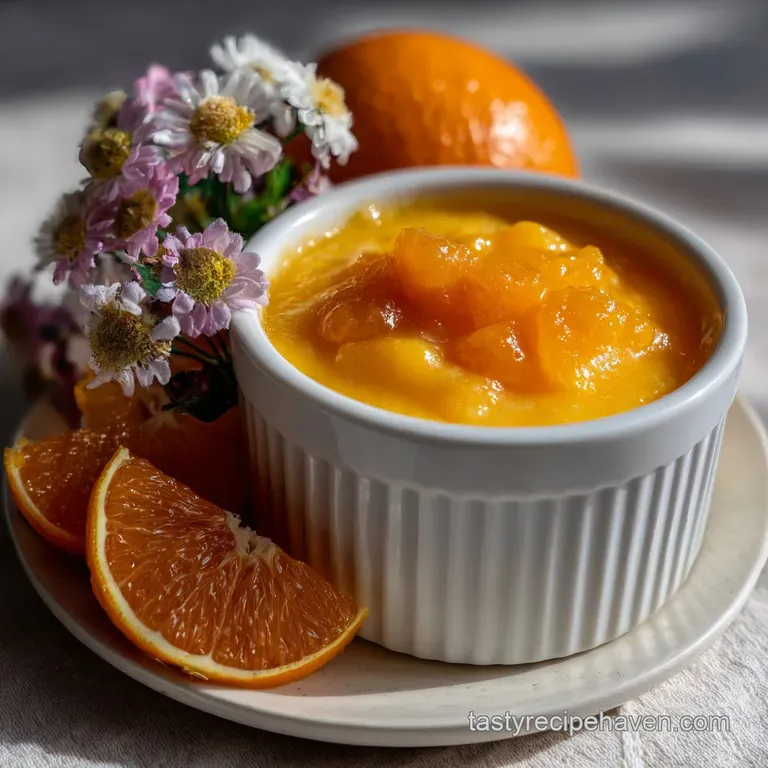
Preparing Your Citrus and Tempering Eggs
Zest 1 tablespoon (6g) of fresh orange zest directly into the sugar. Note: Rubbing zest into sugar releases essential oils via mechanical abrasion, intensifying the citrus aroma.
Whisk 4 large egg yolks, 1 large whole egg, and 3/4 cup (150g) Domino Granulated Sugar in a Pyrex Glass Bowl until pale. Note: Whisking early creates a sugar protein shield that prevents the eggs from "cooking" the moment they hit the heat.
Mastering the over Low heat Whisking Technique
Pour in 3/4 cup (180ml) orange juice and 1 tablespoon (15ml) lemon juice. Note: The acidity begins to denature the proteins slightly before heat is even applied.
Place the bowl over an All-Clad Saucepan of simmering water, ensuring the bottom doesn't touch the liquid. Note: This creates a 212°F (100°C) steam ceiling, protecting the curd from scorching.
Whisk constantly with a KitchenAid Balloon Whisk for 15 minutes until it coats the back of a spoon. Note: Constant agitation prevents localized overheating and ensures a uniform protein network.
Straining for a Perfectly Smooth, Velvety Finish
Remove from heat and immediately whisk in 1/2 cup (115g) cold, cubed Kerrygold Unsalted Butter one piece at a time. Note: The residual heat melts the fat while the cold temperature of the butter prevents the emulsion from breaking.
Pass the mixture through a Fine Mesh Sieve. Note: This removes the zest and any tiny bits of coagulated egg, ensuring a "shatter smooth" texture.
Expert Tips and Common Mistakes to Avoid
This velvety spread is incredible on top of Snickerdoodle Cookies Recipe: The Ultimate Crinkly Soft Classic. If you're stocking your pantry with more treats, try my Peanut Butter Cookies: The Classic Chewy Crisp Recipe.
The "Freeze Butter" Trick: If your kitchen is warm, put your cubed butter in the freezer for 10 minutes before whisking it in. This helps the curd cool down faster, locking in the emulsion.
The Metallic Myth: Never use an unlined aluminum pan or whisk. The acid in the orange juice reacts with the metal, giving your orange curd recipe a gray tint and a tinny taste. Stick to stainless steel or glass.
| Problem | Why It Happens | The Fix | Pro Protocol |
|---|---|---|---|
| Curdled/Grainy | Heat was too high; water touched the bowl. | Strain through a fine mesh sieve immediately. | Use a Taylor Digital Thermometer; stop at 170°F (77°C). |
| Too Runny | Not cooked long enough or lack of acidity. | Return to double boiler; add a tsp of lemon juice. | Ensure the curd coats a spoon and holds a line when swiped. |
| Metallic Taste | Reactive cookware (aluminum). | Use glass or stainless steel tools only. | Switch to a Silicone coated Whisk for extra safety. |
Common Myths
Myth: You must use cornstarch to thicken the curd. Truth: True curd relies entirely on egg protein coagulation. Cornstarch creates a "cloudy" appearance and a "starchy" mouthfeel that ruins the clarity of an orange curd recipe.
Myth: You can't make this orange curd recipe vegan. Truth: You can use cornstarch and coconut cream, but it technically becomes a "pudding" rather than a curd because it lacks the lecithin driven emulsion of egg yolks.
Storage and Freezing Guidelines
Yes, orange curd freezes beautifully for up to 3 months when stored in an airtight container with plastic wrap pressed directly against the surface to prevent ice crystals.
- Fridge: Store in a sanitized glass jar for up to 2 weeks. The high sugar and acid content act as natural preservatives.
- Freezing: Leave 1/2 inch of headspace in the jar for expansion. Thaw in the fridge overnight before use.
- Reheating: Never microwave. If you need it pourable, place the jar in a bowl of warm water for 10 minutes.
Versatile Serving Suggestions and Pairings
This orange curd recipe is a workhorse in the kitchen. For a stunning dessert, use it as a core for an orange curd recipe for cake by layering it between vanilla sponge sheets.
How to Prevent and Fix Curdled Eggs
If you see small white flecks, don't panic. This is just the albumin (egg white) cooking faster than the yolks. Straining through a Fine Mesh Sieve is the standard chef's fix to save the orange curd recipe.
Achieving the Ideal Thicken-on-the-Spoon Consistency
The curd will thicken significantly as it cools. It should be the consistency of a thick hollandaise when hot and a firm jam once chilled. If it’s too thick, whisk in a teaspoon of orange juice to loosen it.
Creative Ways to Use Curd in Cakes and Pastries
Try folding a few tablespoons of this curd into whipped cream for an "Orange Creamsicle" topping. It also serves as a fantastic base for recipes using orange curd like tarts or filled doughnuts.
Pairing with Scones for a British Afternoon Tea
There is nothing more classic than a warm scone topped with clotted cream and a dollop of this orange curd recipe. The acidity of the orange cuts through the heavy fat of the cream perfectly.
Whether you're making a blood orange curd recipe for a fancy dinner party or a simple orange curd recipe easy enough for a Tuesday morning, the key is patience and quality ingredients.
Trust the process, watch your temperature, and enjoy the most vibrant citrus spread you’ve ever tasted.
Recipe FAQs
What is the minimum safe internal temperature for curd?
170°F (77°C) is the coagulation point. Heating eggs past this temperature ensures the proteins are fully set, preventing foodborne illness risks associated with undercooked yolks. Curd thickens rapidly once this temperature is reached.
Can I use bottled orange juice instead of fresh?
No. Bottled juice lacks necessary volatile oils. Pre-pasteurized juice loses the essential oils from the zest that provide the sharp, authentic citrus aroma. For savory variations, see our Lamb Burger Recipes: Juicy Mediterranean Inspired Flavor for flavor comparison.
Why did my curd break and become watery?
Curd separated due to overheating and phase inversion. Excessive heat denatures egg proteins, causing them to seize and expel moisture from the butter emulsion.
- Remove from heat immediately
- Whisk vigorously off-burner
- Reintroduce cold butter slowly
Should I use salted or unsalted butter?
Unsalted butter for precision control. Salted brands vary widely in sodium content, which interferes with the required acidity balance in this recipe. Unsalted butter allows you to perfectly calibrate flavor against the tartness of the oranges.
Can I freeze leftover orange curd?
Myth: Freezing does not damage the texture. Freezing generally destabilizes the butter emulsion, causing it to separate upon thawing, resulting in a grainy texture. Thaw slowly in the refrigerator overnight for best results.
Is straining the zest necessary?
Yes, straining removes pith fibers. Leaving zest pieces or the white pith in results in a slightly gritty mouthfeel, disrupting the desired silkiness. This process is essential for achieving a smooth texture similar to our Head Cheese Recipe: Velvety Terrine Without Gelatin.
What is the quickest method for cooling curd?
Chill over an ice bath. Place the bowl directly over a larger bowl filled with ice and water. Whisk constantly for three minutes until the temperature drops substantially before refrigerating.
Silky Orange Curd Recipe