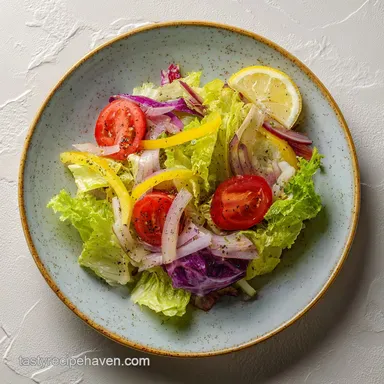
Salad Recipe with Fresh Vegetables: Snappy and Bright
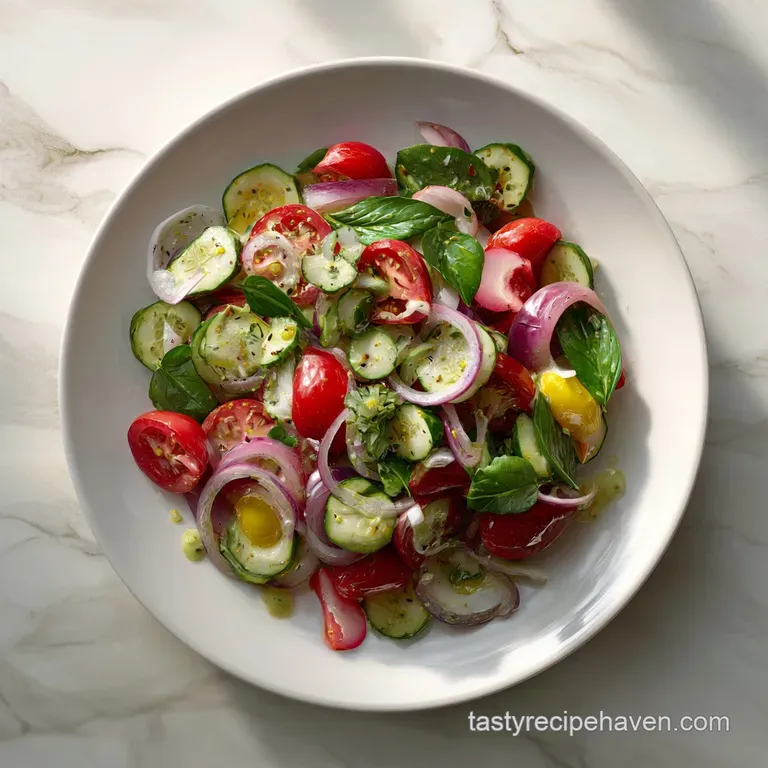
- Time: Active 15 minutes, Passive 0 minutes, Total 15 minutes
- Flavor/Texture Hook: Shatter crisp radishes and velvety lemon emulsion
- Perfect for: Seasonal lunch, garden parties, or a sustainable side dish
- Master This Salad Recipe with Fresh Vegetables
- Mechanisms for Maintaining Peak Crispness
- Understanding Your Garden Components
- Pantry Items and Clever Substitutes
- Essential Kitchen Tools for Success
- Precise Steps for Garden Assembly
- Fixing Texture and Flavor Flaws
- Growing and Scaling Your Batches
- Common Misconceptions About Fresh Produce
- Storage Guidelines and Zero Waste
- Perfect Pairings for Main Courses
- Recipe FAQs
- 📝 Recipe Card
Master This Salad Recipe with Fresh Vegetables
Picture this: it is a sweltering July afternoon, the kind where the air feels like a warm blanket. I was sitting on my back porch, clutching a bowl of greens that had turned into a swampy mess because I dressed it too early.
That was the day I realized that a great salad isn't just about throwing things in a bowl, it is about the architecture of crunch and the timing of the acid. Discover a single, vibrant salad recipe featuring crisp fresh vegetables and a bright lemon vinaigrette that will actually change how you look at "rabbit food" forever.
We have all been there, staring at a sad pile of wilted lettuce at a potluck. But when you get it right, the sizzle of a fresh radish against a sharp dressing is honestly better than a steak some days.
I want to show you how to build those layers of flavor so that each forkful feels like a tiny celebration of the season. It is about being flavor forward and prioritizing those nutrient dense ingredients that make you feel alive instead of weighed down.
This is not a convenience meal, though it comes together fast. It is a sustainable way of eating that honors the produce. We are going to treat these vegetables with the respect they deserve, from the ice water bath for the onions to the way we shave the carrots into delicate ribbons.
You will see that when we pay attention to the small details, the result is satisfying in a way that "quick fix" meals never are.
Mechanisms for Maintaining Peak Crispness
- Sulfur Reduction: Soaking red onions in ice water for 10 minutes draws out the harsh propanethial S-oxide, leaving behind a mild, sweet snap.
- Emulsion Stability: The Dijon mustard acts as a bridge between the lemon juice and olive oil, creating a thick coating that clings to leaves instead of sliding to the bottom.
- Osmotic Control: Pre salting the "heavy" vegetables for 3 minutes draws out just enough surface moisture so they don't dilute the dressing later.
- Surface Tension: Using a salad spinner to get greens bone dry allows the fat in the oil to actually grab onto the leaf surface rather than being repelled by water droplets.
| Servings | Ingredient Adjustments | Bowl Size | Prep Time |
|---|---|---|---|
| 2 People | Use 3 cups greens, 1/2 cucumber, 1/2 pepper | Medium Glass | 12 minutes |
| 4 People | Use 6 cups greens, 1 cucumber, 1 pepper | Large Wooden | 15 minutes |
| 8 People | Use 12 cups greens, 2 cucumbers, 2 peppers | Extra Large Metal | 20 minutes |
When you are planning your meal, keep in mind that these vegetables have different water contents. A cucumber is basically a vertical stick of water, so the way we slice it matters.
If you are serving a larger crowd, increase your "heavy" vegetables first, as they provide the structural integrity that keeps the bowl looking full and lush even as guests dig in.
Understanding Your Garden Components
| Ingredient | Science Role | Pro Secret |
|---|---|---|
| English Cucumber | Provides structural hydration | Leave the skin on for fiber and a bitter snap contrast. |
| Mixed Spring Greens | Adds airy volume and diverse phytonutrients | Mix bitter arugula with buttery lettuce for a complex palate. |
| Extra Virgin Olive Oil | Carries fat soluble vitamins (A, D, E, K) | Use a "peppery" early harvest oil to mimic the heat of radishes. |
| Lemon Juice | Denatures proteins and brightens heavy fats | Roll the lemon on the counter first to break internal membranes for more juice. |
The choice of oil here is non negotiable for a flavor forward result. I once tried making this with a generic vegetable oil when I ran out of the good stuff, and it was devastatingly flat. The olive oil isn't just a liquid; it is a flavor carrier that rounds out the sharp edges of the radish and the onion.
Pantry Items and Clever Substitutes
For the base of our Salad Recipe with Fresh Vegetables, we want to focus on what is currently peaking in your local market. If you cannot find mixed spring greens, don't panic. A head of butter lettuce or even thinly sliced Romaine will provide that necessary "loft."
- Mixed Spring Greens (6 cups): Baby spinach or arugula. Why this? Provides a delicate, nutrient dense base that catches the dressing easily.
- English Cucumber (1 large): Persian cucumbers. Why this? They have thinner skins and fewer seeds, meaning less sogginess.
- Red Bell Pepper (1 medium): Yellow or orange bell pepper. Why this? Adds a necessary sweetness to balance the acidic lemon juice.
- Radishes (5 small): Daikon radish or jicama. Why this? Delivers a sharp, peppery "shatter" texture that wakes up the tongue.
- Red Onion (1/4 small): Shallots or green onions. Why this? Provides a savory depth that lingers without being overwhelming.
- Extra Virgin Olive Oil (1/2 cup): Avocado oil. Why this? Provides the healthy fats needed for a satisfying, sustainable meal.
- Lemon Juice (3 tbsp): Apple cider vinegar. Why this? Cuts through the fat of the oil and prevents the greens from tasting heavy.
- Dijon Mustard (1 tsp): Stone ground mustard. Why this? Essential for emulsifying the dressing into a velvety coating.
Essential Kitchen Tools for Success
You don't need a professional kitchen, but a few specific items make this much more enjoyable. A sharp mandoline is a game changer for those radishes, but please, use the guard. I have a tiny scar on my thumb from a 2019 radish incident that I'd rather you not replicate.
A large wooden bowl is my preferred vessel. There is something about the way the wood interacts with the oil over time that just feels right. It also stays cooler than metal, which helps keep those greens from wilting if your kitchen is warm.
| Method | Time | Texture | Best For |
|---|---|---|---|
| Stovetop (Nuts/Seeds) | 5 minutes | Crunchy/Toasty | Adding a warm, nutty layer to the cold salad. |
| Oven (Roasted Veg) | 20 minutes | Soft/Caramelized | Transforming this into a "winter" vegetable salad version. |
If you decide to add a topping like sunflower seeds or walnuts, the stovetop method is your best friend. It gives you more control so you don't end up with burnt bits. However, the oven is better if you're doing a large batch of pumpkin seeds for a party.
Precise Steps for Garden Assembly
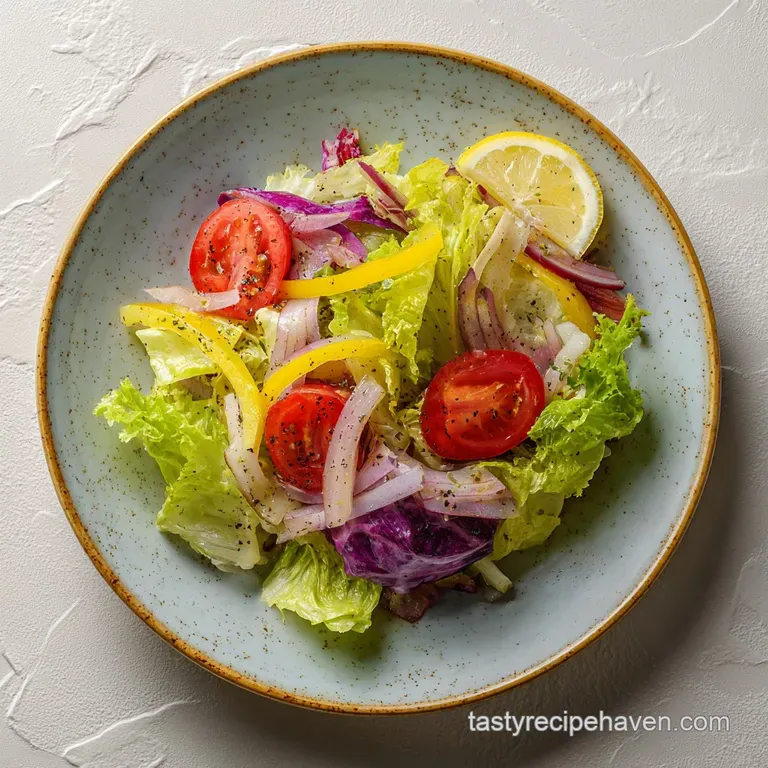
- Slice the red onions into paper thin rounds and submerge them in a bowl of ice water for 10 minutes. Note: This shocks the cells, locking in crispness and washing away the biting gases.
- Submerge your mixed greens in a separate bowl of ice cold water, then spin them in a salad spinner until they are bone dry. Note: Dressing will slide right off wet leaves, leading to a pool of liquid at the bottom.
- Combine lemon juice, extra virgin olive oil, Dijon mustard, honey, grated garlic, sea salt, and black pepper in a small jar.
- Shake the jar with high intensity for 30 seconds until the liquid transforms into a pale, thickened, velvety emulsion.
- Cut the English cucumber into half moons and julienne the red bell pepper into thin strips.
- Use a mandoline or very sharp knife to slice the radishes into translucent discs and use a vegetable peeler to shave the carrots into long, curly ribbons.
- Place the "heavy" vegetables (cucumber, peppers, radishes, carrots) in your large bowl and toss with a tiny pinch of salt for 3 minutes. Note: This prevents the vegetables from "weeping" water once the acidic dressing hits them.
- Drain the chilled onions and pat them with a clean kitchen towel until completely dry.
- Add the dried greens and the onions to the bowl with the other vegetables.
- Pour the lemon vinaigrette over the top and toss gently with your hands or large spoons just before serving. Wait until the salad is thoroughly coated and glossy.
Fixing Texture and Flavor Flaws
Eliminating Excess Liquid Issues
If you find your Salad Recipe with Fresh Vegetables sitting in a puddle, it usually means the greens weren't dry enough or you salted the "heavy" vegetables too early without draining them. Water is the enemy of a flavor forward salad. It dilutes the nutrient dense dressing and makes everything taste muted.
Balancing Overly Acidic Dressings
Sometimes a lemon is just more aggressive than usual. If the dressing makes you wince, don't just add more oil. A tiny bit more honey or even a pinch of nutritional yeast can round out those sharp edges without making the salad feel greasy. It is about finding that sustainable balance between tang and fat.
Taming Aggressive Raw Garlic Flavors
Grating garlic into a paste makes it very potent. If the garlic is hitting you too hard, try letting the garlic sit in the lemon juice for 5 minutes before adding the oil. The acid "cooks" the garlic slightly, taking away that raw, metallic sting that can sometimes ruin a fresh vegetable salad.
| Problem | Root Cause | Solution |
|---|---|---|
| Wilted Greens | Dressing added too early | Only toss the salad seconds before it hits the table. |
| Bland Flavor | Lack of salt on vegetables | Season the heavy vegetables separately before adding the greens. |
| Oily Mouthfeel | Broken emulsion | Shake the dressing jar again right before pouring to re unify. |
Common Mistakes Checklist
- ✓ Skipping the onion soak (this makes the onion flavor way too dominant)
- ✓ Using "old" bottled lemon juice instead of fresh (it lacks the bright enzymes)
- ✓ Overcrowding the bowl, which makes it impossible to toss evenly
- ✓ Neglecting to dry the vegetables after washing (water repels the oil based dressing)
- ✓ Grating the garlic too far in advance (it develops a bitter, off flavor over time)
Growing and Scaling Your Batches
If you are scaling this recipe down for a solo lunch, the math is easy, but the technique stays the same. For a single serving, use half an egg white's worth of honey and just a squeeze of lemon.
I often make a double batch of the vinaigrette because it stays stable in the fridge for a few days, making a nutrient dense lunch much more sustainable throughout the week.
Scaling up for a big summer barbecue requires a bit more logic. Don't just quadruple the salt. Start with double the salt and taste as you go. Vegetables like radishes and peppers can vary in their natural sodium and water content. Also, if you're making this for 12 people, toss it in two separate batches.
Trying to toss a mountain of greens in one go usually results in bruised leaves and uneven dressing.
When doubling the recipe with Fresh Vegetables, keep the greens in a separate perforated bowl in the fridge until the absolute last second. The weight of the cucumbers and peppers will crush the delicate spring mix if they sit together for too long.
For a satisfying result, the "loft" of the greens is just as important as the flavor of the dressing.
Common Misconceptions About Fresh Produce
One of the biggest myths is that you should never salt a salad until it's finished. In reality, salting the "watery" vegetables like cucumbers early and then draining that liquid actually intensifies their flavor and keeps the final dish from getting soggy.
It is a trick I learned from a chef friend who specialized in sustainable, plant based Mediterranean food.
Another mistake people make is thinking that "fat free" dressings are healthier. Most of the vitamins in these fresh vegetables are fat soluble. Without the extra virgin olive oil, your body won't actually absorb the goodness from the greens and peppers.
We want a meal that is satisfying and nutrient dense, not one that leaves you hungry 20 minutes later because you skipped the healthy fats.
Finally, don't believe that all greens are created equal. Using only iceberg lettuce might be cheap, but it lacks the complexity and sustainability of a mixed spring blend. The different shapes and textures of the leaves help "trap" the vinaigrette, ensuring that every bite is flavor forward rather than having the dressing just slide into the bottom of the bowl.
Storage Guidelines and Zero Waste
This salad is definitely best eaten fresh, but you can prep the components ahead of time. Store the chopped "heavy" vegetables in one airtight container and the washed, dried greens in another with a dry paper towel to catch any stray moisture.
The dressing will stay vibrant in a glass jar for up to 3 days in the fridge. Just remember to give it a good shake to re emulsify the oil and lemon.
To keep things sustainable and zero waste, don't throw away your vegetable scraps. The ends of the carrots, the tops of the radishes, and the bell pepper cores are packed with flavor. Throw them into a freezer bag and use them to make a nutrient dense vegetable scrap broth later in the week.
Even the lemon rinds can be tossed into a jar of white vinegar to make a natural, fresh smelling kitchen cleaner.
If you have leftover dressed salad (it happens!), it won't be crispy the next day, but it's not trash. I like to pulse the wilted leftovers in a blender with a little extra oil and some walnuts to create a "salad pesto." It is surprisingly satisfying on top of a piece of grilled wild caught fish or stirred into some warm grains.
Perfect Pairings for Main Courses
This salad is incredibly versatile. Because it is so bright and acidic, it acts as a perfect foil for richer, heavier dishes. I love serving it alongside a Chickpea Chicken Salad for a lunch that feels like a full garden spread. The creaminess of the chickpeas contrasts beautifully with the shatter crisp texture of the radishes.
If you are looking for something a bit more comforting for dinner, this recipe with Fresh Vegetables is the ideal side for a Ranch Pasta Salad recipe. The vinegar and lemon in our garden salad help cut through the creamy, savory notes of the pasta, making the whole meal feel much lighter and more sustainable.
For a completely plant based evening, try pairing this with a Smashed Chickpea Sandwich. The crunch of the fresh bell peppers in the salad mimics the texture of the sandwich, creating a cohesive, flavor forward experience that proves you don't need meat to have a truly satisfying meal. It is all about those layers of texture and the bright pop of lemon that ties everything together.
Recipe FAQs
What is the Jennifer Aniston salad?
It is a protein packed chopped salad featuring hearty grains and fresh vegetables. While this specific recipe focuses on crisp spring greens, cucumbers, radishes, and carrots, many variations include chickpeas for similar texture; if you enjoy that earthy base, try our Tuscan Chickpea Soup to see how we balance legumes with vibrant aromatics.
What salad dressing can diabetics have?
A simple vinaigrette made with extra virgin olive oil and lemon juice is an excellent choice. This recipe uses a mixture of 1/2 cup olive oil, 3 tablespoons lemon juice, Dijon mustard, and a small amount of honey, which provides flavor without excessive sugar.
What is in a cowboy salad?
It typically contains a mix of beans, corn, peppers, and sometimes grilled meat. This fresh vegetable salad differs by focusing on raw, crisp ingredients like red bell pepper, shaved carrot ribbons, and thin sliced radishes rather than legumes or heavy proteins.
Which salad is best for heart patients?
This recipe is heart healthy because it relies on unsaturated fats from olive oil and fiber rich fresh produce. By avoiding heavy, saturated fat dressings and keeping sodium low with just 1/2 teaspoon of sea salt, it fits well into a cardiovascular conscious diet.
How to prevent the salad from becoming soggy?
Dry the greens thoroughly in a salad spinner and keep the dressing separate until the exact moment of serving. Ensuring your greens are bone dry allows the emulsified vinaigrette to coat the leaves evenly rather than sliding off into a watery puddle at the bottom of the bowl.
How to make the red onion less harsh?
Slice the onions and submerge them in a bowl of ice water for 10 minutes. This process extracts the sulfur compounds responsible for the sharp, pungent bite, leaving you with a mild and crisp addition to your greens.
How to properly dress the vegetables?
Drizzle the emulsified lemon vinaigrette over the salad and toss gently but thoroughly just before eating. Pre-salting your heavy vegetables like cucumbers and radishes for 3 minutes before adding the greens also helps control moisture, ensuring the dressing clings to the vegetables rather than
Diluting.
Fresh Vegetable Lemon Salad