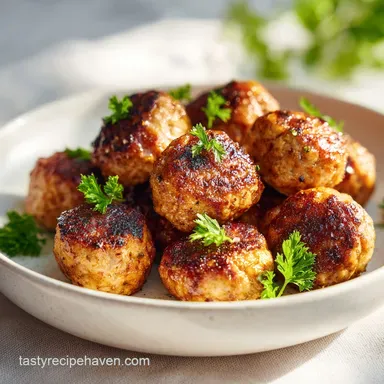
Meatballs: Juicy and Homemade
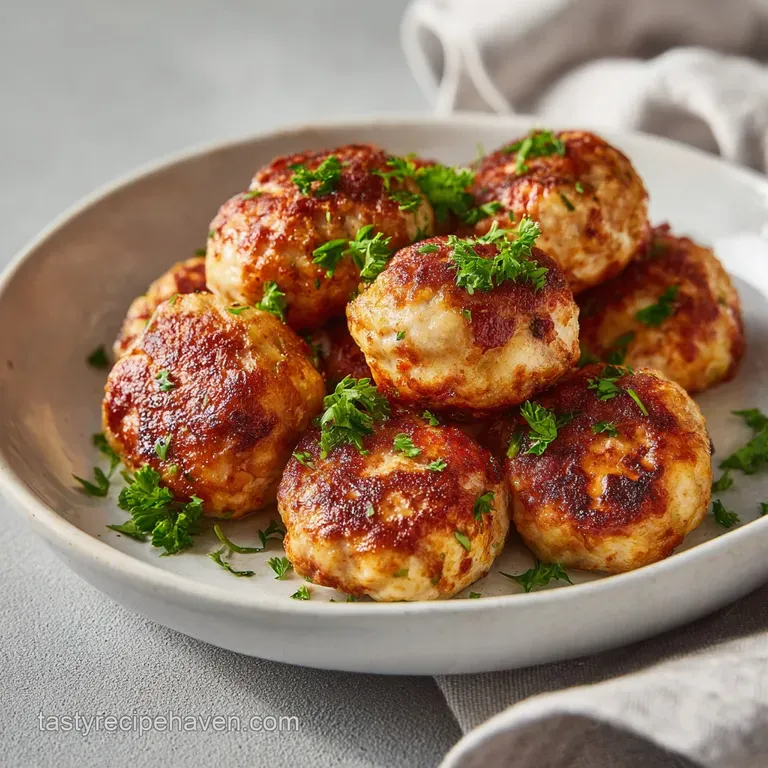
- Time: 15 min active + 15 min cook = Total 30 minutes
- Flavor/Texture Hook: Mahogany colored crust with a velvety center
- Perfect for: Weeknight comfort food or meal prep
Easy Meatballs for Comfort Food Nights
That first loud sizzle when the meat hits the hot oil is the best sound in the kitchen. I remember the first time I tried making these without a "panade" (the fancy word for the milk and bread mix). I just tossed everything in a bowl and hoped for the best, but I ended up with what felt like rubbery golf balls.
They were tough, dry, and honestly a bit depressing.
The real shift happened when I stopped treating the breadcrumbs as a filler and started treating them as a tool. By soaking the panko in milk first, the texture transforms. This is the secret to those tender, melt in-your mouth Meatballs that actually feel like comfort food instead of a chore to chew.
Trust me, once you see that mahogany crust forming in the pan, you'll never go back to the "just mix it all together" method. We're aiming for a high contrast result: a crispy, salty exterior and a center that's incredibly soft. Let's crack on with the details.
Why the Bread Soaks First
I used to think breadcrumbs were just to bulk up the meat, but it's actually about managing the moisture. Here is what is actually happening in the pan:
- Protein Buffer: The soaked panko creates a physical barrier between the meat proteins. This prevents them from bonding too tightly and squeezing out all the juices.
- Moisture Reservoir: The milk stays trapped in the breadcrumb paste, releasing slowly as the heat rises. This keeps the interior velvety.
- Fat Distribution: The panade helps the fat from the 80/20 beef spread more evenly, so you don't get pockets of grease.
- Better Binding: The mixture of egg and soaked bread creates a stable structure. This means your Meatballs won't flatten into patties in the skillet.
According to the team at Serious Eats, using a panade is the single most effective way to prevent tough meat. It's a simple trick that separates the home cooked versions from the ones that feel like cafeteria food.
| Method | Time | Texture | Best For |
|---|---|---|---|
| Stovetop | 15 mins | Crusty & Juicy | Maximum flavor, small batches |
| Oven | 20 mins | Uniform & Soft | Large crowds, less mess |
Component Analysis
Before we dive into the list, it's helpful to see what each part is doing. Not everything in the bowl is just for flavor.
| Ingredient | Science Role | Pro Secret |
|---|---|---|
| Panko + Milk | Texture Guard | Let it sit for 5 mins to fully hydrate |
| 80/20 Beef | Flavor Base | Don't go leaner or you'll lose the silkiness |
| Parmesan | Salt/Umami | Use freshly grated for a better melt |
| Egg | Glue | Beat it first to ensure even distribution |
Ingredients and Swaps
Here is everything you'll need. I've stuck to a classic profile that works for almost any meal.
- 1 lb ground beef (80/20 lean to fat ratio) Why this? The fat is essential for a velvety texture
- 1/2 cup Panko breadcrumbs Why this? Larger flakes create air pockets for tenderness
- 1/4 cup whole milk Why this? Adds fat and moisture to the bread
- 1 large egg, beaten Why this? Bonds everything together
- 1/2 cup grated Parmesan cheese Why this? Adds a salty, nutty depth
- 3 cloves garlic, minced Why this? Pungent aromatic base
- 2 tbsp fresh parsley, finely chopped Why this? Cuts through the richness of the beef
- 1 tsp kosher salt
- 1/2 tsp black pepper
- 1/2 tsp dried oregano
- 1 tbsp olive oil
| Original Ingredient | Substitute | Why It Works |
|---|---|---|
| Ground Beef | Ground Pork | Similar fat content. Note: Milder flavor, slightly softer bite |
| Panko | Breadcrumbs | Standard filler. Note: Denser result than Panko |
| Whole Milk | Heavy Cream | Higher fat. Note: Even richer, more velvety center |
| Parmesan | Pecorino | Saltier sheep's milk. Note: Bolder, tangier punch |
The key is the 80/20 beef. Honestly, don't even bother with low-fat cheese or lean turkey unless you're okay with a drier result. If you're craving something different, my Pineapple BBQ Meatballs use a similar base but with a sweet twist.
Step-by-step Instructions
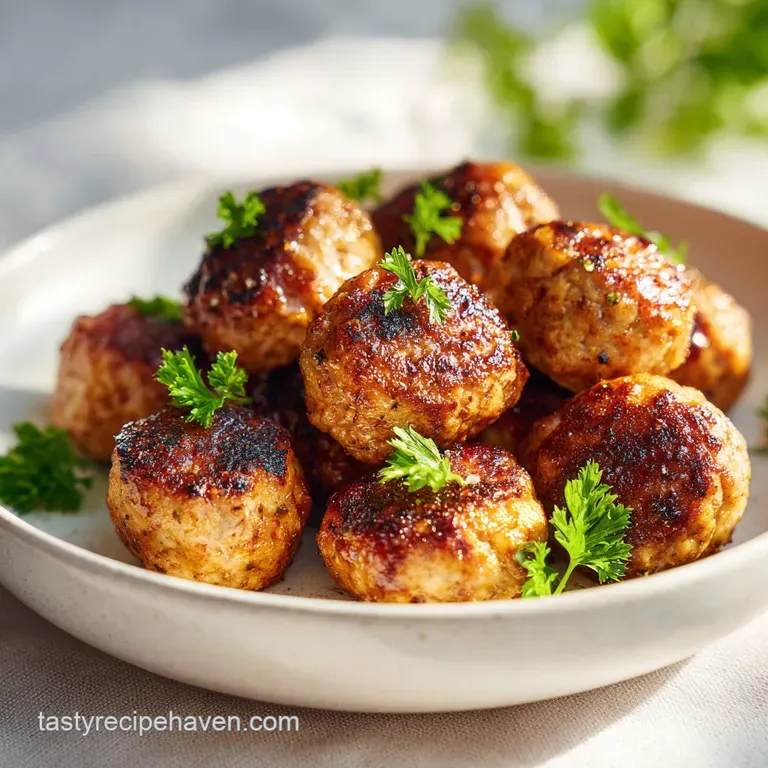
Follow these steps exactly. The timing on the panade is the most important part of the whole process.
- Prep the panade. Combine the Panko breadcrumbs and milk in a small bowl. Let it sit for 5 minutes until it forms a thick, wet paste. Note: This prevents the bread from absorbing the meat juices later.
- Combine base ingredients. Add the ground beef, beaten egg, Parmesan, garlic, parsley, and spices to a large bowl.
- Fold in the paste. Add the soaked breadcrumb paste to the beef mixture. Gently fold the ingredients together with your hands until just combined. Note: Stop as soon as the streaks of white disappear.
- Portion the mix. Using a cookie scoop, portion the mixture into balls roughly 1.5 inches in diameter.
- Shape the balls. Roll them lightly between your palms with damp hands until they are smooth spheres.
- Heat the oil. Heat olive oil in a skillet over medium high heat until the oil shimmers.
- Sear the meat. Carefully place the Meatballs in the pan. Sear for 2-3 minutes per side until a mahogany colored crust forms.
- Finish the cook. Reduce heat to medium low. Optional: add marinara sauce. Simmer for 5-7 minutes, or until the internal temperature reaches 160°F (71°C).
Pro Tips and Pitfalls
The biggest mistake I see is over working the meat. When you mix too hard, you develop the proteins, and that's how you get those rubbery Meatballs. Keep it light, almost like you're folding cake batter.
Chef's Note: To get a truly consistent size, use a digital scale. Aim for 40-45 grams per ball. This ensures every single one finishes cooking at the exact same time.
Another unconventional trick: dampen your hands with cold water before rolling. This prevents the meat from sticking to your skin, which means you don't have to over handle the mixture to get a smooth shape.
Why Your Meatballs Are Dry
This usually happens because of two things: using meat that's too lean or overcooking. If you use 90/10 beef, there isn't enough fat to lubricate the protein fibers. Stick to the 80/20 ratio for that classic comfort food feel.
Why Your Meatballs Fall Apart
Usually, this is a binding issue. Either the egg wasn't beaten well, or you didn't let the panade hydrate. If the bread is still dry, it can't hold onto the other ingredients during the sear.
| Problem | Root Cause | Solution |
|---|---|---|
| Rubbery Texture | Over mixing | Mix until just combined |
| Flat Shapes | Lack of binding | Ensure panade is fully hydrated |
| Burnt Outside / Raw Inside | Heat too high | Lower to medium low after searing |
Common Mistakes Checklist:
- ✓ Avoided using lean beef (under 80% fat)
- ✓ Let the panko sit in milk for 5 minutes
- ✓ Stopped mixing as soon as ingredients combined
- ✓ Used a meat thermometer to hit 160°F (71°C)
- ✓ Used damp hands for rolling
Adjusting the Batch Size
Scaling these Meatballs is pretty straightforward, but you can't just multiply everything by four and hope for the best.
Scaling Down (Half Batch): Use a smaller skillet to keep the oil depth consistent. Use one egg, but beat it in a cup first and only pour in half. Reduce the searing time by about 20% since the pan won't be as crowded.
Scaling Up (Double or Triple Batch): Work in batches. If you crowd the pan, the temperature drops, and the Meatballs will steam in their own juices instead of searing. You'll lose that mahogany crust.
Also, only increase the salt and oregano to 1.5x the original amount; otherwise, the seasoning becomes overpowering.
If you find you have too many for one pan, you can try making Meatballs in 40 Minutes recipe which uses a slightly different timing for larger yields.
Truth About Searing
There are a few things people get wrong when it comes to browning meat. Let's set the record straight.
The "Juice Seal" Myth: Many people think searing Meatballs "seals in the juices." This is simply not true. Moisture loss happens regardless of how you start the cook. The sear is actually for flavor and texture, creating a savory crust that complements the soft interior.
The "Leaner is Better" Myth: In some recipes, lean is great. In Meatballs, it's a disaster. Fat is what carries the flavor of the garlic and Parmesan. Without it, you're just eating a seasoned beef ball.
Storage and Zero Waste
Once you've made a big batch, you have a few options for keeping them fresh.
Storage Guidelines: Keep cooked Meatballs in an airtight container in the fridge for up to 4 days. They hold up incredibly well and often taste better the next day as the spices meld.
Freezing Tips: For the best results, use the "flash freeze" method. Place raw or cooked Meatballs on a baking sheet, frozen solid for 2 hours, then transfer them to a freezer bag. This prevents them from clumping together. They'll stay great for 3 months.
The Best Reheating Method: Avoid the microwave if you can. It makes them rubbery. Instead, simmer them directly in a bit of sauce on the stove or pop them in a 350°F (180°C) oven for 10 minutes.
Zero Waste Tip: If you have leftover bits of the beef mixture that didn't make it into a ball, don't toss them. Flatten them into a small "mini burger" and sear it in the same pan to use up every bit of that seasoned meat.
Serving Suggestions
The beauty of Meatballs is their versatility. While spaghetti is the obvious choice, there are other ways to play this.
The Classic Pairing: Serve these over a bed of al dente pasta with a rich marinara. The acidity of the tomato sauce cuts right through the richness of the beef and Parmesan.
The Low Carb Alternative: Skip the pasta and serve them with roasted zucchini or cauliflower mash. The velvety texture of the meat makes them filling enough to stand alone as a main dish.
The App Style: Poke a toothpick into each one and serve them on a platter with a side of spicy aioli or a sweet glaze. They're the same base, just a different presentation.
Whether you're making these for a quick Tuesday dinner or a big Sunday feast, the secret remains the same: respect the panade, don't over mix, and get that sear right. Now, get in the kitchen and start cooking!
Recipe FAQs
What ingredients are needed for these meatballs?
Ground beef, Panko, milk, egg, Parmesan, garlic, parsley, salt, pepper, and oregano. You will also need olive oil for searing the meatballs in the skillet.
How to make these meatballs simply?
Mix a panade of Panko and milk for 5 minutes, then fold in the beef and seasonings. Shape the mixture into 1.5 inch balls and sear in olive oil before simmering.
What is the best method for cooking meatballs?
Sear on medium high heat for 2-3 minutes per side, then simmer on medium low. This process creates a mahogany crust and ensures the internal temperature reaches 160°F.
How to make meatballs using ground beef?
Combine 80/20 ground beef with a milk soaked breadcrumb paste, egg, and seasonings. Gently fold the ingredients together to avoid overworking the meat before rolling them into balls.
Why are my meatballs coming out tough?
You likely overmixed the meat or skipped the panade. Gently folding the ingredients and letting the Panko soak in milk first preserves a tender texture.
Can I freeze these meatballs?
Yes, use the flash freeze method. Freeze them on a baking sheet for 2 hours before transferring to a bag; they pair perfectly with a side of Crockpot Mac and Cheese.
Is it true I should mix the meat until it's completely smooth?
No, this is a common misconception. Overmixing leads to a dense, rubbery texture, so you should gently fold the ingredients until they are just combined.
Juicy Homemade Meatballs