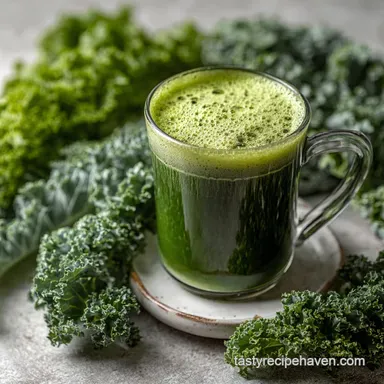
Kale Juice Recipe: Nutrient-Dense Elixir
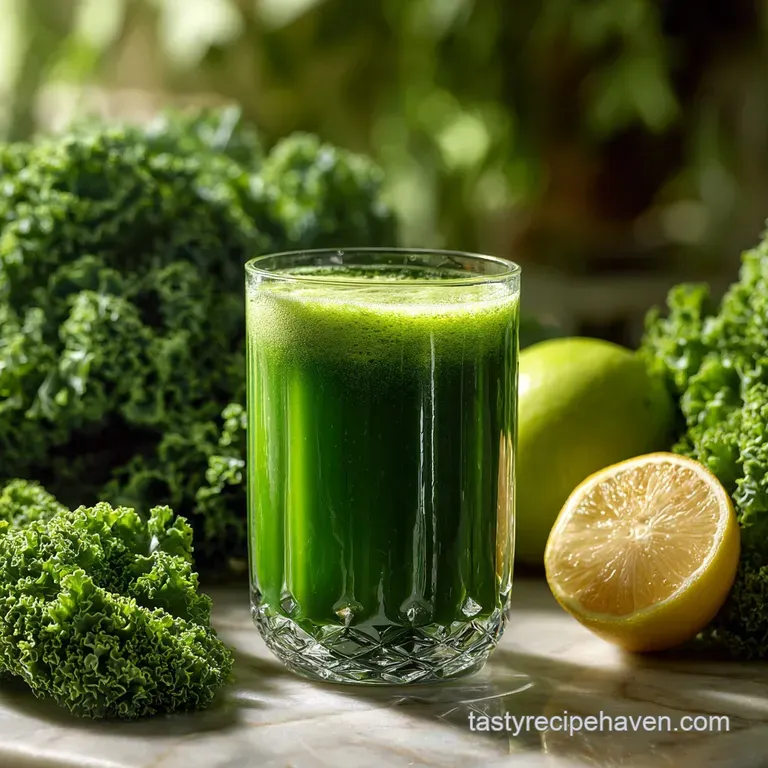
- Time: Active 5 minutes, Passive 3 minutes, Total 8 minutes
- Flavor/Texture Hook: Silky and zingy
- Perfect for: Morning wellness routines and post workout hydration
- The Science Behind Balancing Bitter Greens and Bright Acids
- Essential Measurements for a Nutrient Dense Morning Glow
- Selecting the Highest Quality Components for Flavor Extraction
- Tools Required for Maximum Yield and Minimal Oxidation
- Step by Step Guide to a Silky Smooth Texture
- Navigating Flavor Hurdles and Common Technical Mistakes
- Customizing Your Green Elixir for Specific Health Goals
- Maximizing Freshness and Reducing Kitchen Food Waste
- Pairing Your Juice with Wholesome Breakfast Favorites
- Kale Juice Recipe FAQs
- 📝 Recipe Card
The first time I tried a homemade green drink, it was a disaster. I’d shoved an entire head of curly kale into a blender with some lukewarm water and hoped for the best. What I got was a gritty, swamp colored mess that tasted exactly like a wet lawn. I almost gave up on the idea right then.
But I knew there had to be a way to make these ingredients work together without sacrificing my taste buds. It wasn't about the quantity of greens, but the chemistry of the components.
After months of tweaking, I found the sweet spot. It started with that unmistakable snap of a fresh English cucumber and the bright, floral aroma of lemon zest hitting the cutting board. When you get the balance right, the juice doesn't just taste healthy, it tastes revitalizing.
You get the deep green notes of the kale, but they're immediately lifted by the acidity of the lemon and the clean, watery crunch of the celery.
This recipe is the result of those messy kitchen experiments. We’re going for a silky texture that feels light on the palate, not heavy or sludge like. By focusing on Lacinato kale (the dark, pebbly "dino" variety) and pairing it with high water content vegetables, we create a drink that is both satisfying and incredibly fresh.
Trust me, once you smell that spicy ginger hitting the juice collector, you’ll never go back to the bottled stuff.
The Science Behind Balancing Bitter Greens and Bright Acids
Acidic Neutralization: Lemon juice contains citric acid which physically binds to the bitter alkaloids in kale, significantly reducing the "grassy" flavor profile on your tongue.
Osmotic Extraction: The high water content in English cucumbers acts as a natural solvent, helping to pull out the fat soluble vitamins from the kale leaves during the juicing process.
Enzymatic Preservation: Adding ginger early in the extraction process introduces gingerol, an antioxidant that helps slow down the oxidation of the green juice, keeping it vibrant for longer.
| Method | Total Time | Texture | Best For |
|---|---|---|---|
| Cold Press Juicer | 8 minutes | Silky and thin | Maximum nutrient retention |
| High Speed Blender | 5 minutes | Pulpy and thick | High fiber "whole food" drink |
| Centrifugal Juicer | 6 minutes | Frothy and light | Quick mornings and high volume |
Choosing between a blender and a juicer really depends on your texture preference and how much time you have for cleanup. While the juicer provides that professional, velvety finish, a blender keeps the fiber intact, which is a great trade off if you want a more filling snack. If you do go the blender route, you might want to pair it with a Bar Recipe to turn it into a full, balanced breakfast.
Essential Measurements for a Nutrient Dense Morning Glow
| Component | Scientific Role | Pro Secret |
|---|---|---|
| Lacinato Kale | Primary Chlorophyll Source | Remove the woody bottom of the stem to avoid a bitter "woody" aftertaste. |
| English Cucumber | Base Hydrator | Keep the skin on for the silica and extra hit of vibrant green color. |
| Fresh Ginger | Thermogenic Catalyst | Don't peel it; the skin contains concentrated oils that add a spicy depth. |
| Fuji Apple | Natural Emulsifier | The pectin in the apple helps bind the water and juice, preventing quick separation. |
Success with this recipe depends on the order you feed the produce into your machine. Always start with a high moisture item like cucumber to lubricate the gears or blades before adding the tougher kale leaves. This ensures the leaves don't just get stuck or pulverized into a dry paste.
Selecting the Highest Quality Components for Flavor Extraction
- 100g Lacinato (Dino) Kale: Leaves and stems included. Why this? It’s less bitter and more tender than curly kale varieties.
- Substitute: Swiss Chard (same volume, but offers a slightly saltier, earthier profile).
- 250g English Cucumber: Approx. 1 medium cucumber. Why this? They have fewer seeds and thinner skin, providing a cleaner flavor.
- Substitute: Standard slicing cucumber (peel it first to avoid the waxy coating).
- 80g Celery stalks: Including the leaves. Why this? Celery provides natural sodium and a refreshing, salty sweet contrast.
- Substitute: Fennel bulb (adds a mild, sophisticated anise or licorice note).
- 150g Fuji or Granny Smith Apple: Cored. Why this? Fuji is sweeter, while Granny Smith provides a tartness that cuts through the kale.
- Substitute: Pear (adds a softer sweetness and a slightly more velvety mouthfeel).
- 15g Fresh Ginger root: Unpeeled. Why this? Adds a spicy "bite" that wakes up the digestive system.
- Substitute: 1/2 tsp Ground Ginger (use only if fresh isn't available, but expect less "zing").
- 30g Lemon: Yellow zest removed. Why this? Essential for brightness and preventing the juice from turning brown.
- Substitute: Lime (provides a more tropical, sharp acidity that works well with ginger).
Tools Required for Maximum Yield and Minimal Oxidation
To get the most out of your 100g of kale, a masticating (cold press) juicer is the gold standard. These machines work slowly, chewing the greens to squeeze out every drop of liquid without heating up the juice.
If you are using a centrifugal juicer, the high speed spinning can sometimes introduce too much oxygen, leading to that "frothy" head on top.
If you don't own a juicer at all, a high speed blender like a Vitamix or Ninja will do the trick, but you'll need to strain the mixture through a nut milk bag or a fine mesh sieve to achieve that juice consistency.
I’ve tried doing this with a regular colander before, and it was a mess you really need that fine mesh to catch the tiny kale fibers. Having a sharp chef's knife for the initial prep is also key, as cleanly cut vegetables oxidize slower than those that are bruised by dull blades.
Step by step Guide to a Silky Smooth Texture
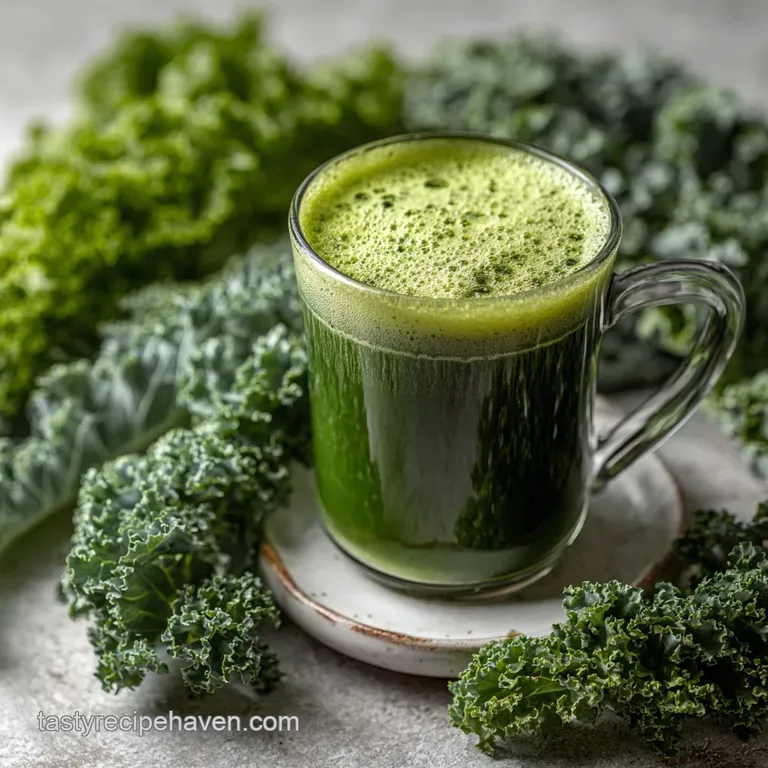
- Wash the produce. Rinse the 100g of kale and 250g of cucumber in cold water to remove any grit. Note: Cold water helps keep the cells crisp for better juice extraction.
- Prep the kale. Chop the kale leaves into 2 inch pieces, including the stems.
- Slice the cucumber. Cut the cucumber into long spears that will easily fit your juicer’s chute.
- Core the apple. Remove the seeds and core from the 150g apple to prevent any bitter seed oils from entering the juice.
- Process the lemon. Peel the 30g of lemon, leaving as much of the white pith as possible for the bioflavonoids.
- Start with cucumber. Feed half of the cucumber spears into the juicer until you see the first stream of clear green liquid.
- Layer the kale. Alternating with the remaining cucumber, feed the kale leaves into the chute. Note: The cucumber "pushes" the lighter kale through the extraction screw.
- Add the aromatics. Push the 15g of ginger and the 80g of celery through the machine.
- Finish with apple. Feed the apple pieces through until the pulp coming out looks dry and brittle.
- Stir and serve. Give the juice a quick stir with a spoon to incorporate the lemon and serve over ice if desired.
Navigating Flavor Hurdles and Common Technical Mistakes
Managing Excessive Foam Production
If you notice a thick, soapy looking foam on top of your juice, it's usually due to the high speed of a centrifugal juicer or the natural saponins in the kale. While it’s harmless, it can have a "dry" mouthfeel that isn't very pleasant.
You can easily strain this off with a spoon or pour the juice through a small tea strainer before drinking.
Balancing an Overpowering Ginger Bite
Sometimes a 15g piece of ginger can be much spicier than expected depending on its age. If your juice feels like it's burning the back of your throat, don't toss it out. You can mellow it by adding a splash of filtered water or a bit more apple.
The sugars in the apple will coat the tongue and dampen the heat of the gingerol.
| Problem | Root Cause | Solution |
|---|---|---|
| Bitter Juice | Old kale or too much stem | Use Lacinato variety and add extra lemon juice to neutralize. |
| Separation | Lack of emulsifying pectin | Whisk in a teaspoon of chia seeds or use a sweeter Fuji apple. |
| Dull Green Color | Oxidation from heat | Add the lemon earlier in the process and drink within 15 minutes. |
Chef's Tip: If you find the juice still tastes a bit too "green" for your liking, add a pinch of high-quality sea salt. It sounds counterintuitive, but salt suppresses bitterness and makes the sweetness of the apple pop.
Common Mistakes Checklist
- ✓ Using "pre bagged" kale which is often wilted and has a much higher sulfur content.
- ✓ Removing the skin from the ginger, which is where a lot of the aromatic oils live.
- ✓ Juicing the lemon with the yellow zest still on; the zest oils can be overwhelmingly floral and bitter.
- ✓ Forgetting to juice a high water vegetable (like cucumber) last to "flush" the remaining kale out of the machine.
- ✓ Letting the juice sit on the counter for more than 20 minutes before drinking.
Customizing Your Green Elixir for Specific Health Goals
Scaling this recipe for a family brunch or a meal prep session is fairly straightforward, but you have to be careful with the more potent ingredients. When doubling the batch, I usually stick to 1.5x the ginger and lemon first, then taste. You can always add more, but you can't take it away! If you're looking for a different vibe, you could try a Green Apple Juice recipe for something lighter and even more kid friendly.
For those looking for kale juice recipes for weight loss, the key is to keep the fruit to veg ratio in favor of the greens. This specific recipe uses one small apple, which provides enough sweetness to make it palatable without sending your blood sugar on a roller coaster.
If you want to go even lower in sugar, you can swap the apple for a handful of strawberries or simply add more cucumber.
When considering kale juice recipes for diabetics, balance is everything. The fiber in the celery and the acids in the lemon help, but you might want to use only half the apple and replace the other half with an extra stalk of celery.
This keeps the flavor profile savory and "refreshing" without the spike. It's also worth noting that drinking this alongside a protein source, like a handful of almonds, can further stabilize your response to the natural sugars.
Maximizing Freshness and Reducing Kitchen Food Waste
Fresh green juice is a living thing. The moment the cell walls of the kale and cucumber are broken, enzymes begin to break down the nutrients. For the best experience, drink this immediately. If you must store it, use a glass jar with an airtight lid and fill it all the way to the top to minimize the air gap.
It will stay reasonably fresh in the fridge for about 24 hours.
Don't let the leftover pulp go to waste! The kale and cucumber fiber is actually quite versatile. Storage: Fridge 24 hours, Freezer 1 month (in ice cube trays). Zero Waste Tip: Mix the leftover pulp into veggie burger patties or fold it into a savory muffin batter.
The ginger and lemon notes in the pulp actually work beautifully in a spiced carrot cake or morning glory muffins. You can even compost the dry pulp to give your garden a nitrogen boost.
Pairing Your Juice with Wholesome Breakfast Favorites
Because this juice is quite lean, I love pairing it with something that has a bit of healthy fat to help with the absorption of the Vitamin K in the kale. A slice of sourdough toast topped with smashed avocado and a sprinkle of Chipotle Spices creates a fantastic contrast between the smoky heat of the toast and the cold, bright juice.
If you're in a hurry, this juice is also the perfect companion to a bowl of Greek yogurt or even a side of Cream Cheese Corn if you're doing a more savory, brunch style meal. The richness of the dairy helps reset the palate after the sharp ginger and kale notes.
Debunking Green Juice Misconceptions
One common myth is that "juicing removes all the health benefits" because the fiber is gone. While it's true you lose the insoluble fiber, you are still getting a concentrated dose of phytonutrients and vitamins in an easy to digest form.
It’s not a replacement for eating whole vegetables, but rather a high potency supplement to a balanced diet.
Another frequent claim is that you can't use the stems of the kale. Actually, the stems are packed with moisture and minerals. As long as you have a decent juicer, they provide a significant amount of liquid. Just make sure to trim the very bottom 1/2 inch of the stem, which can be dry and "corky," and use the rest!
Finally, people often think green juice has to taste bad to be good for you. That "no pain, no gain" mentality in the kitchen is exactly why people quit healthy habits. By using the right ratios of apple and lemon, you create a drink that is genuinely delicious.
Healthy eating should be about abundance and flavor, not about "sacrificing" your enjoyment of food. This juice is proof that you can have both.
Kale Juice Recipe FAQs
Is it safe to drink kale juice every day?
Generally, yes, but moderation is key. While kale juice is packed with nutrients, consuming excessive amounts daily can potentially lead to issues like thyroid problems due to its goitrogen content, or digestive upset. It’s best to listen to your body and rotate it with other juices.
How to prepare kale juice?
Wash kale thoroughly, then juice it. Remove the woody stems from the kale leaves, rinse them well, and feed them through your juicer. For a balanced flavor, pair it with fruits like apple or lemon before juicing.
What fruits go best with kale?
Apples, lemons, and pears are excellent pairings. Apples add natural sweetness and help mask the bitterness of kale, while lemon provides a bright, tangy counterpoint. Pears offer a softer sweetness and a smoother texture, similar to how you might balance flavors in a Vanilla Mousse: The Silkiest Classic Crème Anglaise Recipe.
What not to put in green juice?
Avoid putting ingredients that will make the juice overly bitter or difficult to digest. This includes very fibrous vegetables like broccoli stems if you have a less powerful juicer, or adding too many cruciferous vegetables without balancing sweetness.
Can I juice kale stems?
Yes, you can juice kale stems, but trim the very bottom. The bottom half inch of the stem can be dry and corky. The rest of the stem is nutrient rich and contributes to the juice's liquid content, much like using all parts of vegetables in dishes such as Appetizer Recipe with Garlic and Herbs: Whipped Goat Cheese.
Does kale juice need to be consumed immediately?
It's best to drink kale juice as soon as possible after juicing. Fresh juice begins to oxidize and lose nutrients upon exposure to air. If you must store it, keep it in an airtight container in the refrigerator for up to 24 hours.
Is kale juice as healthy as eating whole kale?
Juicing kale concentrates nutrients but removes fiber. You get a potent dose of vitamins and minerals, but you lose the beneficial fiber found in whole kale. Think of it as a nutrient boost rather than a complete replacement for eating your greens whole.
Kale Juice Recipe