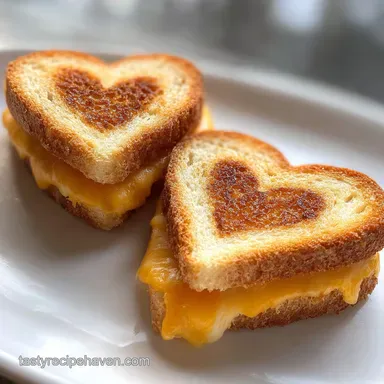
Mini Grilled Cheese Hearts
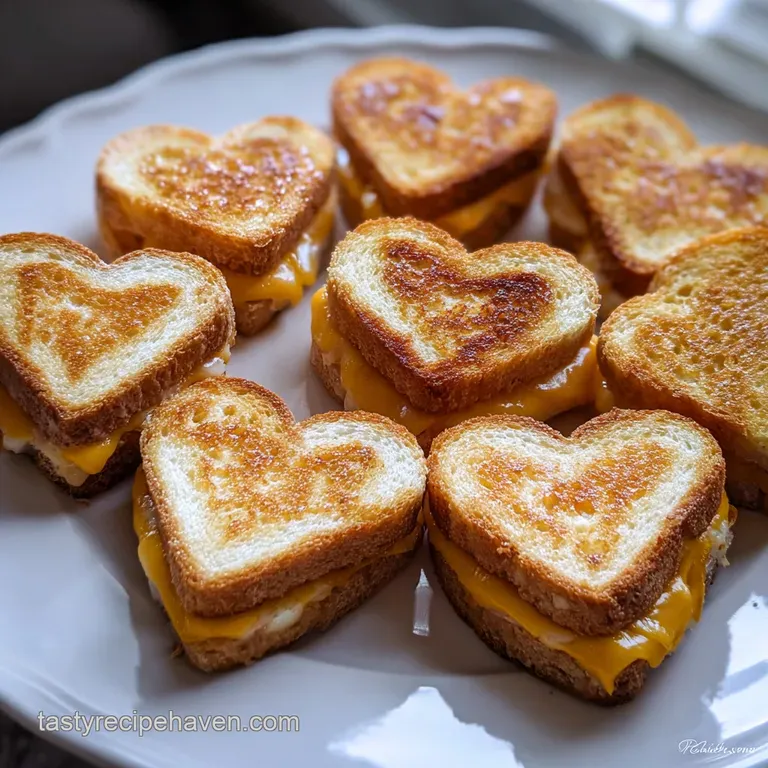
- Time: Active 15 minutes, Passive 10 minutes, Total 25 minutes
- Flavor/Texture Hook: Shatter crisp sourdough with a sharp, molten cheddar mozzarella blend
- Perfect for: Valentine's Day appetizers, toddler approved lunches, or cozy soup pairings
- Making Perfect Mini Grilled Cheese Hearts
- The Science of Why it Works
- Science Behind the Golden Crunch
- Standard Recipe Timing and Yield
- Selecting the Best Sourdough Components
- Essential Tools for Success
- Step-by-Step Assembly and Cooking
- Fixing Common Grilling Mistakes
- Creative Swaps for Better Flavor
- Standard Scaling Guidelines
- Debunking Grilling Myths
- Safe Storage and Reheating Tips
- Delicious Pairings for These Hearts
- Recipe FAQs
- 📝 Recipe Card
Making Perfect Mini Grilled Cheese Hearts
I remember the first time I tried to make these for a school Valentine's party. I thought I would be clever and grill full sandwiches first, then cut them into hearts later. It was a disaster.
The cheese squeezed out like toothpaste, the crust shattered into jagged shards, and I ended up with a pile of "abstract art" instead of cute snacks.
Since that messy afternoon, I've learned that the secret lies in the sequence. You have to sculpt the bread before it ever touches the heat. It feels a bit like a craft project at first, but once you hear that first sizzle in the pan, you'll see why it's worth the extra few minutes of prep.
These are manageable, pantry based treats that look far more impressive than the effort required.
We are going for a specific texture here. We want a crust that offers a distinct "crunch" sound when you bite in, followed immediately by the silky pull of the mozzarella and the bite of the sharp cheddar. To get there, we’re using a trick I picked up from a diner cook: mixing yogurt into the butter.
It sounds weird, but it's the secret to a perfectly even, golden crust that isn't dripping in oil.
The Science of Why it Works
Maillard Reaction: The proteins in the sourdough and the sugars in the yogurt react under heat to create a complex, nutty flavor and a deep brown color. Lipid Emulsification: The moisture in the Greek yogurt helps the butter spread thinner and more evenly, creating a consistent moisture lock barrier on the bread.
| Cook Method | Time | Texture | Best For |
|---|---|---|---|
| Heavy Skillet | 6 minutes | Ultra crispy edges | Achieving a classic, diner style buttery finish |
| Air Fryer | 8 minutes | Evenly toasted | Making large batches without needing to flip |
| Oven Broil | 4 minutes | Soft and melty | Quick prep for open faced snack versions |
The stovetop method is my personal favorite because you can control the heat precisely. If you have a cast iron skillet, now is the time to pull it out. The heat retention of cast iron ensures that every single heart gets the same level of golden brown goodness without any cold spots.
Science Behind the Golden Crunch
When we talk about the science of a great sandwich, we have to look at the bread's structure. Sourdough is ideal because of its sturdy crumb. The fermentation process creates small air pockets that, when grilled, turn into tiny "crisp zones." If you use a soft, white sandwich bread, the weight of the spatula will often compress it into a gummy layer.
Sourdough holds its height, even when you press down to ensure the cheese melts.
Another factor is the melting point of your fats. Butter has a relatively low smoke point, which is why it burns quickly if the heat is too high. By mixing in a little bit of non fat Greek yogurt, we are adding protein and moisture.
This effectively slows down the browning process just enough to let the cheese inside reach its "melting plateau" before the outside of the bread turns into charcoal. It’s a small tweak that makes the recipe much more forgiving for home cooks.
| Component | Science Role | Pro Secret |
|---|---|---|
| Sourdough | Structural Integrity | Use bread that is 1 or 2 days old for a sturdier heart shape |
| Sharp Cheddar | Flavor & Emulsion | Grate it yourself to avoid the "grainy" texture of pre shredded bags |
| Greek Yogurt | Moisture Barrier | Use plain, non fat yogurt to keep the spread light and tangy |
Using a pinch of smoked paprika in the spread isn't just for flavor. It actually helps the bread look more vibrant. The pigments in the paprika bloom in the warm butter, giving the hearts an orange gold hue that looks incredible on a serving platter. It's a tiny detail that makes a big difference in presentation.
Standard Recipe Timing and Yield
This recipe is designed for efficiency, especially if you are feeding a group. While the total time is 25 minutes, most of that is spent at the cutting board or watching the pan.
You'll end up with 14 servings, which usually translates to 14 individual mini sandwiches if you use a standard 3 inch heart cutter.
If you are planning a themed lunch, these pair beautifully with a hearty bowl of soup. For something a bit more substantial, you might consider how these small bites complement a Crockpot White Chicken recipe on a cold afternoon. The creaminess of the chili and the crunch of the cheese hearts are a match made in heaven.
Selecting the Best Sourdough Components
- 8 slices sourdough bread: Look for a loaf with a tight crumb (fewer giant holes) so the cheese stays inside.
- 2 tbsp grass fed butter, softened: Grass fed butter has a higher beta carotene content, which helps with browning.
- Substitute: Avocado oil spread. Why this? It has a higher smoke point but still provides a creamy mouthfeel.
- 1 tbsp plain non fat Greek yogurt: This adds tang and helps the butter spread further.
- Substitute: low-fat mayonnaise. Why this? Mayo is a classic grilled cheese trick for a perfectly even crust.
- 4 oz sharp white cheddar cheese, thinly sliced: Sharp cheddar provides the punchy flavor we need.
- Substitute: Gruyère. Why this? It adds a sophisticated, nutty flavor and melts beautifully.
- 2 oz low moisture mozzarella cheese, thinly sliced: This gives us the "cheese pull" factor.
- Substitute: Provolone. Why this? It has a mild flavor and excellent elasticity when melted.
- 1 pinch smoked paprika: For a hint of earthiness and better color.
- Substitute: Garlic powder. Why this? Adds a savory, aromatic layer without the smoky notes.
Essential Tools for Success
You don't need a kitchen full of gadgets, but a few specific items will make your life much easier. First, a metal heart shaped cookie cutter is non negotiable. Plastic ones often have dull edges that will tear the sourdough rather than cutting through it cleanly.
A 3 inch cutter is the "Goldilocks" size big enough to hold plenty of cheese but small enough to be a true finger food.
A wide, flat spatula is your best friend here. Since these hearts are small, you can often flip two or three at once if you have a large enough turner. I also recommend using a heavy bottomed skillet. Thin pans often have "hot spots" that will burn the center of your heart while the edges stay pale and soft.
A cast iron pan or a heavy stainless steel skillet will provide the even heat distribution required for that velvety finish.
Step-by-step Assembly and Cooking
- Prep the spread. In a small bowl, mix the 2 tbsp softened butter, 1 tbsp Greek yogurt, and a pinch of smoked paprika until silky. Note: This creates an emulsion that prevents the bread from absorbing too much fat.
- Cut the hearts. Press your heart cutter into the 8 slices of sourdough. Work close to the edges to get at least two hearts per slice.
- Slice the cheese. Cut your 4 oz cheddar and 2 oz mozzarella into small pieces that fit just inside the heart shapes. Note: Keep the cheese about 1/4 inch from the edge to prevent leaking.
- Apply the base spread. Lightly coat one side of each heart with the butter mixture.
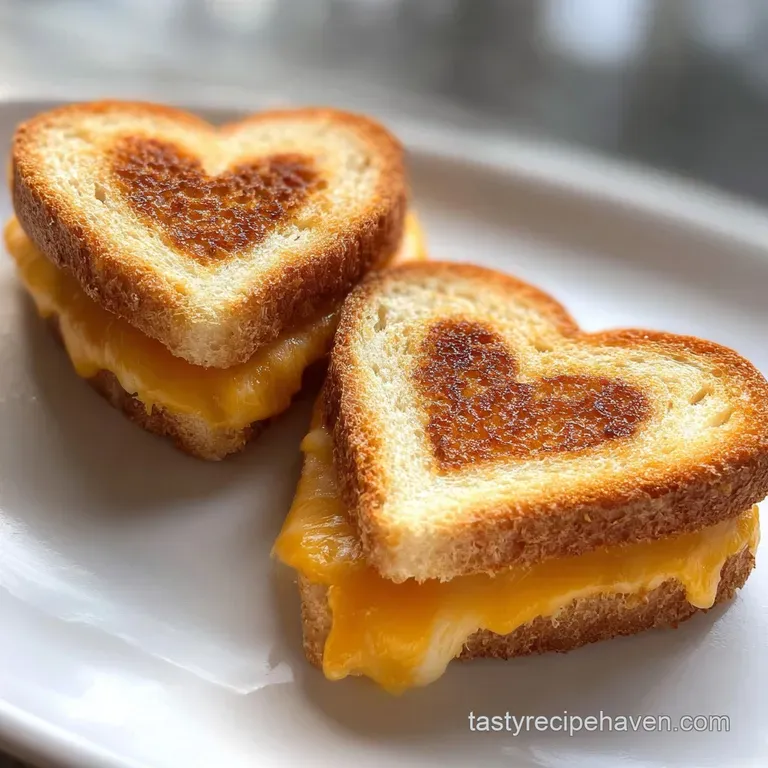
- Build the sandwich. Place a piece of cheddar and a piece of mozzarella between two hearts, with the buttered sides facing outward.
- Preheat the pan. Heat your skillet over medium low heat for 3 minutes until a drop of water dances and evaporates.
- Start grilling. Place the hearts in the pan. Listen for a gentle sizzle; if it's popping loudly, turn the heat down.
- Press gently. Use your spatula to apply light pressure. Cook for 3 minutes until the bottom is golden brown.
- The flip. Carefully turn the hearts over. Cook another 2-3 minutes until the cheese is visibly molten and the bread is crisp.
- Rest and serve. Remove from the pan and let them sit for 60 seconds. Note: This allows the cheese to set slightly so it doesn't run out when bitten.
Fixing Common Grilling Mistakes
One of the most frequent issues I see is the bread burning before the cheese has a chance to melt. This is usually caused by the "cold cheese, hot pan" syndrome. If your cheese is straight from the fridge and your pan is screaming hot, the outside of the sourdough will reach its burning point before the internal temperature of the cheese rises enough to break down the proteins.
Why Your Hearts Are Sinking
If your sandwiches look flat or squashed, you might be pressing too hard. While a little pressure helps with heat transfer, sourdough has a delicate structure. If you crush the air pockets, you lose that "shatter" effect.
Just a light tap with the spatula is all you need to ensure the bread makes full contact with the skillet.
| Problem | Root Cause | Solution |
|---|---|---|
| Burned bread, cold cheese | Heat is too high | Lower the flame and use a lid to trap heat |
| Soggy or greasy crust | Too much butter spread | Use the yogurt butter mix and spread it thinly |
| Cheese leaking out | Slices too large or close to edge | Trim cheese to be slightly smaller than the bread |
Common Mistakes Checklist
- ✓ Always cut the bread shapes before adding the butter spread.
- ✓ Don't skip the 3 minute pan preheat - it ensures an even sear.
- ✓ Grate your own cheese if possible to avoid anti caking starches.
- ✓ Avoid high heat; medium low is the "sweet spot" for melting.
- ✓ Let the sandwiches rest for one minute after cooking to stabilize the cheese.
Creative Swaps for Better Flavor
If you want to move beyond the classic cheddar and mozzarella, there are plenty of ways to add some gourmet flair. For a sophisticated brunch, try using thinly sliced Brie and a tiny smear of fig jam inside the hearts. The sweetness of the jam cuts through the buttery fat of the cheese perfectly. If you're looking for another elegant heart shaped treat to finish the meal, my Heart Shaped Cheesecake recipe is a fantastic follow up for a Valentine's theme.
For the kids, you can make a "pizza heart" by adding a tiny piece of pepperoni inside. Just be sure to pat the pepperoni dry with a paper towel first, or the oils will make the bread soggy from the inside out.
You can also experiment with different breads; a light rye or a seeded whole wheat can add a lot of character, though they may not cut as cleanly as sourdough.
| Goal | Adjustment | Outcome |
|---|---|---|
| Extra Creamy | Swap mozzarella for Havarti | A much softer, buttery melt with less "pull" |
| Spicy Kick | Add diced jalapeños | Adds heat and a nice crunch to the interior |
| Vegan Friendly | Use cashew cheese & vegan butter | Similar texture, but skip the yogurt spread |
Standard Scaling Guidelines
Downscaling (Making 4-6 hearts): If you're just making a quick snack for one or two people, you can easily halve the recipe. Use a smaller 8 inch skillet to maintain heat efficiency.
Since you'll only be using half an egg's worth of moisture (if you were using an egg wash, though we aren't here), just ensure your butter to yogurt ratio remains 2:1 to keep the spread consistency right.
Upscaling (Making 28+ hearts): When making a big batch for a party, don't just double the heat. Work in batches to avoid overcrowding the pan. If the pan is too full, the steam released from the bread won't have anywhere to go, and your hearts will turn out soft instead of crispy.
You can keep the finished hearts warm in a 200°F (95°C) oven on a wire rack while you finish the rest.
Debunking Grilling Myths
One common myth is that you need a massive amount of butter to get a crispy crust. In reality, too much fat actually soaks into the bread fibers, making them heavy and damp. A thin, even layer of an emulsified fat (like our butter yogurt mix) creates a better barrier and a crispier result.
Another misconception is that "low-fat cheese melts the same." Most low-fat cheeses have a higher protein to fat ratio, which means they tend to get rubbery or "sweat" water when heated rather than melting into a silky pool.
If you're looking for that classic gooey center, stick to full fat cheeses but perhaps use a smaller amount.
Safe Storage and Reheating Tips
Storage: These are definitely best served immediately, but if you have leftovers, keep them in an airtight container in the fridge for up to 3 days. Do not stack them while they are still warm, or the steam will make them soggy.
Reheating: Avoid the microwave at all costs! It will turn your sourdough into a rubbery mess. Instead, pop them back into a dry skillet over medium heat for about 2 minutes per side. This will revive the crunch of the bread and remelt the cheese.
An air fryer at 350°F (175°C) for 3 minutes also works brilliantly.
Zero Waste: Don't you dare throw away those sourdough scraps! After you've cut out your hearts, you'll have plenty of bread remnants. I like to toss them in a bowl with a little olive oil, garlic powder, and dried oregano, then bake them at 375°F (190°C) until they are golden brown. They make the most incredible homemade croutons for salads or soups. If you have leftover cheese scraps, you can melt them into a quick mornay sauce or save them for a Head Cheese Recipe if you're feeling adventurous with traditional terrines.
Delicious Pairings for These Hearts
While these hearts are a star on their own, they truly shine when paired with the right sides. A classic tomato basil soup is the obvious choice, providing a bright acidity that balances the rich cheese. For a more modern take, serve them alongside a crisp arugula salad with a lemon vinaigrette.
The peppery bite of the greens cuts right through the sourdough crust.
If you're serving these as part of a larger spread, think about textures. Something soft and creamy, like a veggie dip or a small bowl of mashed potatoes, can provide a nice contrast to the "shatter" of the sandwich.
No matter how you serve them, these mini bites are a reminder that a little bit of extra effort in the shaping can turn a simple pantry meal into something truly memorable.
Recipe FAQs
Is a grilled cheese heart healthy?
No, not typically. While they are delicious, grilled cheese sandwiches are generally high in fat and refined carbohydrates, making them more of a treat than a health food. Opting for whole grain bread and portion control can make them a slightly better choice.
Can I eat grilled cheese while losing weight?
Yes, with moderation. It's possible to fit grilled cheese into a weight loss plan by being mindful of portion sizes, choosing whole wheat bread, and using leaner cheeses or less of them. Consider it an occasional indulgence rather than a daily staple.
Is mayo or butter better for grilled cheese?
Mayo is often preferred for an even crispier crust. Mayonnaise contains oil and egg, which helps create a beautifully golden and consistent crust without burning as quickly as butter. However, many still love the classic flavor butter provides.
What did Gordon Ramsay put in his grilled cheese?
Gordon Ramsay's famous grilled cheese includes a blend of gruyere and cheddar, with a touch of Dijon mustard and chives. He emphasizes good quality bread and slow, even cooking for the perfect melt and crust. If you enjoyed mastering the emulsification technique here, see how the same principle of controlling fat and moisture applies in our Appetizer Recipe with Garlic and Herbs: Whipped Goat Cheese.
Can I make mini grilled cheese hearts gluten-free?
Yes, with a good gluten-free bread. Choose a sturdy gluten-free loaf that can hold its shape when cut and grilled. The key is a bread that doesn't crumble easily and toasts well.
How do I prevent cheese from leaking out of my mini grilled cheese hearts?
Trim the cheese slightly smaller than the bread shape. Ensure the cheese slices are not going all the way to the edge of your cut bread hearts. A small gap prevents molten cheese from oozing out during grilling.
Can I use different cheeses in my mini grilled cheese hearts?
Absolutely! Feel free to experiment with your favorite melting cheeses. A blend of sharp cheddar and provolone, or even a touch of Monterey Jack, can create delicious variations. If you master the controlled melt here, you might enjoy applying similar cheese melting skills to dishes like Cheddar Potato Casserole Recipe Creamy Twice Baked: Ultimate Comfort Food.
Mini Grilled Cheese Hearts