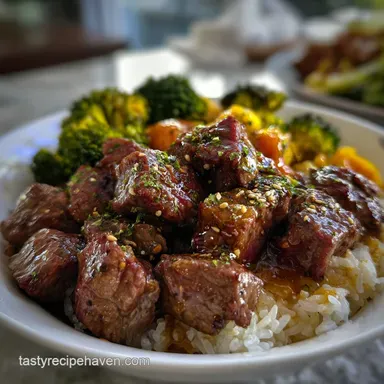
Easy Steak Hibachi Recipe: 30-Minute Griddle Sear
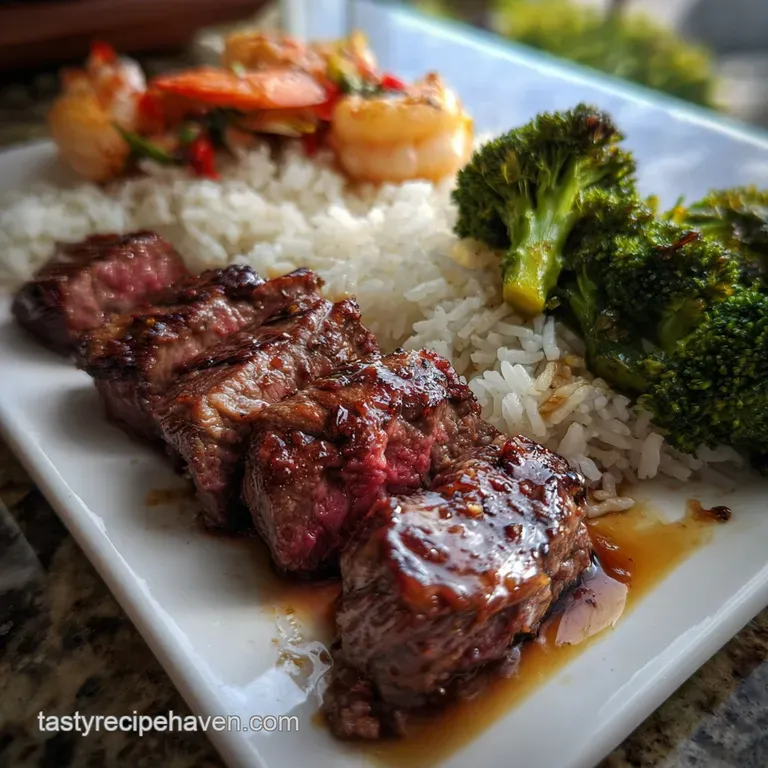
- Effort/Time:20 minutes prep, 10 minutes active cooking.
- Flavor Hook: Umami-rich soy-ginger glaze with a velvety garlic butter finish.
- Perfect for: High-protein weeknight meals or "fakeaway" Saturday nights.
The Ultimate Steak Hibachi Recipe: Restaurant Style Sizzle at Home
Why You’ve Struggled With Hibachi Before
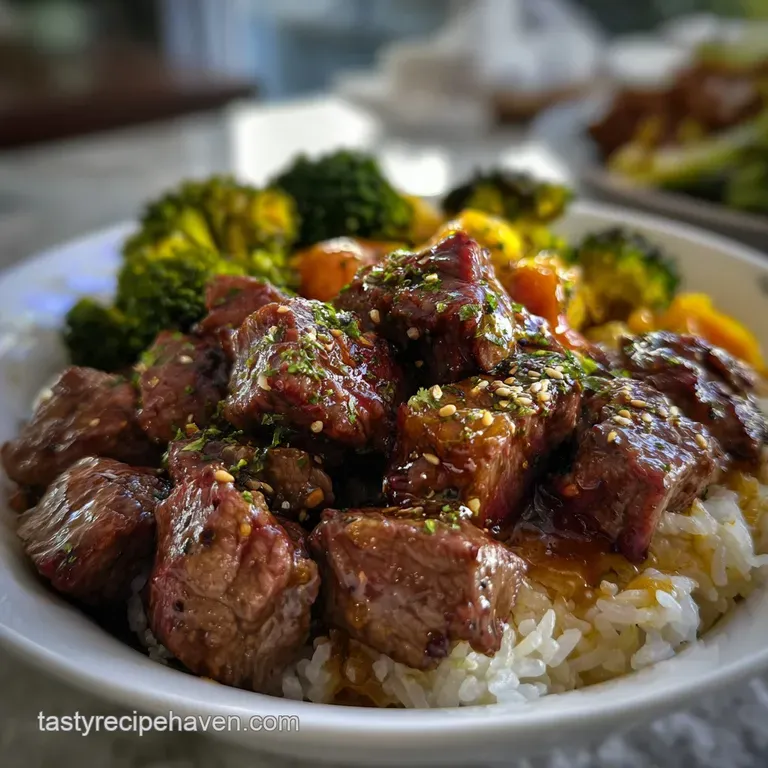
We’ve all been there: you try a steak hibachi recipe at home, but the meat ends up gray and steamed rather than browned. I used to dump everything into the pan at once, which dropped the surface temperature and ruined the texture.
The secret isn't just the heat; it's the timing and the "dry sear" technique.
This steak hibachi recipe solves the soggy vegetable problem by utilizing specific heat zones and sequential cooking. We are going to mimic a commercial flat top using a heavy Lodge Cast Iron Skillet.
If you’ve ever felt like your home version was missing that "kick," it’s likely the lack of acidity and the specific type of fat used during the final 60 seconds of cooking.
Get ready for that signature sizzle. This isn't just dinner; it’s a technical execution of heat management and flavor layering that will make your kitchen smell like a high end steakhouse. Let's crack on with the science and the steps.
Why This Steak Hibachi Recipe Works
- High Thermal Mass: Using cast iron or a heavy griddle ensures the surface temperature doesn't plummet when the 1.5 lbs New York Strip hits the metal, allowing for instant protein denaturation.
- Sequential Searing: Cooking the 8 oz white button mushrooms and 1 large zucchini separately prevents overcrowding, which otherwise leads to moisture release and steaming.
- Emulsified Butter Finish: Adding 4 tbsp unsalted butter at the very end creates a temporary emulsion with the 2 tbsp low-sodium soy sauce, coating the meat in a glossy, savory film.
- Aromatic Infusion: The 1 tsp fresh ginger and 3 cloves garlic are added late in the process to prevent the bitter carbonization that occurs under prolonged high heat.
- Acid Brightening: The 1 tsp fresh lemon juice acts as a chemical "brightener," breaking through the heavy fats of the hibachi steak recipe to highlight the beef's natural flavor.
The Science Behind the Ingredients
New York Strip Steak (1.5 lbs)
- What It Does
- Provides the primary protein structure and fat-rendered flavor.
- The Chemistry
- As the 1 inch cubes hit the pan, the Maillard reaction occurs between amino acids and reducing sugars, creating hundreds of different flavor compounds.
- Why This Matters
- This reaction only happens effectively above 285°F (140°C). By trimming the 1.5 lbs New York Strip and keeping it dry, we ensure the energy goes into browning rather than evaporating surface water.
Fresh Ginger (1 tsp)
- What It Does
- Adds a pungent, spicy aromatic base.
- The Chemistry
- Ginger contains zingibain, a proteolytic enzyme that can technically tenderize meat, though here it’s used primarily for its volatile aromatic oils.
- Why This Matters
- The heat converts gingerol into zingerone, which provides a milder, woodier aroma that characterizes a classic steak hibachi recipe.
Unsalted Kerrygold Butter (4 tbsp)
- What It Does
- Provides a rich mouthfeel and facilitates browning of the aromatics.
- The Chemistry
- The milk solids in the butter undergo their own Maillard reaction, producing a nutty aroma (beurre noisette) that complements the soy sauce.
- Why This Matters
- Using unsalted butter allows us to control the sodium levels, especially since we are already using 2 tbsp low-sodium soy sauce.
Yakisoba Noodles (8 oz)
- What It Does
- Acts as the primary carbohydrate and sauce delivery vehicle.
- The Chemistry
- These wheat based noodles have a specific gluten network that provides a "chewy" or al dente texture even when tossed in over high heat fat.
- Why This Matters
- The surface starch on the 8 oz yakisoba noodles helps the soy-butter sauce cling to each strand, ensuring no flavor is left at the bottom of the bowl.
Essential Ingredient Substitutions
| Original Ingredient | Substitute | Why It Works |
|---|---|---|
| 1.5 lbs NY Strip | Ribeye | Higher fat content; remains tender even if slightly overcooked. |
| 8 oz Yakisoba | Ramen Noodles | Similar alkaline wheat structure. Note: Boil for 2 mins less than package directions. |
| 4 tbsp Unsalted Butter | Ghee (Clarified Butter) | Higher smoke point; offers the same richness without the risk of burning milk solids. |
| 2 tbsp Soy Sauce | Tamari | Provides the same salty umami profile but is 100% gluten-free. |
How to Execute This Steak Hibachi Recipe
1. Prep the Aromatics and Protein
Trim 1.5 lbs New York Strip steak of excess silver skin and cut into 1 inch cubes. Note: Uniform cubes ensure even protein denaturation across all pieces simultaneously.
2. Create the Ginger Soy Marinade
Whisk together 2 tbsp low-sodium soy sauce, 1 tbsp toasted sesame oil, 1 tsp fresh ginger, and 0.5 tsp black pepper. Note: The sesame oil acts as a carrier for the fat-soluble flavor compounds in the ginger.
3. Prepare the Hibachi Garlic Butter
Mash 4 tbsp unsalted butter with 3 cloves minced garlic and 1 tsp fresh lemon juice until a homogenous paste forms. Note: Cold butter creates a better emulsion when it eventually hits the hot pan.
4. over High heat Vegetable Sear
Heat 1 tbsp vegetable oil in a Lodge Cast Iron Skillet until shimmering; add 1 large zucchini (half moons), 1 medium sweet onion (wedges), and 8 oz white button mushrooms (quartered). Note: Onions contain high sugar levels which caramelize quickly, providing a sweet contrast.
5. Deglaze the Vegetables
Add 1 tbsp soy sauce to the vegetables and cook for 2 minutes until the edges "shatter" with crispness, then remove from the pan. Note: Removing the veggies prevents overcooking while you sear the meat.
6. Flash Sear the Steak
Add the remaining 1 tbsp vegetable oil to the same pan; once smoking, add the steak cubes in a single layer. Note: Leave the meat undisturbed for 90 seconds to allow the crust to form via the Maillard reaction.
7. The Butter Finish
Toss the steak cubes, then add the prepared garlic butter; stir rapidly for 60 seconds until the butter foams and coats the beef. Note: The lemon juice in the butter prevents the fat from feeling "heavy" on the palate.
8. Incorporate the Noodles
Slide the 8 oz yakisoba noodles into the pan, tossing with the residual garlic butter and steak juices for 2 minutes. Note: This process, known as "mounting with butter," creates a silky sauce texture.
9. Final Assembly
Return the vegetables to the pan, toss for 30 seconds to reheat, and serve immediately. Note: Carryover cooking will continue for 1 2 minutes, so pull it off the heat while it still looks vibrant.
Troubleshooting Your Hibachi
| Problem | Root Cause | The Fix | Pro Protocol |
|---|---|---|---|
| Gray/Tough Steak | Pan temperature too low or overcrowding. | Cook in two batches if using a smaller skillet. | Use an Etekcity Infrared Thermometer to ensure the pan is 450°F+ before adding meat. |
| Soggy Zucchini | Excess moisture in the pan. | Salt the zucchini 10 mins before and pat dry. | Use high heat and don't stir for the first 2 minutes to encourage a hard sear. |
| Burnt Garlic | Added too early in the process. | Always add minced garlic with the butter at the very end. | Keep garlic cloves in larger pieces if you prefer a milder, roasted flavor profile. |
Steak Hibachi Recipe Common Myths
Myth: You need a specialized teppanyaki grill to make this. Truth: A well seasoned Lodge Cast Iron Skillet has better heat retention than many residential electric griddles, making it superior for achieving a restaurant quality sear on a steak hibachi recipe.
Myth: Marinading the steak for hours makes it better. Truth: Because we are using 1 inch cubes, the surface area-to-volume ratio is high. A long marinade with soy sauce (which contains salt) can actually cure the meat, giving it a ham-like texture.
15 20 minutes is the maximum for this steak hibachi recipe.
Storage and Meal Prep
If you have leftovers of this steak hibachi recipe with noodles, they store remarkably well because the butter and oil coating prevent the noodles from clumping.
- Fridge: Store in an airtight glass container for up to 3 days. The flavors of the ginger and garlic will actually deepen.
- Freezing: I do not recommend freezing the zucchini as the cell walls will collapse, resulting in a mushy texture. However, the steak and noodles can be frozen for up to 2 months.
- Reheating: Avoid the microwave if possible; it turns the steak rubbery. Instead, toss everything back into a hot skillet with a splash of water or extra soy sauce for 3 minutes.
Chef's Note: If you're looking for other bold, high impact flavors for your meal prep, try my Chipotle Spices Recipe: Smoky, Easy Homemade Seasoning to add a different kind of heat to your proteins.
Variations of This Steak Hibachi Recipe
- Surf and Turf: Add 8 oz of jumbo shrimp during the last 3 minutes of cooking. Shrimp cook incredibly fast and thrive in the garlic butter we've already prepared.
- Low-Carb Hibachi: Swap the 8 oz yakisoba noodles for extra zucchini noodles (zoodles) or cauliflower rice. If using zoodles, only cook them for 60 seconds to avoid a watery mess.
- Spicy Hibachi: Add 1 tbsp of Sambal Oelek or Sriracha to the garlic butter mixture.
- The "Benihana" Special: If you want that specific restaurant flavor, serve this alongside a ginger dipping sauce. For another famous copycat flavor profile, you might enjoy my In and Out Burger Sauce Recipe: Copycat Spread in 5 Minutes for a different night of the week.
Final Thoughts on the Perfect Sear
Mastering this steak hibachi recipe is about confidence with high heat. Don't be afraid of a little smoke in the kitchen that's just the sound of flavor developing.
By following the 1.5 lbs New York Strip quantity and the specific 8 oz noodle measurement, you ensure the ratios of fat to protein are perfectly balanced for 4 servings.
Whether you're cooking on a Blackstone griddle or a kitchen stove, the principles remain: dry meat, hot pan, and cold butter at the finish. After such a savory meal, you might want something sweet and portable. I often keep a batch of my Perfect Bar Recipe: Homemade Copycat with Zero Chalkiness in the fridge for a quick dessert or post workout snack.
Give this steak hibachi recipe a shot this week. Your family will think you've been taking secret culinary classes, but really, you just learned to respect the Maillard reaction and the power of a good garlic butter finish. Happy cooking!
Recipe FAQs
What cut of beef works best for steak hibachi?
Filet mignon or strip steak offer ideal tenderness. Fattier cuts like ribeye can render too much fat too quickly on high heat, causing flare ups and steaming instead of searing. The goal is a lean cut that cooks fast without drying out.
- Dice uniformly for even cooking
- Marinate briefly (under 15 min)
- Pat surface completely dry
Can I use a standard frying pan instead of a griddle?
Yes, a heavy bottomed cast iron pan works best. High heat retention is crucial for replicating the teppanyaki surface; thin pans cool too rapidly when ingredients are added. Ensure the pan is fully preheated until nearly smoking.
How can I ensure my vegetables stay crisp, not soggy?
Cook vegetables separately from the steak. Vegetable moisture releases rapidly when cooking, immediately lowering the pan temperature needed for the Maillard reaction. If you are making a side dish, try the Rudys Creamed Corn Recipe: Ultra Velvety Texas Copycat instead of trying to cook fresh corn on the hot steel.
Is sesame oil mandatory for the authentic flavor profile?
Yes, toasted sesame oil provides essential nutty aroma. It has a low smoke point, so add it only during the final minute of cooking or just before serving. Using high smoke-point oils like avocado oil is necessary for the initial high heat sear.
What is the secret to the shiny, savory sauce finish?
Butter mixed with soy sauce and mirin provides depth. The sauce achieves its final glossy texture via rapid emulsification when the butter hits the hot pan bottom post cooking. Don't pour the sauce over the food while it is still actively cooking.
- Use clarified butter for a cleaner sear
- Deglaze the pan immediately after meat removal
- Whisk vigorously to bind fats and liquids
Is it better to use fresh garlic or garlic powder?
Fresh minced garlic provides superior aromatic complexity. Garlic powder burns much faster due to its fine particle size and lack of moisture, leading to bitter notes. Fresh garlic, when added with the butter, caramelizes slowly, creating that savory undertone, similar to how we build flavor in our Small Batch Cookie Recipes: Bakery Quality In 20 Minutes.
Myth: You must continuously toss the steak while searing.
Myth: You must continuously toss the steak while searing. Reality: Continuous movement prevents the formation of a deep crust, which is the signature of good hibachi. Allow each side 60 90 seconds of undisturbed contact to achieve maximum Maillard reaction before turning.
Quick Steak Hibachi Recipe