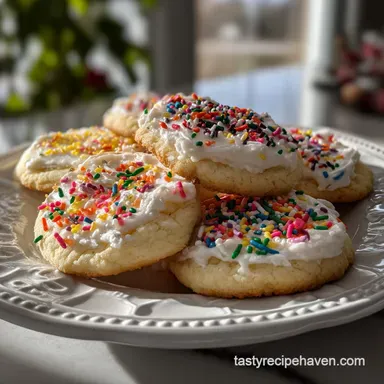
The Best Sugar Cookie Recipe Without Eggs: No Fail Results
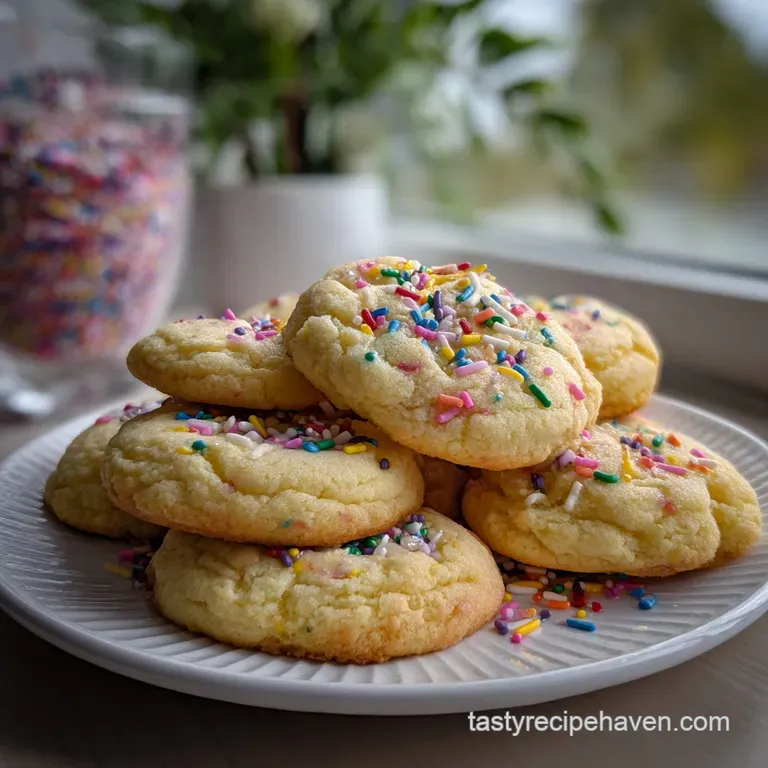
- Effort/Time: Low effort, 1 hour 30 mins (includes mandatory chilling)
- Flavor Hook: Concentrated buttery-vanilla profile with a snap-to-shatter edge
- Perfect for: Holiday-gifting, allergy-friendly parties, or midnight pantry-raid cravings
- Mastering the Ultimate Sugar Cookie Recipe Without Eggs
- The Science of Structural Integrity Without Proteins
- Time Management and Thermal Precision Protocol
- The Baker’s Elements: Essential Ingredients and Tooling
- Culinary Engineering: Tools for Texture Perfection
- The Sequential Assembly of the Perfect Cookie
- Why Your Cookies Spread: Root Causes Analyzed
- Flavor Architecture and Dietary Modification Strategies
- Scaling Laws and Thermal Mass Logistics
- Common Myths about Baking Without Eggs
- Preservation Methods and Texture Recovery Guidelines
- Recipe FAQs
- 📝 Recipe Card
Mastering the Ultimate Sugar Cookie Recipe Without Eggs
We’ve all been there: you’ve got the oven preheated, the butter softened, and then you realize the egg carton is empty. Or maybe you're baking for a friend with an allergy and every "hack" you've tried results in a gritty, sandy mess that falls apart before it hits the cooling rack.
I once spent an entire Saturday morning throwing out three consecutive batches of what I called "flour flavored pebbles" because I couldn't get the binding right. The struggle with a sugar cookie recipe without eggs is usually the structural integrity without those egg proteins to "glue" the dough together, the cookies either spread into a puddle or turn into rocks.
But here’s the secret I learned after ruining enough butter to bankrupt a small dairy farm: it’s all about the starch-to-fat ratio. By introducing cornstarch, we create a tenderizing effect that mimics the silkiness of an egg yolk without the actual egg.
This sugar cookie recipe without eggs isn't just a "backup plan"; it’s a masterclass in texture. You get a cookie that holds its shape perfectly for fluted cutters but still has a velvety, soft bite center.
We’re going to use whole milk to provide the moisture and a hint of protein, ensuring that the recipe without eggs doesn't sacrifice that golden, professional finish.
The result is a cookie that boasts a glossy sheen and a delicate snap. When you bite into it, you shouldn't feel a dry crunch; it should be a clean shatter followed by a rich, buttery melt.
This is the best sugar cookie recipe without eggs for anyone who demands high end bakery results from simple pantry staples. Let’s look at the culinary physics that make this possible.
The Science of Structural Integrity Without Proteins
- Starch Gelatinization: The addition of Argo Cornstarch interferes with gluten development, creating a "short" crumb that feels tender rather than bready.
- Lipid Barrier Formation: Creaming the Land O'Lakes Unsalted Butter with sugar coats flour particles in fat, preventing over hydration of proteins.
- Carbon Dioxide Expansion: Baking powder provides the primary lift, replacing the mechanical aeration typically assisted by egg foams.
- Casein Binding: The proteins in whole milk act as a mild secondary binder, helping the sugar cookie recipe without eggs maintain its perimeter during the initial heat blast.
Time Management and Thermal Precision Protocol
Before we touch a spatula, we need to respect the clock. Baking is a series of timed chemical reactions. If you rush the chilling phase, your fat molecules will liquefy too fast in the oven, leading to the dreaded "pancake effect."
- Prep Time: 1 hour 20 minutes (includes 1 hour of chilling)
- Cook Time: 10 minutes
- Total Time: 1 hour 30 minutes
- Yield: 24 cookies
The Baker’s Elements: Essential Ingredients and Tooling
| Ingredient | Chemical/Physical Role (Science) | The Pro Secret (Why This Matters) |
|---|---|---|
| King Arthur All-Purpose Flour (315g) | Provides the carbohydrate matrix for structure | Mid-range protein (11.7%) prevents cookies from being too fragile or too tough. |
| Land O'Lakes Unsalted Butter (225g) | Delivers lipids for the "short" texture and flavor | Using unsalted allows total control over the sodium's effect on gluten tightening. |
| Argo Cornstarch (15g) | Lowers overall protein percentage of the blend | Acts as a "tenderizer" to ensure the cookie recipe without eggs isn't gummy. |
| Whole Milk (45ml) | Solvent for sugar and mild protein binder | The fat in whole milk provides a richer mouthfeel than skim or 2% options. |
The Components for Success:
- 315g (2 ½ cups) King Arthur All-Purpose Flour: Why this? Consistency in protein count ensures predictable spread and height.
- 15g (2 tbsp) Argo Cornstarch: Why this? Essential for mimicking the tenderness usually provided by egg yolks.
- 4g (1 tsp) Baking Powder: Why this? Provides the leavening necessary to keep the cookie from becoming a dense wafer.
- 1g (¼ tsp) Diamond Crystal Kosher Salt: Why this? Sharpens the flavor profile of the vanilla and butter.
- 225g (1 cup) Land O'Lakes Unsalted Butter, softened: Why this? high-quality fat is the primary flavor carrier in a recipe without eggs.
- 200g (1 cup) Domino Granulated Sugar: Why this? Sharp edges on sugar crystals assist in the aeration during the creaming step.
- 10ml (2 tsp) Nielsen Massey Vanilla Extract: Why this? A double dose of vanilla compensates for the lack of rich egg flavor.
- 45ml (3 tbsp) Whole Milk: Why this? The liquid activator for the leavening agents and the primary binder.
For the Easy Glaze (Optional):240g (2 cups) Domino Powdered Sugar30ml (2 tbsp) Whole Milk2ml (½ tsp) Nielsen Massey Vanilla Extract
Culinary Engineering: Tools for Texture Perfection
To execute this sugar cookie recipe without eggs at a Masterclass level, your gear matters as much as your ingredients. Using a KitchenAid Stand Mixer is highly recommended because the mechanical force required to properly cream butter and sugar without the emulsifying power of an egg is significant.
- KitchenAid Stand Mixer: Equipped with the paddle attachment to incorporate air without overworking the gluten.
- Nordic Ware Aluminum Baking Sheets: These provide even heat distribution, preventing the bottoms from burning before the centers set.
- Silpat Silicone Baking Mat: Reduces friction, allowing the dough to spread naturally while preventing sticking.
- Digital Food Scale: Volume measurements for flour are notoriously inaccurate; 315g is the only way to guarantee success.
- Rolling Pin with Thickness Rings: Ensures every cookie in the eggless sugar cookies batch is exactly 1/4 inch thick for uniform baking.
The Sequential Assembly of the Perfect Cookie
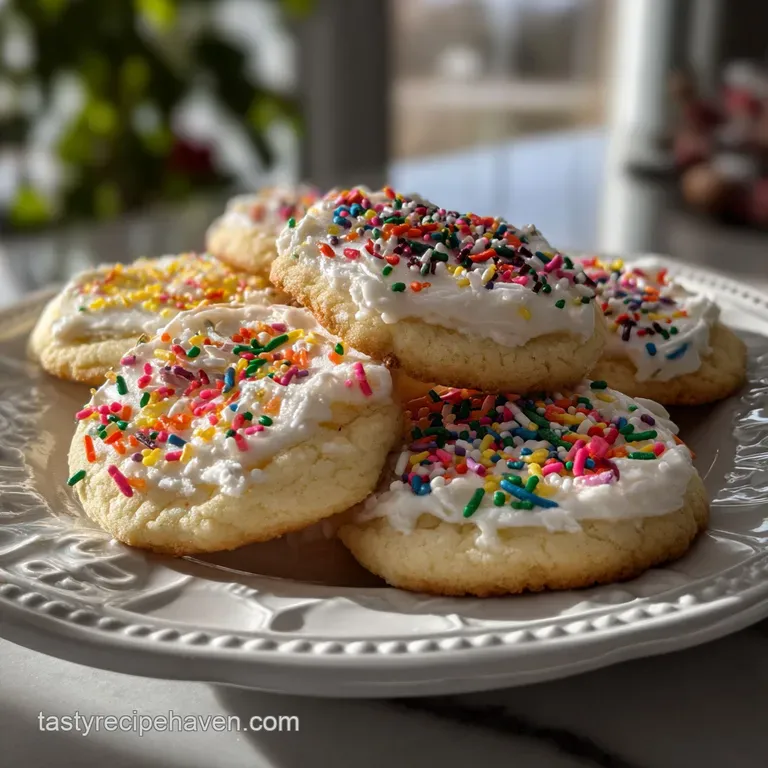
If you're looking for a different texture profile, like the crinkly tops of a Snickerdoodle Cookies Recipe, the technique changes, but for these classic sugar cookies, follow these atomic steps:
- Whisk dry ingredients. Combine King Arthur Flour, cornstarch, baking powder, and salt in a bowl until the mixture looks uniform and aerated.
- Cream the butter and sugar. Beat Land O'Lakes Butter and granulated sugar for 3 minutes until the texture is fluffy and the color pales to a light ivory.Note: This creates the air pockets needed for a light crumb.
- Incorporate aromatics and liquids. Add the vanilla and milk, mixing on low until the liquid is fully emulsified and no streaks remain.
- Integrate the flour blend. Gradually add the dry ingredients until a cohesive dough forms and it pulls away cleanly from the sides of the bowl.
- Chill the dough. Wrap the dough in plastic and refrigerate for 1 hour until the dough feels firm to the touch and the butter has re-solidified.
- Preheat and prepare. Set your oven to 350°F (175°C) and line your Nordic Ware sheets with Silpat mats.
- Roll and cut. Roll the dough to 1/4 inch thickness and use a cutter until you have 24 uniform shapes, leaving 2 inches of space between each.
- Bake the cookies. Slide into the oven for 10 minutes until the edges are set and just barely golden, while the centers remain matte and pale.
- Cool on the sheet. Let the cookies rest on the hot pan for 5 minutes until they are firm enough to move without bending.
- Transfer to a wire rack. Cool completely until the cookies reach room temperature and the "snap" develops.
Why Your Cookies Spread: Root Causes Analyzed
Why Your Sugar Cookies Are Flat
When making a sugar cookie recipe without eggs, the most common disaster is the "puddle." This happens because the butter reached its melting point before the starch structure could set.
| Problem | Root Cause | The Fix | Pro Protocol |
|---|---|---|---|
| Excessive Spreading | Butter was too warm | Chill dough for 60 mins | Use a metal bowl for mixing to keep friction heat low. |
| Gritty Texture | Sugar didn't dissolve | Cream for full 3 mins | Use extra fine granulated sugar for faster dissolution. |
| Tough/Hard Bite | Overworked gluten | Mix flour only until combined | "Pulse" the mixer at the end to avoid developing protein strands. |
Why Your Eggless Dough is Crumbly
If your recipe without eggs feels like wet sand, you likely have a hydration issue. Without the fat and water from an egg, the flour hasn't been "quenched" enough to bond. The Science: Starch needs a specific water-to-lipid ratio to form a dough.
If the milk was cold and the butter was slightly too firm, they won't emulsify. Ensure your milk is room temperature to allow the fats to accept the moisture. If it’s still crumbling, add milk 1 teaspoon at a time just enough to make it hold a fingerprint.
Flavor Architecture and Dietary Modification Strategies
While this sugar cookie recipe without eggs is a classic, you can easily pivot based on what's in your pantry or your specific dietary needs. Similar to how you'd swap components in a Peanut Butter Cookies recipe, balance is key.
| Original Ingredient | Substitute | Why It Works |
|---|---|---|
| Unsalted Butter (225g) | Refined Coconut Oil (180g) | Solid at room temp; adds a subtle tropical note. Note: Use 20% less as it's 100% fat. |
| Whole Milk (45ml) | Heavy Cream (45ml) | Increases the fat content for a "fudgy" cookie texture. |
| Vanilla Extract (10ml) | Almond Extract (5ml) | Provides a potent, cherry like aroma common in Italian bakeries. |
Flavor Twists
- Citrus Zest: Add the zest of one lemon to the sugar before creaming. The sugar crystals will bruise the zest, releasing essential oils for a "shining" flavor.
- Chai Spice: Whisk in 1 tsp cinnamon, 1/2 tsp ginger, and 1/4 tsp cardamom to the dry ingredients for a warming, autumnal sugar cookies no eggs variation.
Scaling Laws and Thermal Mass Logistics
When doubling this sugar cookie recipe without eggs for a large party, you can't just multiply everything by two and hope for the best. Chemistry isn't linear.
- The 1.5x Rule for Salt: If doubling the batch, use 1.5g of salt instead of 2g. Salt intensity compounds in larger volumes.
- Leavening Precision: Scale the baking powder exactly. Too much in a double batch will cause the cookies to rise and then collapse, creating a "crater" center.
- Pan Crowding Warning: Do not try to fit 24 cookies on one sheet just because you doubled the dough. Overcrowding creates steam, which will turn your easy eggless sugar cookies soggy instead of crisp.
- Thermal Mass Warning: A double batch of dough (nearly 900g) will take significantly longer to chill. Plan for 90 minutes in the fridge instead of 60 to ensure the core temperature drops to 40°F.
Common Myths about Baking Without Eggs
Myth: Eggless cookies are always hard and dry. Truth: Dryness is caused by over baking or lack of fat. By using 225g of high-quality butter and 45ml of whole milk, we provide enough lipids to ensure a moist, tender crumb that lasts for days.
Myth: You must use "flax eggs" or applesauce to replace eggs in sugar cookies. Truth: For a crisp, cut-out sugar cookie recipe without eggs, liquid heavy substitutes like applesauce add too much moisture, destroying the "snap." Cornstarch and milk are superior for maintaining the classic texture.
Preservation Methods and Texture Recovery Guidelines
Storage: These cookies are remarkably shelf stable. Store them in an airtight container at room temperature for up to 7 days. The high fat content from the butter acts as a natural preservative, keeping the "velvety" texture intact.
- Freezing
- Dough
- You can freeze the raw dough discs for up to 3 months. Thaw in the fridge overnight before rolling.
- Baked
- Freeze baked, unglazed cookies in a single layer before bagging. They stay fresh for 2 months.
Reheating: If a cookie has gone slightly stale, place it in the microwave for 8 seconds. The microwave energy oscillates the water molecules in the sugar, briefly softening the structure to a "just baked" state.
💡 ZERO WASTE PHILOSOPHY: Don't discard the dough scraps after cutting your shapes. Transform: Knead them gently together, chill for 10 minutes, and re-roll.
Science: Chilling prevents the gluten you developed during the second kneading from making the final few cookies tough. If you have leftover glaze, it stores perfectly in the fridge for a week; use it to sweeten your morning coffee or drizzle over oatmeal.
This sugar cookie recipe without eggs proves that with a little understanding of starch and fat, you don't need a chicken to help you win at the bake sale. Trust the process, watch your oven for that pale gold edge, and enjoy the most buttery "shatter" you've ever experienced. Ready to start?
Let’s get that butter softening.
Recipe FAQs
Can I substitute shortening for butter in this eggless recipe?
Use butter for optimal flavor and texture. Shortening yields a tender, flatter cookie, lacking the snap this recipe is engineered for. Butter provides necessary milk solids for browning and controlled spread.
Why is the chilling time mandatory and not optional?
Chilling solidifies fats and hydrates starches for texture control. Skipping this step prevents the precise hydration balance that replaces the binding action of eggs, leading to excessive spread.
- Allows gluten relaxation
- Sets fat structure
- Concentrates vanilla aroma
Myth: This recipe requires baking powder for lift instead of eggs.
Myth: High volumes of baking powder compensate for egg loss. Reality: This formula relies on steam expansion from precise water content, not chemical leavening, which prevents the tough structure eggs often cause.
How thick should the dough be rolled before cutting shapes?
Roll dough to exactly 1/4 inch thickness. This slight density ensures the melt-in-your mouth interior finishes with the required snap-to-shatter edge mentioned in the summary. If you enjoyed controlling the fat-to-flour ratio here, see how the same principle applies to achieving crisp edges in our Soft Shell Crab Recipes: Get The Ultimate Crisp Exterior.
What is the best method for achieving a "snap-to-shatter" edge?
Bake until edges show pale gold color but centers remain soft. Overbaking removes residual moisture critical for the crisp break. This reliance on sensory cues is similar to judging doneness when searing meat; if you are interested in mastering fast cooking precision, review our Steak Hibachi Recipe: Searing Sear in 30 Mins.
Can I use alternative flours like almond or oat flour?
No, use only standard all-purpose flour. Alternative flours lack the specific protein structure needed to interact with the high hydration levels substituting the egg, resulting in crumbling dough.
Myth: Eggless dough requires significantly longer mixing times.
Myth: Extended mixing develops structure to compensate for missing egg proteins. Reality: Over mixing develops gluten, making the final cookie tough; mixing should stop immediately after dry ingredients incorporate.
Eggless Sugar Cookie Recipe