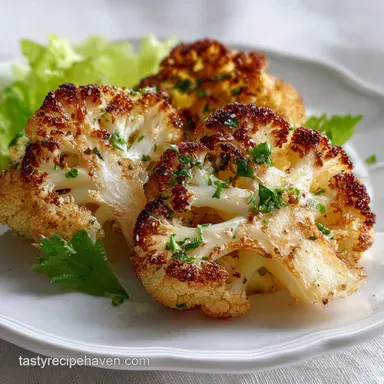
Roasted Frozen Cauliflower: Shatter Crisp Edges
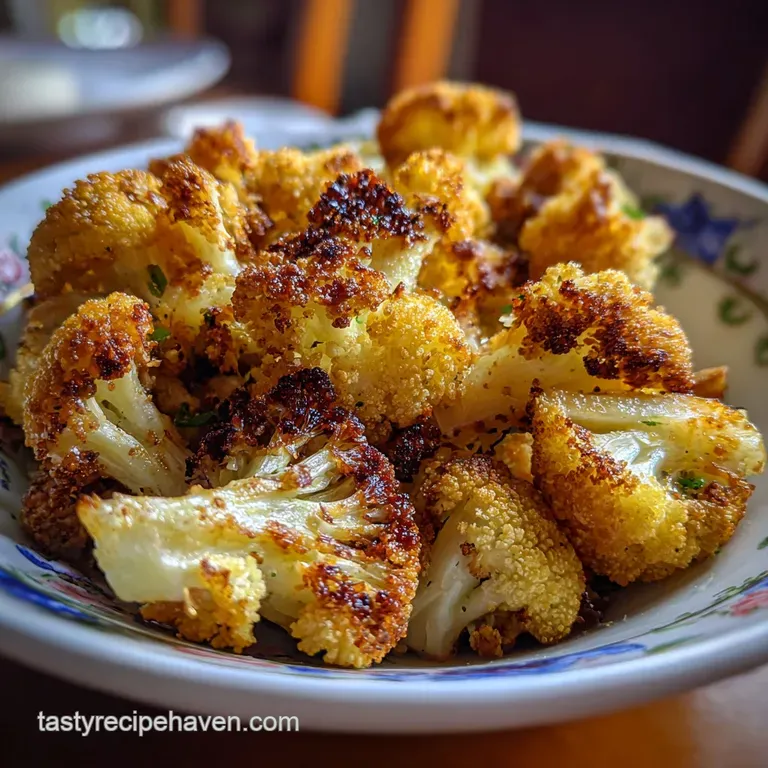
- Time: Active 5 minutes, Passive 30 minutes, Total 35 minutes
- Flavor/Texture Hook: Shatter crisp edges with a buttery, smoky finish
- Perfect for: Budget-friendly weeknight dinners or healthy meal prep
- Golden Texture with Roasted Frozen Cauliflower
- Essential Numbers for Crispy Success
- Budget Friendly Elements for Flavor
- The Right Tools for Roasting
- Simple Moves for Perfect Texture
- Fixing Common Roasting Mistakes Fast
- Creative Flavour Swaps and Tweaks
- Smart Storage and Reheating Ideas
- Best Dishes to Serve Alongside
- Recipe FAQs
- 📝 Recipe Card
Golden Texture with Roasted Frozen Cauliflower
The sharp hiss of ice meeting hot oil is a sound I’ve come to love. It’s that moment when a tray of frozen florets slides into a screaming hot oven, and you just know the result won’t be the watery mess we all fear.
Last Tuesday, I was staring at a bag of 1 lb frozen cauliflower florets, feeling like a kitchen failure because I hadn’t prepped fresh veggies. I threw them on a tray, cranked the heat, and honest to goodness, they came out better than the fresh stuff.
The aroma of toasted garlic and smoked paprika filled my tiny kitchen, and that first bite had that incredible shatter crisp edge. It’s a total manageable solution for those nights when the pantry is looking bare.
We’ve all been there, hovering by the freezer door, wondering if we can actually turn a block of ice into a side dish people actually want to eat. Trust me, we can.
This recipe is built on the reality of a busy life. We don't always have time for farmers' market runs, but we always have a bag of veg in the back of the freezer. By skipping the thaw and going straight for the heat, we bypass the mushy stage entirely.
You’re going to get a velvety interior and a deeply savory crust that makes you forget this started as a frozen lump.
The Physics of Sublimation
Over High heat Evaporation: Roasting at 220°C (425°F) forces the ice crystals to turn directly into steam and escape before they can soak the cauliflower cells.
This prevents the vegetable from sitting in its own moisture and ensures a firm, charred finish rather than a soggy one.
| Method | Time | Texture | Best For |
|---|---|---|---|
| Oven Roast | 30 minutes | Deeply caramelized, even char | Feeding a family or meal prep |
| Stovetop Sear | 15 minutes | Spotty char, softer interior | Single servings or quick lunches |
| Air Fryer | 18 minutes | Maximum crunch, very fast | Small batches and extreme crisp |
Roasting in the oven is my go to because it allows for even heat distribution across the entire 1 lb frozen cauliflower batch. While the stovetop is faster, it often leaves the florets unevenly cooked. The oven creates a consistent environment where the fats can bubble and brown the vegetable skins perfectly.
Essential Numbers for Crispy Success
Getting the texture right requires a few specific benchmarks. If the oven is too cold, the cauliflower steams; if it’s too hot without enough oil, the spices burn before the center is tender. These precision checkpoints ensure you get that crave worthy result every single time.
| Component | Science Role | Pro Secret |
|---|---|---|
| Extra Virgin Olive Oil | Heat Conductor | Toss the florets while frozen to create a thin, even fat barrier. |
| Smoked Paprika | Flavor Depth | Adds a "grilled" aroma that masks the frozen vegetable scent. |
| Parmesan Cheese | Maillard Reaction | The proteins in the cheese brown quickly, adding a salty crunch. |
I always reach for a heavy, dark baking sheet for this. Darker pans absorb more heat, which translates to better browning on the bottom of your florets. It’s a simple pantry based trick that makes a massive difference in the final "crunch" factor.
Budget Friendly Elements for Flavor
This shopping list is designed to be affordable and accessible. Most of these spices are likely already in your cabinet, making this a fantastic last minute side dish.
- 1 lb frozen cauliflower florets: The star of the show. Buy the large bags to save even more.
- 2 tbsp extra virgin olive oil: Why this? Essential for conducting heat and preventing the spices from drying out. (Substitute: Avocado oil for a higher smoke point).
- 1 tsp garlic powder: Provides even coverage that fresh garlic can't match at high heat. (Substitute: Granulated garlic).
- 1/2 tsp onion powder: Adds a subtle sweetness and savory "umami" base. (Substitute: Shallot powder).
- 1/2 tsp smoked paprika: Why this? Gives the dish a rich, amber color and a hint of woodsmoke flavor. (Substitute: Sweet paprika or a pinch of chipotle).
- 3/4 tsp sea salt: Enhances the natural flavors of the brassica. (Substitute: Kosher salt).
- 1/2 tsp cracked black pepper: Provides a mild, biting heat. (Substitute: White pepper for a milder kick).
- 1/4 cup finely grated parmesan cheese: The key to a savory, lacy crust. (Substitute: Nutritional yeast for a vegan option).
- 1 tbsp fresh parsley, chopped: Why this? Adds a pop of color and a fresh, herbaceous finish. (Substitute: Dried parsley, used sparingly).
- 1 tsp lemon juice: The acidity cuts through the fat and brightens the whole tray. (Substitute: Apple cider vinegar).
If you find yourself with extra frozen produce, you can apply these same seasoning principles to other vegetables. This Frozen Veggies in recipe guide shows how to handle mixed bags with the same over high heat logic.
The Right Tools for Roasting
You don't need fancy gadgets, but the right tray makes or breaks the roast. A rimmed baking sheet (half sheet size) is perfect for 1 lb of cauliflower. If you crowd them, they will steam.
Chef's Tip: Place your empty baking sheet in the oven while it preheats. When you toss the frozen florets onto the hot metal, they start searing instantly, which is the ultimate secret to avoiding mushiness.
Make sure your bowl for tossing is large enough. You want to vigorously coat the florets so the 2 tbsp extra virgin olive oil reaches every nook and cranny. I often use a large stainless steel bowl to get that satisfying "clink" as I toss.
Simple Moves for Perfect Texture
- Preheat the oven. Set it to 220°C (425°F) and place your baking sheet inside to get hot.
- Prep the seasoning. In a small bowl, whisk together the 1 tsp garlic powder, 1/2 tsp onion powder, 1/2 tsp smoked paprika, 3/4 tsp sea salt, and 1/2 tsp cracked black pepper. Note: Mixing beforehand prevents spice clumps on the cold veggies.
- Toss the cauliflower. Place the 1 lb frozen cauliflower florets into a large bowl and drizzle with 2 tbsp extra virgin olive oil.
- Apply the spices. Sprinkle the spice mix over the cauliflower and toss aggressively until every floret is coated in a vibrant orange hue.
- Arrange the tray. Carefully remove the hot sheet from the oven and spread the cauliflower in a single layer. Listen for the sizzle as they hit the pan.
- First roast phase. Bake for 20 minutes without touching them. Note: This allows the bottom to develop a solid crust.
- Flip and cheese. Toss the florets and sprinkle with 1/4 cup finely grated parmesan cheese.
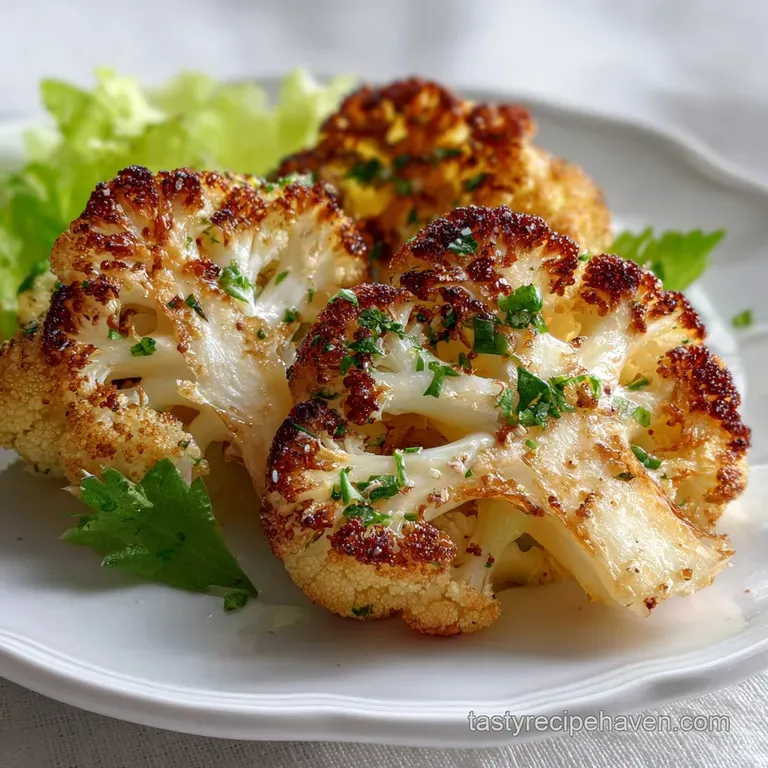
- Final golden roast. Bake for another 10 minutes until the edges are charred and the cheese is golden brown.
- The finishing touch. Remove from the oven and immediately drizzle with 1 tsp lemon juice.
- Garnish and serve. Toss with 1 tbsp fresh parsley and serve while the edges are still shatter crisp.
If you're looking for a more complete dinner solution, this technique fits perfectly into a larger Meal Prep Recipe where you can roast your protein and veggies simultaneously.
Fixing Common Roasting Mistakes Fast
Even with a simple dish, things can go sideways. The most common issue is moisture. If your oven isn't hot enough, the cauliflower will release water slowly, essentially boiling itself in a puddle.
To Fix Watery Results Fast
If you open the oven and see a pool of water on the tray, don't panic. Increase the heat by 10 degrees and move the rack to the lowest position. This puts the tray closer to the heating element, forcing that liquid to evaporate.
| Problem | Root Cause | Solution |
|---|---|---|
| Soggy Florets | Oven temp too low | Increase to 220°C and ensure the pan was preheated. |
| Burnt Spices | Not enough oil | Ensure all florets are glossy with oil before adding spices. |
| Uneven Browning | Crowded baking sheet | Use two pans or a larger sheet to give florets space. |
Common Mistakes Checklist
- ✓ Never thaw the cauliflower before roasting; it ruins the cell structure.
- ✓ Use a dark colored baking sheet for superior heat absorption and browning.
- ✓ Don't skip the lemon juice at the end; it "wakes up" the frozen flavors.
- ✓ Ensure your spices are fresh; old paprika loses its vibrant color and smokiness.
- ✓ Give the florets space; at least 2cm between each piece for airflow.
Creative Flavour Swaps and Tweaks
Once you've mastered the basic Roasted Frozen Cauliflower method, the variations are endless. You can lean into different global flavor profiles using the same roasting timing.
- Spicy Buffalo Style: Swap the paprika and parmesan for a drizzle of hot sauce and a dusting of ranch seasoning.
- Curry Crunch: Use 1 tsp of yellow curry powder and a pinch of turmeric instead of the Italian leaning spices.
- The "Everything" Roast: Use everything bagel seasoning for a salty, seedy crust that children actually love.
Decision Shortcut
- If you want maximum crunch, use the Air Fryer method at 200°C for 18 minutes.
- If you want deep caramelization, stick to the Oven Roast at 220°C for 30 minutes.
- If you want a low calorie snack, skip the parmesan and use nutritional yeast.
Air Fryer Frozen Cauliflower
To adapt this for the air fryer, reduce the oil to 1 tbsp and cook at 200°C. Shake the basket every 5 minutes to ensure the circulating air hits all sides. It usually takes about 15-18 minutes to reach the same level of browning as the oven.
Smart Storage and Reheating Ideas
Storing leftovers is easy, but maintaining that "shatter" texture requires a bit of care. In the fridge, the cauliflower will naturally soften as it absorbs moisture from the air. It will stay safe to eat for up to 4 days in an airtight container.
For zero waste cooking, don't toss the tiny crumbs at the bottom of the bag. Those small bits get extra crispy and act like savory "sprinkles" over a salad or a bowl of grain. If you have leftover roasted florets, they are incredible when blended into a soup to add a smoky, charred depth.
To reheat and regain the crispiness, avoid the microwave at all costs. It will turn your beautiful roast into a rubbery mess. Instead, pop them back into a hot oven or air fryer for 5 minutes. This flashes off any surface moisture and revives the parmesan crust.
Best Dishes to Serve Alongside
This versatile side dish plays well with almost any protein. Because it has those smoky, savory notes, it balances out richer meats or bright, citrusy fish perfectly.
I love serving this with a simple roast chicken or even as a base for a vegetarian grain bowl. The parmesan crust makes it feel substantial enough to be the star of a light lunch. If you're looking for more inspiration, consider how these textures might complement something like air fried Mushrooms recipe for a full "steakhouse" side spread without the steakhouse price tag.
Another great pairing is a crispy protein like Baked Cream Cheese recipe taquitos. The soft, creamy filling of the taquitos contrasts beautifully with the charred, firm bite of the cauliflower. It’s a meal that feels intentional and balanced, even if it all came from the freezer and the pantry. Honestly, it’s these little wins that make weeknight cooking feel manageable and actually fun again. Enjoy that crunch!
Recipe FAQs
Can I roast cauliflower from frozen?
Yes, absolutely, and it’s better this way. Roasting directly from frozen forces the ice crystals to rapidly turn to steam, preventing the dreaded soggy texture that happens if you thaw them first.
Do you have to defrost cauliflower before cooking when roasting?
No, never thaw the cauliflower. Thawing releases excess water, causing the florets to become waterlogged and mushy when they hit the high heat of the oven.
What are some common mistakes when roasting cauliflower from frozen?
The most common mistake is using an oven temperature that is too low. If the oven is below 200°C (400°F), the cauliflower will steam in its own moisture instead of charring and crisping up properly.
Can you put frozen vegetables in the oven to roast?
Yes, this is highly recommended for vegetables like cauliflower and broccoli. The key technique is to use very high heat (220°C/425°F) and ensure the vegetables are not touching on the pan to maximize surface area exposure to the dry heat.
What temperature should I roast frozen cauliflower at?
Roast at 220°C (425°F). This high temperature is crucial because it causes instant sublimation of the surface ice, creating a flavorful crust before the interior has a chance to overcook and soften.
Is it true I must toss the frozen florets in oil before seasoning?
No, this is a common misconception, but tossing first is best practice. Coating the frozen cauliflower with oil first creates an insulating barrier that holds seasonings in place and prevents them from burning instantly when they hit the hot pan.
How do I prevent the seasoning from burning during the long roast time?
Add delicate spices like paprika or dried herbs in the last 10 minutes. Incorporate your primary salt, pepper, and garlic powder initially, but wait until you flip the florets to sprinkle on the cheese or finer powders, similar to the technique used for flavor layering in our Creamy Vegetable Soup recipe.
Roasted Frozen Cauliflower