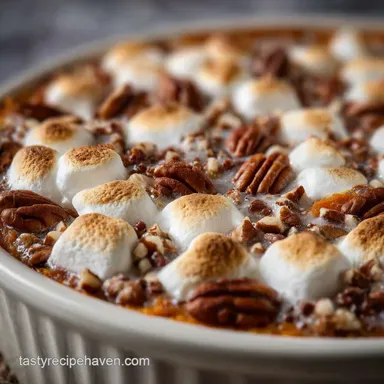
Sweet Potato Casserole with Marshmallows
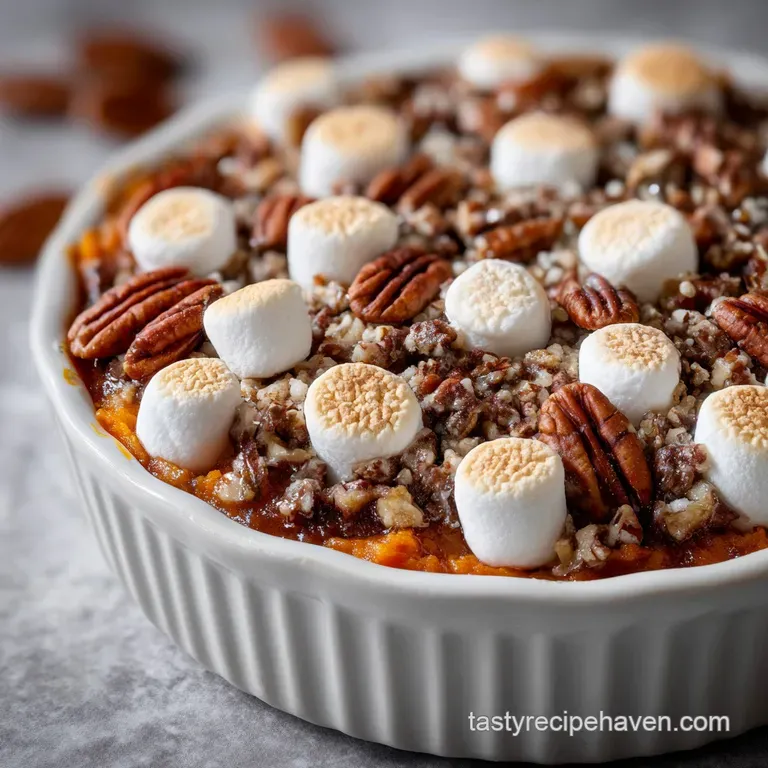
- Time: Active 15 minutes, Passive 35 minutes, Total 50 minutes
- Flavor/Texture Hook: A velvety, cinnamon spiced base topped with a buttery corn flake shatter and toasted marshmallows.
- Perfect for: Thanksgiving feasts, cozy Sunday roasts, or any gathering where comfort food is the priority.
- Achieving Success with Sweet Potato Casserole
- Important Specs for Planning Ahead
- Deep Dive into Flavor Components
- Necessary Tools for Success
- From Prep to the Plate
- Avoiding Potential Kitchen Disasters
- Flavor Variations Worth Trying
- Scaling Your Casserole
- Secrets for Long-Term Preservation
- Best Ways to Serve It
- Sweet Potato Casserole FAQs
- 📝 Recipe Card
Achieving Success with Sweet Potato Casserole
The first time I really understood the power of a Sweet Potato Casserole, it wasn't at a fancy restaurant or through a gourmet magazine. It was in my grandmother's cramped, sweltering kitchen, where the air was so thick with the scent of roasted cinnamon and toasted pecans that you could almost taste it.
I remember the sound that specific, muffled puffing noise as the marshmallows expanded under the broiler, turning a patchy golden brown just before they reached the point of no return.
When you pull this dish out of the oven, the aroma hits you like a warm hug: earthy, caramelized, and deeply nostalgic. It’s the contrast that makes it. You’ve got this silky, buttery interior that feels like a cloud, and then you hit the top a layer of pecans and corn flakes that provide a necessary, sharp crunch to break up all that richness.
It is a texture lover's dream, and honestly, it’s usually the first thing to disappear from the table, even before the turkey.
We’ve all seen the versions that are just a pile of canned yams swimming in syrup, but we’re doing things differently here. We’re building layers of flavor from the ground up, using fresh tubers and a hit of ginger to cut through the sweetness.
This isn't just a side dish; it’s the supporting actor that steals the whole show. Get ready, because once you bring this to a potluck, you’re officially the "casserole person" for life.
The Physics of the FluffStarch Gelatinization: Boiling the potatoes allows starch granules to absorb moisture and burst, creating the foundation for a velvety, spreadable mash.
Protein Aeration: Whisking room temperature eggs into the warm mash creates a stable structure that lifts the potatoes, preventing them from turning into a dense, soggy brick.
| Servings | Ingredient Adjustments | Pan Size | Cook Time |
|---|---|---|---|
| 6 people | 0.68 kg potatoes, 1 egg | 20x20 cm square | 30 minutes |
| 12 people | 1.36 kg potatoes, 2 eggs | 23x33 cm rectangular | 35 minutes |
| 24 people | 2.72 kg potatoes, 4 eggs | Two 23x33 cm pans | 40 minutes |
Important Specs for Planning Ahead
Planning your oven real estate is the trickiest part of a big meal. This dish is forgiving, but it demands that 35 minutes of bake time to let the eggs set properly and the marshmallows to achieve that perfect toasted campfire look.
If you're juggling multiple dishes, remember that this can sit on the counter for about 20 minutes while you finish the gravy the residual heat inside that ceramic dish keeps it piping hot.
Chef's Tip: Freeze your 3 tablespoons of topping butter for 10 minutes, then grate it directly into the corn flake and pecan mixture. This creates tiny "fat pockets" that lead to a much more uneven, craggy, and interesting crunch than just stirring in melted butter.
When you’re looking at your timeline, the peeling and cubing of 1.36 kg (3 lbs) of sweet potatoes usually takes me about 10 minutes. If you want to save your sanity, do this the night before. Throw them in a bowl of cold water in the fridge so they don't oxidize.
It makes the actual assembly feel like a breeze. This is a classic potato casserole marshmallows lovers dream of because it hits every nostalgia button without being cloyingly sweet.
| Feature | Fast Version (Canned) | Classic Version (Fresh) |
|---|---|---|
| Texture | Softer, almost jam like | Fluffy, souffle like with bite |
| Prep Time | 5 minutes | 15 minutes |
| Flavor Depth | Sweet but one note | Earthy, complex, and vibrant |
Deep Dive into Flavor Components
The soul of this dish lies in the balance between the spice and the sugar. While the sweet potato casserole marshmallows provide that iconic visual, the real magic happens in the mash.
I always use light brown sugar because the molasses content is just enough to add a caramel note without overpowering the natural earthiness of the potatoes.
| Ingredient | Science Role | Pro Secret |
|---|---|---|
| Sweet Potatoes (1.36 kg) | Bulk and Starch | Choose garnet or jewel varieties for the highest sugar content and smoothest mash. |
| Large Eggs (2) | Structural Binder | Ensure they are room temperature so they emulsify smoothly into the warm mash. |
| Pecans (125 g) | Fat and Texture | Toast them in a dry pan for 3 minutes before chopping to unlock essential oils. |
| Corn Flakes (30 g) | Moisture Barrier | The jagged edges prevent the marshmallow moisture from turning the topping into a paste. |
The Base Layer
- 1.36 kg sweet potatoes: Peeled and cubed.Why this? Fresh potatoes provide a much better structure than the canned variety.
- 115 g unsalted butter: Melted.Why this? Fat carries the flavor of the cinnamon and ginger throughout.
- 100 g light brown sugar: Packed.Why this? Adds a hint of molasses for depth.
- 60 ml whole milk:Why this? Hydrates the starches for a silkier finish.
- 2 large eggs: Room temperature.Why this? Provides lift and prevents the casserole from being runny.
- 1 tsp vanilla extract:Why this? Rounds out the earthy spices.
- 1 tsp ground cinnamon:Why this? The essential "autumn" flavor profile.
- 0.5 tsp ground ginger:Why this? Adds a subtle heat to balance the sugar.
- 0.5 tsp sea salt:Why this? Sharpens all the other flavors.
The Crunch & Puff Topping
- 125 g pecans: Chopped.Why this? Provides an earthy, fatty crunch.
- 30 g corn flakes: Crushed.Why this? Creates a shatter crisp layer that lasts.
- 65 g light brown sugar:Why this? Caramelizes the topping.
- 45 g unsalted butter: Melted.Why this? Binds the crumble together.
- 125 g mini marshmallows:Why this? The classic, gooey finish everyone expects.
Necessary Tools for Success
You don't need a professional kitchen, but a few specific tools make the difference between a chunky mess and a velvety masterpiece. First, a heavy bottomed pot (like a 5 quart Dutch oven) is non negotiable for boiling the potatoes evenly.
If the pot is too thin, the bottom potatoes might overcook before the top ones are tender.
For the mashing, I actually prefer a potato ricer if I'm feeling fancy, but a sturdy hand mixer works wonders for that souffle texture we're after. Just be careful not to overwork the potatoes if you go too long, the starches can become "gluey" or gummy.
A simple 23x33 cm ceramic baking dish is the gold standard here; ceramic holds heat much better than glass, ensuring the center of your Sweet Potato Casserole sets before the edges burn.
Chef's Note: If you don't have a hand mixer, use a large whisk after mashing. The goal is to incorporate a little bit of air into the mix once the eggs are added. This is the same trick I use in my Roasted Sweet Potatoes recipe to get those crispy edges and soft centers.
From Prep to the Plate
- Boil the potatoes. Place 1.36 kg cubed sweet potatoes in a large pot of salted water and boil for 15-20 minutes until fork tender and falling apart. Note: Salted water seasons the potato from the inside out.
- Drain and dry. Drain the potatoes and return them to the hot pot for 1 minute. until the surface moisture evaporates.
- Mash the base. Use a hand mixer or masher to break down the potatoes until no large lumps remain.
- Emulsify the fats. Stream in 115 g melted butter and 60 ml whole milk. until the mixture looks glossy.
- Season the mash. Add 100 g brown sugar, vanilla, cinnamon, ginger, and salt. until the aroma of spices is strong.
- Temper the eggs. Whisk 2 eggs separately, then fold them into the slightly cooled mash until completely incorporated. Note: If the mash is boiling hot, the eggs will scramble, so wait a few minutes.
- Transfer to dish. Spread the mixture into a greased 23x33 cm baking dish. until the surface is level.
- Assemble the crumble. Mix 125 g chopped pecans, 30 g crushed corn flakes, 65 g brown sugar, and 45 g melted butter. until the mixture resembles wet sand.
- First bake. Sprinkle the crumble over the potatoes and bake at 175°C (350°F) for 25-30 minutes until the edges are bubbling.
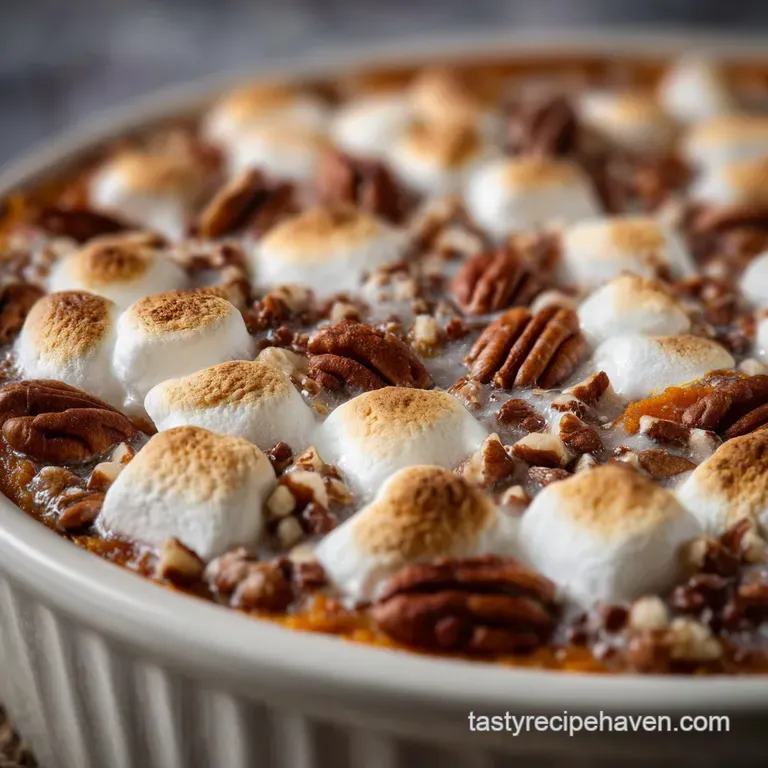
- The marshmallow finish. Top with 125 g mini marshmallows and bake for another 5 minutes until they are puffed and golden brown.
Avoiding Potential Kitchen Disasters
The biggest heartbreak with a Sweet Potato Casserole is the "soupy center." This usually happens when the potatoes haven't been drained well enough or the eggs weren't large enough to bind the liquid. If you find your mash is looking a bit like a smoothie before it goes into the oven, don't panic.
You can stir in a tablespoon of flour or cornstarch to help tighten it up.
Why Your Casserole Is Watery
Excess moisture is the enemy of a good bake. If you boil the potatoes until they are waterlogged, they won't be able to absorb the butter and milk properly.
| Problem | Root Cause | Solution |
|---|---|---|
| Soupy Mash | Potatoes weren't dried after boiling | Return drained potatoes to the hot pot for 60 seconds to steam off water. |
| Burnt Marshmallows | Sugar caught fire under broiler | Watch the oven constantly during the last 5 mins; they turn from brown to black in seconds. |
| Gummy Texture | Over mixing the potatoes | Use a hand masher or a ricer instead of a high speed blender. |
Common Mistakes Checklist
- ✓ Pat the potato cubes dry if you're roasting them instead of boiling.
- ✓ Always use room temperature eggs to ensure a smooth emulsion.
- ✓ Don't crush the corn flakes into a powder; you want visible shards for the "shatter" effect.
- ✓ Let the casserole rest for at least 10 minutes before serving to let the starches set.
- ✓ Use a timer for the marshmallow stage it’s the most volatile part of the recipe.
Flavor Variations Worth Trying
If you're looking to break away from the traditional old fashioned sweet potato casserole marshmallows routine, there are plenty of ways to spice things up. For a savory leaning version, I love adding a tablespoon of chipotle in adobo to the mash.
It creates this "Smoked Heat" twist that pairs incredibly well with the sugary topping.
The Nut Free Alternative
If you need a sweet potato casserole marshmallows no nuts version for allergy reasons, simply swap the pecans for extra corn flakes or even some crushed pretzels. The pretzels add a fantastic salty kick that balances the marshmallows beautifully. You could even look at the crunchy technique used in my Roasted Potatoes and Onions recipe for inspiration on getting that savory sweet balance just right.
Dairy-free Adaptation
You can easily make this dairy-free by swapping the butter for a high-quality vegan butter substitute and using coconut milk instead of whole milk. The coconut milk actually adds a lovely tropical undertone that plays well with the ginger and sweet potatoes.
| Original Ingredient | Substitute | Why It Works |
|---|---|---|
| Whole Milk (60 ml) | Coconut Milk (full fat, 60 ml) | Similar fat content. Note: Adds a subtle nutty flavor great with ginger. |
| Pecans (125 g) | Crushed Pretzels (125 g) | Provides crunch and salt. Note: Best for nut free households. |
Scaling Your Casserole
When you're feeding a crowd, doubling this recipe is straightforward, but there are a few physics rules to keep in mind. If you double the ingredients, don't just double the spices blindly. Start with 1.5x the cinnamon and ginger, then taste. Spices can become overwhelming in large batches.
For a smaller family gathering, halving the recipe works perfectly in an 20x20 cm square pan. Since you can't easily use half an egg, beat one egg in a small bowl and use about 2 tablespoons of it for the half batch. This maintains the structural integrity without making the dish taste like an omelet. If you're looking for other ways to use up extra tubers, my Sweet Potato Pasta recipe is a great 30 minute weeknight save.
Secrets for Long Term Preservation
Storage Guidelines You can keep leftovers in an airtight container in the fridge for up to 4 days. However, be warned: the marshmallows will lose their "puff" and become a bit syrupy over time.
When reheating, I recommend doing it in the oven at 150°C (300°F) rather than the microwave. This helps the corn flake topping regain some of its crunch.
Zero Waste Tips If you have leftover mash that hasn't been topped yet, it makes an incredible base for pancakes the next morning. Just mix a scoop into your favorite batter. If you have leftover marshmallows and pecans, throw them into a bag with some chocolate chips for a quick trail mix.
Never throw away the potato peels either toss them in olive oil and salt and air fry them for 10 minutes for a crispy chef's snack.
Best Ways to Serve It
This dish is a heavy hitter, so it needs space on the plate. It pairs beautifully with salty, savory meats like roasted turkey, honey glazed ham, or even a pepper crusted prime rib. The sweetness of the casserole acts as a foil to the salt in the meat, creating that perfect "everything on one fork" bite.
If you want a specific outcome, try these tweaks:
- For a dessert like feel: Increase the vanilla to 2 teaspoons and add a pinch of nutmeg.
- For a cleaner palate: Increase the ginger to 1 full teaspoon and swap the milk for orange juice.
- For maximum crunch: Double the corn flakes and brown sugar in the topping and skip the marshmallows entirely.
Debunking Kitchen Myths Many people believe that using canned yams is "cheating" and results in the same flavor. The truth is that canned yams are often packed in heavy syrup, which fundamentally changes the pH and texture of the mash, usually resulting in a much gummier, sweeter product that lacks the earthy depth of fresh roasted or boiled sweet potatoes.
Another myth is that you must peel the potatoes before boiling. Actually, boiling them with the skins on can help retain more nutrients and flavor; the skins will slip right off once they are cooked and cooled slightly!
At the end of the day, this Sweet Potato Casserole is about comfort. Whether you're making it for a massive holiday crowd or just a cozy Tuesday night, that smell of toasted sugar and spice is going to make your kitchen feel like home.
Just remember to watch those marshmallows at the end nobody likes a charcoal topping! Happy cooking!
Sweet Potato Casserole FAQs
Can I use canned sweet potatoes instead of fresh?
No, fresh is significantly better. Canned sweet potatoes are often packed in syrup, altering their texture and sweetness, and lack the earthy depth of fresh tubers. They can also lead to a gummier, less fluffy result.
How do I prevent a watery sweet potato mash?
Drain and dry the boiled potatoes thoroughly. After boiling, return the drained potatoes to the hot pot for about a minute to evaporate any surface moisture before mashing.
My marshmallows burned; how can I avoid this?
Watch the oven closely during the last few minutes. Marshmallows go from golden brown to burnt very quickly, often in seconds. Consider reducing the oven temperature slightly or using the broiler for only a minute at a time, if at all.
How do I make a nut-free sweet potato casserole?
Swap the pecans for extra corn flakes or crushed pretzels. This maintains the essential crunch without the nuts. Pretzels add a nice salty contrast to the sweet topping.
Can I make this casserole ahead of time?
Yes, the mash can be prepared up to two days in advance. Store it covered in the refrigerator. Add the topping just before baking to keep it crisp.
What if my sweet potato mash is too thin before baking?
Stir in a tablespoon of flour or cornstarch. This will help to tighten up the mixture and prevent it from being too soupy in the oven, similar to how you'd thicken a sauce.
How can I achieve a lighter, fluffier texture?
Use room temperature eggs and avoid overmixing the mash. Whisking room temperature eggs into the warm potato mixture creates a stable structure that lifts the casserole. Overmixing can lead to a gummy texture.
Sweet Potato Casserole