Tie Fighter Cheese Crackers: Crispy and Sharp
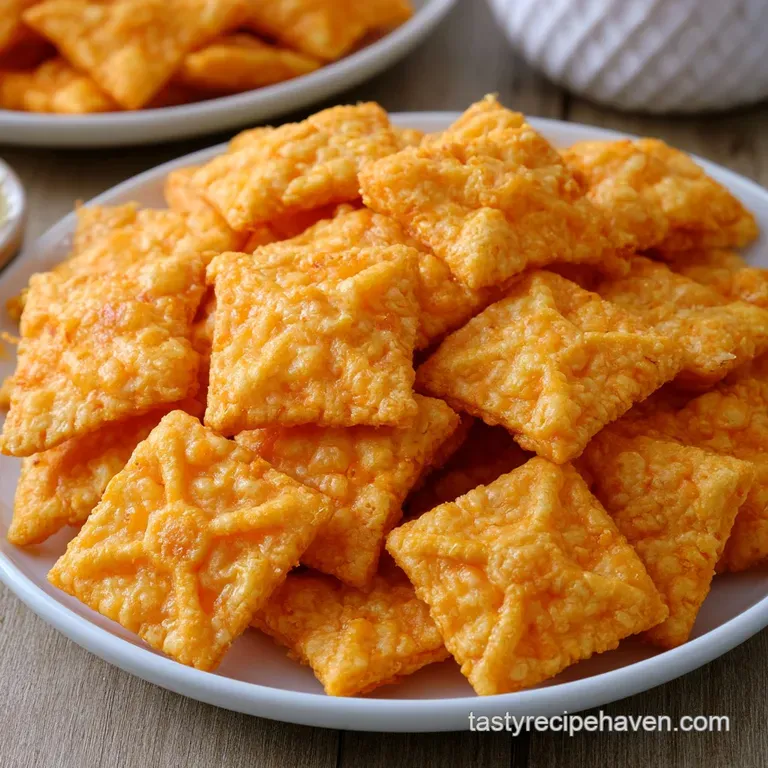
- Time:20 minutes active + 30 minutes chilling = Total 65 minutes
- Flavor/Texture Hook: Shatter crisp with a sharp, salty punch
- Perfect for: Star Wars movie marathons or a quick pantry based snack
- Making the Best Cheese Crackers
- Why These Actually Snap
- Essential Ingredient Breakdown
- Pantry Staples and Swaps
- Necessary Kitchen Tools
- Step by Step Process
- Solving Common Baking Issues
- Troubleshooting Common Issues
- Flavor Twists and Changes
- Adjusting Your Batch Size
- Baking Truths Debunked
- Keeping Your Snacks Fresh
- Serving and Display Ideas
- Recipe FAQs
- 📝 Recipe Card
I remember the first time I tried to make these. I thought, "it's just flour and cheese, how hard can it be?" I skipped the chilling step and used softened butter. The result? My crackers didn't snap, they just sort of... slumped. They were less like crackers and more like salty, rubbery coasters.
It was a total disaster, and I almost gave up on the idea of homemade snacks.
But then I realized the issue was the temperature. Once I started treating the butter like it was a pastry, everything changed. Now, I make these whenever I need something salty and satisfying.
This recipe for Cheese Crackers is the targeted fix for that dreaded "rubbery" texture, ensuring every single bite has that signature shatter.
Making the Best Cheese Crackers
Right then, let's get into the actual process. When you're aiming for a TIE Fighter Cheese Crackers vibe, the shape is fun, but the texture is where the real battle is won. You want a cracker that feels light but tastes like a concentrated block of sharp cheddar.
The secret is all in the "rub." We aren't making a smooth cake batter here. We want tiny pebbles of butter tucked into the flour. When those little bits hit the oven, they create steam, which pushes the dough apart and creates those tiny air pockets. That's how you get a crunch that actually lasts.
Trust me on this, don't try to rush the dough. If you overwork it, you develop too much gluten, and you'll end up back at "rubber coaster" town. Keep it cool, keep it quick, and you'll have a snack that's way better than anything in a red box.
Why These Actually Snap
I spent a lot of time wondering why some batches were crisp and others were chewy. It turns out the "cold factor" is everything.
- Cold Fat Pockets: Keeping butter chilled means it doesn't blend fully into the flour. These pockets melt during baking, creating the shatter effect.
- Gluten Control: By pulsing in a food processor and chilling the dough, we stop the flour from getting too "stretchy," which keeps the texture light.
- Moisture Balance: Using ice cold water binds the dough just enough without adding excess steam that would make the crackers soggy.
- Cheese Distribution: Freshly grated cheese melts into the structure without separating, providing a velvety richness that still holds its shape.
If you're interested in how fats interact with flour in different doughs, checking out [Serious Eats](https://www.seriouseats.com) is a great way to see why temperature matters for everything from pie crusts to crackers.
Depending on how much time you have, you might choose a different approach to your snack prep.
| Feature | Fast Method (No Chill) | Classic Method (This Recipe) |
|---|---|---|
| Texture | More like a cookie/biscuit | Shatter crisp |
| Prep Time | 20 minutes | 65 minutes |
| Reliability | High risk of spreading | Very stable |
| Best For | "I need it now" cravings | Party platters |
Now, let's look at what's actually happening inside the dough to make this work.
Essential Ingredient Breakdown
I've found that the quality of the cheese is the biggest variable here. If you use a mild cheddar, the flavor disappears the moment the heat hits it. Go for the extra sharp stuff.
| Ingredient | Science Role | Pro Secret |
|---|---|---|
| Extra Sharp Cheddar | Primary flavor and structure | Grate it yourself; pre shredded has starch that ruins the snap |
| All Purpose Flour | Provides the structural grid | Chill the flour if your kitchen is over 75°F |
| Unsalted Butter | Creates air pockets (lift) | Freeze for 10 mins before cubing for maximum cold |
| Ice Cold Water | Hydrates the flour proteins | Use a spray bottle for precise control |
When comparing the flour here to something like my [White Bread Recipe](https://tastyrecipehaven.com/recipes/homemade soft-white bread/), you'll notice the difference in how we handle it. In bread, we want gluten for chew; in Cheese Crackers, we want the opposite.
Pantry Staples and Swaps
Here's what you'll need from your pantry. I've kept this manageable so you don't have to run to the store for one weird ingredient.
- 8 oz extra sharp cheddar cheese, freshly grated Why this? Higher flavor concentration survives the oven (Sub: Gruyère for a nuttier taste)
- 1 cup all purpose flour Why this? Standard protein level for a balanced crunch (Sub: 1:1 GF blend, but expect a denser snap)
- 1/2 cup unsalted butter, chilled and cubed Why this? Controls the salt level (Sub: Cold coconut oil for dairy-free)
- 1/2 tsp salt Why this? Enhances the cheddar's natural tang (Sub: Sea salt for larger crystals)
- 3 tbsp ice cold water Why this? Binds without adding too much moisture (Sub: Cold buttermilk for extra tang)
- 1/4 tsp garlic powder Why this? Adds a savory base note (Sub: Onion powder)
Keep in mind that if you swap the butter for coconut oil, you'll get a similar fat content, but the flavor will lean slightly tropical, which might clash with the sharp cheddar.
Necessary Kitchen Tools
You don't need a professional kitchen to pull this off, but a couple of things make it way easier.
- Food Processor: This is the real MVP. It keeps the butter cold by mixing it faster than your hands ever could.
- Rolling Pin: Essential for getting that uniform 1/8 inch thickness.
- Parchment Paper: Do not skip this. Cheese crackers love to stick to pans, and nothing is worse than a "torn" cracker.
- TIE Fighter Shaped Cutter: This gives them that iconic look, but a small square cutter works too.
- Wire Cooling Rack: This stops the bottoms from steaming and getting soft.
Step by step Process
Let's crack on. Follow these steps exactly, especially the temperatures, and you'll be golden.
- Pulse dry ingredients. Put the flour, salt, and garlic powder in the food processor and pulse 3-4 times Note: This ensures the garlic powder isn't clumped.
- Add butter. Drop in the chilled butter cubes and pulse until the mixture looks like coarse crumbs or wet sand.
- Incorporate cheese. Add the grated cheddar and pulse just until the cheese is mixed in. Stop immediately when combined to avoid melting the butter.
- Bind with water. Drizzle in the ice cold water one tablespoon at a time while pulsing. Stop as soon as the dough clumps into a ball.
- Chill the dough. Turn it onto a floured surface, press into a disk, wrap in plastic, and refrigerate for 30 minutes.
- Roll it out. Preheat your oven to 350°F (175°C). Roll the dough to 1/8 inch thickness.
- Cut the shapes. Use your cutter to stamp out the Fighter Cheese Crackers and place them on your parchment lined sheet.
- Bake. Cook for 12-15 minutes until the edges are deep golden brown and smell toasted.
- Cool. Let them sit on the pan for 5 minutes, then move to a wire rack.
Chef's Tip: To get the edges truly sharp, dip your cutter in flour between each press. This prevents the dough from sticking to the metal and pulling the shape.
Solving Common Baking Issues

Even for the pros, things can go sideways. Usually, it comes down to temperature or timing.
Troubleshooting Common Issues
| Issue | Solution |
|---|---|
| Why Your Crackers Are Soft | If they feel like cookies, you likely over mixed the dough or didn't chill it long enough. The butter melted before it hit the oven, which destroyed the air pockets. |
| Why Your Crackers Burnt | Cheese has a high fat and protein content, meaning it can go from "golden" to "charred" in about 60 seconds. Keep a close eye on them during the last 3 minutes. |
| Why Your Dough Is Sticky | This usually happens if the kitchen is too warm or you added too much water. If it's sticking to your fingers, throw it back in the fridge for 10 minutes. |
Common Mistakes Checklist:
- ✓ Grated cheese by hand (not pre shredded)
- ✓ Butter was cubed and ice cold
- ✓ Dough chilled for the full 30 minutes
- ✓ Rolled to exactly 1/8 inch
- ✓ Oven preheated to 175°C
Flavor Twists and Changes
Once you've got the base Cheese Crackers down, you can start experimenting. I love adding a bit of heat to contrast the richness of the cheddar.
If you want a spicy kick, stir in 1/2 tsp of cayenne pepper or smoked paprika during the first pulse. For an umami bomb, replace 2 oz of the cheddar with freshly grated Parmesan. The Parmesan adds a saltier, more crystalline crunch.
For those avoiding gluten, you can use an almond flour blend. Just be aware that almond flour is moisture rich, so your crackers will be denser and less "shattery" than the AP flour version. If you're looking for other crispy snacks, these pair great with Sourdough Pretzel Bites.
Adjusting Your Batch Size
Sometimes you need a handful of snacks, and sometimes you're feeding a whole squad.
Scaling Down (Half Batch): Use 4 oz cheese and 1/2 cup flour. Use a smaller pan and check for doneness 2 minutes earlier. For the butter, 1/4 cup is plenty.
Scaling Up (Double Batch): When doubling Cheese Crackers, don't double the salt and garlic powder fully - go to 1.5x first and taste the dough. Liquids should also be reduced by about 10% because the larger mass of dough holds moisture better.
Work in batches so your dough doesn't warm up while you're cutting the second half.
Decision Shortcut:
- If you want more flavor → Use a 2 year aged cheddar.
- If you want more crunch → Roll the dough slightly thinner (1/16 inch).
- If you're in a rush → Use a food processor to skip hand mixing.
Baking Truths Debunked
There are a few things people say about homemade crackers that just aren't true.
Myth: Pre shredded cheese is fine. Truth: Pre shredded cheese is coated in potato starch or cellulose to stop it from clumping in the bag. This starch interferes with the dough's binding, often leading to a greasy, less crisp cracker.
Myth: You need a professional oven for a gold finish. Truth: Any home oven at 175°C will work. The trick is using parchment paper to ensure the bottom doesn't scorch before the top is ready.
Keeping Your Snacks Fresh
Since these don't have the preservatives of store-bought brands, they can go stale if left out.
Storage: Keep them in an airtight container at room temperature for up to 7 days. If you live in a very humid area, you can store them in the fridge, but you'll lose some of that shatter.
Freezing: You can actually freeze the unbaked dough disks! Wrap them tightly in plastic and freeze for up to 2 months. When you're ready, just thaw in the fridge overnight and roll them out.
Zero Waste: Don't throw away the dough scraps! Gather them up, re roll them, and cut more crackers. I usually do this 2 or 3 times until the dough becomes too warm, at which point I pop it back in the fridge for a quick reset.
Serving and Display Ideas
If you're putting together a Star Wars cheese board, these Fighter Cheese Crackers are the star of the show. I like to arrange them around a bowl of creamy dip or some grapes to balance the salt.
To really lean into the theme, pair them with some cubed pepper jack and a few slices of salami. The contrast between the sharp cheddar crackers and a spicy cheese makes for a great variety of flavors.
Precision Checkpoints for Success:
- Dough Temp: Should feel cold to the touch (approx 4°C) before rolling.
- Thickness: Exactly 3mm (1/8 inch) for the best snap.
- Bake Time: Pull them at 13 minutes if the edges are deep gold.
Recipe FAQs
Why are my cheese crackers soft instead of crunchy?
You likely overmixed the dough or skipped the chilling step. If the butter melts before baking, you lose the air pockets necessary for a crisp snap.
How do I prevent the edges of the crackers from burning?
Monitor the oven closely during the final 3 minutes of baking. Because of the high fat and protein in the cheddar, they can go from golden to charred very quickly.
What should I do if the dough is too sticky to roll?
Chill the dough longer or lightly flour your work surface. Stickiness usually happens if your kitchen is too warm or if too much ice-cold water was added.
What is the best dip to serve with these cheese crackers?
A warm, spicy cheese dip is the best pairing. For a quick and flavorful option, try this nacho cheese sauce.
How to roll the dough to the correct thickness?
Use a rolling pin to flatten the chilled disk to 1/8 inch. Keep the surface lightly floured to prevent the dough from sticking while you stamp out your shapes.
Is it true that pre-shredded cheese works just as well as freshly grated?
No, this is a common misconception. Freshly grated extra sharp cheddar melts more evenly and provides a superior texture compared to pre-shredded versions.
How to store these crackers to keep them crisp?
Store them in an airtight container at room temperature. Ensure they are completely cooled on a wire rack first to prevent condensation from softening the crackers.
Tie Fighter Cheese Crackers