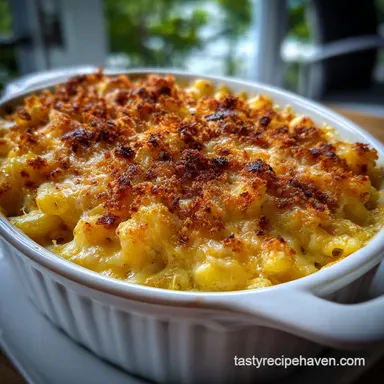
Mac and Cheese: Proper Baked Cheddar Comfort
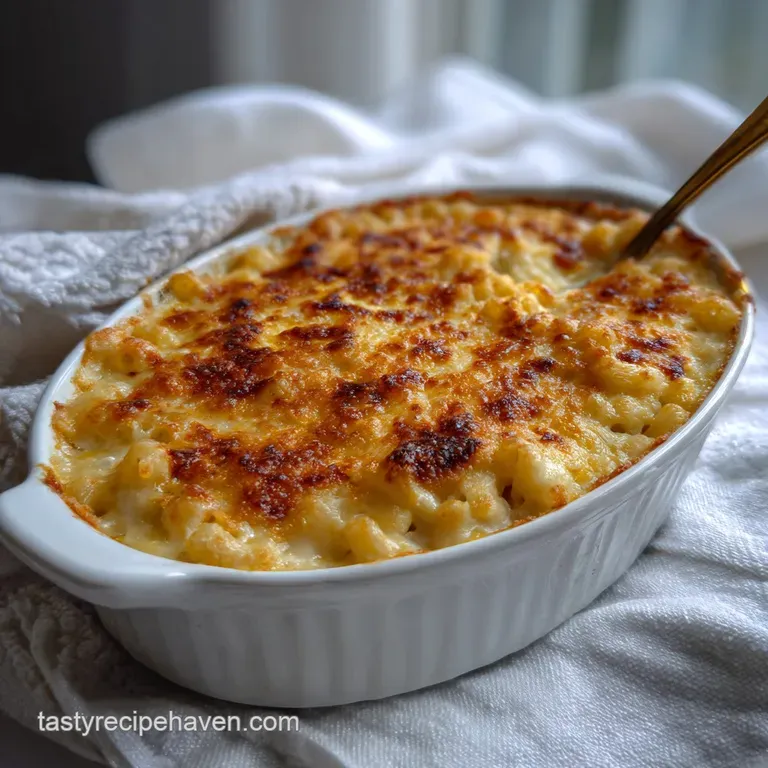
- The Ultimate Baked Cheddar Comfort: Mastering Creamy Macaroni and Cheese
- Achieving the Silkiest Cheese Sauce: Flavor Science Explained
- What You Need: Essential Components for Our Golden Baked Dish
- Step-by-Step Method: From Roux to a Baked Golden Crust
- Expert Tips and Troubleshooting Common Sauce Issues
- Storing and Reheating Your Comfort Classic Macaroni Dish
- What to Serve Alongside Perfect Macaroni & Cheese
- Recipe FAQs
- 📝 Recipe Card
The Ultimate Baked Cheddar Comfort: Mastering Creamy Macaroni and Cheese
Oh, that smell. When the edges of this glorious baked Mac And Cheese start bubbling, and that rich, sharp cheddar aroma hits you mixed with buttery toast that’s pure bliss, right? This isn't your grandma’s dusty casserole (unless your grandma was a genius, in which case, apologies).
This is the proper pub-style version, guaranteeing a silky sauce that never, ever breaks.
Look, sometimes you need something fast, foolproof, and deeply satisfying. This homemade mac and cheese recipe is my go-to when life is loud and the budget is tight. It’s warm, forgiving, and the steps are simple enough that you can practically make it blindfolded once you nail the roux.
We are building a monument to comfort here. We’re going to cover the absolute non-negotiables: freshly grating your cheese, cooking the flour (please, just cook the flour!), and understanding why warming your milk matters. Let’s get you ready to make the best mac and cheese recipe you’ve ever tried.
Achieving the Silkiest Cheese Sauce: Flavor Science Explained
What Makes This Mac And Cheese Special
The foundation of any great comfort food mac and cheese is the sauce, and we're starting with a French mother sauce the Béchamel. We cook flour and butter together (this is the roux) until it’s nutty, and then we add warmed milk to create a thick, velvety base.
This prevents the finished product from tasting floury, which is the kiss of death for any good cream sauce.
The magic happens when we take that perfect Béchamel off the heat and whisk in two specific ingredients: mustard powder and a hint of nutmeg. Trust me on the nutmeg.
Neither ingredient makes the dish taste like spice cabinet overflow; instead, they act as flavor enhancers, balancing the rich fat of the cheese and making the ultimate mac and cheese taste deeper and more savory. This technique ensures a stunning, creamy texture every single time.
Key Flavor Notes and Texture
We are aiming for complexity, not just dairy overload. By blending sharp Cheddar with nutty Gruyère, you get that classic bite alongside an earthier depth. The sauce should be incredibly smooth it should coat the back of your spoon like velvet, thick enough to cling to the macaroni but still pourable.
The entire experience of this baked mac and cheese is elevated by the crunchy, buttery panko topping, giving you that essential textural contrast.
What You Need: Essential Components for Our Golden Baked Dish
Making Mac And Cheese doesn't require a specialty shop trip, but quality matters, especially with the dairy. Get the best sharp cheddar you can afford; that’s where 80% of your flavor comes from.
Essential Ingredients Breakdown
| Component | Why It's Needed |
|---|---|
| Elbow Macaroni | Holds the sauce beautifully; cooks quickly. |
| Sharp Cheddar & Gruyère | Sharpness (Cheddar) meets nutty, complexity (Gruyère). |
| Mustard Powder & Nutmeg | Flavor enhancers that prevent the dish from tasting flat. |
| Whole Milk | High fat content ensures a richer, more stable emulsion. |
Smart Substitutions and Alternatives
I get it, sometimes you’re out of whole milk or that block of Gruyère is wildly expensive. Don't panic! Making Mac And Cheese is supposed to be relaxing.
| Ingredient | Substitute | Tip/Reason |
|---|---|---|
| Gruyère Cheese | Monterey Jack and a tablespoon of grated Parmesan. | Jack melts beautifully; Parmesan adds the necessary complexity. |
| Whole Milk | Evaporated Milk or Heavy Cream (diluted 1:1 with water). | Evaporated milk is surprisingly stable and creates an exceptionally rich sauce. |
| All-Purpose Flour | Sweet Rice Flour or a good quality gluten free mac and cheese blend. | Rice flour thickens perfectly without altering flavor or texture. |
| Elbow Macaroni | Cavatappi, Cellentani, or Penne. | Choose short, tubed pasta that traps the rich and cheese recipe sauce. |
Crucial Note: Never, ever use pre-shredded cheese! Those anti caking powders (often cellulose) interfere with the sauce, making it grainy and preventing it from melting smoothly. Invest three minutes and grate it yourself. Your mac and cheese sauce will thank you.
Step-by-step Method: From Roux to a Baked Golden Crust
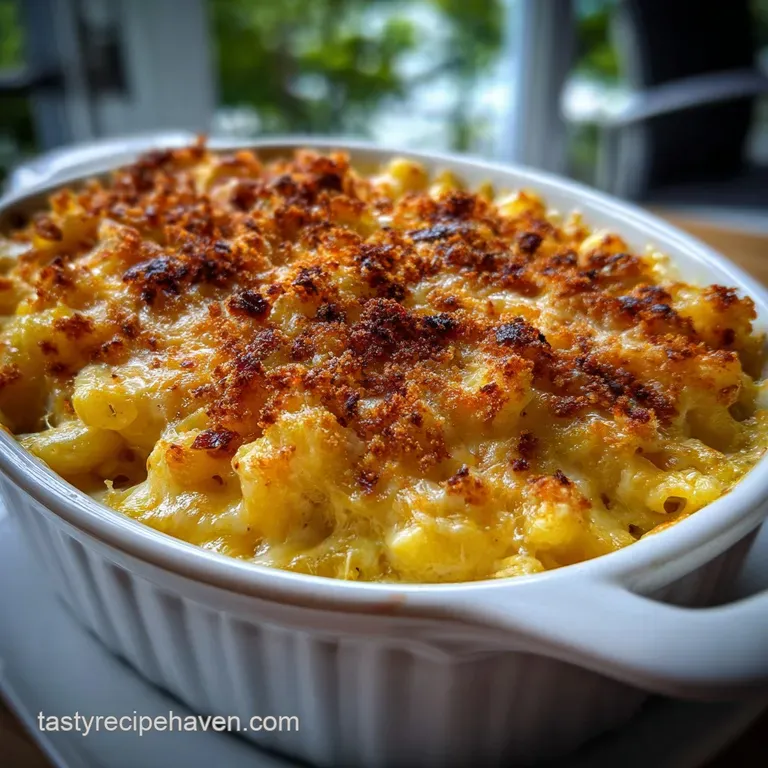
Preparation and Mise en Place
First, preheat your oven to 375°F (190°C) and grease a 9x13 inch baking dish. Next, get the cheese grated and ready remember, no stopping mid-sauce to tackle a block of cheddar. Bring your pasta water to a rolling boil and season it generously with salt.
Cook the macaroni until it’s about two minutes shy of al dente . It must be slightly undercooked, because it will continue to absorb the sauce and bake in the oven. Drain the pasta and set it aside immediately.
Step-by-step Cooking Process
- Start the Roux: Melt the butter in a heavy bottomed pot over medium heat until it’s foamy. Whisk in the flour until it forms a thick paste. Continue cooking, stirring constantly, for 1 to 2 minutes until it smells deliciously nutty, like popcorn. This step cooks out the raw flour flavor.
- Build the Béchamel: Slowly stream in the warm milk, whisking vigorously. If you use cold milk, you risk lumps, and nobody wants lumpy Mac And Cheese. Keep whisking until the sauce is totally smooth. Bring the liquid to a gentle simmer and let it cook for 5 to 7 minutes until it thickens and coats the back of your spoon.
- Seasoning the Sauce: Remove the pot from the heat. Whisk in the salt, pepper, mustard powder, and that pinch of fresh nutmeg.
- Add the Cheese: This is the make-or-break moment. Add the cheese blend a handful at a time, whisking constantly until each addition is fully melted and incorporated. Do not put the pot back on the heat or let the sauce boil once the cheese is in! High heat will make the cheese separate, resulting in an oily, grainy sauce.
- Assemble the Dish: Pour the slightly undercooked macaroni into the cheese sauce. Fold gently until every piece is gloriously coated in the rich and cheese recipe. Transfer this mixture to your prepared baking dish.
- The Topping: Mix the Panko breadcrumbs with melted butter and paprika in a small bowl. Sprinkle this crispy coating evenly over the pasta. Bake for 25– 30 minutes until the topping is golden brown and the edges are bubbling fiercely. Let it rest for 10- 15 minutes before serving this lets the sauce tighten up beautifully.
Expert Tips and Troubleshooting Common Sauce Issues
People often ask me why their sauce turned grainy or oily. There are two big culprits when making Mac And Cheese, and they are surprisingly easy to fix.
Mistake 1: Grainy Sauce. This almost always means one of two things: you used pre-shredded cheese, or you added the cheese while the sauce was boiling. Once the béchamel is thickened, it must come off the heat before the cheese is added.
The residual heat is enough to melt the cheese perfectly, stabilizing the emulsion. If you try to force it, the proteins seize up, and you get sand instead of velvet.
Mistake 2: Oily/Runny Sauce. If your mac and cheese recipe is too oily, you likely overheated the cheese, causing the fat (oil) to separate from the solids. If it's too runny, you didn't cook your roux long enough, or you added too much milk relative to the flour.
Next time, aim for the sauce to feel almost too thick before adding the pasta; the pasta will absorb moisture as it bakes.
Storing and Reheating Your Comfort Classic Macaroni Dish
This is a dish built for leftovers, but you have to treat it right, or it will turn into a dry, sad brick.
How to Store and Keep Fresh
If you have any leftovers (a miracle, frankly), let the dish cool completely on the counter before covering it tightly with foil or plastic wrap. You can keep it refrigerated for 3 to 4 days.
When storing any baked macaroni and cheese recipe baked dish, know that the pasta will continue to soak up moisture from the sauce, so it will be thicker the next day.
Freezing and Reheating Guide
But does this mac and cheese recipe freeze well? Yes, actually, provided you undercook the pasta even more aggressively (1 minute shy of al dente). Freeze the assembled, unbaked dish tightly wrapped in plastic and foil for up to 3 months. Thaw overnight in the fridge before baking as directed.
To reheat baked leftovers, add a splash of milk (about 1/4 cup per serving) to the dish to loosen the sauce. Cover it with foil and bake at 325°F (160°C) until heated through, about 15- 20 minutes. If you want the topping crisp again, remove the foil for the last five minutes.
You can microwave it, but it loses a bit of that creamy edge, so I prefer the oven method every time.
What to Serve Alongside Perfect Macaroni & Cheese
Since this creamy Mac And Cheese is so rich and satisfying, you need something acidic to cut through the heavy cheese. A simple side salad dressed with a sharp vinaigrette or a tangy coleslaw is absolutely essential for balance.
If you’re hosting a serious comfort meal and want to embrace the carb life, serve a small bowl alongside a crisp, savory bite like my [Cornmeal Mush Recipe: Grandmas Ultimate Crispy Fried Mush]. It's a fantastic contrast in texture!
Or, if you want to skip the savories and go straight to dessert, this rich dish pairs perfectly with a classic sweet treat nothing beats finishing a hearty meal with a fresh [Peanut Butter Blossom Cookies: Soft, Chewy, and Easy Recipe].
Seriously, once you master this ultra creamy, perfectly seasoned Mac And Cheese, you'll never go back to anything else. Happy cooking!
Recipe FAQs
Why did my cheese sauce turn out grainy or separated?
Graininess usually occurs when the cheese is exposed to direct, high heat or added too quickly to a boiling sauce. To prevent this, always remove the béchamel from the heat completely before gradually stirring in the grated cheese until melted.
Additionally, avoid using pre-shredded cheese, as the anti caking agents they contain can interfere with the melting process and cause the sauce to seize or separate.
Why is my baked mac and cheese dry after resting?
Baked mac and cheese dries out because the pasta starches continue to absorb moisture during the baking and resting period. To counteract this, ensure your initial cheese sauce is slightly looser than you think it should be before mixing in the pasta.
Also, make sure you cook your elbow macaroni only to an extreme al dente stage, as it will finish cooking in the oven, preventing it from sucking up excess sauce.
What are the best alternative cheeses to use for variations?
While sharp cheddar provides the classic tang, using a mix of cheeses adds complexity and better texture. Great additions include Gruyère for nutty depth, smoked Gouda for a savory kick, or Fontina/Monterey Jack for exceptional stretchiness and melt.
Always use high-quality, whole blocks and grate them yourself, as this ensures the cheese melts smoothly into the sauce without clumping.
Can I prepare the cheese sauce (Mornay) ahead of time?
Yes, you can prepare the full cheese sauce up to 2 days ahead of time and store it covered tightly in the refrigerator. When stored, the sauce will solidify considerably.
When you are ready to assemble the dish, gently reheat the cold sauce on the stovetop over low heat and whisk in a splash of milk or cream until it returns to its smooth, pourable consistency.
How should I store leftovers and reheat them without making the pasta tough?
Store leftovers tightly covered in the refrigerator for up to 4 days; freezing is not recommended as the sauce often breaks upon thawing. To reheat, the key is adding back lost moisture.
Transfer the mac and cheese to an oven safe dish, stir in a splash of milk or cream, and bake at 300°F (150°C) until warmed through, or reheat slowly in a saucepan on the stove.
How do I ensure a crispy top without burning the cheese underneath?
The best way to achieve a perfect crust is by using Panko breadcrumbs mixed with a tablespoon of melted butter or olive oil for optimal crunch. Spread this mixture evenly over the top layer of shredded cheese.
If you notice the breadcrumbs browning too quickly during the bake, loosely tent the dish with aluminum foil for the remaining cooking time to protect the top while the inside finishes heating.
Can this recipe be adapted to be gluten-free or dairy-free?
Yes, the roux can be made gluten-free by substituting standard all-purpose flour with a high-quality gluten-free blend, ideally weighed for accuracy. The technique remains exactly the same.
For a dairy-free version, substitute butter with plant based butter, milk with full fat oat milk, and use a mixture of good quality vegan cheddar shreds and nutritional yeast to replicate the depth of flavor.
Ultimate Baked Mac And Cheese