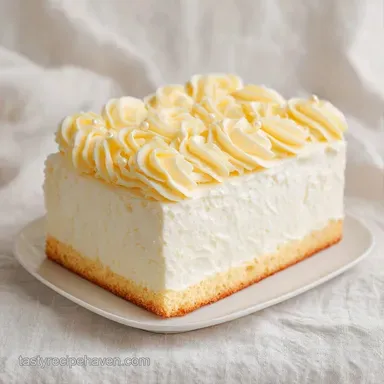
University Grad Sheet Cake: Velvety and Moist
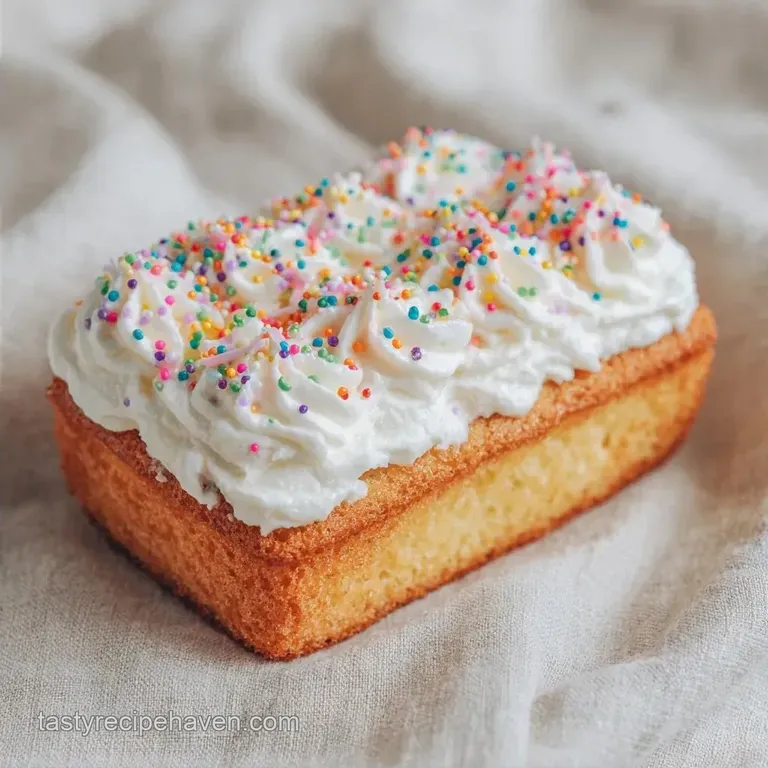
- Time:30 mins active + 2 hours cooling
- Flavor/Texture Hook: Velvety vanilla crumb with a cloud like buttercream
- Perfect for: Large graduation parties and crowd-pleasing desserts
- University Grad Sheet Cake: The foolproof way
- What makes this cake work
- Ingredient roles and secrets
- Gathering your essentials
- Equipment needed
- Step by step baking guide
- Fixing common baking mishaps
- Troubleshooting Common Issues
- Flavor twists and swaps
- Adjusting the yield
- Baking myths debunked
- Storage and keeping leftovers
- Best ways to serve
- Recipe FAQs
- 📝 Recipe Card
Ever wonder why some party cakes taste like dry cardboard by the time you actually get a slice? I remember making a cake for my cousin's graduation years ago. I followed a basic recipe, but the cake was so thirsty it practically sucked the moisture out of the frosting.
It was a disaster, and I spent the whole party apologizing while people struggled to swallow their pieces.
That failure led me to obsess over moisture. I realized that for a big crowd, you can't just make a "good" cake, you need a stable one. You need something that holds its structure but feels like it melts in your mouth. That's where this specific combination of buttermilk and room temperature fats comes in.
The result is a University Grad Sheet Cake that actually survives the party. It's a sturdy, vanilla forward base that can handle a thick layer of frosting and still feel light. We're talking about a texture that's consistent from the center to the very edge, so no one gets a dry corner piece.
University Grad Sheet Cake: The foolproof way
When you're baking for a graduation, the pressure is high. You want something that looks impressive but doesn't require you to spend ten hours in the kitchen. This version of the University Grad Sheet Cake is designed for exactly that.
It uses the creaming method to build a light structure, but the buttermilk ensures the crumb stays tender.
The key here is precision. Baking is essentially a lab experiment you can eat, and when you're scaling up to a full sheet, small mistakes get magnified. If your butter is too cold, the air bubbles won't form. If your eggs are straight from the fridge, the batter might break.
I've spent enough time in the kitchen to know that these "small" details are actually the main reason a cake succeeds or fails.
For those who want a different texture, my College Graduation Cake Recipe focuses on a denser, velvet crumb. But for a massive party, this sheet version is the way to go. It's accessible, uses basic ingredients, and provides a massive surface area for decorating with school colors or a graduation cap.
What makes this cake work
I used to think baking powder was the only thing that mattered for lift, but it's actually about the chemistry of the fats and acids. Here is what is happening inside your oven.
- Air Incorporation: Beating butter and sugar creates tiny air pockets. These pockets expand in the heat, giving the cake its lift.
- Acidic Tenderizing: The lactic acid in buttermilk, as noted by USDA FoodData, breaks down long gluten strands. This results in a softer, more tender bite.
- Emulsion Stability: Adding eggs one by one creates a stable emulsion. This prevents the fat from separating, which keeps the cake from feeling greasy.
- Starch Gelatinization: The flour absorbs the liquids and sets as it heats, locking in the air bubbles created during the creaming phase.
Before you start, it's helpful to understand the difference between a rushed cake and a precision cake. Most people just throw things in a bowl, but taking an extra ten minutes for temperature control changes the final result.
| Feature | Box Mix Method | Classic Precision Method | Impact |
|---|---|---|---|
| Texture | Spongy, uniform | Velvety, rich | Better mouthfeel |
| Flavor | Artificial vanilla | Natural, buttery | Professional taste |
| Stability | Can be fragile | Sturdy for frosting | Easier to transport |
By choosing the precision method for your University Grad Sheet Cake, you ensure the cake doesn't crumble when you try to cut it into 24 neat squares.
Ingredient roles and secrets
Not every ingredient is just there for flavor. Some are there to do the heavy lifting. I always weigh my ingredients because, according to King Arthur Baking, a cup of flour can vary by 20 grams depending on how you scoop it.
| Ingredient | Science Role | Pro Secret |
|---|---|---|
| Buttermilk | Acidic tenderizer | Use full fat for a silkier crumb |
| Unsalted Butter | Structure and flavor | Must be 65°F for proper aeration |
| Baking Powder | Primary leavening agent | Sift with flour to avoid "tunnels" |
| Powdered Sugar | Frosting stabilizer | Sift always to avoid gritty lumps |
Gathering your essentials
For the cake base, you'll need a few staples. Make sure your dairy is at room temperature. If you forget, you can put eggs in warm water for 5 minutes to speed things up.
For the cake base
- 3 cups (375g) all purpose flour Why this? Standard protein level for a sturdy sheet cake
- 2 cups (400g) granulated sugar Why this? Provides sweetness and helps tenderize the crumb
- 1 tbsp (12g) baking powder Why this? Gives the necessary lift for a heavy batter
- 1/2 tsp (3g) salt Why this? Balances the sugar and enhances vanilla
- 3/4 cup (170g) unsalted butter, softened Why this? Creates the initial air structure
- 3 large (150g) eggs, room temperature Why this? Acts as the binder and adds richness
- 1 cup (240ml) buttermilk, room temperature Why this? Keeps the cake moist and tender
- 2 tsp (10ml) pure vanilla extract Why this? Essential for that classic bakery aroma
For the celebration buttercream
- 2 cups (450g) unsalted butter, softened Why this? The base for a smooth, pipeable frosting
- 6 cups (720g) powdered sugar, sifted Why this? Gives the frosting its structure and sweetness
- 3 tbsp (45ml) heavy cream Why this? Adjusts the consistency to be velvety
- 2 tsp (10ml) vanilla extract Why this? Cuts through the sweetness of the sugar
- gel food coloring Why this? High pigment without thinning the frosting
Ingredient Swaps
| Original Ingredient | Substitute | Why It Works |
|---|---|---|
| Buttermilk | 1 cup milk + 1 tbsp lemon juice | Mimics acidity. Note: Slightly less creamy |
| All Purpose Flour | Cake Flour | Finer crumb. Note: Cake will be softer and more fragile |
| Heavy Cream | Whole Milk | Similar liquid. Note: Frosting will be slightly less stable |
Equipment needed
You don't need a professional bakery, but a few tools make this University Grad Sheet Cake much easier. A stand mixer such as KitchenAid is great, but a hand mixer works too. Just be prepared to do a bit more scraping with your spatula.
- 9x13 inch baking pan
- Parchment paper
- Large mixing bowl
- Medium mixing bowl
- Electric mixer
- Offset spatula (for that smooth frosting look)
- Sifter or fine mesh strainer
- Wire cooling rack
Step by step baking guide
Follow these steps exactly. I've added specific cues so you know you're on the right track.
Preparing the foundation
- Preheat your oven to 350°F (175°C).
- Grease your 9x13 inch pan thoroughly.
- Line the bottom with parchment paper. Note: This is the only way to ensure the cake doesn't stick in the corners.
Mixing the batter
- Cream the softened butter and granulated sugar together. Use your mixer on medium high until the mixture is pale and fluffy. This usually takes about 3-5 minutes.
- Incorporate eggs one at a time. Beat well after each addition until fully combined and smooth.
- Whisk the flour, baking powder, and salt in a separate bowl.
- Alternately add the flour mixture and buttermilk to the butter mixture. Start and end with flour, mixing until just combined. Note: Do not overmix here, or you'll develop too much gluten and the cake will be tough.
Baking to perfection
- Pour the batter into the pan. Smooth the top with a spatula.
- Bake for 30-35 minutes until the edges pull away from the sides and the top springs back when touched.
- Remove from the oven. Let the cake cool completely in the pan for 2 hours. Note: Frosting a warm cake is a one way ticket to a melted mess.
Finishing and decorating
- Beat the butter for the buttercream until smooth.
- Gradually add powdered sugar, heavy cream, and vanilla. Beat until velvety and stiff peaks form.
- Add gel food coloring as desired.
- Apply a thick layer of buttercream to the cooled University Grad Sheet Cake using an offset spatula.
Fixing common baking mishaps
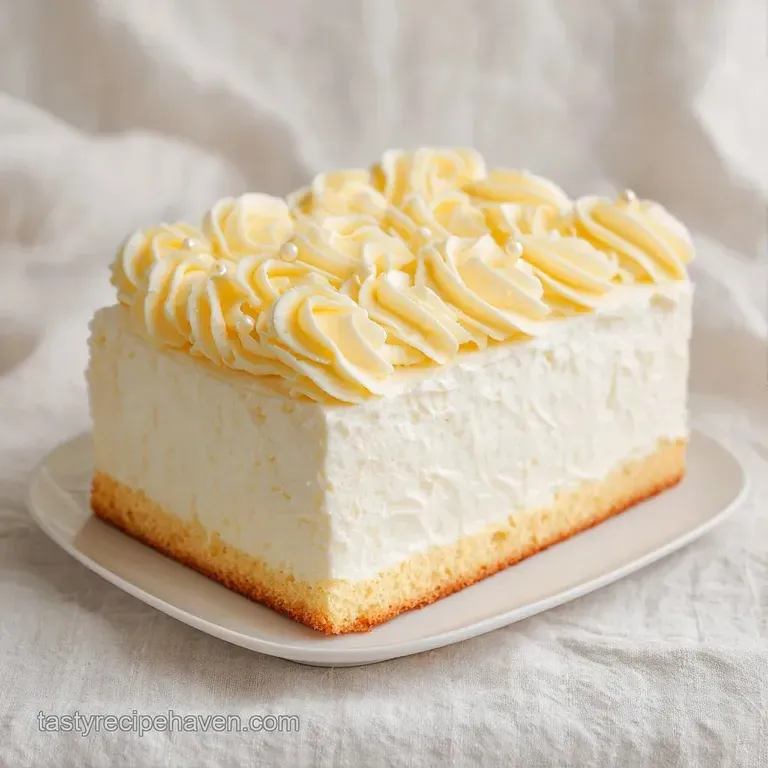
Even the best of us hit a snag. When it comes to a University Grad Sheet Cake, the most common issues usually stem from temperature or mixing.
Troubleshooting Common Issues
| Issue | Solution |
|---|---|
| Why Your Cake Sank | If the middle of your cake collapsed, you likely over beated the batter after adding the flour. This incorporates too much air that the structure can't support, or your baking powder was expired. |
| Why Your Frosting Melted | Buttercream is an emulsion of fat and sugar. If the cake was even slightly warm, the butter in the frosting reached its melting point and slid right off. Always wait the full 2 hours. |
| Why Your Cake is Dry | This usually happens if the oven is too hot or the cake stayed in for 5 minutes too long. Use the "spring back" test rather than relying solely on the timer. |
Common Mistakes Checklist
- ✓ Butter is genuinely softened, not melted
- ✓ Flour was measured by weight or leveled off
- ✓ Eggs were at room temperature
- ✓ Cake cooled for a full 2 hours before frosting
- ✓ Sifted the powdered sugar to avoid lumps
Flavor twists and swaps
While vanilla is the classic choice for a University Grad Sheet Cake, you can easily change the vibe. If you're looking for something a bit more rustic, you might try my Applesauce Coffee Cake Recipe for a different kind of party treat.
Adding a chocolate twist
To make this a chocolate version, replace 1/2 cup of flour with high-quality cocoa powder. Add an extra 2 tablespoons of buttermilk to compensate for the dryness of the cocoa.
Incorporating a lemon zest
Add the zest of two large lemons to the sugar during the creaming process. This oils the sugar and distributes the citrus flavor throughout the entire University Grad Sheet Cake.
Adapting for gluten-free
Use a 1:1 gluten-free flour blend that contains xanthan gum. You may need to add one extra egg to help with the structure, as gluten-free cakes tend to be more fragile.
Making it dairy-free
Substitute the butter with a high-quality vegan butter stick (not the tub kind) and use soy milk mixed with a teaspoon of apple cider vinegar instead of buttermilk.
Adjusting the yield
Sometimes you don't need a full 9x13 pan. Here is how to adjust the University Grad Sheet Cake for different sizes.
Scaling Down If you only need a small cake, you can halve the recipe and use an 8x8 inch square pan. Reduce the baking time by about 20%, starting to check for doneness at 25 minutes. For the eggs, beat one egg in a bowl and use half of it.
Scaling Up To double the recipe for two sheet cakes, do not simply double the baking powder; increase it to 1.5x to avoid a metallic taste. Work in batches if your mixer isn't large enough to prevent splashing.
If baking two pans at once, lower the oven temp by 25°F (to 325°F) and extend the time by 5-10 minutes to ensure even heat distribution.
Decision Shortcut
- If you want a taller cake, use an 8x8 pan and increase bake time.
- If you want a thinner, brownie like slice, use a 12x17 half sheet pan.
- If you're frosting with heavy fondant, reduce the sugar in the cake by 1/4 cup.
Baking myths debunked
There are a lot of "rules" in baking that are actually just myths. Let's clear some up for the University Grad Sheet Cake.
Myth: You must cream butter for 10 minutes. Truth: You only need to cream until the color turns pale ivory. Over creaming can actually incorporate too much air, which leads to the cake rising too fast and then collapsing in the center.
Myth: Cold eggs make the cake fluffier. Truth: Cold eggs will actually curdle the creamed butter. Room temperature eggs emulsify properly, creating a smooth batter that traps air more efficiently.
Myth: Sifting flour is always necessary. Truth: While sifting is great for cake flour, for all purpose flour in a sheet cake, whisking vigorously in a bowl is usually enough to break up lumps. Sifting the powdered sugar, however, is non negotiable.
Storage and keeping leftovers
A University Grad Sheet Cake is surprisingly hardy, but you still need to store it right to keep that velvety texture.
Fridge and Freezer Keep the frosted cake in an airtight container in the fridge for up to 5 days. Because of the butter content, the frosting will harden. To serve, let it sit at room temperature for 30 minutes so the buttercream softens back up.
For the freezer, wrap the unfrosted cake layers tightly in plastic wrap and foil. They'll stay fresh for 3 months. Thaw in the fridge overnight before frosting.
Zero Waste Tips Don't toss the leftover buttercream. You can freeze it in small dollops on a baking sheet, then move them to a bag. These make great "frosting drops" for cupcakes later.
If you have cake scraps, crumble them up, toast them in the oven for 5 minutes, and use them as a topping for ice cream.
Best ways to serve
When presenting the University Grad Sheet Cake, the cut is everything. To get those clean, professional squares, dip your knife in hot water and wipe it dry between every single cut. This prevents the frosting from dragging across the cake.
For a more modern look, instead of a flat layer of frosting, use a piping bag to create small dollops across the top. You can place a fresh raspberry or a small piece of chocolate on each dollop for an added touch of class.
If you're serving this at a large event, keep the cake on a sturdy platter. Since this recipe is designed for crowds, it holds up well at room temperature for about 4 hours. After that, pop it back in the fridge to keep the buttercream stable.
This ensures every guest gets a slice that tastes just as fresh as the first one cut.
Recipe FAQs
What pan size is best for serving a crowd?
Use a 9x13 inch baking pan. This size provides 24 servings, making it ideal for larger gatherings.
How to prevent the cake from sinking in the middle?
Avoid over beating the batter after adding the flour. Incorporating too much air creates a structure that cannot support itself, leading to a collapse.
How to store the cake for a party a few days later?
Keep the frosted cake in an airtight container in the fridge. It stays fresh for up to 5 days, though you should let it sit at room temperature for 30 minutes before serving to soften the buttercream.
Is it true that I can frost the cake immediately after baking?
No, this is a common misconception. Frosting a warm cake will cause the butter in the buttercream to reach its melting point and slide off; always wait the full 2 hours.
How to change the color of the frosting?
Mix gel food coloring into the buttercream. Add the color gradually after beating the butter, powdered sugar, heavy cream, and vanilla until the desired shade is achieved.
Why is my cake dry?
Check your oven temperature. This usually happens if the oven is too hot, which dries out the crumb before the center is fully set.
Can I make a larger version for a bigger party?
Yes, you can scale the recipe or bake multiple sheets. For a quicker high volume option, try a party size cake.
University Grad Sheet Cake