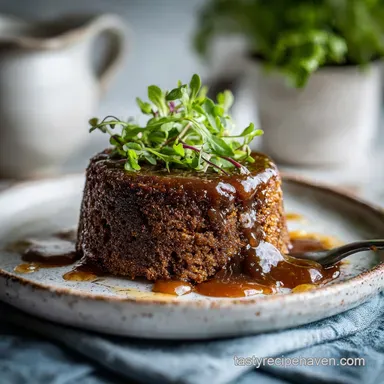
Sticky Toffee Pudding Recipe: Velvety & Saucy
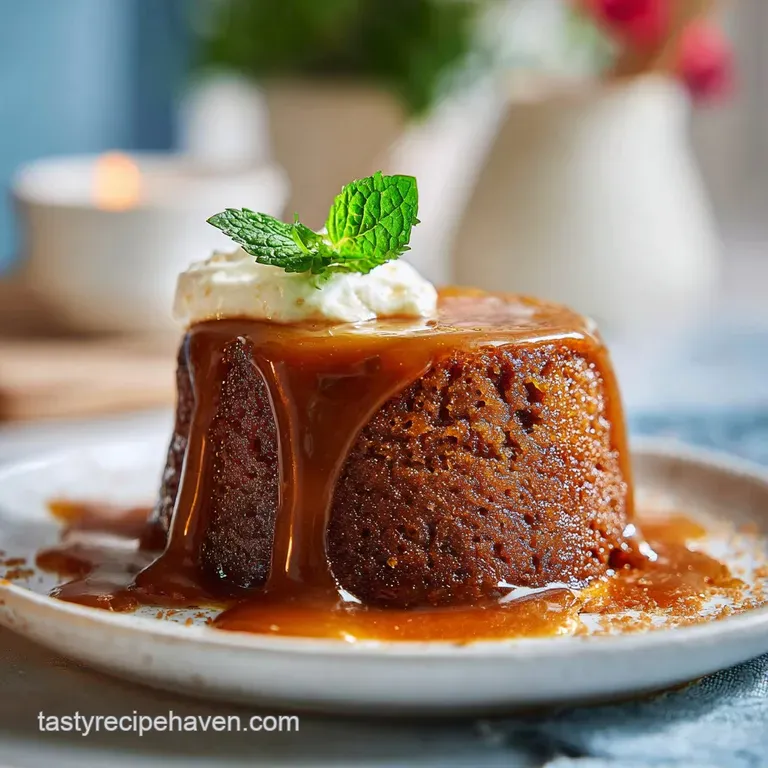
- Time: Active 15 minutes, Passive 30 minutes, Total 45 minutes
- Flavor/Texture Hook: Deeply caramelized sweetness with a velvety, melt in-the mouth crumb
- Perfect for: Cold winter evenings, impressive dinner parties, or Sunday family roasts
- Secrets of This Sticky Toffee Pudding Recipe
- The Science Behind This Method
- Essential Precision Specs and Timing
- Selecting Your Key Ingredient Profile
- Necessary Tools for Success
- From Initial Prep to Plate
- Avoiding Common Sticky Baking Disasters
- Creative Substitutions and Twists
- The Myth of Steaming
- Guidelines for Keeping It Fresh
- Elegant Ways of Serving
- Recipe FAQs
- 📝 Recipe Card
Secrets of This Sticky Toffee Pudding Recipe
Imagine walking into a kitchen where the air is heavy with the scent of melting butter and dark molasses. It is that thick, comforting aroma that promises a warm hug in a bowl. I first tried a version of this in a tiny coastal village during a sudden storm, and I spent years trying to replicate that specific, velvety texture.
Most versions were either too dry or cloyingly sweet, but after experimenting with the chemistry of date fibers, I found the secret to that legendary "sticky" factor.
The magic happens when the dark, bubbling sauce hits the warm, springy sponge. You want to hear that subtle sizzle as the liquid gold starts to permeate the crumb. It is not just about pouring sauce over cake; it is about creating a symbiotic relationship where the cake absorbs just enough moisture to stay structural while the exterior remains glossy and rich.
If you have ever struggled with a pudding that feels like a lead weight, we are going to fix that today using a bit of kitchen physics and the right type of sugar.
We've all been there excitedly pulling a tray out of the oven only to find a sunken middle or a sauce that has separated into an oily mess. Trust me, I have made those mistakes so you don't have to. We are going to focus on precision here because baking is more about ratios than luck.
By the time we are done, you will have a dessert that shatters the expectations of even the toughest critics.
The Science Behind This Method
- Alkaline Softening: Adding 1 tsp baking soda to the dates raises the pH of the soaking liquid, which breaks down the tough hemicellulose in the date skins for a silky purée.
- Maillard Intensification: Dark muscovado sugar contains high levels of molasses, providing the necessary amino acids and reducing sugars to create deep flavor compounds during the bake.
- Osmotic Absorption: Pricking the warm sponge creates channels that allow the sauce to migrate into the center through capillary action, ensuring every bite is saturated.
- Emulsion Stability: Boiling the heavy cream with butter and sugar creates a stable fat in-water emulsion that thickens without curdling or becoming greasy.
| Method | Time | Texture | Best For |
|---|---|---|---|
| Traditional Boiled | 60 minutes | Very dense and fudgy | Large holiday gatherings |
| Rapid Soak (This Recipe) | 45 minutes | Light but moist sponge | Weeknight treats or dinner parties |
| Individual Fondants | 35 minutes | Crispy edges, soft core | Elegant plated service |
Choosing the right method depends on your desired density. This specific sticky toffee pudding recipe utilizes the rapid soak method to ensure the sponge stays aerated while the dates provide maximum moisture. If you are craving more fruit based desserts, you might also enjoy this Sticky Banana Bread recipe.
Essential Precision Specs and Timing
| Ingredient | Science Role | Pro Secret |
|---|---|---|
| Medjool Dates | Provides humectancy and natural fructose | Use Medjool only; they have a higher moisture content than Deglet Noor. |
| Baking Soda | Softens fruit skins and reacts with molasses | Do not skip the soak; it ensures no "skin bits" remain in the batter. |
| Dark Muscovado | Adds moisture and complex caramel notes | Pack it tightly into the measuring cup to ensure the correct sugar to fat ratio. |
| Black Treacle | Lowers the pH and deepens the mahogany color | Lightly oil your measuring spoon first so the treacle slides right out. |
Precision in your measurements is non negotiable for the crumb structure. A slight deviation in the amount of baking powder can lead to a spectacular rise followed by a disappointing collapse. For a lighter alternative that requires no oven time at all, you might prefer this Banana Pudding Recipe.
Selecting Your Key Ingredient Profile
- 225g Medjool dates, pitted and roughly choppedWhy this? They provide a jam like consistency that regular dates cannot replicate.
- Substitute: Deglet Noor dates (soak for an extra 10 minutes in boiling water).
- 250ml boiling waterWhy this? Necessary to hydrate the dates and activate the baking soda immediately.
- Substitute: Very strong black tea for an earthy flavor profile.
- 1 tsp baking sodaWhy this? It breaks down date fibers and reacts with treacle for lift.
- Substitute: No direct substitute; this is essential for the date texture.
- 85g unsalted butter, softenedWhy this? Provides the fat base for the cream and sugar aeration.
- Substitute: Salted butter (omit the extra salt in the recipe).
- 175g dark muscovado sugarWhy this? The high molasses content is responsible for the signature toffee taste.
- Substitute: Dark brown sugar with 1 tsp extra molasses.
- 2 large eggs, room temperatureWhy this? Eggs emulsify the batter and provide the protein structure.
- Substitute: 1/2 cup applesauce (yields a denser, vegan friendly sponge).
- 175g all purpose flourWhy this? Medium protein content keeps the cake tender but structural.
- Substitute: Pastry flour for an even more delicate, velvety crumb.
- 1 tsp baking powderWhy this? Provides the secondary lift during the actual baking process.
- Substitute: 1/4 tsp baking soda plus 1/2 tsp cream of tartar.
- 1 tbsp black treacleWhy this? Adds a slight bitterness to balance the heavy sugar profile.
- Substitute: Dark molasses or blackstrap molasses.
- 1 tsp pure vanilla extractWhy this? Enhances the chocolatey undertones of the caramelized sugar.
- Substitute: Vanilla bean paste for aesthetic flecks.
Sauce Components
- 150g unsalted butter
- 300g dark muscovado sugar
- 1 tbsp black treacle
- 200ml heavy cream
- 0.5 tsp flaky sea salt
Necessary Tools for Success
You don't need a laboratory's worth of equipment, but a few specific tools will make your life much easier. A stand mixer such as a KitchenAid is brilliant for getting the butter and sugar sufficiently aerated without wearing out your arm. If you don't have one, a sturdy hand mixer works perfectly well.
For the dates, a high speed blender or food processor is a must. You are looking for a smooth paste, not a chunky salsa. If you leave large pieces of date, they can sink to the bottom of the cake and create soggy spots. Finally,, a digital scale is your best friend.
In baking, volume measurements like cups are notoriously unreliable weighing your ingredients in grams is the only way to guarantee the same result every time.
From Initial Prep to Plate
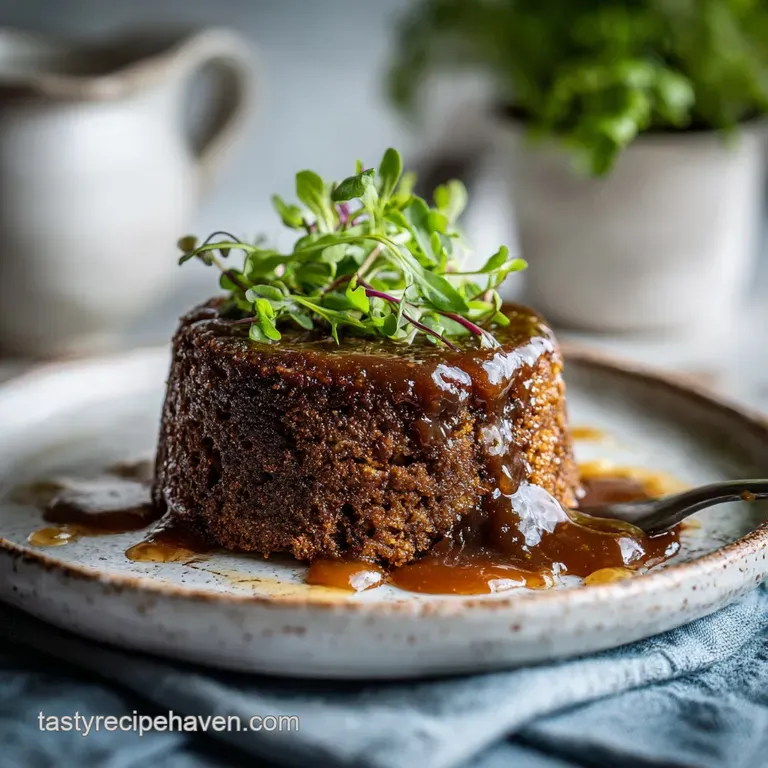
- Place 225g chopped dates in a heatproof bowl and cover with 250ml boiling water and 1 tsp baking soda. Note: The water will foam slightly as the soda reacts.
- Let the dates soak for 15 minutes until the skins are visibly falling apart.
- Preheat your oven to 180°C and grease a 20cm square baking dish generously with butter.
- Blend the soaked dates (including the water) in a food processor until a velvety, smooth purée forms.
- Cream 85g butter and 175g muscovado sugar in a mixer for 5 minutes until the mixture looks pale and fluffy.
- Add 2 eggs one at a time, followed by 1 tbsp treacle and 1 tsp vanilla, beating well after each addition.
- Gently fold in 175g flour and 1 tsp baking powder using a spatula until no white streaks remain.
- Stir in the date purée and pour the batter into the prepared dish.
- Bake for 30 minutes until the top is springy and a skewer comes out clean.
- Combine all sauce ingredients in a saucepan and simmer for 3 minutes until the sauce coats the back of a spoon.
Chef's Tip: While the cake is still piping hot, poke at least 50 tiny holes across the surface with a toothpick. Pour half the sauce over immediately so it sinks into the core while the sponge is most receptive.
Avoiding Common Sticky Baking Disasters
Preventing a Sunken Center
If your sponge collapses as it cools, it is usually due to a sudden temperature change or over beating the eggs. When you whip eggs too vigorously, you incorporate large air bubbles that expand quickly in the heat but lack the protein strength to hold their shape once the steam escapes.
Always ensure your baking powder is fresh; if it is older than six months, it may have lost its potency, leading to a weak rise.
Fixing a Broken Sauce
A sauce "breaks" when the fat separates from the liquid, leaving you with an oily layer on top. This usually happens if the heat is too high or if you add cold cream to a boiling sugar mixture too quickly. If this happens, don't panic.
Take it off the heat and add a tablespoon of room temperature cream, whisking vigorously. The extra liquid helps re emulsify the fats.
| Problem | Root Cause | Solution |
|---|---|---|
| Gritty Sauce | Sugar hasn't fully dissolved | Simmer on low heat longer while stirring constantly. |
| Dry Sponge | Overbaked or low moisture | Reduce oven time by 5 minutes next time; add more sauce now. |
| Tough Texture | Over mixed flour | Fold flour gently by hand instead of using the electric mixer. |
- ✓ Use room temperature eggs to prevent the butter from curdling during mixing.
- ✓ Tap the baking dish on the counter twice before baking to release large air pockets.
- ✓ Never open the oven door during the first 20 minutes of baking.
- ✓ Ensure your dates are completely pits free before blending to avoid "crunchy" surprises.
- ✓ Let the pudding sit for 10 minutes after saucing to allow for full absorption.
Creative Substitutions and Twists
| Original Ingredient | Substitute | Why It Works |
|---|---|---|
| Dark Muscovado | Coconut Sugar | Similar caramel notes but lower glycemic index. Note: Results in a slightly drier crumb. |
| Heavy Cream | Full fat Coconut Milk | Provides necessary fat for the sauce. Note: Adds a distinct tropical flavor. |
| All Purpose Flour | Almond Flour (1:1 ratio) | High fat content keeps it moist. Note: Will not rise as much; use an extra egg. |
If you want a deeper, almost smoky flavor, try replacing the boiling water with hot espresso. The bitterness of the coffee cuts through the intense sweetness of the muscovado, creating a much more adult version of the dish. This is particularly effective if you are serving it after a heavy meal.
| Servings | Ingredient Adjustments | Pan Size | Cook Time |
|---|---|---|---|
| 2 People | Use 1/4 of all measurements | 2 Individual Ramekins | 18-22 minutes |
| 4 People | Use 1/2 of all measurements | 15cm Round Tin | 25-28 minutes |
| 12 People | 1.5x all measurements | 9x13 inch Casserole | 40-45 minutes |
For a festive twist, add 1 tsp of ground ginger and 1/2 tsp of cinnamon to the flour. This transforms the pudding into something reminiscent of a parkin or gingerbread, which pairs beautifully with the toffee sauce.
The Myth of Steaming
Many people believe that an "original" sticky toffee pudding must be steamed like a traditional British suet pudding. This is simply not true. While steaming produces a very moist result, a properly hydrated oven baked sponge is actually superior because it allows for the Maillard reaction (browning) on the top surface.
This creates a slight crust that contrasts beautifully with the soft interior.
Another common misconception is that Medjool dates are "too expensive" and that cheap dates will do. While you can use cheaper dates, you will notice a significant difference in the texture of the purée.
Medjools are naturally softer and contain more invert sugars, which are crucial for keeping the cake moist over several days.
Guidelines for Keeping It Fresh
This pudding is a champion of longevity. Because of the high sugar and moisture content from the dates, it stays fresh in the fridge for up to 5 days. To store it, keep the sauce and the sponge in separate airtight containers.
When you are ready for a second round, just pop a slice in the microwave for 30 seconds and warm the sauce separately.
For zero waste enthusiasts, any leftover toffee sauce is basically liquid gold. Do not even think about throwing it away. It works incredibly well drizzled over vanilla ice cream, used as a dip for apple slices, or even stirred into your morning oatmeal.
If you find yourself with extra dates, they can be frozen indefinitely in a sealed bag.
Elegant Ways of Serving
While a giant scoop of the stuff in a bowl is my personal preference, there are ways to make this look "restaurant ready." Serve a warm square of pudding in the center of a wide, shallow bowl. Pour the sauce around the base rather than just over the top this keeps the top of the sponge visible.
A cold element is non negotiable. The contrast between the scorching hot toffee and a freezing scoop of high-quality vanilla bean ice cream is what dreams are made of. If you find the dish too sweet, a dollop of unsweetened crème fraîche or double cream provides a tangy counterpoint that allows you to eat a much larger portion without feeling overwhelmed by the sugar.
For a final touch, a tiny pinch of flaky sea salt over the sauce will make the caramel flavors absolutely sing.
Recipe FAQs
What are the ingredients for sticky toffee pudding?
Key components include: Medjool dates, boiling water, baking soda, butter, dark muscovado sugar, eggs, all-purpose flour, baking powder, black treacle, and vanilla extract for the sponge.
What is in Gordon Ramsay's sticky toffee pudding?
His version typically emphasizes high-quality dates and a rich sauce. While exact quantities vary by restaurant, Ramsay's approach often focuses on achieving a very dark, deeply caramelized sauce using high-quality molasses or treacle for flavor depth.
What is the difference between treacle pudding and sticky toffee pudding?
Treacle pudding traditionally uses golden syrup or black treacle as the main sweetener in the sponge and sauce. Sticky toffee pudding primarily uses dates for moisture and sweetness, with treacle being an addition for color and flavor complexity.
Do Americans have sticky toffee pudding?
Yes, it is widely available, though perhaps less common than brownies or apple pie.
Many high end restaurants feature it, and American home bakers often make it using ingredients like dark brown sugar in place of muscovado. If you enjoy this rich flavor profile, you might also appreciate the dense, moist crumb achieved in our Banana Nut Bread recipe.
How do I ensure my sauce doesn't separate or look oily?
Simmer the sauce gently and avoid high, aggressive boiling. A broken sauce means the fat has separated; add a tablespoon of room temperature heavy cream and whisk vigorously off the heat to encourage re-emulsification.
Why is my sponge tough instead of velvety?
You likely overmixed the flour into the batter. Once the flour is added, mix only until just combined to prevent excessive gluten development.
If you are interested in controlling texture, understanding how to properly handle wet and dry ingredients is key; see how this principle affects the stability of whipped egg whites in our Vanilla Mousse recipe.
Can I make the sponge ahead of time?
Yes, you can bake the sponge up to two days early. Store it tightly wrapped at room temperature, as refrigeration can dry it out slightly.
When ready to serve, reheat the sponge slightly before pouring the warm sauce over it for maximum absorption.
Velvety Toffee Pudding Recipe