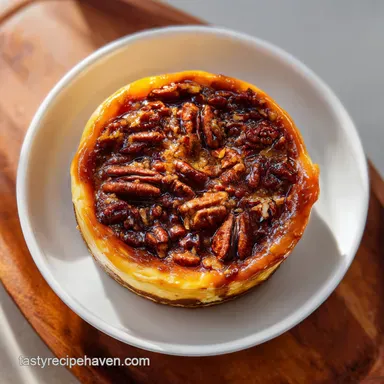
Turtle Cheesecake Recipe: Velvety & Caramelized
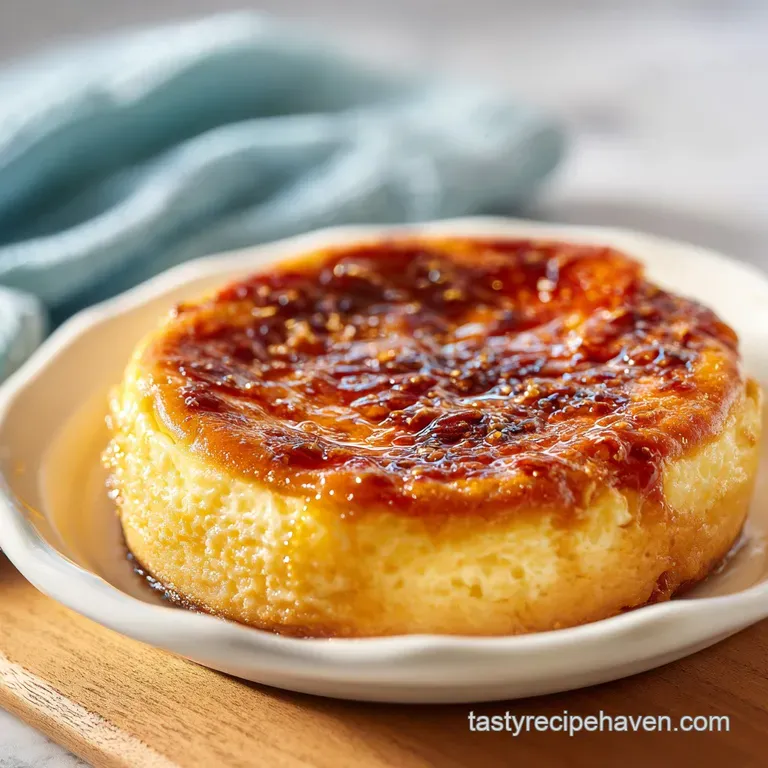
- Time: Active 25 minutes, Passive 55 minutes, Total 1 hours 20 mins
- Flavor/Texture Hook: Velvety filling with a caramel shatter
- Perfect for: Anniversary celebrations or high end dinner parties
- The Science of Fat Emulsification
- Critical Specs and Precision Windows
- Core Ingredients and Smart Subs
- Precision Equipment for Smooth Batters
- Executing the Multi Phase Bake Sequence
- Correcting Texture and Surface Flaws
- Creative Variations and Flavor Swaps
- Longevity Rules and Resource Use
- Service Standards for Best Results
- Kitchen Myths and Misconceptions
- Recipe FAQs
- 📝 Recipe Card
You know that specific sound when a fork hits a cold, dense cheesecake and it just... yields? No resistance, no crumbly mess, just a clean glide through layers of silk. I spent years chasing that texture, failing with "airy" versions that felt more like mousse than a true New York style base.
Then I realized the secret wasn't more air, it was more control.
The first time I nailed this turtle cheesecake recipe, the aroma of toasted pecans filled my kitchen like a warm hug, but it was the chocolate drizzle that stole the show. When I finally cut into it, the chocolate had that satisfying snap, giving way to a caramel pool that looked like liquid gold.
It's a heavy hitter, definitely not for the faint of heart, but honestly, if we're doing cheesecake, let's actually do it.
Don't even think about grabbing the low-fat cream cheese at the store. We need the full fat stuff to get that legendary mouthfeel. I’ve made the mistake of rushing the eggs, and trust me, cold eggs are the fastest way to ruin a smooth batter.
We’re aiming for a flawless finish here, one that looks like it belongs in a high end bakery window.
The Science of Fat Emulsification
Mechanical Bonding: Using room temperature ingredients allows the fat molecules in the cream cheese and sour cream to bond seamlessly with the proteins in the eggs, preventing a curdled texture.
Starch Gelatinization: While we aren't using flour, the proteins in the eggs set at a precise 160°F (71°C), creating a structural lattice that holds the heavy fats in suspension without collapsing.
Maillard Reaction: Toasting the pecans for exactly five minutes at 350°F (180°C) triggers the breakdown of sugars and proteins, creating the aromatic compounds that define the "turtle" flavor profile.
| Method | Time | Texture | Best For |
|---|---|---|---|
| Classic Oven | 55 minutes | Dense and velvety | Traditional results |
| No Bake Swap | 15 minutes | Light and airy | Hot summer days |
| Mini Cakes | 22 minutes | Firm edges | Large parties |
This table helps you decide which route to take depending on how much time you have before the guests arrive. The classic method provides that iconic "snap" and density that most purists crave.
Critical Specs and Precision Windows
This recipe thrives on precision. I’ve found that even a few degrees off in the oven can be the difference between a smooth top and a canyon sized crack. If you want that professional look, we have to talk about the cooling window.
Most people pull the cake out and put it on the counter immediately, which is a recipe for disaster. The sudden temperature drop causes the filling to shrink faster than the crust, resulting in surface tension cracks.
| Ingredient | Science Role | Pro Secret |
|---|---|---|
| Full fat Cream Cheese | Structural base | Beat on low speed only to avoid trapping excess air bubbles. |
| Sour Cream | Acidic tenderizer | Adds a subtle tang that cuts through the heavy sugar and chocolate. |
| Large Eggs | Protein binder | Add one at a time to ensure the emulsion doesn't break. |
| Coconut Oil | Texture modifier | Keeps the chocolate drizzle glossy and soft enough to slice cleanly. |
You really need to pay attention to the "wobble." When you hit that 55 minute mark, the center should still jiggle slightly like set gelatin. If it’s firm all the way across, you’ve overbaked it, and you'll lose that velvety finish. It’s similar to the precision needed in my Snickerdoodle Cookies Recipe, where timing is everything for that soft center.
Core Ingredients and Smart Subs
- 2 cups chocolate sandwich cookie crumbs: Use the classic Oreo style cookies. Why this? The high cocoa content provides a bitter contrast to the sweet caramel.
- Substitute: Graham cracker crumbs with 2 tbsp cocoa powder.
- 32 oz full fat cream cheese: Must be room temperature for at least 2 hours. Why this? Provides the essential fat for a dense, New York style crumb.
- Substitute: Neufchatel cheese (note: result will be slightly softer).
- 1 cup sour cream: Adds moisture and a necessary lactic tang. Why this? Prevents the cheesecake from feeling overly cloying or dry.
- Substitute: Full fat Greek yogurt for a similar acidic profile.
- 0.75 cup thick sea salt caramel sauce: Look for a "thick" or "heavy" variety. Why this? Thin syrups will bleed into the batter and ruin the swirl.
- Substitute: Melted soft caramels with 1 tbsp heavy cream.
- 1 cup toasted whole pecan halves: These provide the essential "turtle" crunch. Why this? Toasting releases oils that deepen the earthy, nutty notes.
- Substitute: Toasted walnuts if pecans are unavailable.
Chef Tip: For an unconventional depth of flavor, add a tiny pinch of espresso powder to your cookie crumbs. It doesn't make the crust taste like coffee; it just makes the chocolate taste "more like chocolate."
Precision Equipment for Smooth Batters
You don't need a professional kitchen, but a stand mixer (like a KitchenAid) is a game changer here. It allows for a slow, consistent stir that doesn't whip in too much air. If you use a hand mixer, keep it on the lowest setting possible. You’ll also need a 9 inch springform pan.
Don't try this in a regular cake pan; you'll never get it out in one piece, and we want those beautiful, clean sides.
A silicone spatula is your best friend for scraping the bottom of the bowl. I’ve seen so many people end up with lumps because they didn't scrape the "dead zone" at the very bottom of the mixer. Also, grab a wire cooling rack. Air needs to circulate under the pan while it's cooling to prevent the bottom of the crust from becoming soggy. If this all feels a bit intense for a weekend project, you might enjoy my Cheesecake Stuffed Baked recipe for a quicker fix.
Executing the Multi Phase Bake Sequence
- Prep the base. Combine 2 cups chocolate cookie crumbs, 5 tbsp melted butter, and 0.25 tsp sea salt.
- Form the crust. Press the mixture firmly into the bottom of a 9 inch springform pan until compact and even.
- Blind bake the crust. Bake at 350°F (180°C) for 10 minutes until the kitchen smells like toasted cocoa.
- Cream the cheese. Beat 32 oz cream cheese and 1 cup sugar on low until smooth and free of lumps. Note: Overbeating adds air which causes cracks.
- Incorporate liquids. Mix in 1 cup sour cream and 1 tbsp vanilla until velvety and fully combined.
- Add eggs carefully. Add 4 large eggs one at a time, mixing until just incorporated after each addition.
- Layer the flavors. Pour half the batter over the crust, drop 0.25 cup caramel in dollops, and swirl with a knife.
- Final pour. Add the remaining batter and bake at 325°F (160°C) for 55 minutes until edges are set but center wobbles.
- The slow cool. Turn off the oven, crack the door, and let it sit for 1 hours until the pan is cool to the touch.
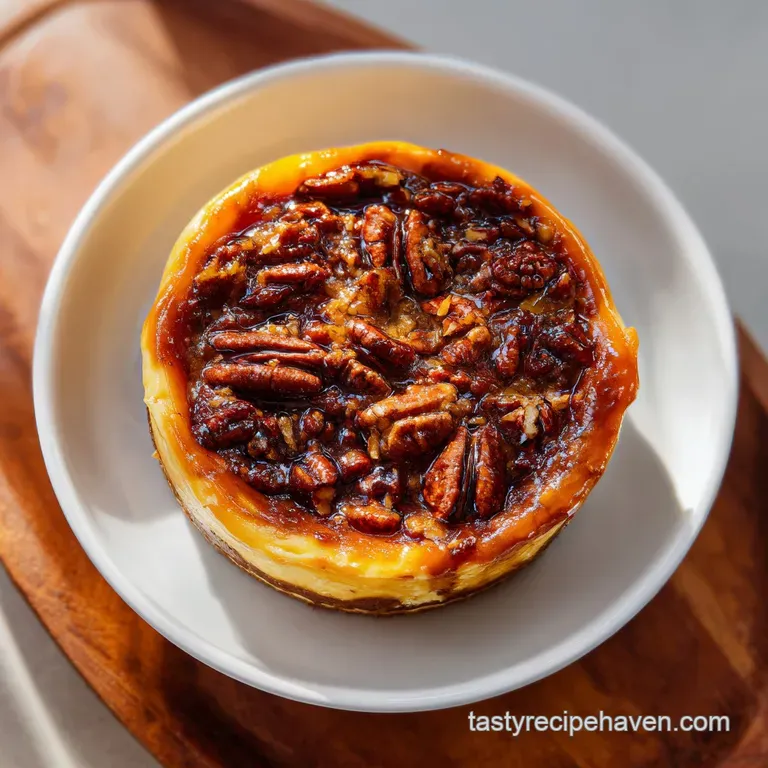
- Garnish and chill. Top with remaining caramel, toasted pecans, and chocolate melted with 1 tsp coconut oil until the surface is a mosaic of turtle flavors.
Correcting Texture and Surface Flaws
Why Your Cheesecake Surface Cracked
Cracks usually happen because of thermal shock or over incorporation of air. If the batter is whipped at high speed, air bubbles expand in the oven and collapse as they cool. Another culprit is a dry oven.
While I don't use a water bath, I do suggest placing a small pan of water on the bottom rack to create a humid environment.
| Problem | Root Cause | Solution |
|---|---|---|
| Surface Cracks | Rapid cooling or over mixing | Leave in oven with door cracked for 1 hour. |
| Lumpy Batter | Cold cream cheese | Use a microwave for 15 second bursts to soften. |
| Soggy Crust | Butter leakage | Wrap the exterior of the springform pan in foil. |
One of the biggest mistakes people make is not letting the cheesecake chill for a full 6 to 8 hours. The structure of a turtle cheesecake recipe actually changes in the fridge; the fats crystallize and the flavors meld.
Common Mistakes Checklist
- ✓ Always use room temperature ingredients (eggs, cream cheese, sour cream).
- ✓ Never skip toasting the pecans; raw pecans lack the "snap" needed for the topping.
- ✓ Tap the filled pan on the counter 5-10 times to release trapped air bubbles.
- ✓ Grease the sides of the springform pan so the cake can pull away freely as it shrinks.
Creative Variations and Flavor Swaps
If you want to move away from the classic profile, try a "Salted Bourbon" version. Adding 2 tablespoons of high-quality bourbon to the caramel sauce adds an adult, smoky depth that pairs beautifully with the chocolate. It transforms the dish from a childhood favorite into a sophisticated dessert.
For those who love a bit of heat, a "Mexican Chocolate" variation works wonders. Add half a teaspoon of cinnamon and a tiny pinch of cayenne pepper to the cookie crust. The subtle warmth from the spice cuts through the heavy fat of the cream cheese, making each bite feel a bit lighter.
| Servings | Ingredient Adjustments | Pan Size | Cook Time |
|---|---|---|---|
| 6 People | Halve all ingredients | 6 inch pan | 40 minutes |
| 12 People | Original Schema quantities | 9 inch pan | 55 minutes |
| 24 People | Double all ingredients | Two 9 inch pans | 55 minutes |
When scaling up, never try to bake a double batch in one giant pan. The heat won't penetrate the center before the edges burn. Stick to two separate pans for consistent results.
Longevity Rules and Resource Use
This cheesecake is a meal prep dream because it actually tastes better on day two. Keep it in the fridge, tightly wrapped in plastic or under a cake dome, for up to 5 days. Any longer and the crust will start to lose its "shatter" and become soft from the moisture in the filling.
For long term storage, you can freeze individual slices. Wrap each slice in parchment paper, then foil, and store in a freezer bag for up to 3 months. To thaw, just move a slice to the fridge the night before. Don't use a microwave to thaw it, or you'll end up with a puddle of melted fat.
- Pecan Dust
- Save the tiny fragments from the bottom of your pecan bag and stir them into your morning oatmeal or yogurt.
- Cookie Scraps
- If you have leftover cookie crumbs, they make an incredible topping for vanilla ice cream or a base for a quick chocolate milkshake.
- Caramel Dregs
- Rinse out the caramel jar with a little hot milk to make a DIY salted caramel latte.
Service Standards for Best Results
To get those magazine quality slices, you need a thin, sharp knife and a tall glass of hot water. Dip the knife in the water, wipe it completely dry with a clean towel, and make one single downward cut. Clean and reheat the knife between every single slice.
It sounds tedious, but it’s the only way to prevent the caramel and chocolate from dragging through the velvety white filling.
If you are serving this for a special occasion, plate it while cold but let the slices sit at room temperature for about 20 minutes before eating. Cold cheesecake is great, but slightly tempered cheesecake allows the butter in the crust and the fats in the filling to soften just enough to release their full flavor profile.
The "If You Want X, Do Y" Shortcut If you want a crunchier crust, bake the base for 15 minutes instead of 10. If you want a softer drizzle, increase the coconut oil in the chocolate to 2 teaspoons.
If you want a tarter filling, replace 1/4 cup of the sugar with an extra 1/4 cup of sour cream.
Kitchen Myths and Misconceptions
There is a long standing myth that you absolutely must use a water bath for any cheesecake. This isn't true. While a water bath provides a very gentle heat, you can achieve nearly identical results by using a lower oven temperature (325°F/160°C) and incorporating a source of moisture, like the sour cream in this recipe.
The sour cream acts as a buffer against high heat, keeping the proteins flexible.
Another misconception is that the "crust" should be hard. A perfect chocolate sandwich cookie base should have a firm "snap" when cold, but it should still be easy to cut through with the side of a fork. If your crust is like a brick, you likely used too much butter or pressed it down with too much force.
It should be compact, not compressed into a diamond.
Recipe FAQs
What are the ingredients in turtle cheesecake?
The core components are chocolate sandwich cookie crumbs for the crust, full fat cream cheese, sour cream, eggs, salt caramel sauce, and toasted pecans. The recipe relies on these rich components to achieve its signature dense, velvety texture, often topped with a final chocolate drizzle.
What is the 3 ingredient cheesecake?
No, this recipe is complex and requires more than three ingredients. The '3 ingredient cheesecake' usually refers to a vastly simplified version using only cream cheese, eggs, and sugar, which yields a much lighter texture.
Why is it called turtle cheesecake?
It is named for the classic turtle candy combination of chocolate, caramel, and pecans. These three distinct flavors are layered throughout the filling and topping to mimic that iconic flavor profile.
What was Frank Sinatra's favorite cheesecake?
This specific preference is not documented, but Sinatra famously loved New York style cheesecake. New York style emphasizes density and a high fat content, which is the goal of this rich turtle recipe, similar to the texture achieved in our Snicker Apple Salad Recipe.
How to prevent the cheesecake from cracking during cooling?
Turn the oven off immediately after baking and leave the cake inside with the door slightly ajar for one hour. This gradual temperature decrease prevents the filling from shrinking too quickly against the crust, a critical step in thermal stability.
Can I substitute Neufchatel cheese for cream cheese in this recipe?
Yes, but you must anticipate a softer final texture. Neufchatel has less fat than full fat cream cheese, so the structure will be less dense, similar to the lighter style achieved in No Bake Pumpkin recipe for bars.
How do I get the chocolate drizzle to set with a perfect shine?
Melt the chocolate with a small amount of coconut oil over very low heat, ensuring it never exceeds 100°F (38°C). The coconut oil acts as a temporary fat extender, promoting gloss and a clean snap when chilled.
Velvety Turtle Cheesecake Recipe