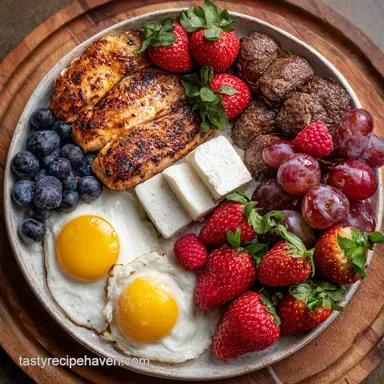
Meat Platter Idea with Assorted Cold Cuts

- Time: Active 25 minutes, Passive 0 minutes, Total 25 minutes
- Flavor/Texture Hook: Silky cured meats paired with snappy radishes
- Perfect for: Stress free hosting and beginner friendly entertaining
- Meat Platter Idea with Assorted Cold Cuts for Your Next Party
- The Science of Balanced Salt and Fat
- Component Analysis for Better Plating
- The Essential Elements for Success
- Step-by-Step Preparation and Plating Flow
- Solving Common Meat Platter Assembly Issues
- Variations of This Meat Platter Recipe
- Scaling for Large Gatherings
- Misconceptions About Cured Meats
- Storing Your Meat Platter Leftovers Correctly
- High in Sodium
- Recipe FAQs
- 📝 Recipe Card
Meat Platter Idea with Assorted Cold Cuts for Your Next Party
I still remember the first time I tried to put together a spread for a housewarming. I basically dumped three packs of supermarket ham onto a plate and called it a day. It looked flat, gray, and honestly, a bit depressing.
Nobody touched it, and I spent the rest of the night wondering why my "charcuterie" looked like a sad school lunch. Since then, I’ve learned that a great platter isn't about how much you spend, but how you handle the ingredients.
This meat platter recipe, featuring assorted cold cuts, will be the star of your next party. It is built on a foundation of manageable steps and pantry based accents that turn basic deli slices into something that looks like it cost a fortune.
We’re going to focus on texture and "the fold" to make sure your guests aren't just eating meat, but having a proper culinary experience.
We've all been there where the host is stuck in the kitchen while everyone else is laughing in the living room. My goal with this plan based execution is to get you out of the kitchen in 25 minutes flat.
By following a specific prep flow, you’ll have a gorgeous, professional looking board ready before the first guest even rings the doorbell. Trust me, the secret is all in the preparation order.
The Science of Balanced Salt and Fat
Lipid Palatability: High fat cold cuts like salami release aromatic compounds more effectively when they reach room temperature, enhancing the overall flavor profile.
Osmotic Preservation: The salt used in curing these meats draws out moisture, which creates that characteristic dense, silky texture we love in bresaola and prosciutto.
Mastering Structural Integrity
When you lay meat flat, it loses its "shatter" factor. By folding or rolling, you create air pockets that make the meat feel lighter and more velvety on the tongue. It also prevents the slices from sticking together in a single, unmanageable clump.
Optimizing Temperature Control
Fat is the carrier of flavor, but cold fat is waxy. If you serve these meats straight from the fridge, you miss out on the subtle notes of the honey glaze or the black pepper. Letting the platter sit for about 10 minutes before serving allows those lipids to soften just enough.
| Servings | Ingredient Adjustments | Board Size | Prep Time |
|---|---|---|---|
| 6 People | Halve all meat quantities | Small cutting board | 15 minutes |
| 12 People | Use full Schema quantities | 18 inch round platter | 25 minutes |
| 24 People | Double all meats and radishes | Two large rectangular trays | 45 minutes |
Choosing the right board size is just as important as the meat itself. If your board is too big, the spread looks sparse and lonely. If it’s too small, everything gets squished and the flavors start to bleed into each other in a way that isn't particularly appetizing.
Component Analysis for Better Plating
Understanding the role of each item helps you troubleshoot on the fly. If you're out of one thing, you can easily swap it for something with a similar "job" on the board. We aren't just tossing things on a tray, we're building a flavor map.
| Component | Science Role | Pro Secret |
|---|---|---|
| Prosciutto di Parma | Salt/Fat Balance | Drape it loosely to maximize surface area for salt release. |
| Whole Grain Dijon | Acidic Cleanser | The vinegar cuts through the "coating" feeling of fatty salami. |
| Fresh Radishes | Textural Contrast | Provides a peppery "snap" that refreshes the palate between bites. |
The radishes are a non negotiable for me because they offer a watery crunch that you just can't get from meat or cheese. They act as a palate cleanser so that every slice of that smoked turkey breast tastes as vibrant as the first one.
The Essential Elements for Success
You don't need a pantry full of exotic imports to make this work. Most of these are likely already in your fridge or easily found at the local deli counter. Using a variety of shapes and textures is what keeps the board from looking monotonous.
- Rare roast beef (250g): Thinly sliced. Why this? Provides a hearty, umami rich base that appeals to traditional meat lovers.
- Smoked turkey breast (250g): Honey glazed. Why this? Adds a subtle sweetness and a lighter protein option for balance.
- Lean Black Forest ham (200g):Why this? The smoky edge complements the sweeter turkey perfectly.
- Prosciutto di Parma (150g):Why this? The ultimate silky, salty luxury item that defines a good platter.
- Peppered salami (100g):Why this? Adds a spicy kick and a firm, chewy texture.
- Bresaola (100g): Ultra thin. Why this? Lean, air dried beef that offers a deep, concentrated flavor.
- Cornichons (120g):Why this? Essential acidity to break up the richness of the cured fats.
- Kalamata olives (100g): Pitted. Why this? Briny notes that bridge the gap between meat and vegetables.
- Fresh radishes (1 bunch): Halved.
- Whole grain Dijon mustard (2 tbsp):
- Fresh rosemary (1 sprig): For aromatics and garnish.
If you find yourself missing the bresaola, don't panic. You can easily pivot to another cured beef or even a double portion of the roast beef if needed. The key is maintaining that balance of textures. This reminds me of the strategy I use in my New Years Eve recipe where the crust provides all the character.
Step-by-step Preparation and Plating Flow
- Prep the accents. Halve the radishes and drain the cornichons and olives. Note: Excess moisture from pickles will make your meat soggy.
- Anchor the sauces. Place two small bowls for the Dijon mustard and olives on opposite sides of the board. Note: These act as structural "anchors" for the meat piles.
- Fold the roast beef. Take a slice of rare roast beef and fold it into thirds, then roll loosely. until it looks like a soft ribbon.
- Create turkey fans. Fold the honey glazed turkey breast slices in half and overlap them in a semi circle. until they resemble a deck of cards.
- Ribbon the ham. Pinch the center of each Black Forest ham slice and twist slightly. until you have a textured mound.
- Drape the prosciutto. Lift each slice of Prosciutto di Parma and let it fall naturally onto the board. until it forms a delicate, airy pile.
- Stack the salami. Shingle the peppered salami slices in a long, curving line. until it creates a "river" through the center.
- Layer the bresaola. Place the ultra thin bresaola slices in small clusters near the mustard. until they appear almost translucent.
- Fill the gaps. Tightly tuck the radishes and cornichons into any empty spaces. until no wood is visible on the board.
- Garnish and serve. Strip a few leaves from the rosemary sprig and scatter them over the beef. until the aroma is subtle but present.
Preparing the Canvas
Always start with your bowls. If you try to add the olives at the end, you'll find yourself moving meat around and ruining those beautiful folds you just worked so hard on. The bowls are your North Star.
Folding for Volume
The biggest mistake people make is laying meat flat. Flat meat is boring. By folding, you're creating height. Think of it like ruffles on a dress; you want movement and shadows. This technique is similar to how I handle the components in my Meatball Recipe Without Breadcrumbs, where texture is the priority over fillers.
Solving Common Meat Platter Assembly Issues
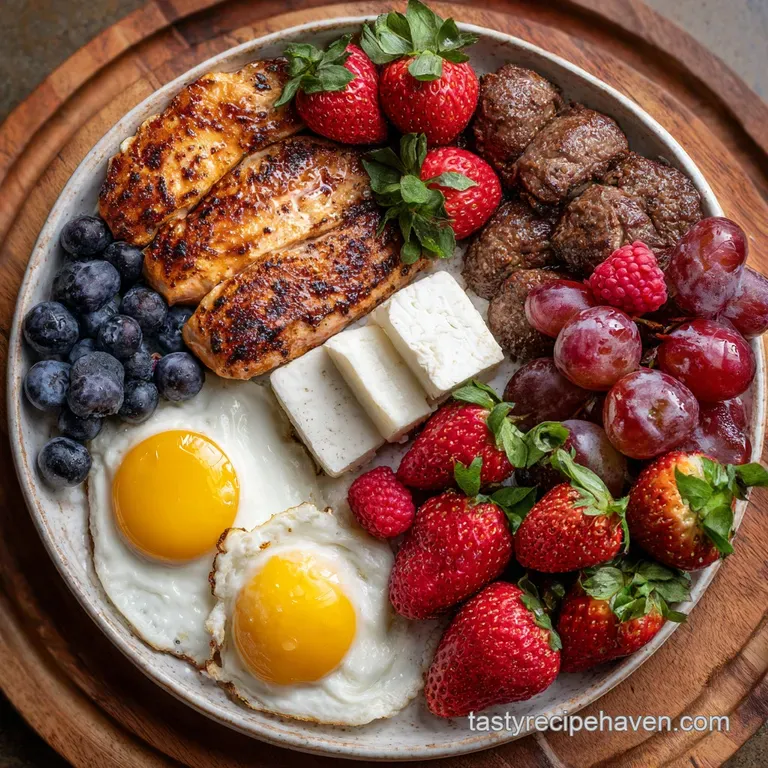
Sometimes things don't go according to plan. Maybe the deli sliced your ham too thick, or the prosciutto is sticking together like glue. Don't let it ruin your hosting vibe. Most of these issues are easily fixed with a few quick adjustments.
Preventing Sweaty Slices
If you prep the board too early and leave it on the counter, the fats will begin to weep, creating a "sweaty" look. This is especially true for salami and prosciutto. Keep the board tightly wrapped in the fridge until 10 minutes before the party starts.
Avoiding Flavor Overlap
When the juice from the pickles touches the roast beef, it can turn the meat a weird color and change the flavor. I always suggest patting your "wet" items (olives, pickles) dry with a paper towel before they ever hit the board.
| Problem | Root Cause | Solution |
|---|---|---|
| Meat is sticking together | Sliced too thin or too warm | Use a butter knife to gently lift edges while cold. |
| Board looks "flat" | Meat laid horizontally | Use the "pinch and pile" method to create height. |
| Pickles making meat soggy | Residual brine | Drain and pat dry with paper towels before plating. |
Common Mistakes Checklist
- ✓ Forgetting to take the meat out 10 minutes early (cold fat tastes dull).
- ✓ Crowding the wet ingredients next to the dry crackers (if using).
- ✓ Not varying the folding techniques (makes the board look repetitive).
- ✓ Using a board that is too large for the amount of meat.
- ✓ Leaving the olives with pits (can be a hazard for guests).
Variations of This Meat Platter Recipe
If you want to change things up based on your guests' preferences, it’s easy to swap items. If you want a leaner board, increase the bresaola and turkey. If you want something more indulgent, add some high fat mortadella with pistachios.
| Original Ingredient | Substitute | Why It Works |
|---|---|---|
| Prosciutto di Parma | Serrano Ham | Similar saltiness but has a slightly firmer, nuttier bite. |
| Peppered Salami | Chorizo | Swaps black pepper heat for smoky paprika notes. |
| Cornichons | Pickled Onions | Provides the same acidic "pop" but with a sweeter finish. |
If you want to keep it strictly Keto friendly, just ensure your honey glazed turkey doesn't have too much added sugar, or swap it for a cracked pepper turkey. For a nitrate free version, look for "uncoated" or "naturally cured" meats which use celery powder instead of synthetic nitrates.
Chef's Note: If your prosciutto is sticking together, place the whole package in the freezer for exactly 5 minutes. The fat will firm up just enough to let you peel the slices apart without tearing them.
Scaling for Large Gatherings
When you're scaling up for 24 or more people, don't just buy more of the same six meats. That can get overwhelming to prep. Instead, I suggest doubling the "foundation" meats (turkey and ham) and keeping the specialty meats (prosciutto and bresaola) at a premium.
For smaller groups of 4 or 6, you can easily halve the recipe. However, instead of buying 50g of six different meats, buy 100g of three different meats. It’s much easier for the deli counter person and reduces the amount of packaging waste you'll have to deal with.
Misconceptions About Cured Meats
One big myth is that "expensive meat equals a better board." Honestly, some of my most complimented platters used standard supermarket brands that I just happened to fold beautifully and pair with really crisp radishes. It's the contrast that people enjoy, not just the price tag.
Another misconception is that you need a wooden board. I've served this on marble slabs, ceramic platters, and even a clean slate tile from a hardware store. As long as it's food safe, the "canvas" doesn't matter nearly as much as the arrangement of the colors.
Storing Your Meat Platter Leftovers Correctly
If you have leftovers, don't just throw the whole board back in the fridge. The meats will dry out and the radishes will lose their snap. I recommend separating the items into airtight containers. The meats will stay good for about 3 to 5 days in the fridge.
For zero waste tips, take any leftover meat scraps and chop them up for a morning omelet or a hearty pasta sauce. Those little ends of salami and prosciutto are flavor bombs for a carbonara. The leftover radish greens can even be pulsed into a quick pesto if they’re still fresh!
Chef's Tip: Never freeze a fully assembled platter. The texture of the radishes and olives will be ruined by ice crystals. If you must freeze the meat, do it in individual portions wrapped tightly in plastic wrap for up to 2 months.
The beauty of this Meat Platter Idea with Assorted Cold Cuts for Your Next Party is that it adapts to you. Whether it's a casual Sunday football game or a fancy holiday gathering, these principles of folding and balancing flavors remain the same.
Just remember to keep the wet things away from the dry things, and you'll be the hero of the appetizer table every single time.
High in Sodium
833 mg mg of sodium per serving (36% % of daily value)
The American Heart Association recommends limiting sodium intake to about 2,300mg per day.
Tips to Reduce Sodium in Your Charcuterie Board
-
Swap High Sodium Meats-25%
Replace the Prosciutto di Parma, peppered salami, and Black Forest ham with lower sodium options like fresh, unseasoned roasted chicken or turkey breast. This can significantly reduce the sodium content.
-
Rinse or Reduce Olives-20%
Kalamata olives are high in sodium due to the brining process. Rinse them thoroughly before serving, or reduce the portion size by half. Consider using a small amount of oil-cured olives instead.
-
Limit Pickled Items-15%
Cornichons are preserved in a salty brine. Reduce the amount you serve, or look for low-sodium pickled vegetables or simply add some extra radishes.
-
Consider Uncured Options-10%
When purchasing meats, check the packaging for “uncured” options which typically contain less sodium because they use celery powder (naturally occurring nitrates) instead of sodium nitrate or nitrite. Look for it in the bresaola and ham.
-
Spice It Up!
Use fresh herbs like rosemary, thyme, and oregano to add flavor without adding sodium. Experiment with different herb combinations to enhance the taste of your charcuterie board.
Recipe FAQs
How to roll cold cuts for a platter?
Fold slices into thirds, then roll loosely into a ribbon. This creates volume and a visually appealing texture. Experiment with different folding styles for variety, similar to how you might arrange components for a balanced plate in a Steak Hibachi Recipe: Searing Sear in 30 Mins.
How to serve deli meat at a party?
Arrange folded or rolled slices artfully on a platter with accompaniments. The key is to create height and visual interest, making the meat the star. Consider pairing with sharp cheeses and acidic pickles to cut through the richness.
What goes on a cold cut platter?
Assorted cold cuts, cornichons, olives, and fresh radishes are essential. Aim for a variety of textures and flavors, from salty prosciutto to peppery salami and crisp radishes. This combination ensures a balanced palate with every bite, much like the diverse flavor profiles in a New Years Eve Food Idea You Have to Try This: 20 Min.
How to display deli meat on charcuterie board?
Fold or roll each type of deli meat differently and arrange them in clusters. Create visual interest by varying the shapes and heights, tucking in accompaniments like cornichons and olives to fill gaps. The goal is an abundant yet organized look.
Can I use pre-sliced meats or should I slice them myself?
Pre-sliced meats are perfectly fine for convenience. While slicing yourself allows for thicker cuts, good quality pre-sliced deli meats fold beautifully and save significant prep time. The folding technique is more crucial than the slicing method for presentation.
How far in advance can I assemble a cold cut platter?
Assemble it about 10-15 minutes before serving. Preparing too far ahead can cause the meats to dry out or the fats to "sweat." For earlier prep, keep components separate and assemble just before guests arrive to maintain freshness and visual appeal.
How do I prevent deli meats from drying out on the platter?
Keep the platter covered and chilled until 10-15 minutes before serving. Exposing the meats to air for extended periods at room temperature causes them to dry out and lose their appealing texture. This short resting period allows fats to soften without compromising freshness.
Meat Platter Idea