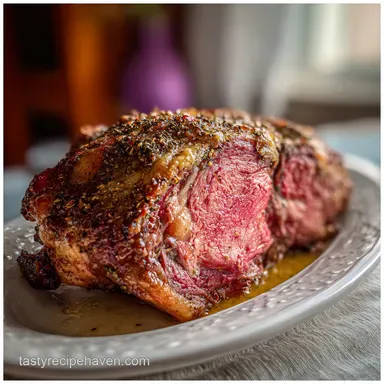
New Years Eve Meal Idea with Roasted Prime Rib
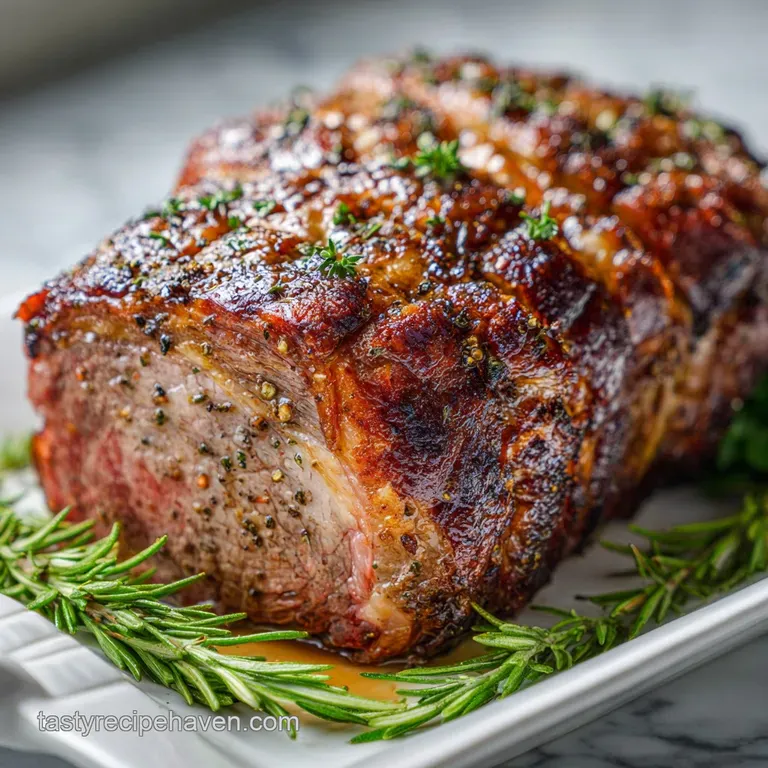
- Time: Active 30 minutes, Passive 3 hours 30 mins, Total 4 hours
- Flavor/Texture Hook: Silky, melt in-your mouth beef with a crackling herb crust
- Perfect for: A high end holiday celebration or an intimate New Year's dinner
- New Years Eve Meal Idea with Roasted Prime Rib
- Key Specs for Success
- Selecting Your Prime Components
- Essential Tools for Roasting
- Roasting Your Holiday Centerpiece
- Fixing Common Beef Blunders
- Flavorful Swaps and Variations
- Storing and Warming Your Meat
- Serving Your Festive Feast
- Crucial Meat Roasting Facts
- Recipe FAQs
- 📝 Recipe Card
Can you smell it yet? That heady, intoxicating mix of sizzling beef fat, toasted rosemary, and sharp garlic wafting through the house is basically the scent of a celebration. This New Years Eve, impress your guests with a show stopping roasted prime rib meal.
It looks like it belongs in a five star steakhouse, but between us, the oven does most of the heavy lifting while you sip champagne.
The secret is all in the patience. I used to think you needed a over high heat blast to "seal in juices," but I ended up with a gray, rubbery ring around a cold center. Now, I stick to the low and slow method.
It guarantees a velvety texture from the first bite to the last, making every penny spent on that 8 lb standing rib roast worth it.
Honestly, the first time I tackled a roast this size, I was terrified I'd ruin it. But once I learned the science of the "reverse sear," everything changed. This isn't just a recipe, it's a foolproof way to ensure your kitchen doesn't become a high stress zone ten minutes before the ball drops.
We want that deep, mahogany crust and a center that cuts like butter.
New Years Eve Meal Idea with Roasted Prime Rib
The Science of Why it Works
Enzymatic Tenderization: Holding the beef at a low temperature for a long duration allows naturally occurring enzymes (cathepsins) to break down tough connective tissues.
The Maillard Reaction: A final over high heat blast triggers a chemical reaction between amino acids and sugars, creating that savory, browned crust we crave.
Chef's Tip: For a crust that truly shatters, leave your roast uncovered in the fridge for 24 hours before cooking. This dehydrates the surface skin, leading to a much faster and more intense sear.
Component Deep Dive
| Ingredient | Science Role | Pro Secret |
|---|---|---|
| 8 lb standing rib roast | Fat marbling provides insulation | Buy "choice" or "prime" for the best fat to meat ratio |
| 3 tbsp Kosher salt | Denatures proteins to hold moisture | Apply early to deep season the interior muscle |
| 0.5 cup unsalted butter | Acts as a vehicle for fat soluble herbs | Use room temp butter for a thick, paintable paste |
| 1 tbsp Dijon mustard | Acts as an emulsifier for the crust | Mustard helps the herbs stick without sliding off |
The 3 tbsp Kosher salt does more than just season; it acts as a dry brine that pulls moisture into the meat fibers. When combined with the 2 tbsp coarsely cracked black pepper, you get a bite that is balanced and punchy.
Key Specs for Success
Managing a roast of this size requires a bit of math and a lot of trust in your thermometer. Since we are dealing with a bone in 8 lb standing rib roast, the bones actually act as a natural insulator, keeping the meat closest to them incredibly juicy.
| Method | Cook Temp | Resulting Texture |
|---|---|---|
| Classic (High Heat Start) | 425°F then 325°F | Large gray band of overcooked meat |
| Fast (Constant High) | 375°F | Toughened proteins, uneven doneness |
| Reverse Sear (This Recipe) | 225°F then 500°F | Perfect edge to edge pink, tender center |
Wait for the sizzle when you do the final blast. The fat cap should be bubbling and golden. If you're nervous about the timing, remember that beef is much more forgiving when cooked slowly than when blasted with intense heat.
Selecting Your Prime Components
You'll need a few high-quality basics to make this work. We are using a 3 to 4 bone roast, which is the sweet spot for a party of nine. Make sure the fat cap is intact; that’s where the flavor lives.
- 8 lb standing rib roast: Look for even marbling. Why this? Bones add flavor and protect the meat from overcooking.
- 3 tbsp Kosher salt: I prefer Diamond Crystal. Why this? Flaky salt sticks better and is less "salty" by volume than table salt.
- 2 tbsp coarsely cracked black pepper: Grind it fresh. Why this? Pre ground pepper tastes like dust; fresh has floral heat.
- 0.5 cup unsalted butter: Softened. Why this? It creates a fatty barrier that browns beautifully in the oven.
- 6 cloves garlic: Minced into a fine paste.
- 2 tbsp fresh rosemary: Finely chopped.
- 2 tbsp fresh thyme: Finely chopped.
- 1 tbsp Dijon mustard: Smooth style.
| Original Ingredient | Substitute | Why It Works |
|---|---|---|
| 0.5 cup unsalted butter | Beef tallow or duck fat | Adds an even deeper, meatier richness to the crust |
| 2 tbsp fresh rosemary | 2 tsp dried rosemary | Dried is more potent, so use less to avoid a soapy taste |
| 1 tbsp Dijon mustard | Prepared horseradish | Adds a spicy, sinus clearing kick that cuts through fat |
If you decide to swap the butter for tallow, you'll find the crust becomes incredibly crispy, almost like a steakhouse finish. It’s a trick I learned when I ran out of butter during a blizzard one year.
Essential Tools for Roasting
You don't need a professional kitchen, but a few specific items are non negotiable for this New Years Eve meal idea with roasted prime rib. A heavy roasting pan with a wire rack is your best friend here. The rack allows air to circulate under the meat, preventing the bottom from steaming in its own juices.
Most importantly, you need a reliable digital probe thermometer. In oven probes are great because they alert you exactly when the center hits 120°F without you having to open the door and let heat escape.
A sharp carving knife is also essential; a dull blade will tear the beautiful grain of the meat instead of slicing through it like silk.
Roasting Your Holiday Centerpiece
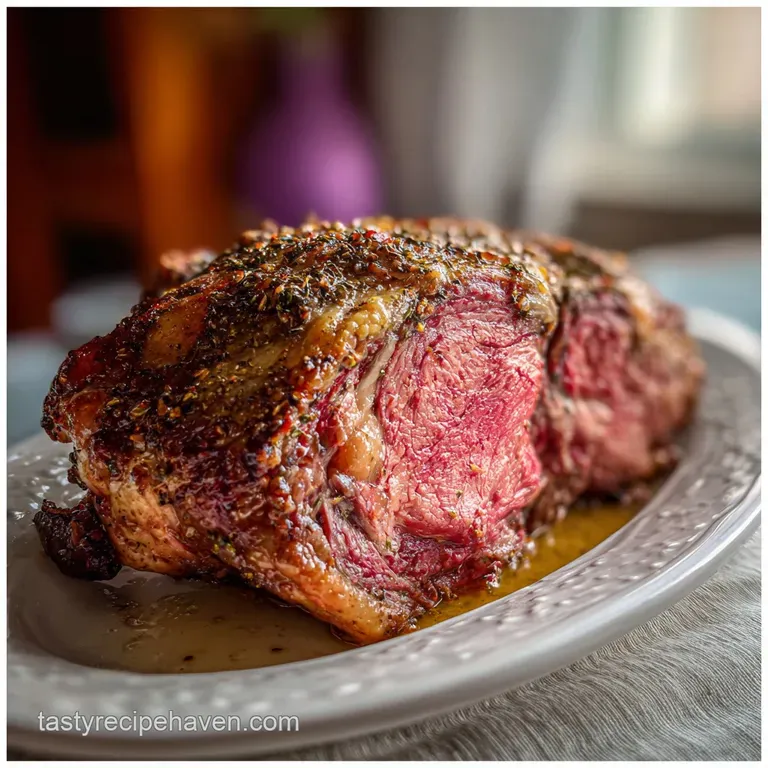
- Prep the meat. Pat the 8 lb standing rib roast bone in dry with paper towels. Note: Surface moisture is the enemy of a good crust.
- Season early. Rub the 3 tbsp Kosher salt and 2 tbsp coarsely cracked black pepper all over the beef.
- Make the paste. Mix the 0.5 cup unsalted butter, 6 cloves garlic, 2 tbsp fresh rosemary, 2 tbsp fresh thyme, and 1 tbsp Dijon mustard in a small bowl until smooth.
- Coat the roast. Slather the herb butter over the fat cap and the ends of the roast. Note: This creates a flavorful insulation layer.
- Start the slow cook. Place the roast on a rack in a pan and bake at 225°F until the internal temperature hits 120°F.
- Rest the beef. Remove from the oven and tent loosely with foil for 30 minutes. Note: This allows juices to redistribute so they don't run out when sliced.
- Crank the heat. While the meat rests, turn your oven up to 500°F.
- The final sear. Put the roast back in the oven for 6-10 minutes until the exterior is dark brown and crackling.
- Carve it up. Slice against the grain into thick slabs. Note: Cutting against the grain ensures maximum tenderness in every bite.
Chef's Tip: Add 1 tsp of espresso powder to your herb butter paste. You won't taste coffee, but it deepens the earthy notes of the beef and helps the crust darken more quickly.
Fixing Common Beef Blunders
The biggest fear with prime rib is usually hitting that perfect pink center. If you find yourself in a pinch, don't panic. Most roasting issues are easily solved if you catch them early enough.
Managing the Internal Temperature
If your roast is cooking too fast, lower the oven temperature to 200°F. The slower it goes, the more even the color will be. If it’s taking too long and guests are hungry, you can bump it to 250°F, but watch that thermometer like a hawk.
Carryover cooking will typically raise the temp by another 5-10°F while it rests.
| Problem | Root Cause | Solution |
|---|---|---|
| Meat is gray and dry | Oven was too hot initially | Use the low temp reverse sear method next time |
| Crust is pale and soft | Too much surface moisture | Pat meat dry and leave uncovered in fridge overnight |
| Fat hasn't rendered | Heat wasn't high enough during final sear | Ensure oven hits a true 500°F before the final blast |
Remember, a rest is mandatory. If you cut into the roast immediately, you'll lose all that velvety moisture, and the meat will turn tough within minutes.
Flavorful Swaps and Variations
If you want to move away from the traditional herb crust, you can lean into different flavor profiles. Some people love a heavy garlic presence, while others prefer a more peppery "Montreal" style rub. You can even try a Low Key Fancy recipe approach by basting the roast with extra garlic butter during the final minutes.
Creating a Custom Rub
- Porcini Rub: Grind dried porcini mushrooms into a powder and mix with the salt for an umami bomb.
- Horseradish Crust: Add 2 tbsp of prepared horseradish to the butter mixture for a sharp, classic pairing.
- dairy-free: Swap the butter for extra virgin olive oil or high-quality lard to keep it lactose free without losing the texture.
Decision Shortcut
- If you want a thick, crunchy bark, use a dry rub of salt, pepper, and garlic powder 24 hours in advance.
- If you want a juicy, herb forward bite, stick to the softened butter and fresh herbs paste.
- If you want a smoky profile, add 1 tsp of smoked paprika to your seasoning mix.
Storing and Warming Your Meat
Prime rib is a massive investment, so don't let the leftovers go to waste. Store any remaining beef in an airtight container in the fridge for up to 4 days. For zero waste, save the bones! They make an incredible beef stock or can be simmered with onions and red wine for a rich French onion soup base.
To reheat without losing that pink center, place a slice in a baking dish with a splash of beef broth, cover with foil, and warm at 250°F until just heated through. Avoid the microwave at all costs, as it will turn your beautiful medium rare beef into a rubbery disappointment.
You can also freeze sliced portions for up to 2 months, though the texture is always best when fresh.
Serving Your Festive Feast
Presentation is half the fun on New Year's Eve. Place the whole roast on a large wooden board decorated with fresh sprigs of rosemary and thyme. I love serving this alongside a Garlic shrimp crostini to give guests a "surf and turf" experience right at the start of the meal.
For sides, think of things that can soak up the jus. A creamy horseradish sauce, some garlic mashed potatoes, or even a simple New Year s recipe for roasted root vegetables will round out the plate beautifully. The contrast between the rich, fatty beef and a zesty, bright side dish is what keeps people coming back for seconds.
Crucial Meat Roasting Facts
One big myth is that you should bring the meat to room temperature before cooking. With an 8 lb roast, it would take nearly 10 hours for the center to warm up, which isn't safe.
It's perfectly fine to put a cold roast into a low temperature oven; in fact, it often helps the center stay pinker for longer.
Another misconception is that the bones are just for show. While they look impressive, they also act as a heat shield. This is why the meat right against the bone is often the most tender and flavorful part of the entire roast.
If you're nervous about carving, you can actually cut the bones off before roasting and then tie them back on with kitchen twine. This gives you the flavor benefits but makes the final slicing a breeze!
Recipe FAQs
What's a good side dish with prime rib?
Creamy horseradish sauce and garlic mashed potatoes are classic pairings. They beautifully complement the richness of the prime rib and can soak up any delicious jus. For a lighter option, consider roasted root vegetables or a bright salad.
What is the traditional dinner for New Year's Eve?
Prime rib is a popular, celebratory choice for New Year's Eve. While traditions vary, a decadent roast like prime rib signifies a special occasion and a luxurious start to the new year. It pairs well with festive dishes like champagne cocktails and sparkling desserts.
What goes well with a prime rib Christmas dinner?
Creamy mashed potatoes and roasted Brussels sprouts are fantastic with prime rib. These hearty, comforting sides balance the richness of the beef. You can also opt for Yorkshire pudding or a simple gravy to enhance the flavors.
What is the 500 rule for prime rib?
Yes, the 500-degree sear is a key part of the reverse sear method. You start by roasting the prime rib at a low temperature (around 225°F) until it's almost done, then crank the oven to 500°F for a final blast to create a delicious, crispy crust.
Can I substitute butter in the herb crust for prime rib?
Yes, beef tallow or duck fat can be substituted for butter. These fats will create an even richer, meatier crust, similar to what you'd find at a high end steakhouse. If you enjoyed controlling the fat content in this recipe, you might also like experimenting with different fat bases in our EASY New Years Appetizer Recipe with Garlic and Herbs seriously: Quick Bites.
Is it true that I shouldn't bring prime rib to room temperature before cooking?
Yes, this is a common misconception. For a large roast like prime rib, it's actually safer and more effective to cook it directly from cold. Allowing it to come to room temperature for hours isn't safe, and cooking it cold helps achieve a better edge-to-edge pink center.
What's a good New Year's Eve appetizer to serve with prime rib?
A Beautiful New Years Eve Charcuterie Board with Sparkling Grapes is a fantastic choice. It's visually appealing, offers a variety of flavors to complement the rich prime rib, and sets a festive tone for the evening. It's a perfect way to start a celebratory meal.
New Years Eve Prime Rib