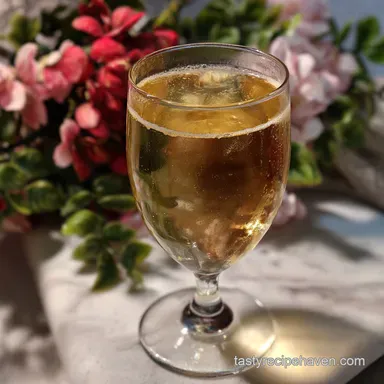
Botanical Toast
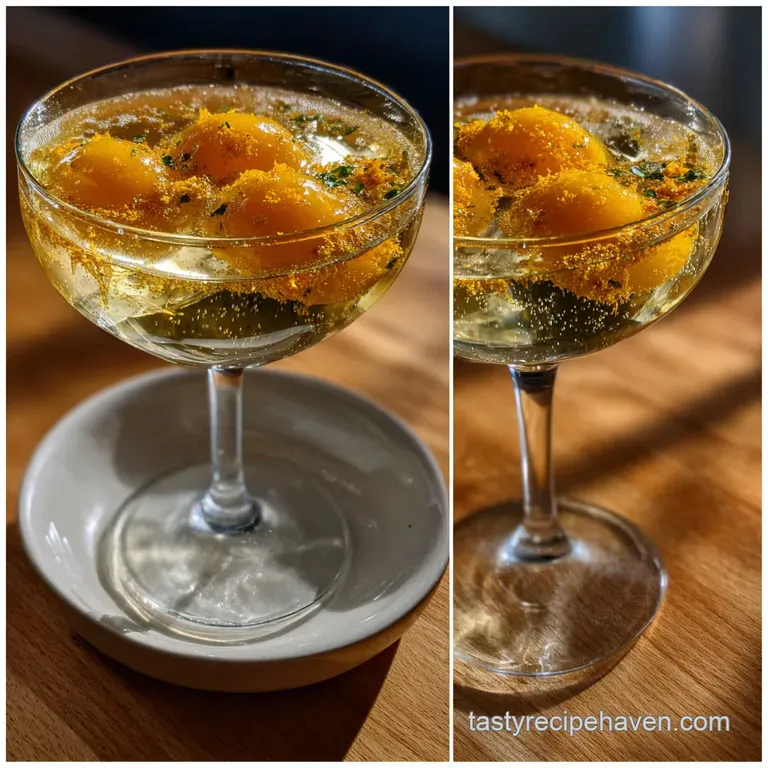
- Time: Active 5 minutes, Passive 0 minutes, Total 5 minutes
- Flavor/Texture Hook: Crisp, effervescent, and aromatic with a slow-release sweetness
- Perfect for: Elegant New Year's Eve celebrations and sophisticated brunch gatherings
- Master the Ultimate New Years Cocktail with Champagne
- The Science of Why it Works
- Component Analysis
- Precise Measurements for Festive Success
- Basic Tools for Elevated Home Mixing
- Crafting the Perfect Fizzy Celebration Drink
- Troubleshooting Common Flavor and Fizz Problems
- Customizing Your Drink for Individual Tastes
- Batch Expansion Logic
- Storing Ingredients and Reducing Bar Waste
- Presentation Styles for Your Midnight Toast
- Recipe FAQs
- 📝 Recipe Card
Master the Ultimate New Years Cocktail with Champagne
Nothing signals a celebration quite like the sharp crack of a chilled bottle and the steady hiss of rising bubbles. I have found that most holiday parties fall into the trap of serving lukewarm sparkling wine that loses its life before the clock strikes twelve.
This New Years Cocktail with Champagne transforms a standard glass of bubbly into a multi sensory experience that evolves as you sip it.
We are building a drink that relies on physics and chemistry to maintain its sparkle. By introducing a solid sugar cube into the glass, we create thousands of tiny nucleation points. These rough surfaces force the dissolved carbon dioxide to release slowly and steadily.
The result is a drink that stays lively and "dancing" much longer than a plain glass of sparkling wine.
I love this recipe because it is budget smart yet feels incredibly high end. You don't need the most expensive bottle on the shelf to achieve professional results. Instead, we use bitters and a small "backbone" of spirit to provide structure.
This masks any sharp edges in more affordable Brut bottles while adding a mahogany colored depth that looks stunning under party lights.
The Science of Why it Works
Nucleation Mechanics: The crystalline surface of the sugar cube acts as a nucleation site, triggering a continuous stream of carbon dioxide bubbles (effervescence) that carries aromatics to the nose.
Solvency and Extraction: The ethanol in the gin or cognac quickly dissolves the limonene (essential oils) from the lemon zest strip, providing a bright, top-note fragrance that cuts through the heavy wine base.
Component Analysis
| Ingredient | Chemical/Physical Role (Science) | The Pro Secret (Why This Matters) |
|---|---|---|
| Brut Champagne | High acidity and dissolved CO2 | Acid balances the sugar cube, while bubbles lift aromatic oils to the surface. |
| Angostura Bitters | Cinchona bark and spice infusion | Acts as a "flavor binder," bridging the gap between dry wine and sweet sugar. |
| Sugar Cube | Solid state carbonation catalyst | Unlike syrup, the cube dissolves slowly, preventing a cloying sugar rush and maintaining bubbles. |
| Lemon Zest | Essential oil (Limonene) release | Expressing the oils over the glass adds a sensory "hook" before the first sip. |
Precise Measurements for Festive Success
When I first started making these, I used to just "eyeball" the bitters. I quickly realized that precision is the difference between a balanced drink and one that tastes like medicine. Stick to these exact proportions for a reliable result every time.
- 1 white or demerara sugar cubeWhy this? Provides the necessary rough texture for sustained nucleation.
- 4 dashes Angostura aromatic bittersWhy this? Complex botanical notes create a mahogany hue and depth.
- 0.5 oz gin or cognacWhy this? Adds a high proof "backbone" to stabilize the wine's flavor.
- 5 oz Brut Champagne, chilledWhy this? Low residual sugar prevents the cocktail from becoming too sweet.
- 1 large strip of lemon zestWhy this? Essential oils provide a bright, clean aromatic finish.
Chef's Tip: Freeze your gin or cognac for 20 minutes before mixing. The colder the spirit, the less it will shock the carbonation in the champagne, leading to a much smoother pour.
Basic Tools for Elevated Home Mixing
You do not need an entire Bar Recipe kit to pull this off, but a few specific tools will ensure your Cocktail with Champagne looks as good as it tastes. For a New Years Cocktail, presentation is half the battle.
- Champagne Flute or Coupe: A tall, narrow flute preserves carbonation by minimizing surface area. A wide coupe offers a vintage aesthetic but releases bubbles faster.
- Y-Peeler or Channel Knife: Used to get a wide, clean strip of lemon zest without the bitter white pith.
- Jigger: Essential for measuring the 0.5 oz of spirit. Precision matters when working with such small volumes.
- Bar Spoon: Only if you need to gently nudge a stubborn sugar cube, though I prefer letting it dissolve naturally.
Crafting the Perfect Fizzy Celebration Drink
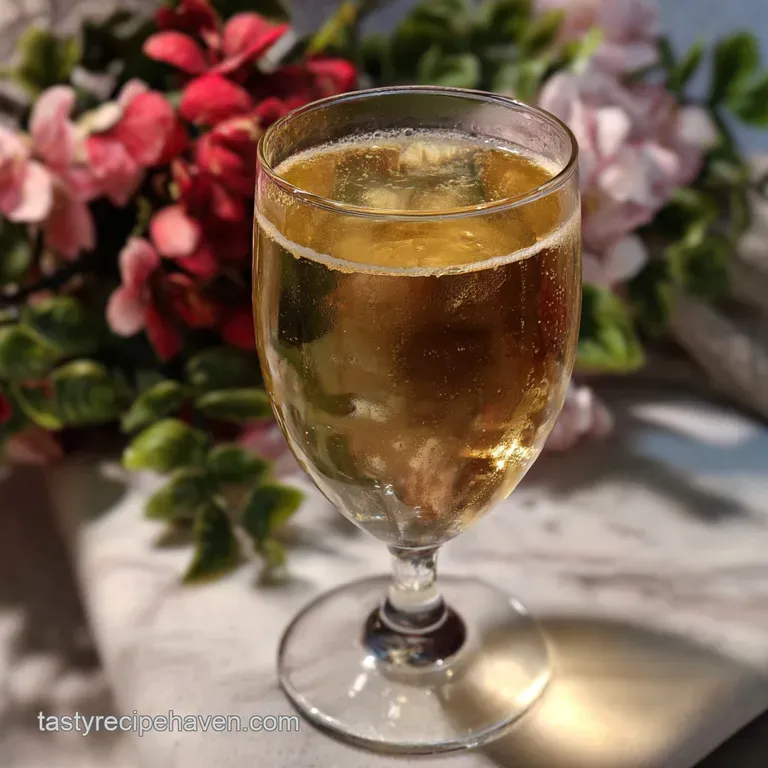
Follow these steps in order. Changing the sequence can result in an over foamed mess or a drink that doesn't properly incorporate the bitters.
- Place the sugar cube onto a small napkin or directly into the bottom of a chilled champagne flute.
- Saturate the cube with 4 dashes of Angostura bitters until it is fully stained a deep mahogany color. Note: This ensures the bitters dissolve evenly into the wine.
- Measure 0.5 oz of gin or cognac using a jigger.
- Pour the spirit directly over the bitters soaked sugar cube. Note: The spirit acts as a solvent, helping the bitters and sugar integrate.
- Tilt the flute at a 45 degree angle to minimize the "head" or foam-up.
- Slowly pour 5 oz of chilled Brut Champagne down the interior side of the glass. Note: High velocity pouring causes CO2 to escape too quickly.
- Wait 10 seconds for the initial foam to subside and the sugar cube to begin its steady bubble stream.
- Hold the lemon zest strip over the glass with the yellow side facing down toward the liquid.
- Squeeze the zest sharply between your fingers to "express" the oils onto the surface. Note: You should see a tiny mist of oil hit the bubbles.
- Twist the zest and drop it into the glass or perch it on the rim for a professional visual finish.
Troubleshooting Common Flavor and Fizz Problems
The biggest hurdle with any New Years Cocktail with Champagne is managing the carbonation. If the wine is too warm, it will foam over immediately. If the sugar cube is too small, the effect is lost.
Why Your Drink Is Flat
If your Cocktail with Champagne loses its fizz within minutes, the culprit is usually the glassware or the wine temperature. Residue from dish soap can also kill bubbles by breaking the surface tension.
| Problem | Root Cause | The Fix | Pro Protocol |
|---|---|---|---|
| Instant Flatness | Warm glassware or wine | Chill both to 40°F | Rinse glasses in cold water and air-dry to remove soap film. |
| Excessive Foaming | Pouring too fast | Pour against the side | Add the wine in two stages: a splash first, then the rest. |
| Gritty Texture | Cube didn't dissolve | Oversized sugar cube | Use standard 1 tsp cubes; avoid larger "coffee" sugar rocks. |
Customizing Your Drink for Individual Tastes
While the classic version is hard to beat, you can adapt this Years Cocktail with Champagne to fit your specific budget or flavor preferences. If you're hosting a party, I suggest offering a few different "backbone" spirits.
- The Cognac Classic: Use a VS or VSOP cognac for a rich, wintery flavor. It pairs beautifully with a New Years Appetizer recipe featuring savory herbs.
- The Botanical Gin: Using a London Dry gin adds notes of juniper and coriander, making the drink feel much lighter and more floral.
- The Berry Twist: Drop a single frozen raspberry on top of the sugar cube before pouring. It adds a pop of color without needing expensive syrups. For more treat ideas, try a No Bake Christmas recipe alongside it.
Comparison of Methods
| Feature | Fresh Method (Sugar Cube) | Shortcut Method (Simple Syrup) |
|---|---|---|
| Effervescence | Steady vertical bubble stream | Fast dissipation of carbonation |
| Flavor Profile | Evolving sweetness as cube melts | Uniform, static sweetness level |
| Visual Appeal | Classic theatrical "fountain" effect | Flat presentation without texture |
Batch Expansion Logic
Scaling up this Cocktail with Champagne requires a change in strategy. You cannot batch the champagne itself, as it will go flat. However, you can "pre-stage" the glasses to make serving a crowd manageable.
- Scaling Spices: When making 10+ drinks, scale the bitters to 1.5x. Too much bitter extract in a large batch can overwhelm the palate.
- Pre-Staging: Place the sugar cube and bitters in the glasses up to 30 minutes before the guests arrive. Do not add the spirit until just before pouring the wine.
- The 2x Rule: If you are doubling the recipe for two people, simply work in tandem. If serving 20, use a "production line" approach to keep the champagne as cold as possible.
- Batching the Spirit: You can mix the gin/cognac and bitters in a small carafe. Use 0.75 oz of this "base" per glass to speed up service.
Storing Ingredients and Reducing Bar Waste
New Years Cocktail ingredients can be expensive, so I always look for ways to maximize my pantry. Proper storage of the "sparkle" is the most critical part.
Storage: Store unopened Champagne in a cool, dark place. Once opened, use a high pressure champagne stopper to keep it fresh for up to 24 hours in the fridge. Zero Waste: Don't discard the rest of the lemon!
Transform: Squeeze the juice and freeze it in ice cube trays for future cocktails or cooking. Science: Lemon juice contains citric acid which prevents oxidation in other fruits and adds bright acidity to pan sauces.
Myth: Putting a silver spoon in an open bottle of champagne keeps it bubbly. Truth: This is a total kitchen legend. The only way to preserve carbonation is by using a pressurized seal to keep the CO2 trapped in the liquid.
Presentation Styles for Your Midnight Toast
The visual impact of a New Years Cocktail with Champagne is what makes it a "Masterclass" drink. To get that perfect "gram worthy" look, focus on the details of the zest and the glassware.
- The Express and Discard: For a cleaner look, express the lemon oils over the drink but don't drop the peel in. This keeps the focus on the rising bubbles.
- The Gold Rim: If you want to go over the top, dip the rim of the flute in a little lemon juice and then into gold sanding sugar before starting step 1.
- Glassware Matters: If you want the bubbles to last until the very end of the countdown, use a "pointed" flute. Many high end glasses have a tiny etched mark at the bottom specifically designed to stimulate bubble growth.
Decision Shortcut: If you want Rich & Warm, use Cognac and a demerara sugar cube. If you want Crisp & Floral, use Gin and a white sugar cube with a lemon twist. If you want Lower Alcohol, skip the spirit and just use bitters and champagne.
This New Years Cocktail with Champagne is more than just a drink; it’s a lesson in balance and physics. By respecting the temperature and the nucleation process, you ensure every guest has a sparkling, vibrant experience that lasts well past the midnight toast. Cheers to a bright and effervescent year ahead!
Recipe FAQs
What type of sugar cube works best?
Demerara or white sugar cube. Using a coarse, solid cube provides necessary nucleation sites for sustained CO2 release. A slow, steady bubble stream keeps the drink lively longer.
Can I substitute Champagne with Prosecco?
Prosecco results in a fruitier, less acidic flavor. Prosecco generally has less residual sugar than Brut Champagne, altering the final balance achieved by the sugar cube. The technique you master here for carbonation control also works when preparing our Sugar Cookie Recipe Without Eggs: Melts In Your Mouth to prevent over spreading.
Why does my cocktail lose its fizz immediately?
Warm glassware shocks the CO2 out of solution too fast. Warming the glass dramatically lowers the saturation point for dissolved gas, causing immediate, violent effervescence.
- Chill flutes thoroughly
- Pour wine slowly against the side
- Ensure champagne is ice-cold
Is gin or cognac a better backbone spirit?
Cognac provides richer, warmer notes that complement aged bitters. Gin offers a brighter, more herbaceous lift which cuts through the sweetness of the cube more sharply. Both spirits stabilize the flavors, but cognac leans towards winter spice while gin leans toward botanical freshness.
How many dashes of bitters are too many?
More than six dashes overwhelms the delicate wine notes. Bitters contain strong essential oils that, in excess, clash with the champagne's acidity and make the drink taste medicinal. This precise application of flavor infusion is similar to how we control the curing salts in our Souse Recipe: Zesty, Chilled Pork with Scotch Bonnet Heat.
Myth: Shaking this cocktail improves flavor integration.
Myth: Shaking this cocktail improves flavor integration. Reality: Shaking introduces air and drastically releases all dissolved CO2, resulting in a flat, oxidized drink with excessive foam.
What is the purpose of expressing the lemon zest last?
Expressing zest releases surface tension-breaking limonene oils. The oils are aromatic compounds that float on top, providing the initial fragrant burst when the drink is lifted to the mouth.
New Year Champagne Fountain Cocktail