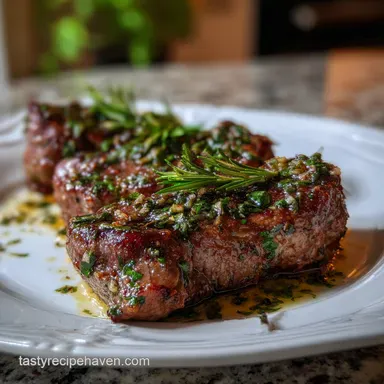
Garlic Herb Steakhouse Steak
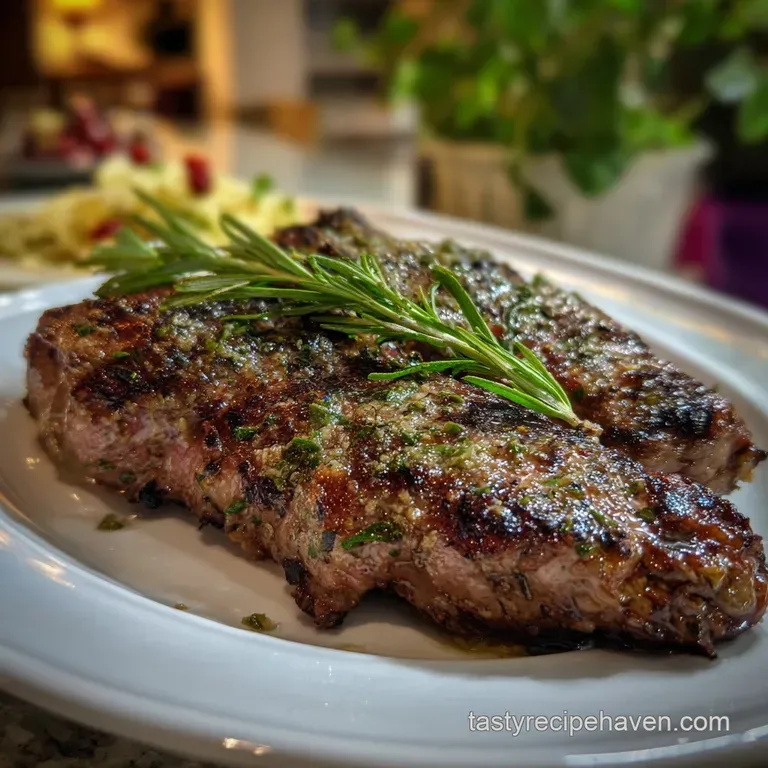
- Effort/Time: Low-effort prep / 12 minute active cooking
- Flavor Hook: Herbaceous mahogany crust with a velvety, garlic-infused finish
- Perfect for: High-stakes holiday dinners and romantic-celebration menus
- Deconstructing the Ultimate Delicious New Year s Eve Recipe Idea with Garlic Herb
- Precision Performance Metrics for Your Holiday Steak
- Selecting the Elemental Components of Flavor Architecture
- The Essential Toolkit for a Stress-Free Celebration
- Executing the Tactical Sequence for Culinary Success
- Navigating Critical Failure Points in over High heat Searing
- Adaptive Flavor Profiles to Suit Every Palate
- Zero-Waste Protocols and Long-Term Preservation Strategies
- ⚗️ The Math of Multiplication
- Curating the Ideal Atmosphere for Your Festive Main
- Solving Common Hurdles for the Home Cook
- Common Questions
- 📝 Recipe Card
Imagine the high pitched hiss of a cold pressed ribeye meeting a white hot cast iron surface, instantly filling your kitchen with a heady, caramelized fragrance. Discover a delicious New Year's Eve recipe idea featuring garlic herb steak.
We often overcomplicate holiday meals with multi day marinades and complex reductions, yet the most impressive results come from mastering the physics of a simple, hard sear. This Delicious New Year s Eve Recipe Idea with Garlic Herb proves that elegance lies in execution, not complexity.
I remember my first attempt at a holiday steak; I overcrowded the pan, the temperature plummeted, and I ended up with gray, steamed meat instead of a mahogany crusted masterpiece. That failure taught me that the secret isn't just the meat, but the management of moisture and thermal energy.
By focusing on surface dryness and temperature precision, we can transform a standard cut into something truly monumental.
This approach prioritizes the "Less is More" philosophy, utilizing a handful of pantry based aromatics and a specific basting technique to achieve professional results. We aren't just cooking; we are engineering a sensory experience that balances the robust richness of beef with the bright, piney notes of fresh rosemary and the earthy pungency of smashed garlic.
Let's look at how the chemistry of heat makes this possible for your celebratory meal.
Deconstructing the Ultimate Delicious New Year s Eve Recipe Idea with Garlic Herb
Achieving the perfect steak is an exercise in thermodynamics, specifically managing the transition of proteins from a raw state to a tender, denatured structure. When we apply high heat to the surface of the ribeye, we trigger the Maillard reaction, a chemical dance between amino acids and reducing sugars that creates hundreds of new flavor compounds.
This reaction only occurs effectively above 300°F, which is why a screaming hot pan is non-negotiable for that signature crust in this Delicious New Year s Eve Recipe Idea with Garlic Herb.
The Science of Why it Works
Surface Desiccation: Dry-brining with Diamond Crystal Kosher Salt for 2 hours draws moisture out, dissolves it into a brine, and then reabsorbs it, deeply seasoning the muscle fibers while leaving the surface bone dry for a superior sear.
Enzymatic Tenderization: The resting period allows the salt to break down tight protein structures, resulting in a more supple texture that retains up to 10x more juice during the over high heat cooking phase.
How Dry-Brining Creates a Shattering Crust
The crunch you feel when biting into a well seared steak is the result of moisture evaporation. When the surface of the meat is wet, the heat of the pan is wasted on boiling that water (which happens at 212°F) rather than browning the beef (which requires 300°F+).
By dry-brining, we ensure the heat goes directly into the Maillard reaction, creating a crust that is literally "shattering" in its crispness.
Why Is Cold Butter Basted at the End?
If you add butter too early, the milk solids will burn, turning bitter and acrid. By using cold Kerrygold Unsalted Butter in the final minutes, we lower the pan temperature just enough to stop the milk solids from scorching while they emulsify with the steak's rendered fat.
This creates a velvety, nut-brown coating that carries the essential oils of the garlic and herbs directly into every crevice of the meat.
Precision Performance Metrics for Your Holiday Steak
Success in the kitchen is often a matter of hitting specific numeric benchmarks. To ensure your New Year's Eve dinner is flawless, we focus on three critical checkpoints: weight, temperature, and time.
If you follow these parameters, you eliminate the guesswork that often leads to overcooked or under seasoned results for this main course.
| Metric | Target Value | Why It Matters |
|---|---|---|
| Meat Thickness | 1.5 inches | Allows for a deep crust without overcooking the center. |
| Surface Temp | 450°F+ | Necessary to trigger the Maillard reaction instantly. |
| Pull Temp | 130°F | Accounts for carryover cooking to reach a final 135°F (Medium Rare). |
Comparison of Cooking Methods
When deciding between a stovetop only method or an oven finish, consider the thickness of your cut and the desired texture of the crust. The stovetop method is preferred for optimizing the outcome of this specific Delicious New Year s Eve Recipe Idea with Garlic Herb.
| Feature | Stovetop Only (Recommended) | Oven Finish |
|---|---|---|
| Crust Development | Maximum; continuous contact with hot fat. | Moderate; air circulation can soften the sear. |
| Precision | High; allows for constant basting and monitoring. | Lower; requires opening the door, losing heat. |
| Texture | Crispy and buttery. | Evenly cooked but less textural contrast. |
Selecting the Elemental Components of Flavor Architecture
To execute this Garlic Herb masterpiece, the quality of your building blocks is paramount. We aren't using a dozen ingredients; we are using eight high impact elements that must work in harmony. For another bold flavor profile, you might consider how the smoky notes in a Chipotle Spices Recipe compare to the herbal freshness here.
Ingredient Chemistry Breakdown
| Ingredient | Chemical/Physical Role (Science) | The Pro Secret (Why This Matters) |
|---|---|---|
| Ribeye Steaks | Intramuscular fat (marbling) melts into liquid flavor. | The fat acts as a heat conductor, cooking the meat from the inside out. |
| Avocado Oil | High smoke point (520°F) prevents acrid compounds. | Allows for a 450°F sear without the oil breaking down into toxins. |
| Fresh Rosemary | Volatile oils (pinene) are released by hot fat. | Basting carries these fat-soluble aromas into the meat's fibers. |
| Unsalted Butter | Fat-in-water emulsion provides a silky mouthfeel. | Milk solids provide the "nutty" brown butter flavor missing from oils. |
The Material Science of Your Pantry
- 2 (16oz) ribeye steaks, 1.5 inch thick: Why this? The thickness ensures a 6 minute sear won't overcook the 130°F center.
- 2 tsp coarse kosher salt: Why this? Larger grains provide better coverage and slower dissolution for even seasoning.
- 1 tsp cracked black pepper: Use a coarse grind to ensure the pepper doesn't burn into dust in the high heat.
- 2 tbsp avocado oil: Essential for its high thermal stability compared to olive oil.
- 4 tbsp unsalted butter, cold: Why this? High fat content (82%+) creates a more stable, less watery emulsion during basting.
- 5 cloves garlic, smashed and peeled: Smashing releases allicin, the compound responsible for that pungent, savory aroma.
- 4 sprigs fresh thyme: Provides a subtle, earthy backbone to the more aggressive rosemary.
- 2 sprigs fresh rosemary: The piney resins stand up to the heavy fat content of the ribeye.
The Essential Toolkit for a Stress Free Celebration
A busy holiday kitchen requires a minimal tools approach to keep the workspace manageable. You don't need a sous vide machine or a specialized grill to make this Delicious New Year s Eve Recipe Idea with Garlic Herb work perfectly. If you can manage a pan and a spoon, you can cook a world class steak.
- 12 inch Lodge Cast Iron Skillet: The high thermal mass of cast iron ensures the temperature doesn't drop when the cold meat hits the pan.
- Stainless Steel Tongs: Essential for flipping the steaks without piercing the surface and losing precious juices.
- Large Metal Spoon: A heavy spoon allows you to scoop up the hot herb butter and cascade it over the meat efficiently.
- Instant Read Thermometer (Thermoworks Thermapen): The only way to guarantee the 130°F pull temp without cutting into the meat.
- Wire Cooling Rack and Sheet Pan: Elevating the meat during the resting phase prevents the bottom crust from becoming soggy in its own juices.
Executing the Tactical Sequence for Culinary Success
Precision is the difference between a good steak and a legendary one. Follow these atomic steps exactly, paying close attention to the sensory cues. If you want a sweet palate cleanser after this rich meal, a batch of Snickerdoodle Cookies Recipe is an excellent choice for a light, spiced dessert. Mastering this steak preparation is a fantastic way to celebrate the New Year.
Tactical Preparation
- Pat steaks dry with paper towels. Note: Surface moisture is the enemy of the Maillard reaction.
- Season both sides with Diamond Crystal Kosher Salt and pepper. Note: Salt begins the osmotic process of deep seasoning.
- Rest on a wire rack for 2 hours until the surface looks matte and slightly tacky.
- Heat the Lodge Cast Iron Skillet over high heat for 5 minutes until a drop of water dances and evaporates instantly.
- AddAvocado Oil and swirl until thin wisps of smoke appear.
The over High heat Execution
- Place steaks in the pan, pressing down slightly until a loud, consistent sizzle begins.
- Sear for 3 minutes without moving until a deep, mahogany crust forms on the bottom.
- Flip the steaks using tongs until the second side makes full contact with the skillet.
- Reduce heat to medium high and add Kerrygold Butter, garlic, and herbs.
- Baste continuously for 3 minutes, tilting the pan to scoop the bubbling fat over the meat until the garlic smells nutty and the meat reaches 130°F.
- Transfer to the wire rack and rest for 10 minutes until the internal temperature carries over to 135°F.
Chef's Tip: To deepen the flavor profile, add a half teaspoon of espresso powder to the pepper rub; the acidity and bitterness of the coffee perfectly mimic the charred flavors of a wood fired grill.
This enhancement makes the entire Delicious New Year s Eve Recipe Idea with Garlic Herb experience richer.
Navigating Critical Failure Points in over High heat Searing
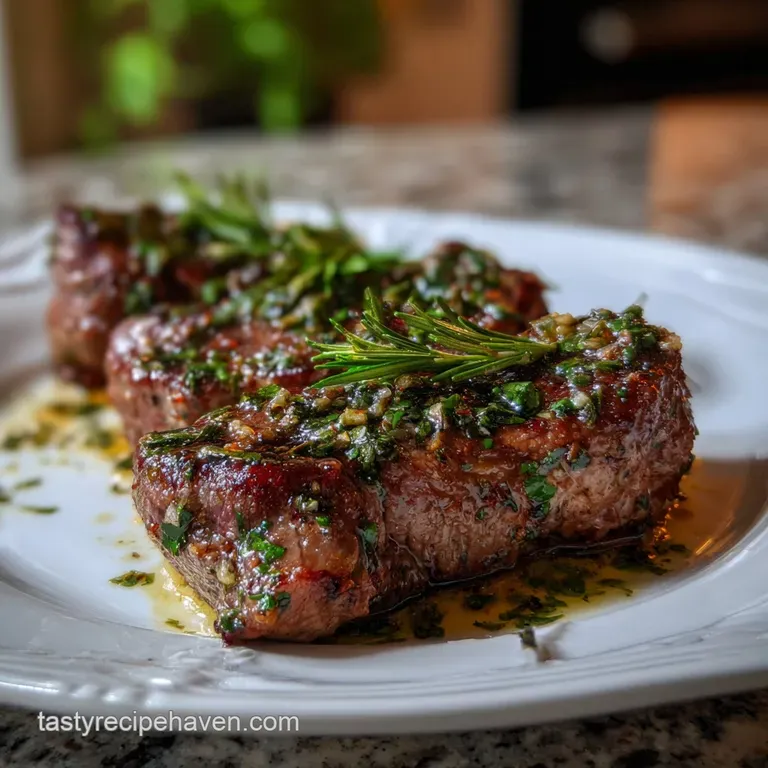
Even the most experienced cooks can run into trouble when the heat is high and the timing is tight. Understanding the "why" behind common steak disasters allows you to pivot and save the meal.
Why Your Garlic Herb Steak Turns Out Gray
If your steak lacks that rich, dark color, it's almost always a moisture or temperature issue. If the pan isn't hot enough, the meat juices will leak out and boil the steak rather than searing it. This is why we insist on a 5 minute preheat of the cast iron.
| Problem | Root Cause | The Fix | Pro Protocol |
|---|---|---|---|
| Gray/Soggy Crust | Surface moisture or low pan temp | Pat dry again; use 450°F+ pan | Never crowd the pan; cook in batches if needed. |
| Bitter Garlic | Garlic burned in high heat | Add garlic only during the basting phase | Keep garlic cloves whole or smashed, never minced. |
| Tough Meat | Skipping the resting phase | Rest for 10 full minutes | Use a wire rack to allow air circulation under the steak. |
Solving an Underdone Center
If you pull the steak at 130°F but find the center is still too cool for your liking, don't panic. Simply return the steak to the pan for 60 seconds per side with a fresh splash of butter.
This "re-searing" method is much safer than leaving it in the pan too long the first time and risking a gray band of overcooked meat around the edges.
Adaptive Flavor Profiles to Suit Every Palate
While the Garlic Herb combination is a classic for a Delicious New Year, you can easily adapt this technique to different culinary themes. The physics of the sear remains the same, but the aromatics can be swapped to match your menu. For a simpler, everyday version, you might enjoy the techniques used in a Peanut Butter Cookies recipe which also relies on specific temperature control for texture. The foundation of this sear, however, makes every iteration a success.
- If you want a Peppery Kick: Increase the black pepper to 1 tablespoon and add a pinch of red chili flakes to the basting butter.
- If you want a dairy-free Version: Replace the butter with a high-quality vegan butter alternative or simply use more Avocado Oil infused with the herbs.
- If you want a Citric Lift: Add two wide strips of lemon zest to the pan during the basting phase. The oils in the zest will cut through the heavy fat of the ribeye.
Zero Waste Protocols and Long Term Preservation Strategies
A high-quality ribeye is an investment, and nothing should go to waste. This Delicious New Year s Eve Recipe Idea with Garlic Herb provides several opportunities for "upcycling" ingredients.
- Fridge
- 3 days in an airtight container. The fat will solidify, so let it come to room temperature before reheating.
- Freeze
- 2 months, wrapped tightly in plastic wrap and then placed in a vacuum sealed bag to prevent freezer burn.
- Reheat
- Low and slow in a 250°F oven until the center reaches 110°F, then a quick 30 second flash sear in a hot pan.
Part B - Zero Waste Philosophy: Don't discard the Rosemary/Thyme Stems. Transform: Toss them into a pot of simmering water with vegetable scraps for a fragrant broth. Science: The woody stems contain concentrated resinous oils that add depth to soups.
Don't discard the Rendered Beef Fat. Transform: Strain it and store it in a jar in the fridge. Science: This "tallow" has a high smoke point and incredible umami flavor; use it to roast potatoes for your next meal.
Don't discard the Leftover Steak Trimmings. Transform: Dice finely and fold into a morning hash or omelet. Science: The pre-cooked proteins provide instant savory structure to quick breakfast dishes.
⚗️ The Math of Multiplication
Scaling this recipe for a larger New Year's Eve party requires an understanding of the Square Cube Law. When you double the number of steaks, you cannot simply double the ingredients in one pan without disastrous results when preparing multiple portions of this grand Delicious New Year s Eve Recipe Idea with Garlic Herb.
- The Evaporation Paradox: If you put four steaks in one 12 inch pan, you reduce the available surface area for moisture to evaporate. The steaks will release steam, dropping the pan temp and resulting in gray meat. Protocol: Use two separate pans or cook in two distinct batches.
- Flavor Saturation: When doubling the butter and herbs, scale to 1.5x (not 2x). The aromatic oils become highly concentrated in the fat; using 8 tablespoons of butter for 4 steaks can often overwhelm the beef's natural flavor.
- The Thermal Mass Effect: Adding two large, cold steaks to a pan removes a significant amount of heat energy. If you are doubling the batch, let the steaks sit at room temperature for 30 minutes longer than usual to reduce the "thermal shock" to your skillet.
- Carry Over Cooking: A larger mass of meat holds more residual heat. If you are cooking a massive 32oz Porterhouse instead of two 16oz Ribeyes, pull the meat 10°F earlier (at 120°F) because the internal temperature will continue to climb for much longer during the rest.
Curating the Ideal Atmosphere for Your Festive Main
This steak is a heavy, rich protein that demands side dishes with high acidity or crisp textures to balance the palate. If you’re looking for a quick, snackable addition to your holiday spread, the ease of an In and Out recipe spread can provide a nostalgic, tangy dip for appetizers. The main event, however, remains the perfectly executed steak.
What Pairs Best with Garlic Herb Steak?
- Acid Forward Greens: A simple arugula salad with lemon vinaigrette cuts through the ribeye's marbling.
- Starch with Structure: Hasselback potatoes or a classic pomme purée provide the perfect vessel for soaking up the leftover herb butter.
- Wine Pairing: A bold Cabernet Sauvignon or a tannic Malbec is essential. The tannins in the wine bind to the proteins in the steak, cleaning your palate between every buttery bite.
Solving Common Hurdles for the Home Cook
Why Is My Steak Gray on the Inside?
This usually means you didn't sear it at a high enough temperature, forcing you to leave it in the pan too long to get a crust. By the time the outside is brown, the inside is overcooked. Stick to the 3 minute per-side rule at maximum heat.
Debunking Kitchen Folklore
Myth: You should only flip a steak once to get the best sear. Truth: Flipping every 30 60 seconds (after the initial crust forms) actually helps the meat cook more evenly and prevents a thick gray band of overcooked meat from forming under the surface.
Myth: Searing "locks in the juices." Truth: Searing creates flavor via the Maillard reaction, but it does nothing to prevent moisture loss. In fact, high heat causes muscle fibers to contract and squeeze out moisture.
This is why the resting phase is the most important step for juiciness.
How Do I Know It's Done Without a Thermometer?
While we always recommend a digital thermometer, you can use the "Touch Test." Press the center of the steak. If it feels soft like the fleshy part of your palm under your thumb, it’s rare. If it has the springy resistance of your chin, it’s medium. If it feels firm like your forehead, it’s well done.
For this Garlic Herb recipe, you want that springy "chin" feel for a perfect medium rare finish.
To keep your holiday prep manageable, remember that a Bar Recipe is a great way to have high protein snacks ready for the busy afternoon before your big dinner. Planning and precision are your best friends for a successful New Year's Eve!
Common Questions
What is the ideal thickness for the steak cut?
1.5 inches is required for optimal searing. This thickness allows the interior to reach medium rare before the exterior burns, successfully balancing the Maillard reaction crust with a tender core.
Can I use olive oil instead of avocado oil?
No. Olive oil has a low smoke point, causing burning. Olive oil smoke points around 375°F will create bitter, acrid flavors when attempting a 450°F sear. Avocado oil’s high smoke point facilitates the necessary high heat crust formation required by this technique.
Why is resting the steak crucial after cooking?
Resting allows myofibril relaxation and internal pressure equalization. When heated, muscle fibers constrict and squeeze moisture to the center; resting lets the fibers relax, redistributing juices evenly throughout the meat.
- Rest for 10 minutes minimum
- Use a wire rack to avoid a soggy bottom
- Prevents juice loss upon slicing
Should I use salted or unsalted butter for basting?
Unsalted butter for precision control. Salted brands vary widely in sodium content, making it difficult to accurately season the main component. Unsalted butter ensures you control the salinity based purely on the dry-brine application.
Is it necessary to dry-brine for two hours?
No, but it drastically improves the crust. Dry-brining draws surface moisture out, allowing the pan's heat energy to focus solely on browning the meat via the Maillard reaction. If you skipped this step, you would waste thermal energy boiling surface water off first.
Myth: I must use a thick steak for restaurant quality.
Myth: Thicker steaks are mandatory for a good sear. Reality: While thickness helps manage carryover cooking, consistent high heat and a dry surface are more critical than sheer mass for achieving the crust required.
What is a good pairing for this rich steak?
A traditional side like Hoppin' John provides necessary textural contrast. The acidity and robust flavors of Hoppin' John balance the richness of the ribeye fat beautifully. If you enjoy this Southern influence, review our Southern Black Eyed Peas Recipes: Velvety Pot Likker for inspiration.
Garlic Herb Steakhouse Steak